Beyond the Silence: Navigating Suicide Loss, Grief, and the Lifelong Journey of Healing
By: Staff Reporting
Published in partnership with The Jed Foundation (JED)
Main Facts
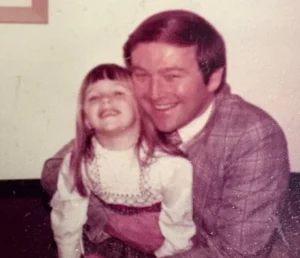
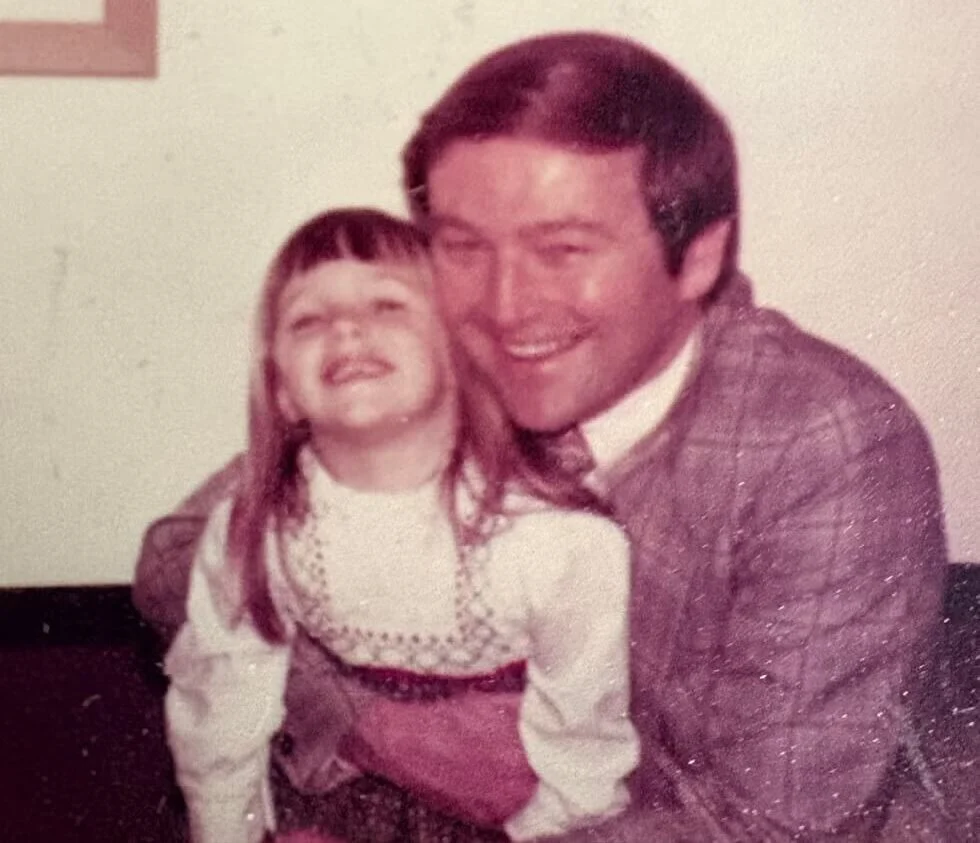
Reaching a significant life milestone often prompts moments of profound personal reflection, but for Dr. Katie Hurley, turning 52 this year carried a weight shared by few outside the community of suicide loss survivors. At age 52, her father, Jim Godbout, died by suicide in 1998. At the time of his passing, Katie was only 23 years old and halfway through her master’s degree in social work.
Nearly three decades later, Dr. Hurley has built a multi-faceted career as a mother of two, a practicing therapist, a published author, and the Vice President of Community Initiatives at The Jed Foundation (JED)—a leading national nonprofit dedicated to protecting emotional health and preventing suicide in teens and young adults. Yet, despite her extensive professional training and decades of clinical experience, reaching the exact age her father was when he died has forced her to confront the lingering echoes of unanswered questions, complex grief, and the nonlinear nature of healing.
Dr. Hurley’s public sharing of her journey—highlighted as part of JED’s International Survivors of Suicide Loss Day campaign—underscores a vital public health message: grief caused by suicide does not operate on a fixed timeline. Furthermore, the stigma surrounding suicide loss continues to isolate families, even as societal conversations regarding mental health show signs of generational progress. By juxtaposing her professional expertise with her deeply personal vulnerability, Dr. Hurley offers a masterclass in how communities can better support those navigating the protracted, often silent aftermath of losing a loved one to suicide.
Chronology: A Timeline of Remembrance and Resilience
Understanding Dr. Hurley’s journey requires examining the defining moments that shaped her life, stretching from the late 1990s to the present day:
- 1998 – The Turning Point: At age 23, while pursuing her master’s degree in social work, Katie experiences the sudden and devastating loss of her 52-year-old father, Jim Godbout, to suicide. The immediate aftermath is marked by cultural silence, profound confusion, and the overwhelming isolation characteristic of the era’s social stigma.
- The Early 2000s – Professional Awakening: Immersed in the field of mental health, Katie begins turning her personal tragedy into a professional mission. She navigates early milestones—her wedding, the launch of her therapy practice, and the birth of her children—while acutely feeling the absence of her father during life’s major celebratory and challenging transitions.
- The Intervening Decades – Building a Career in Advocacy: Over the next 25 years, Katie establishes herself as a trusted voice in child and adolescent mental health. She writes parenting books, provides therapy, and eventually steps into leadership roles at The Jed Foundation as Vice President of Community Initiatives, working tirelessly to build safety nets for young people across the nation.
- 2024 – Reaching the Milestone: Katie turns 52, matching the age her father was when he died. Recognizing the psychological gravity of this milestone, she chooses to mark the occasion not in isolation, but by gathering her mother and siblings to participate in an American Foundation for Suicide Prevention (AFSP) Out of the Darkness walk. At the event, she speaks publicly about the enduring questions of her youth and the realities of carrying grief across decades.
Supporting Data: The Ripple Effects of Suicide Loss
Dr. Hurley’s personal narrative brings a human face to staggering public health data concerning suicide loss and survivor recovery. According to research cited by the American Association of Suicidology and the Centers for Disease Control and Prevention (CDC), suicide is a profound public health crisis with wide-reaching psychological ripple effects.
- The Scope of Impact: Epidemiological studies indicate that every single death by suicide intimately impacts a minimum of 135 other people—comprising family members, close friends, coworkers, and acquaintances. Extrapolated across tens of thousands of annual suicides, millions of individuals navigate the harrowing terrain of "suicide loss survivorship" at any given time.
- The "Silent Third Week" Phenomenon: Echoing Dr. Hurley’s observations about the abrupt cessation of community support shortly after a funeral, public health data highlights a critical drop-off in external assistance. While immediate crisis response (meals, floral arrangements, condolence cards) is robust during the first 7 to 14 days, social scaffolding frequently collapses by week three. This sudden silence leaves survivors isolated during the very period when the shock begins to wear off and the permanent reality of the loss sets in.
- Elevated Risk Among Survivors: Research consistently demonstrates that individuals bereaved by suicide face a significantly elevated risk of complicated grief, major depressive disorder, post-traumatic stress disorder (PTSD), and suicidal ideation themselves. The presence of social stigma often deters these individuals from seeking timely therapeutic intervention, compounding the risk factors.
Official Responses and Professional Perspectives
As a leading voice within the mental health sector, Dr. Hurley utilizes her platform at The Jed Foundation to reshape how institutions, clinicians, and everyday citizens respond to suicide loss. Her professional insights offer concrete strategies for dismantling the barriers that isolate survivors.
The Myth of Predictability and the Burden of Guilt
Even with advanced degrees in social work and decades of clinical practice, Dr. Hurley admits that she still catches herself entertaining the "what-ifs" that plague nearly every survivor: Were there signs? Should I have recognized what he was going through? Could I have done something differently?
Her answer to these haunting queries is both a personal mantra and a professional standard: "We only know what we know."
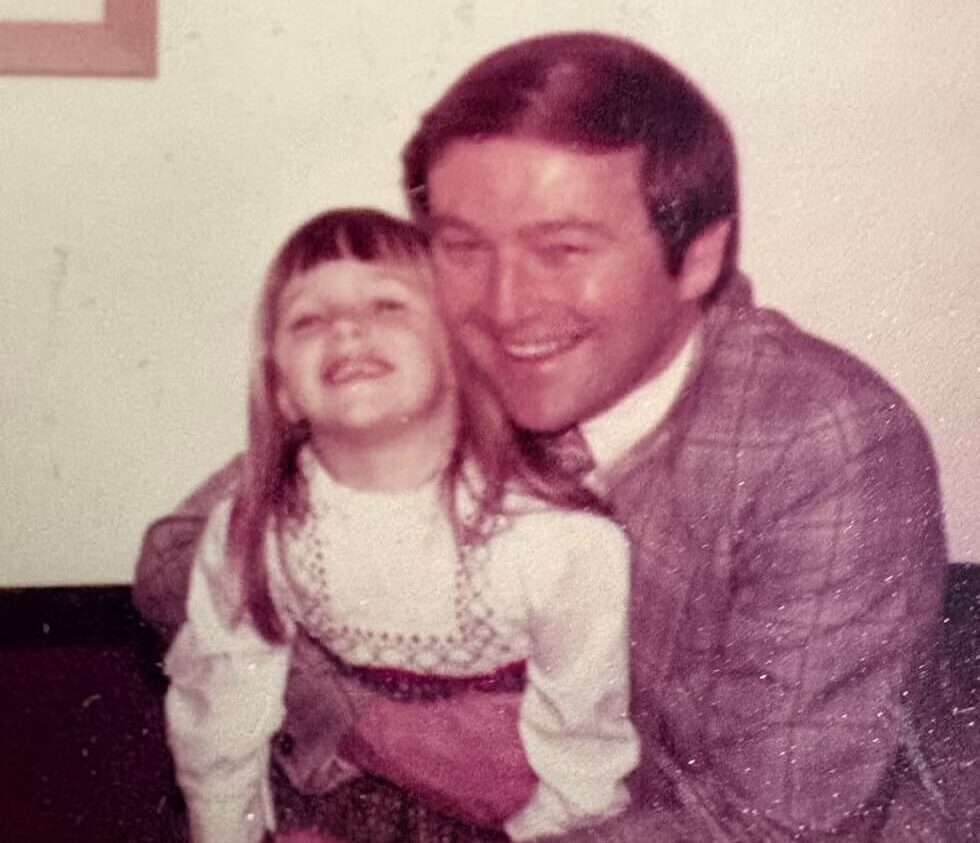
Reflecting on her father’s behavior prior to 1998, she notes that while hindsight allows her to identify subtle shifts in retrospect, true warning signs are frequently obscured by masking, behavioral inconsistency, and the complex internal worlds of individuals in distress. Clinicians emphasize that placing self-blame on survivors is a dangerous byproduct of societal pressure to find a "logical cause" where mental illness is often operating invisibly.
Practical Advice for Supporting the Bereaved
Drawing from both her personal trauma and clinical acumen, Dr. Hurley outlines actionable guidelines for friends, neighbors, and colleagues of suicide loss survivors:
- Do Not Disappear After Week Three: Recognize that grief does not end when the funeral concludes. The most critical outreach often needs to happen months or even years down the line, particularly around anniversaries, birthdays, and holidays.
- Say Their Name: A common pitfall among well-meaning acquaintances is avoiding mention of the deceased out of fear that it will cause pain or trigger tears. Dr. Hurley argues the exact opposite: "Saying their names and naming that it’s hard to be without that person is the best thing you can do." Acknowledging the person who died validates the survivor’s ongoing bond with them.
- Honor the Positive Memories: While suicide marks the tragic end of a life, it does not define the entirety of that person’s existence. Sharing joyful, nostalgic memories—such as Dr. Hurley recalling the sound, smell, and feel of sitting beside her father in his wooden Chris Craft boat on the Long Island Sound—humanizes the individual and brings comfort to the grieving family.
Implications: Changing the Cultural Narrative Around Mental Health
The reflections of leaders like Dr. Katie Hurley carry profound implications for the future of suicide prevention, postvention (support provided after a suicide), and cultural empathy.
For generations, death by suicide was cloaked in secrecy, shame, and institutional silence. Families frequently altered death certificates, lied to children about the cause of death, and grieved behind closed doors to avoid social ostracization. This historical stigma effectively forced survivors into isolation, robbing them of the communal support systems necessary to process complex trauma.
Today, campaigns like JED’s International Survivors of Suicide Loss Day represent a paradigm shift. By fostering open, transparent dialogues about suicide loss, organizations are working to dismantle the shame that prevents people from seeking help or expressing their grief. When prominent mental health professionals openly share their own experiences as survivors, it grants cultural permission for everyday citizens to speak their truths without fear of judgment.
Furthermore, these narratives emphasize that healing is not linear. Reaching the age of a deceased parent, celebrating a wedding, or experiencing a personal health crisis like cancer can reactivate dormant grief decades after the initial loss. Recognizing that grief is a lifelong relationship rather than a medical condition to be "cured" changes how society approaches mental wellness support.
Ultimately, Dr. Hurley’s journey from a grieving 23-year-old student to a nationally recognized mental health advocate serves as a beacon of hope. It demonstrates that while the pain of profound loss never entirely vanishes, it can be transmuted into a powerful catalyst for systemic change, empathy, and lifesaving community connection.
Immediate Support Resources
If you or someone you know is struggling or in crisis, help is available. You are not alone.
- Call or Text: Dial 988 to reach the Suicide & Crisis Lifeline (available 24/7, free, and confidential in the United States and Canada).
- Text Support: Text HOME (or HOLA for Spanish speakers) to 741-741 to connect with a crisis counselor at the Crisis Text Line.
- International Resources: If you are outside the United States, please contact your local emergency services or visit findahelpline.com to find support services available in your country.
- Survivor Resources: To explore more stories, access postvention toolkits, or share a memory of a loved one, visit The Jed Foundation’s Survivors of Suicide Loss Day Resources.