Carrying the Weight of Love and Loss: One Mother’s Journey Through Suicide Grief and Mental Health Advocacy
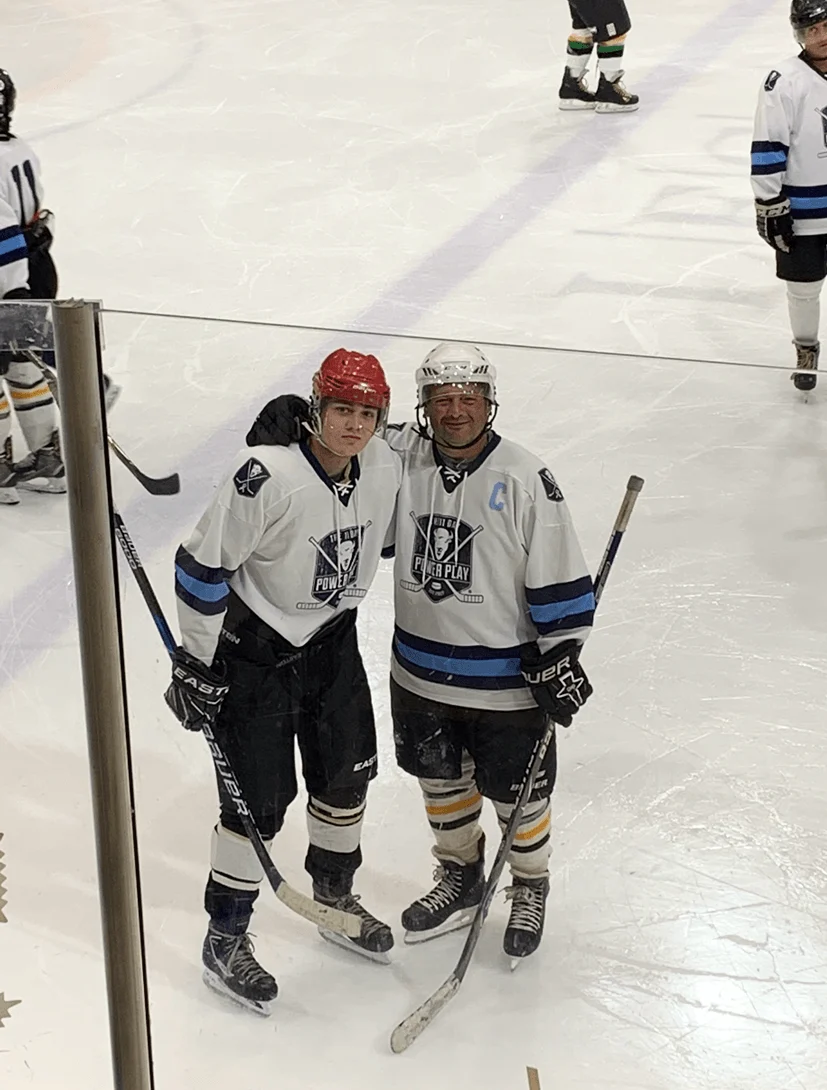
Four years after the devastating loss of her son, Michael, to suicide at the age of 23, Christine Cione sits down to reflect on a life cut tragically short. In sharing her family’s deeply personal story—part of The Jed Foundation’s (JED) International Survivors of Suicide Loss Day campaign—Christine hopes to shed light on the complex realities of youth mental health, the lifelong journey of grief, and the urgent need for compassionate, accessible support systems before a crisis escalates.
Main Facts
- The Loss: Michael Cione died by suicide on May 19, 2022, at the age of 23, following a multi-year battle with his mental health that began during his early adolescence.
- The Family: Christine, a registered nurse, along with her husband Joe and their children Joey and Cassidy, have spent the last four years learning how to carry the profound grief of losing Michael while keeping their family close.
- The Campaign: Christine’s narrative is featured as part of The Jed Foundation’s (JED) initiatives for International Survivors of Suicide Loss Day, aimed at breaking the stigma surrounding mental health struggles and suicide.
- The Core Message: Christine advocates for early, non-judgmental intervention, meeting young people "where they’re at," and increasing resources in schools and local communities to ensure families can find help without shame.
Chronology: A Portrait of Michael’s Life and Struggles
Early Years: Curiosity, Nature, and Exploration
When Christine pictures Michael as a young boy, her mind immediately goes to the outdoors. He was a child of nature—deeply fascinated by dinosaurs, fossils, and the mysteries hidden beneath the earth. He loved digging in the dirt, exploring dense woods, and turning over rocks just to see what lived underneath.
When Michael was six years old, the Cione family relocated to Boston, New York, a small, tight-knit town south of Buffalo. Their new property featured nearly an acre of land, complete with mature woods and a winding creek—a landscape Christine envisioned as an absolute paradise for a curious boy.
Alongside his younger brother, Joey, Michael spent countless hours immersed in nature. They built forts, collected fossils, caught frogs, and occasionally smuggled snakes into the family garage, much to their mother’s mild dismay. He was creative, determined, and deeply inquisitive.
The Shift: Adolescent Mental Health Challenges
As Michael entered middle school, however, the family began to notice subtle shifts. Academic and social environments grew more complex, and certain tasks became noticeably harder for him.
In the seventh grade, Michael was diagnosed with Attention-Deficit/Hyperactivity Disorder (ADHD). By the time he reached high school, he was also grappling with mounting anxiety. Despite being exceptionally hard on himself, Michael possessed a remarkable capacity for empathy and encouragement toward others.
He found solace in creative expression, particularly writing hip-hop music. He frequently collaborated with a close friend who was also navigating mental health struggles. The two young men would share their lyrics, critique each other’s work, and lift each other up during dark moments. Long after Michael’s passing, one of his friends told Christine at his funeral, "He was my biggest encourager."
Navigating Crisis and Seeking Independence
As Michael transitioned into young adulthood, his mental health challenges intensified. At age 18, he survived his first suicide attempt—a terrifying milestone that initiated a five-year battle to find stability, treatment, and peace of mind. Throughout this grueling period, Christine remained his anchor. She was consistently the first person he turned to during moments of distress.
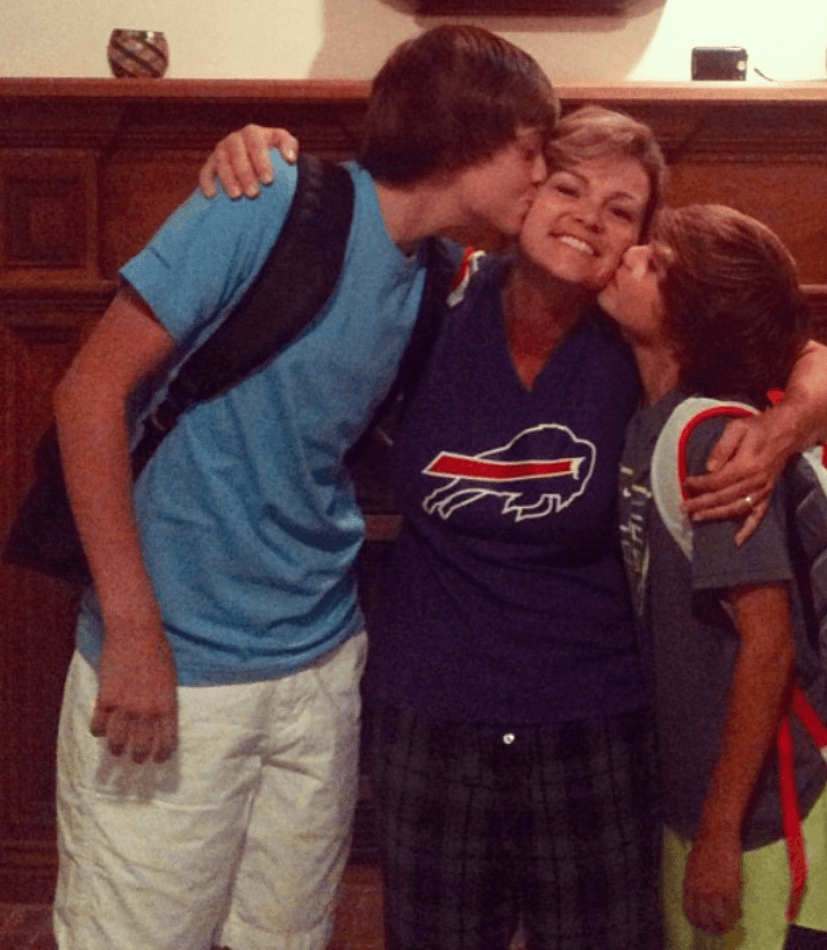
"There is nothing you could say to me that would keep me away from you," Christine frequently reminded him.
In pursuit of structured recovery, Michael eventually entered a residential treatment program in Pennsylvania. He dedicated himself to a series of therapeutic programs designed to help him manage his symptoms, develop life skills, secure employment, and ultimately live independently.
Ready for a fresh start, Michael chose to settle in Chattanooga, Tennessee, drawn to the area by the warmer climate and the majestic Appalachian mountains. Christine remembers visiting him there vividly: "I hugged him and I put my hands on his cheeks," she recalls. "I said, ‘Oh, I just wanna touch this face.’"
During that visit, they took long walks through his neighborhood, chatting casually and pausing so Michael could greet a neighborhood dog he had befriended on his daily strolls—a cherished memory that Christine holds close to her heart.
Tragically, despite his hard work, treatment, and moments of genuine joy, Michael died by suicide on May 19, 2022.
Supporting Data: The Broader Landscape of Youth Mental Health and Suicide Loss
Michael’s story is far from isolated. According to public health data from organizations like the Centers for Disease Control and Prevention (CDC) and mental health advocacy groups such as The Jed Foundation, youth mental health struggles—including anxiety, depression, and ADHD—have reached critical levels across the United States.
- Prevalence of Diagnosis: Conditions like ADHD and generalized anxiety disorder frequently manifest or peak during middle and high school years, acting as potential risk factors if left unmanaged.
- The Impact on Survivors: For every individual who dies by suicide, dozens of family members and close friends—known as "survivors of suicide loss"—are left to navigate profound psychological, emotional, and physical trauma.
- The Need for Early Intervention: Research consistently demonstrates that early identification of mental health distress, combined with destigmatized access to professional care, significantly reduces the risk of suicide among adolescents and young adults.
Official Responses and Perspectives: The Jed Foundation and Christine Cione
Reframing Grief: Carrying the Heavy Backpack
Four years after losing her son, Christine describes grief not as something that fades with time, but as something that changes shape. She visualizes grief as a backpack filled with heavy boulders.
"It’s not just every holiday, it’s every hour of every day," she explains. At first, the weight of the backpack feels entirely unbearable, crushing in its intensity. Over time, however, a person learns how to bear the load, finding ways to integrate the sorrow while holding onto gratitude for the time they shared.

Today, Christine anchors herself in her gratitude for her husband, Joe, her surviving children, Joey and Cassidy, and the close-knit bond their family has fought hard to maintain. She also draws strength from her career as a registered nurse, finding purpose in caregiving.
Despite the profound tragedy of her loss, Christine’s identity remains rooted in love: "I’m still a mother. I’m still a wife. I’m still a nurse. I’m still Michael’s mother."
The Imperative of Community Support
Christine’s advocacy work with The Jed Foundation stems from a desire to transform her private pain into public protection. She emphasizes that families cannot navigate these crises in isolation; they need systemic support embedded directly within schools, workplaces, and local communities.
Her primary advice to other families facing similar battles is rooted in presence and validation:
"You have to meet them where they’re at that day, that hour."
By supporting JED, Christine champions initiatives that teach young people how to recognize mental health struggles in themselves and their peers, dismantle the shame and stigma surrounding psychological treatment, and connect with help long before a crisis point is reached.
Implications for Families, Communities, and Policy
The Cione family’s journey underscores several vital implications for how society approaches mental health and suicide prevention:
- Dismantling Shame in Healthcare: Mental health conditions—whether ADHD, anxiety, or clinical depression—must be treated with the same urgency, openness, and lack of stigma as physical illnesses. When individuals feel judged, they are less likely to seek help.
- Investing in Community and School Resources: Organizations like The Jed Foundation highlight the necessity of robust mental health infrastructure in educational settings. Providing students with coping strategies, peer support frameworks, and accessible counseling can alter the trajectory of a young person’s life.
- Supporting Loss Survivors: Compassionate postvention care—support provided to those bereaved by suicide—is critical. Programs like International Survivors of Suicide Loss Day offer vital spaces for individuals like Christine to share their stories, find community, and realize they are not alone in their grief.
Need Support?
If you or someone you know is struggling or in crisis, help is available:
- Call, Text, or Chat: Dial 988 to reach the Suicide & Crisis Lifeline (available 24/7, free, and confidential in the United States and Canada).
- Crisis Text Line: Text HOME (or HOLA for Spanish) to 741-741 to connect with a crisis counselor.
- Resources for Loss Survivors: To read more stories, access coping tools, or share a memory, visit The Jed Foundation’s Survivors of Suicide Loss Day page.