
Beyond the Smile: A Father’s Journey Through Grief, Youth Mental Health, and the Hidden Realities of Suicide
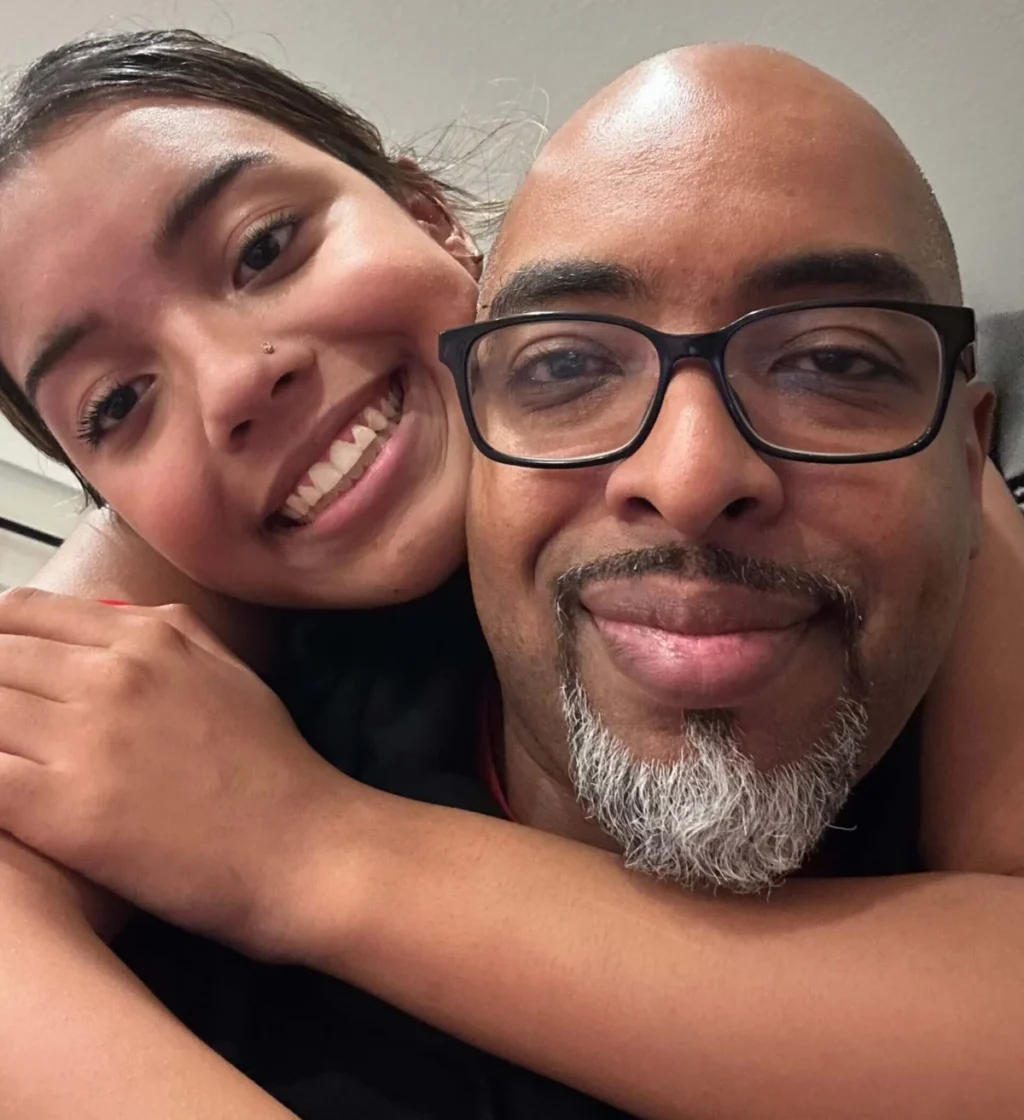
By The Global Health & Wellness Journal
Published in partnership with youth advocacy initiatives and mental health awareness programs.
Introduction and Main Facts
To the outside world, Savannah was the epitome of warmth, creativity, and resilience. A natural jokester with a magnetic personality, she was frequently the first person to notice when a peer was having a hard time and step in to offer comfort. "She was always the light of the room," her father, Derek Romero, recalls. Beyond her vibrant social presence, Savannah was an accomplished artist. She expressed her inner world through evocative paintings—one depicting a lonely road under a darkening sky, another showing two figures embracing while one seemed to fade away, alongside intricately rendered butterflies.
Yet, behind the art, the laughter, and the steady stream of emotional support she provided to her friends, Savannah was fighting a silent, agonizing battle.
Derek later discovered that his daughter had been grappling with deep, pervasive suicidal ideation—pain she kept hidden from the people who loved her most. In the wake of her tragic passing, friends and family came forward with stories of how Savannah had guided them through their own dark moments, leaving Derek to grapple with a haunting paradox: How could someone suffering so profoundly remain so adept at comforting others while masking her own distress?
Savannah’s story is not an isolated tragedy; it is a glaring window into a national crisis regarding youth mental health. Modern adolescents and teenagers frequently master the art of "smiling depression" or high-functioning emotional distress. They continue to attend school, create art, show up for friends, and maintain functioning households, all while hiding critical levels of psychological pain.
Derek’s subsequent mission—shared as part of the Jed Foundation’s (JED) Suicide Prevention Awareness Month campaign—aims to dismantle the dangerous assumption that visible happiness equates to inner wellness. His journey redefines what it means to look out for a child, moving past material provision into the realm of active, vulnerable, and courageous engagement.
Chronology of a Quiet Struggle
Understanding how youth mental health crises develop often requires looking backward through a lens colored by hindsight. For Derek and Savannah, the timeline of her struggle reflects a common trajectory in youth suicide cases: warning signs hidden in plain sight, misread signals, and the devastating weight of unexpressed pain.
Early Expression Through Art
Long before her family recognized the depth of her mental health struggles, Savannah communicated through her creativity. Her paintings were sophisticated and emotional. Derek remembers being deeply moved by her canvas depicting a road beneath a darkening sky and the poignant imagery of figures embracing, with one fading away. While admired at the time for their artistic merit, these pieces later served as subtle reflections of a mind grappling with isolation and a sense of impending disappearance.
The Pillar for Others
Throughout her middle and high school years, Savannah functioned as an emotional anchor for her social circle. Whenever friends faced academic stress, bullying, or personal crises, Savannah stepped into the role of caregiver. She absorbed the emotional burdens of others, defusing tense situations with humor and empathy. Because she was so frequently the giver of support, those around her rarely paused to ask if the caretaker herself needed care.
The Hidden Depths
While Derek knew that Savannah experienced occasional mental health challenges—as many teenagers do—he admits he had no concept of the severity. The suicidal thoughts she harbored were kept entirely insulated from her family life. She maintained routines, interacted with her parents, and continued her creative pursuits.
The Aftermath and Revelations
Following her passing, friends began sharing stories with Derek about the profound impact Savannah had on their lives, detailing instances where she literally talked them through suicidal crises of their own. This revelation sparked a profound shift in Derek’s understanding of youth psychology. The realization that a child can save others while drowning herself became the catalyst for his transformation from a grieving father into a vocal mental health advocate.
Supporting Data: The Hidden Epidemic of Youth Mental Health
Savannah’s experience underscores alarming trends documented by public health organizations, pediatric associations, and mental health watchdogs worldwide. Youth suicide and depression are escalating at rates that have prompted declarations of national emergencies by bodies such as the American Academy of Pediatrics (AAP).
The Scale of Adolescent Distress
According to data from the Centers for Disease Control and Prevention (CDC) and national mental health registries:
- Prevalence of Sadness: More than 40% of high school students report persistent feelings of sadness or hopelessness, a metric that has steadily climbed over the past decade.
- Ideation and Attempts: Nearly 20% of adolescents seriously consider suicide, and approximately 9% make an explicit attempt.
- The High-Functioning Mask: Clinical studies indicate that a significant percentage of youth who die by suicide show no obvious behavioral disruptions prior to the event. They maintain high grades, participate in extracurricular activities, and appear socially well-adjusted—a phenomenon clinicians refer to as masked or high-functioning depression.
The Burden on Young Caregivers
Adolescents who act as emotional supports for their peers face a unique psychological tax. Known colloquially as "secondary trauma" or "compassion fatigue," young people who constantly absorb the crises of their friends often feel they cannot burden others with their own problems. They fear disappointing those who rely on them, leading to a dangerous cycle of emotional isolation.

Official Responses and Expert Perspectives
Public health officials, educators, and advocacy organizations emphasize that preventing tragedies like Savannah’s requires systemic changes in how society approaches communication with young people.
The Jed Foundation (JED) and Advocacy Campaigns
Organizations like the Jed Foundation play a critical role in shifting the cultural narrative around mental health. Through initiatives like the "It’s OK to Say Suicide" campaign, JED works to destigmatize conversations about self-harm and suicide. Experts affiliated with JED emphasize that talking openly about suicide does not plant the idea in a young person’s head; rather, it relieves the suffocating pressure of a secret struggle and opens the door to intervention.
Pediatric and Clinical Guidelines
Mental health professionals urge parents and educators to look beyond basic behavioral compliance. Clinical guidelines suggest shifting from passive observation ("Is my child behaving well?") to active inquiry ("How is my child really doing underneath the surface?").
Dr. Sarah Jenkins, a prominent adolescent psychologist, notes:
"We have built a framework of parenting based largely on material provision and academic success—making sure they have a home, clothes, and good grades. But emotional architecture requires a different set of tools. It requires regular, sometimes uncomfortable dialogues where adults relinquish the need to ‘fix’ everything and simply commit to listening."
Implications: Changing How We Look Out for Children
For Derek Romero, the lessons forged in the fire of unimaginable grief have transformed his worldview and his approach to parenting and community engagement. His insights offer a blueprint for parents, educators, and communities striving to protect the modern generation.
Moving Beyond Material Provision
"We make sure they have a home. We show them love. We make sure they have whatever they need materially," Derek reflects. "But at the end of the day, there’s a lot more than just that."
True child advocacy requires emotional presence. It means carving out uninterrupted time, observing subtle shifts in tone or creative output, and creating a domestic environment where vulnerability is met with compassion rather than judgment.
The Power of Initiating Difficult Conversations
Many parents avoid asking their children about mental health or suicidal thoughts out of fear that they will say the wrong thing or make matters worse. Derek’s message directly challenges this hesitancy: Do not wait for the perfect moment.
- Ask Directly: If you notice a change in your child—or even if you don’t—ask gentle, direct questions: "You’ve been carrying a lot lately. How are you holding up?" or "Have you ever felt so overwhelmed that you thought about giving up?"
- Listen Without Judgment: When young people open up, the immediate parental instinct is often to offer immediate solutions or minimize the pain ("You have so much to live for!"). Experts and grieving parents alike urge adults to pause, validate the pain, and simply listen.
- Build a Safety Net: Ensure your child knows they have multiple trusted adults they can turn to—a relative, a counselor, a teacher, or a helpline. No single parent can be an adolescent’s sole psychological lifeline.
Releasing the "What Ifs"
For parents navigating the loss of a child, the weight of retrospective analysis can be crushing. Derek speaks openly about the universal trap of "what if" questions—questions that ultimately have no answers. By pivoting away from unanswerable grief and toward proactive advocacy, Derek has found a path forward.
Continuing a Legacy
Today, Derek keeps Savannah’s spirit alive by sharing her story, advocating for youth mental health education, and reminding other parents to cherish and truly see their children.
"She just had an amazing spirit with her," Derek says. "Quick to show love, quick to help. And I try to do the same to continue her legacy and have her still live through the stories we can share about my beautiful angel."
Immediate Support Resources
If you or someone you know is struggling with mental health, emotional distress, or suicidal ideation, help is available 24/7:
- 988 Suicide & Crisis Lifeline: Call or text 988 (English and Spanish) to speak with a trained crisis counselor. Online chat is available at 988lifeline.org.
- Crisis Text Line: Text HOME (or HOLA for Spanish) to 741-741 to connect with a live crisis counselor.
- The Trevor Project (for LGBTQ+ youth): Call 1-866-488-7386 or text START to 678-678.
- The Jed Foundation: Access resources, educational toolkits, and campaign stories at jedfoundation.org.