Bridging the Classroom Gap: Mozambique Launches ‘Empowering Educators’ to Transform Primary Education
MAPUTO, Mozambique – In the vast and rugged terrain of Niassa Province, the future of Mozambique’s primary education system is undergoing a significant transformation. Following years of persistent challenges in teacher professional development and inconsistent on-the-ground implementation, the Ministry of Education and Culture (MEC) has officially launched the “Empowering Educators” program. Supported by IrishAid and spearheaded by World Education—a JSI initiative—this ambitious project aims to turn national policy into measurable classroom success.
The Core Mandate: Translating Policy into Practice
For decades, the Mozambican education system has grappled with a disconnect between centralized policy directives and the realities of daily classroom life. While the government has long prioritized the National Strategy for Continuous Teacher Training, translating these high-level frameworks into improved learning outcomes for children has remained elusive.
The Empowering Educators program is designed to bridge this divide. By focusing on the Niassa Province, a region where educational access and retention are critical, the program seeks to bolster foundational learning, enhance teaching methodologies, and create gender-responsive school environments that protect and empower girl students.
The initiative is not merely a training seminar; it is an operational overhaul. By integrating professional development into the daily routines of educators and administrators, the program intends to create a culture of continuous improvement that persists long after external funding cycles conclude.
A Chronology of Collaboration
The genesis of this program is rooted in over 15 years of deep-seated cooperation between World Education and the Government of Mozambique. Since 2011, this partnership has served as the backbone for numerous educational interventions.
- 2011–2025: World Education and the MEC establish a track record of large-scale educational support, training tens of thousands of teachers and impacting the lives of over 2 million learners across the country.
- Early 2026: Formal negotiations conclude between the MEC and IrishAid to address the specific developmental needs of Niassa Province.
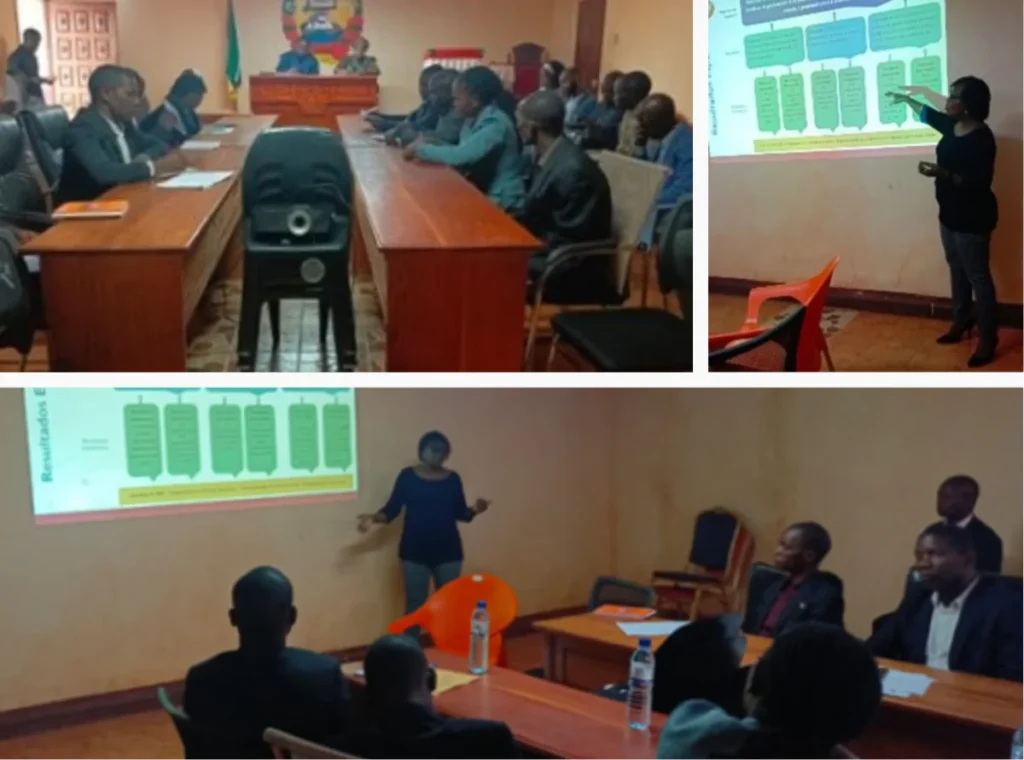
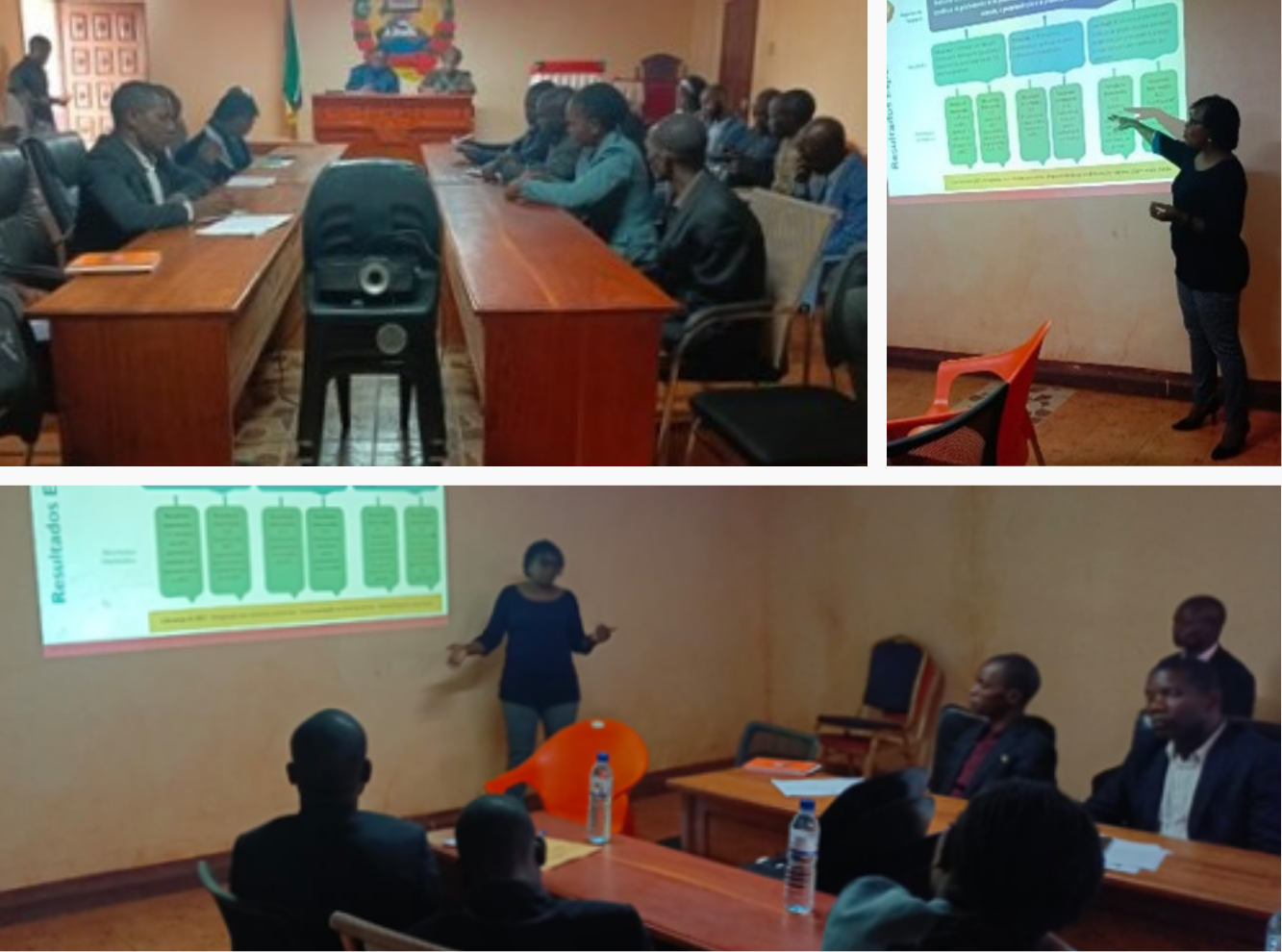
- April 2026: The official launch of the Empowering Educators program occurs in the Mavago and Mecula districts. Kick-off events feature government administrators who publicly pledge their commitment to the initiative.
- Mid-2026: The program moves into its initial phase, targeting 600 teachers—with a deliberate focus on gender equity, ensuring over 200 of these positions are filled by women—and 100 school directors across four key districts.
Strategic Framework and Implementation
The project operates on a "multiplier effect" model. Rather than relying on sporadic, external workshops, the program embeds support within the school management structure.
Peer Coaching and Systemic Support
Ligia Lundo, World Education’s Provincial Manager, highlights the sustainability of this model: "The sustainability of the strategy is based on the principle that trainee teachers will act as multipliers of the process. We are prioritizing on-the-job training, where Deputy School Heads provide ongoing support in the classroom through peer coaching."
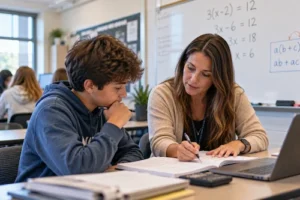
This approach ensures that the support tools already available within the Mozambican education system are utilized to their full potential. By training school managers to observe, mentor, and provide constructive feedback, the program creates a self-sustaining ecosystem of academic support.
Gender-Responsive School Management
A critical component of the program is the focus on girls’ education. In many rural districts of Niassa, social and systemic barriers often lead to lower retention rates for girls. Empowering Educators addresses this through:
- Gender-sensitive pedagogical training: Helping teachers recognize and mitigate gender bias in the classroom.
- School management protocols: Training directors to create safer, more inclusive environments that encourage girls to stay in school.
- Community engagement: Bridging the gap between the school and the family to promote the value of female education.
Official Responses and Stakeholder Commitment
The launch of the program in the Mavago and Mecula districts saw significant participation from local government officials. During the inaugural ceremonies, district administrators reinforced the importance of the collaboration, noting that the initiative aligns perfectly with the government’s vision for decentralized, high-quality education.
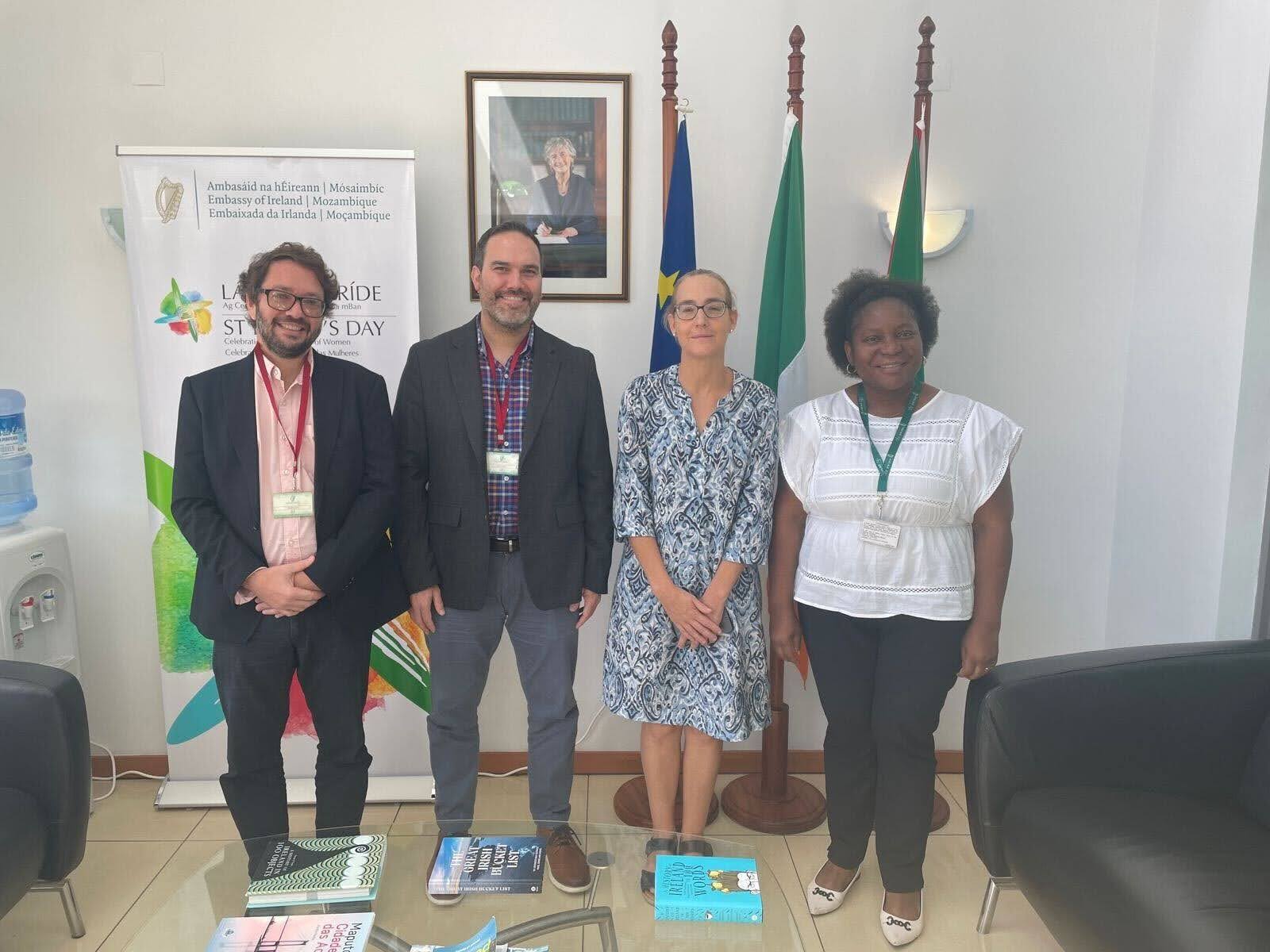
Representatives from the Embassy of Ireland, including Aileen O’Donovan (Deputy Head of Mission and Cooperation) and Lídia Meque (Program Manager), have been instrumental in securing the funding and strategic guidance necessary to bring the program to fruition. Their involvement underscores the international community’s ongoing commitment to strengthening human capital in Mozambique through targeted investments in the primary education sector.
Supporting Data: Measuring Success
The program is grounded in a commitment to evidence-based interventions. The project trajectory involves:
- Comprehensive Baseline Evidence: The first phase involves rigorous data collection to identify specific barriers to learning in the target districts. This evidence will serve as the benchmark against which all future improvements are measured.
- Targeted Reach: With 600 teachers and 100 directors as the initial cohort, the program aims to create "pockets of excellence" that can be scaled to neighboring districts.
- Retention Metrics: Success will be measured not just by test scores, but by the measurable increase in the retention of girl students and the consistency of teacher attendance and professional engagement.
Long-term Implications: Building a Resilient Education System
The Empowering Educators program carries profound implications for the future of the Mozambican education landscape.
From Aid Dependency to Sustainability
The most significant impact of this program is its focus on capacity development. By training existing staff—from teachers to deputy heads—to manage and monitor their own performance, World Education is ensuring that the program is not an "add-on," but a fundamental shift in how schools operate.
The Ripple Effect
If successful in the four target districts of Niassa, the model provides a blueprint for the rest of the country. Mozambique’s education system is often challenged by its geographic scale; a decentralized, peer-coaching model is significantly more cost-effective and scalable than traditional, top-down training initiatives.
Academic and Social Outcomes
The ultimate goal remains the learner. By fostering a "successful social, academic, and learning environment," the program aims to produce graduates who are better prepared for secondary education. This, in turn, contributes to the broader national development goals of Mozambique, as a more educated workforce is essential for economic stability and social progress.
Looking Ahead: The Future of the Partnership
As the Empowering Educators program enters its operational phase, the collaboration between World Education, IrishAid, and the Mozambican government serves as a model for international development. It demonstrates that the most effective interventions are those that respect existing national policies while providing the necessary technical expertise to overcome systemic inertia.
World Education continues to offer a broad range of services, including applied research, evaluation, and policy development. Their 15-year partnership with the MEC remains a cornerstone of their mission. For stakeholders, educators, and the community at large, the launch of Empowering Educators marks the beginning of a new chapter—one where the classroom is not just a place of instruction, but a hub of constant growth and empowerment.
As the program progresses, the global community will be watching Niassa Province closely, waiting to see if this marriage of local policy and international expertise can indeed set a new standard for educational success in the region.