Bridging the Gap: How Empathy, Dialogue, and Community Tracking Are Transforming Zero-Dose Immunization in Nigeria
Introduction and Main Facts
For nearly two decades, Mrs. Favour, a local hairdresser and mother of five from the Yenegwe community in Nigeria’s Bayelsa State, stood firmly against childhood immunizations. Her youngest child, a baby named Rejoice, had reached the age of one without receiving a single drop of vaccine or a single protective injection. To the casual observer, Mrs. Favour’s long-standing refusal might have been labeled as stubbornness or outright negligence. However, beneath her resistance lay a deeply human foundation: unaddressed fear, born from a distressing experience with her firstborn child nineteen years prior.
Mrs. Favour’s journey from a staunch vaccine skeptic to an empowered advocate for her child’s health highlights a critical lesson in public health: vaccine hesitancy is rarely malicious. Instead, it is frequently rooted in real fear, past trauma, and a lack of clear communication from health systems.
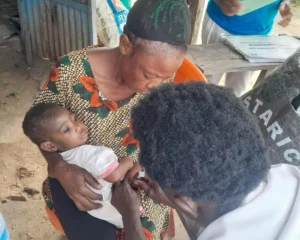
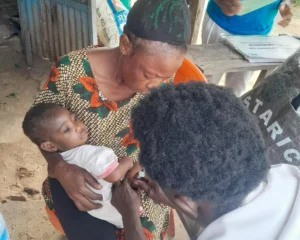
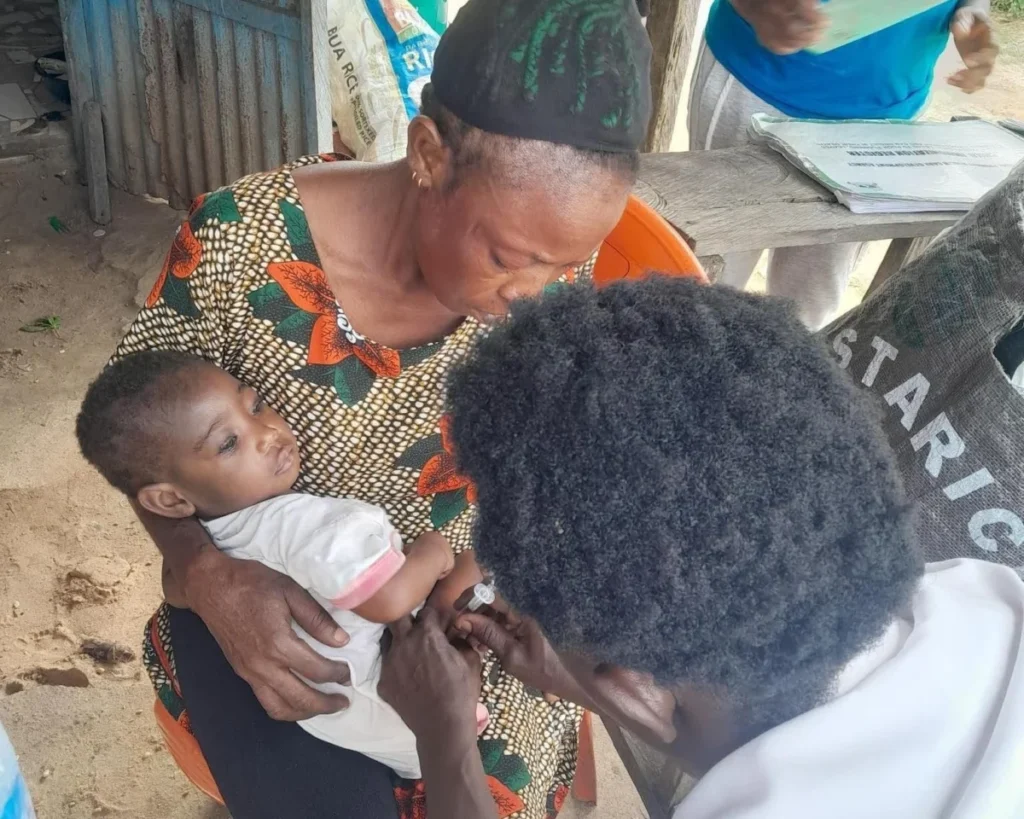
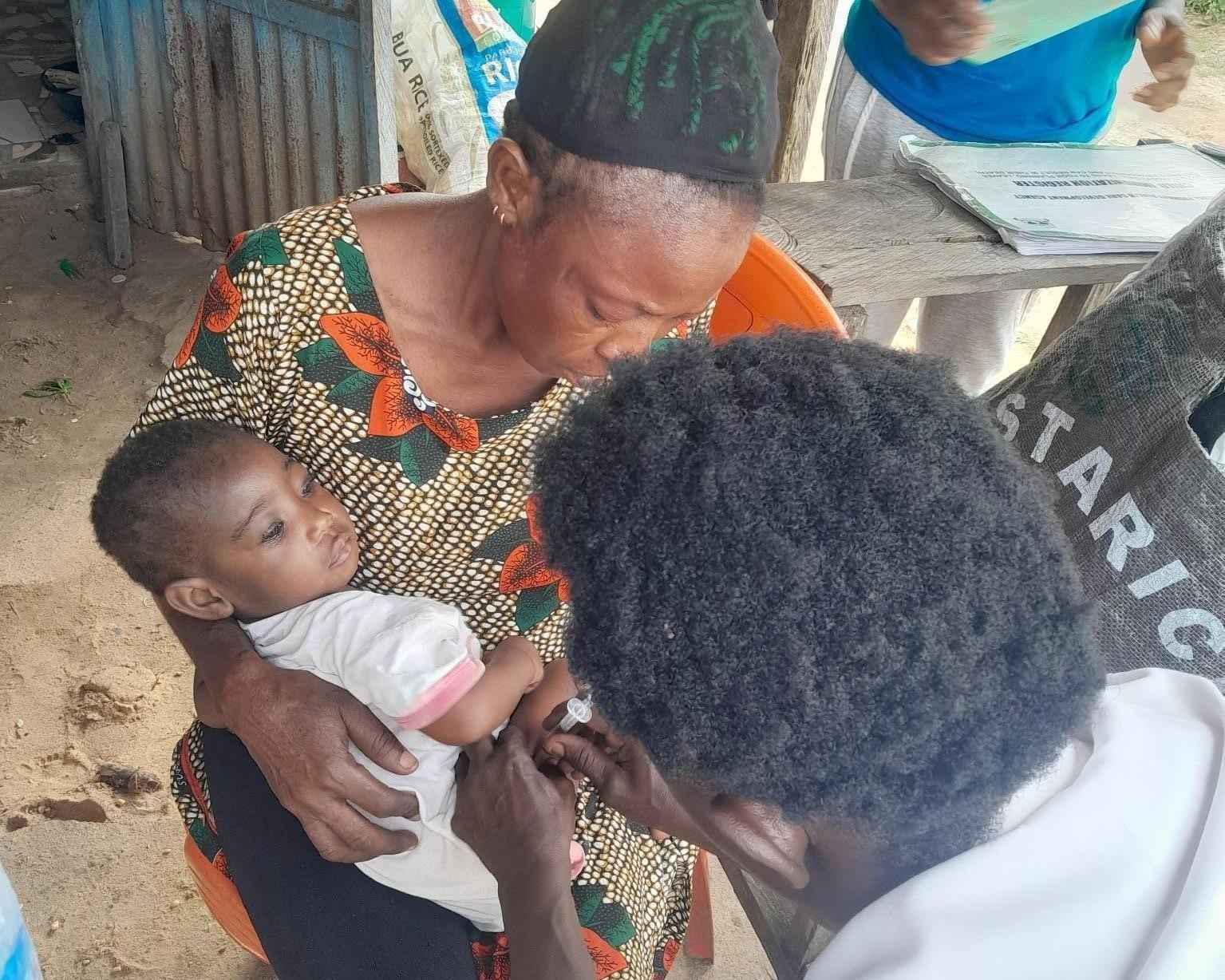
This narrative shifted on June 10, 2026, during an outreach session conducted by the Yenegwe Primary Health Center with technical and logistical support from JSI. Baby Rejoice was identified as a "zero-dose" child—a term used globally to describe infants who have never received a single routine vaccination, leaving them profoundly vulnerable to vaccine-preventable diseases. Through an empathetic conversation with a JSI advocacy, communication, and social mobilization (ACSM) officer, Mrs. Favour’s mistrust was met not with judgment, but with active listening and evidence-based counseling.
This pivotal encounter set off a chain reaction that ultimately brought Baby Rejoice up to date on her immunizations, protecting her against tuberculosis, polio, hepatitis B, diphtheria, pertussis (whooping cough), tetanus, pneumonia, rotavirus, and meningitis. The case serves as a powerful testament to the impact of respectful dialogue, robust defaulter-tracking systems, and cross-sectoral collaboration in reaching the world’s most vulnerable children.
The Chronology of Transformation: From Fear to Full Immunization
To understand how a mother could refuse life-saving vaccines for twenty years, one must trace the timeline of her initial trauma and the meticulous steps required to undo it.
The Root of the Hesitancy (circa 2007–2026)
Nearly two decades ago, Mrs. Favour welcomed her first child. When the infant was taken for routine immunizations, the child subsequently developed a high fever, severe restlessness, and intestinal distress. Although the infant eventually recovered, the frightening side effects left an indelible mark on the young mother. Without proper counseling from healthcare workers on what to expect after an injection, Mrs. Favour drew a direct, erroneous conclusion: vaccines were inherently dangerous. Consequently, she opted out of immunizations for all subsequent children, shutting her doors to local health campaigns.
The Breakthrough Encounter: June 10, 2026
The turning point arrived during a targeted community outreach initiative led by the Yenegwe Primary Health Center, backed by JSI. ACSM Officer Esogenwune Nwabueze spotted Baby Rejoice and recognized her as a zero-dose child. Rather than pushing compliance, Nwabueze approached Mrs. Favour with empathy. He listened intently as she recounted her nineteen-year-old trauma.
Nwabueze then carefully explained Adverse Events Following Immunization (AEFI), clarifying that mild reactions like low-grade fevers or fussiness are often normal immune responses rather than dangerous toxins or signs of systemic failure. He equipped the mother with actionable knowledge: what common reactions to expect, warning signs to watch for, and the exact steps to take if her baby experienced discomfort.
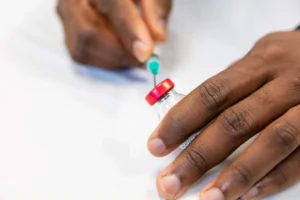
Moved by this respectful exchange, Mrs. Favour consented. On that day, Baby Rejoice received six life-saving vaccines. To solidify this hard-won trust, Nwabueze conducted a follow-up home visit the very next day and linked the family with the Yenagoa immunization officer for continued localized support.
Navigating the Setback: The Missed Appointment
The path from hesitancy to complete immunization is rarely linear. Although Baby Rejoice was successfully enrolled, she missed her scheduled follow-up appointment a month later.
Rather than letting the family slip through the cracks—which often marks the beginning of permanent default—the Yenagoa immunization office activated its tracking mechanism. Officials visited Mrs. Favour directly at her home, reassuring her that the scheduled antigens were entirely safe, age-appropriate, and essential for closing her child’s immunity gap. Reassured by this persistent, compassionate follow-up, Mrs. Favour brought Baby Rejoice back. The infant successfully received her remaining missed antigens, including doses of Penta 2, polio 2, rotavirus, and malaria vaccines.
Supporting Data and Systemic Insights: The Zero-Dose Challenge
The story of Baby Rejoice and Mrs. Favour is not an isolated incident; it represents a micro-level view of a macro-level public health challenge in sub-Saharan Africa and beyond. Zero-dose and under-immunized children represent some of the most marginalized populations globally, often trapped in pockets of poverty, conflict, or geographic isolation. However, as Bayelsa State demonstrates, many zero-dose children live within reach of health facilities but remain unvaccinated due to psychological and informational barriers rather than physical ones.
Understanding Vaccine Hesitancy in Low-Resource Settings
Public health research consistently shows that vaccine hesitancy in developing regions is multifaceted. While logistical hurdles—such as distance to health centers and cold-chain failures—play a major role, informational voids are equally damaging.
When caregivers witness an infant experiencing a fever after a vaccination shot and receive no prior warning or post-injection counseling, panic fills the vacuum. In the absence of medical guidance, community rumors and historical mistrust take root.
The intervention in Bayelsa State underscores that investing in ACSM (Advocacy, Communication, and Social Mobilization) officers is just as vital as procuring the vaccines themselves. Human-centered design principles—such as active listening, cultural humility, and patience—transform frontline health workers from administrative enforcers into trusted community partners.
The Power of Defaulter Tracking
Missed appointments are one of the greatest threats to immunization programs. Without systematic defaulter-tracking protocols, children who receive their first dose often drop out before completing their schedules, leaving them only partially protected.
In Bayelsa State, the collaboration between JSI mobilization officers and the Yenagoa immunization facility proved that closing the immunity gap requires active surveillance. By treating a missed appointment not as a permanent refusal, but as a signal for intervention, the health system successfully brought Baby Rejoice back into the fold. This proactive model highlights the necessity of assigning clear institutional accountability for follow-up care.
Official Responses and Stakeholder Perspectives
The success of the Yenegwe outreach has drawn praise from health leaders across Nigeria, emphasizing that multi-sectoral collaboration is the bedrock of sustainable immunization programs.
Reflecting on the psychological dimensions of immunization refusal, JSI Bayelsa ACSM Officer Esogenwune Nwabueze noted:
"Every caregiver deserves accurate information so they can make informed decisions for their children. Many vaccine refusals are rooted in fear, misinformation, or past experiences. Listening is often the first step toward building trust."
Nwabueze’s philosophy highlights a paradigm shift in modern public health messaging: moving away from coercive tactics and toward empathetic education. When health workers validate a parent’s past fears rather than dismissing them, they dismantle the emotional barriers that sustain hesitancy.
Echoing this sentiment, Dr. Williams Appah, Executive Secretary of the Bayelsa State Primary Health Care Board, emphasized the broader institutional commitment required to reach every vulnerable child:
"No child is beyond reach when communities, health workers, and partners like JSI work together. At the Bayelsa State Primary Health Care Board, we remain committed to identifying and reaching every zero-dose and under-immunized child with life-saving vaccines."
Dr. Appah’s statement highlights the synergy between international public health partners and local government health boards. By pooling resources, sharing tracking data, and empowering grassroots mobilizers, regional health authorities can systematically chip away at the number of zero-dose children in their jurisdictions.
Implications for the Future of Public Health Programming
The case of Mrs. Favour and Baby Rejoice offers profound implications for public health strategies targeting immunization rates across Nigeria and similar global settings:
- Training Frontline Workers in Soft Skills: Technical competence in administering vaccines is no longer enough. Frontline health workers must be trained in empathetic communication, crisis counseling, and active listening to address psychological hesitancy effectively.
- Institutionalizing Defaulter-Tracking Systems: Immunization campaigns cannot afford a "one-and-done" mindset. Robust, community-linked tracking systems must be embedded into primary healthcare frameworks to ensure that missed appointments trigger immediate, supportive home visits rather than permanent dropouts.
- Addressing Historical Trauma: Public health outreach programs must proactively seek out communities with generational mistrust—often born from adverse historical events or unmanaged AEFIs—and invest time in transparent dialogues that dispel myths.
- Fostering Partnerships: The seamless handoff between JSI mobilization officers and municipal health boards in Bayelsa State demonstrates that collaborative ecosystems yield superior health outcomes. When non-governmental partners and state health boards align their goals, vulnerable children are successfully pulled from the margins of healthcare systems and integrated into protected, thriving communities.
Ultimately, Mrs. Favour’s nineteenth-year turnaround proves that it is never too late to rewrite a community’s narrative regarding public health. With patience, respect, and science-backed communication, even the deepest-seated fears can be transformed into lasting confidence.