Empowering the Earliest Years: Inside the ZERO TO THREE Early Childhood Resource Center
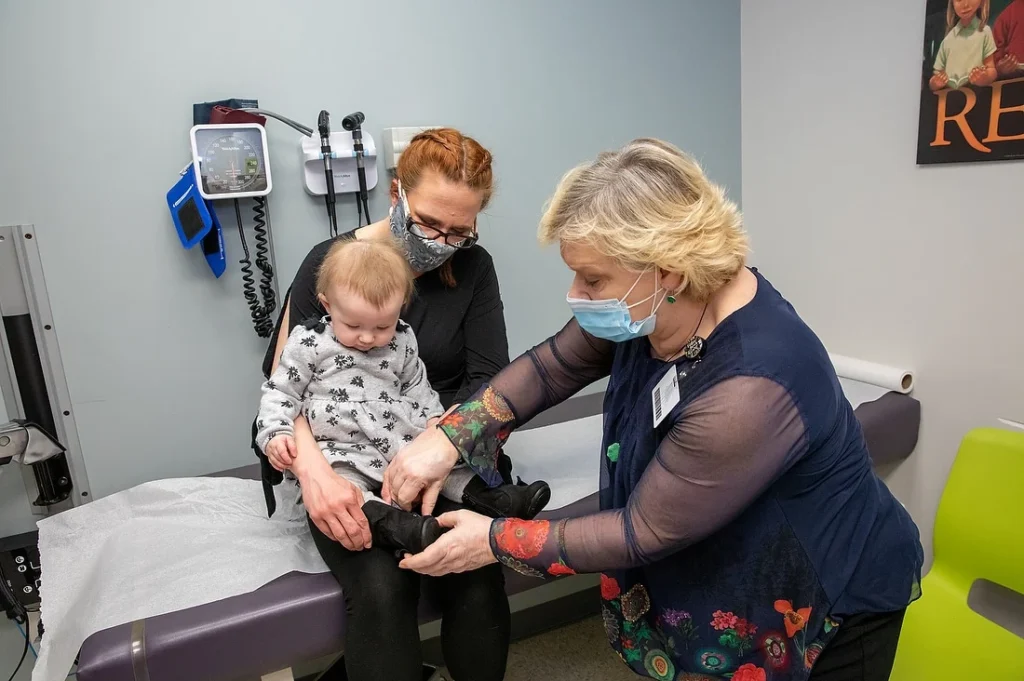
WASHINGTON — For more than four decades, the national nonprofit organization ZERO TO THREE has operated on a foundational, scientifically backed premise: the connections formed in the earliest months and years of life last a lifetime. Dedicated to promoting the mental health, emotional well-being, and cognitive development of infants and toddlers, the organization has long served as an essential anchor for parents, researchers, educators, and policymakers alike.
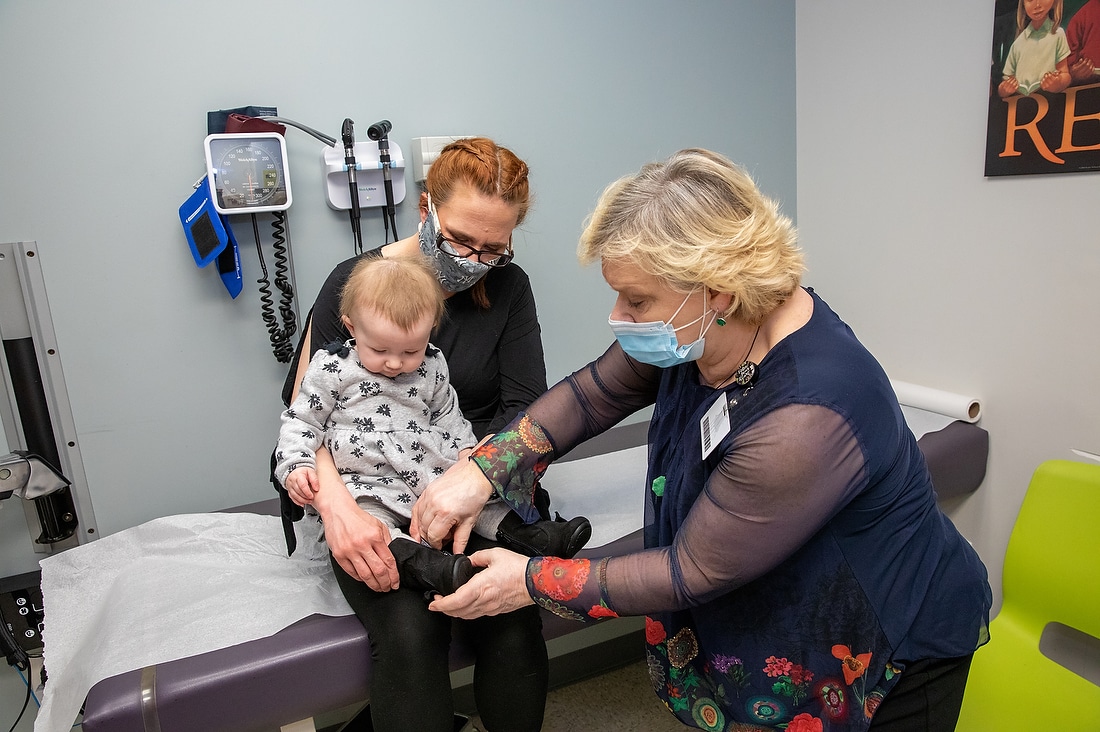
Today, as society grapples with rapid technological advancements, systemic economic pressures, and an evolving understanding of early childhood trauma, the organization’s newly expanded Early Childhood Resource Center stands as a critical clearinghouse. Offering a comprehensive digital ecosystem of more than 2,000 curated resources, the hub seeks to bridge the gap between complex developmental science and the daily realities of raising and educating the youngest members of society.

Main Facts: A Comprehensive Hub for Early Development
At its core, the ZERO TO THREE Early Childhood Resource Center is designed to be a one-stop digital platform for anyone invested in the first three years of life—a period universally recognized by neuroscientists as the most pivotal and vulnerable window of human brain development.

The platform categorizes its vast library into several intuitive streams, addressing the multi-layered needs of families, child welfare professionals, clinicians, and educators:

- Professional Development: Curated webinars, workshops, and industry-leading conferences that target early childhood professionals across diverse disciplines.
- Practical Tools & Curriculums: Ready-to-use teaching resources, reading materials, and activity guides—such as free language and STEM curriculums—designed to translate daily play into foundational learning.
- Targeted Demographics: Specialized resources addressing vulnerable populations, including military families and children navigating the child welfare system.
- Advocacy & Policy Toolkits: Issue-based frameworks that empower community members and professionals to champion policies supporting babies and families.
- System Efficiency Programs: Initiatives crafted to help community organizations streamline and elevate the quality of services delivered to young children.
By dismantling institutional silos and making peer-reviewed research digestible and actionable, the Resource Center equips stakeholders with the vocabulary, data, and emotional frameworks needed to advocate effectively for infants and toddlers.

Chronology: Four Decades of Advocacy and Adaptation
To understand the weight of the modern ZERO TO THREE Resource Center, one must trace the organization’s evolution alongside the rapid advancements of developmental psychology and public policy over the last 40 years.

- The 1980s–1990s (Foundational Awareness): Established by a multidisciplinary group of leading pediatricians, researchers, and child development experts, ZERO TO THREE initially focused on putting infant mental health on the national map. During this era, the primary challenge was convincing the medical and educational communities that babies experienced psychological lives and emotional trauma long before they could articulate them.
- The 2000s–2010s (Digital Expansion and Research Integration): As neuroimaging technology advanced, proving how rapid synaptic connections form in response to environmental stimuli, the organization expanded its reach. It began producing large-scale parenting surveys, landmark books, and professional development frameworks that translated "hard science" into accessible parenting advice.
- The COVID-19 Pandemic Era (The Digital Pivot): The disruption of traditional childcare networks, coupled with heightened maternal stress and economic instability, prompted a massive digital expansion. ZERO TO THREE pivoted toward building searchable, remote-accessible resource libraries to support isolated parents and overwhelmed frontline educators.
- The Present Day (AI, Modern Literacy, and Systemic Equity): Today, the Resource Center actively tackles modern frontiers. Recent resource additions focus heavily on contemporary disruptions, such as the implications of artificial intelligence on preschool learning, the post-pandemic crisis in childcare affordability, and the long-term mental health impacts of early childhood trauma.
Supporting Data: The Science and Economics of the First Three Years
The urgency driving the ZERO TO THREE platform is underscored by compelling, sobering data regarding early brain development and the state of modern family care:

- The Speed of Synaptic Growth: According to developmental research highlighted by the organization, a baby’s brain doubles in size in the first year of life, and reaches 90% of its adult volume by age three. During this window, neural connections are formed at a staggering rate of more than one million every second.
- The Affordability Crisis: Economic data integrated into the platform’s policy toolkits reveals that infant and toddler care has become one of the single largest household expenses for American families, frequently rivaling or exceeding the cost of in-state college tuition. This financial squeeze leaves many parents with substandard options or forces them out of the workforce.
- The Educator Compensation Gap: Despite bearing the immense responsibility of shaping foundational brain architecture, early childhood educators face severe wage stagnation. Advocacy resources point out that a vast majority of infant-toddler educators earn wages near or below poverty thresholds, leading to high turnover rates that destabilize care settings during a child’s most critical attachment window.
- Trauma and Mental Health: Research featured within the center notes that babies and toddlers do experience mental health issues—often manifested as behavioral dysregulation, sleep disturbances, or attachment anxieties—stemming from biological factors, neglect, or environmental trauma. Intervening before age three can fundamentally alter these neural pathways.
Official Responses and Expert Insights
Leadership and subject matter experts at ZERO TO THREE emphasize that the platform is not merely an academic archive, but a call to action for a society that historically undervalues early childhood infrastructure.

“We have known for decades that the experiences babies have in their earliest relationships shape how they view themselves, how they learn, and how they navigate the world later in life,” notes an organizational briefing on early childhood attachment styles. “Yet, our societal investments—whether in high-quality childcare, maternal mental health support, or educator compensation—do not reflect this biological reality.”

In releasing recent curriculum additions like Word Wonders (an early language framework) and Problem Solvers (a preschool STEM program), ZERO TO THREE’s pedagogical team underscored that learning is fundamentally relational.

“Children do not learn best through passive screen time or rigid drills; they learn through joyful, responsive interactions with the adults who love and care for them,” representatives shared in recent literature addressing preschoolers and artificial intelligence. “As AI and smart speakers increasingly enter the home, parents and caregivers need guidance on how to preserve human-centric, emotionally resonant communication during these formative years.”

Furthermore, the organization’s policy experts stress that supporting infants requires a two-generation approach. By linking maternal mental health directly to prenatal and postnatal brain development, ZERO TO THREE advocates for holistic healthcare models that treat a mother and baby as an interconnected dyad.

Implications: Building a Resilient Future
The deployment of the expanded ZERO TO THREE Early Childhood Resource Center carries profound implications for multiple sectors of society:

- For Parents and Caregivers: Access to dynamic, research-backed tools helps alleviate the isolation and guesswork inherent in modern parenting. By understanding concepts like "attachment styles" and "sound-to-language translation," caregivers are empowered to transform everyday routines—such as grocery shopping or bedtime storytelling—into rich developmental milestones.
- For Early Childhood Professionals: With over 2,300 searchable resources, educators and infant mental health clinicians gain immediate access to standardized frameworks, reducing burnout and elevating the professional standing of an under-resourced workforce. The emphasis on better compensation and systemic advocacy aims to professionalize the sector permanently.
- For Policymakers: Armed with the data housed within ZERO TO THREE’s advocacy toolkits, lawmakers have a clear roadmap for legislative reform. Issues like subsidized infant care, paid family leave, and trauma-informed child welfare policies are reframed not as welfare programs, but as essential economic and national security investments.
As the ZERO TO THREE Early Childhood Resource Center continues to update its repository—inviting users to join its mission, participate in webinars, or become designated "Baby Champions"—it issues a clear challenge to society: to treat the first three years of life with the urgency, reverence, and resource allocation they truly deserve.