President’s Fiscal Year 2025 Budget Marks a Milestone for Early Childhood Development and Family Support
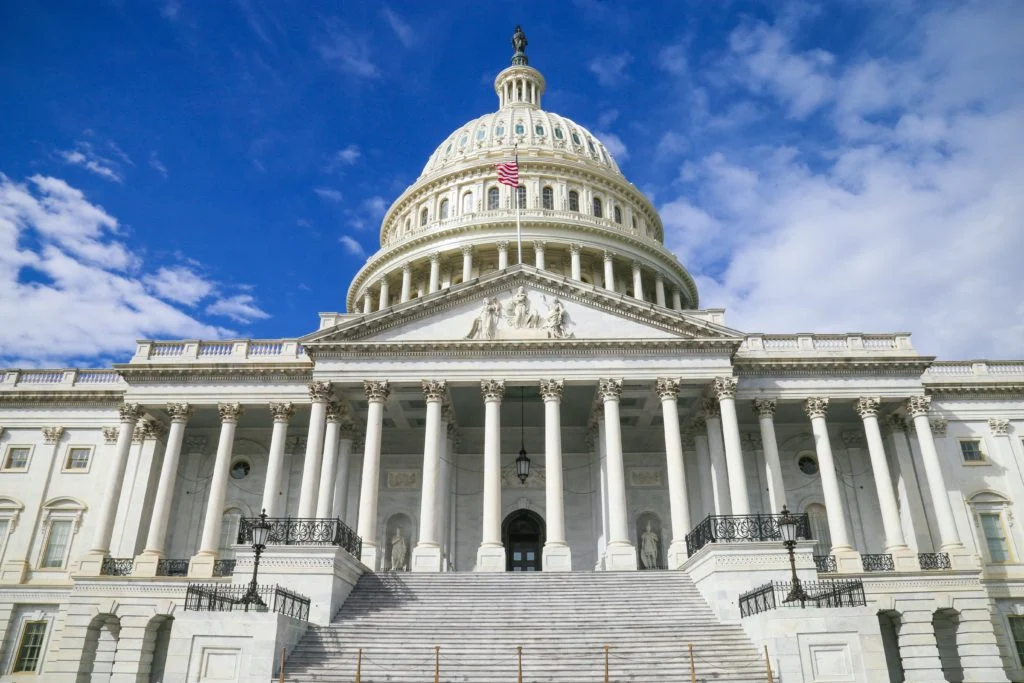
WASHINGTON, DC — In a major development for the nation’s youngest citizens, leading early childhood development advocacy organization ZERO TO THREE has voiced strong encouragement following the release of President Joe Biden’s proposed Fiscal Year 2025 budget. The comprehensive spending plan incorporates vital funding streams explicitly designed to fortify the foundational years of human development, targeting resources toward infants, toddlers, and the families who care for them.
As policymakers on Capitol Hill begin the rigorous appropriations process, child welfare advocates argue that the administration’s blueprint establishes a transformative benchmark for health, economic stability, and care infrastructure in the United States.
Main Facts: What the Fiscal Year 2025 Budget Proposes for Families
The proposed Fiscal Year 2025 federal budget outlines a series of robust investments aimed at alleviating systemic pressures on working parents while nurturing optimal early childhood development. Building directly on themes introduced during the President’s recent State of the Union address, the budget approaches early childhood through a lens of holistic care.
According to policy analysts, the administration’s funding requests center heavily on five pillars long championed by early childhood development advocates:
- Maternal Health: Expanding access to comprehensive prenatal and postpartum care, addressing alarming maternal mortality rates, and extending postpartum Medicaid coverage.
- Infant and Early Childhood Mental Health (IECMH): Directing resources toward specialized mental health supports for infants, toddlers, and caregivers to address trauma and foster healthy emotional bonds.
- Child Care: Investing heavily in affordable, high-quality child care options to ease the financial burden on working families and stabilize the early educator workforce.
- Housing Stability: Funding initiatives targeted at preventing homelessness among families with young children, recognizing that safe and stable housing is foundational to infant development.
- Economic Security: Expanding critical tax credits—such as the Child Tax Credit and the Earned Income Tax Credit—to lift vulnerable babies and toddlers out of poverty.
"If implemented, President Biden’s budget released today will make our nation a better and fairer nation to have and raise a baby," stated Miriam Calderón, Chief Policy Officer at ZERO TO THREE.
Chronology: The Path to the FY 2025 Budget Proposal
The journey toward the Fiscal Year 2025 budget proposal represents the culmination of months of advocacy, grassroots data collection, and legislative maneuvering.
- Late 2023: Across the country, advocacy groups, including ZERO TO THREE, intensified campaigns highlighting the mounting financial and emotional strains facing young parents. Comprehensive national surveys underscored that affordability and family mental health remained premier concerns for households nationwide.
- Early March 2024: In his State of the Union address, President Biden laid out a forward-looking vision aimed at empowering families, lowering child care costs, protecting reproductive and maternal health, and restoring key economic supports for working-class parents.
- Mid-March 2024: The White House officially released its detailed Fiscal Year 2025 budget request to Congress. The document converted the broad strokes of the State of the Union address into concrete funding allocations and policy directives across federal agencies.
- Present Day: Advocacy organizations have mobilized to urge federal legislators to preserve and expand upon these proposed investments as the budget moves through House and Senate committee hearings.
Supporting Data: Why Early Investments Matter
The push for robust federal funding in the FY 2025 budget is anchored by a growing body of neurobiological and sociological research proving that the first three years of life shape an individual’s long-term trajectory.
The Critical Window of Brain Development
During infancy and toddlerhood, a child’s brain forms more than one million new neural connections every second. This rapid period of growth is heavily influenced by the child’s environment, nutrition, security, and interactions with caregivers. Toxic stress—caused by poverty, housing instability, domestic volatility, or inadequate healthcare—can structurally alter developing neural pathways, leading to lifelong learning, behavioral, and health challenges.
The Affordability and Care Crisis
National data collected by family advocacy groups reveals stark realities for modern parents:
- Child Care Costs: In many states, infant care routinely eclipses the cost of in-state college tuition, forcing parents—predominantly mothers—to scale back work hours or leave the workforce entirely.
- Maternal Mortality: The United States continues to face a maternal mortality crisis, with women of color experiencing disproportionately high rates of pregnancy-related complications and death.
- Economic Vulnerability: Young children under the age of three experience poverty at higher rates than any other age group in America, making targeted economic supports like the Child Tax Credit an urgent necessity.
Surveys conducted by organizations like ZERO TO THREE consistently show that modern parents are intensely focused on emotional connection and mental health—often striving to parent more intentionally than previous generations—yet they feel profoundly unsupported by existing social infrastructure. The FY 2025 budget is viewed by proponents as a crucial policy vehicle designed to bridge that gap.

Official Responses and Stakeholder Reactions
The release of the budget has drawn praise from child welfare experts, healthcare professionals, and policy advocates who view the proposals as a vital step forward. However, the path from a presidential proposal to enacted legislation remains complex.
Advocacy Leaders Call for Bipartisan Action
Miriam Calderón of ZERO TO THREE emphasized that while the administration’s blueprint is cause for celebration, the real work is only beginning.
"Now, Congress must work with the Administration to deliver for families and babies," Calderón noted. "We look forward to working with Congressional appropriators and our baby champions on the Hill to make these bold proposals a reality."
Other national organizations focusing on pediatric health, education, and economic justice have similarly rallied behind the budget’s provisions, pointing out that investing in early childhood yields an extraordinary return on investment by reducing future remedial education costs, healthcare expenditures, and criminal justice system involvement.
The Legislative Road Ahead
With a divided Congress, the administration’s proposals face rigorous debate. Appropriators in both the House and the Senate must negotiate spending caps, policy riders, and program allocations before sending final appropriations bills to the President’s desk. Advocates stress that grassroots pressure from constituents—reminding lawmakers that "babies cannot wait"—will be essential in safeguarding these foundational investments from political cuts.
Implications: What This Means for the Future of American Families
If enacted, the provisions within the President’s Fiscal Year 2025 budget could fundamentally reshape the early childhood landscape in the United States.
- Workforce Stabilization: By injecting federal support into the child care sector, the budget helps raise wages for early childhood educators, reducing crippling staff shortages and ensuring that parents can reliably access care so they can remain employed.
- Health Equity: Expanded maternal health initiatives promise to narrow racial disparities in healthcare outcomes, ensuring that more mothers survive childbirth and thrive during the postpartum period.
- Long-Term Economic Resilience: Mitigating early childhood poverty through tax credits and housing assistance strengthens the consumer base, reduces strain on social safety nets, and builds a more resilient, educated future workforce.
As the legislative process unfolds in Washington, organizations like ZERO TO THREE remain steadfast in their mission. They continue to call on policymakers to look past partisan divides and recognize that supporting babies and families is not a partisan issue, but an essential investment in the nation’s collective future.