Beyond the Silence: Navigating Suicide Loss, Grief, and the Lifelong Path to Healing
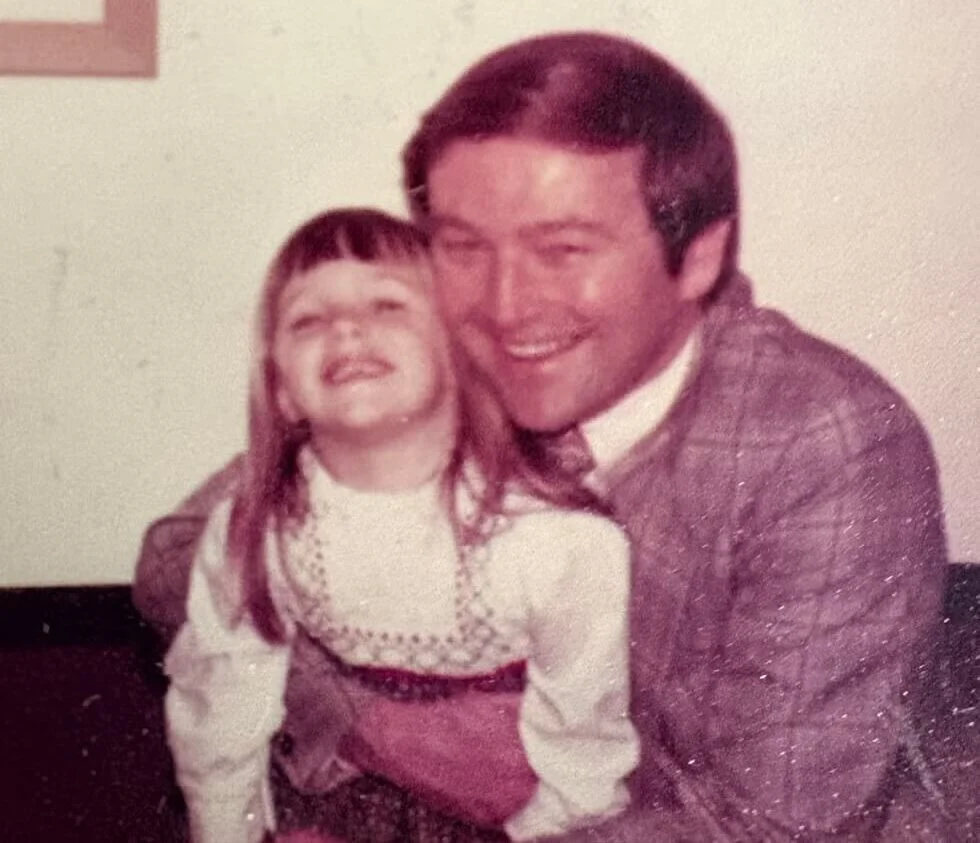
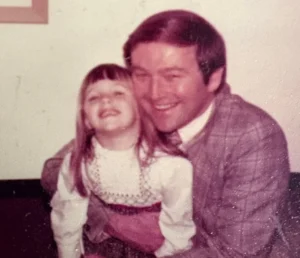
Nearly 30 years after losing her father to suicide, The Jed Foundation’s (JED) Dr. Katie Hurley reflects on the lingering questions, the enduring memories, and the critical lessons she has learned about supporting others through profound grief.
Introduction: Reaching the Milestone
When Dr. Katie Hurley turned 52 this year, she reached a deeply personal and emotional milestone—one that she had been contemplating for decades. Her father was exactly 52 years old when he died by suicide in 1998. At the time of his passing, Katie was just 23 years old, right in the middle of pursuing her master’s degree in social work.
Now, nearly three decades later, she is a mother of two, a practicing therapist, an accomplished author, and the Vice President of Community Initiatives at The Jed Foundation (JED), a leading national nonprofit dedicated to protecting emotional health and preventing suicide among teens and young adults.
Reaching the exact age her father was when he died brought back a rush of familiar, complex emotions. It evoked a series of poignant reflections that many survivors of suicide loss know all too well. There have been other monumental life moments over the years—her wedding day, the births of her children, and a personal battle with cancer—when she instinctively reached out for her father, only to be met with the painful reminder that he was not there.
Even with decades of professional training, clinical experience, and personal growth under her belt, Dr. Hurley still finds herself returning to the very same haunting questions she faced at age 23: Were there signs? Should she have recognized what he was going through? Could she have done something differently?
"We only know what we know," Katie reflects. Looking back with the benefit of hindsight and professional maturity, she can identify subtle shifts in her father’s behavior that she simply lacked the context to understand at the time. Yet, her experience underscores a harsh reality of mental health: warning signs are notoriously difficult to spot, even for seasoned professionals who are trained to look for them.
Chronology of a Journey: From Loss to Advocacy
1998: The Turning Point
In 1998, the landscape of mental health awareness and suicide prevention was vastly different from today. When Katie’s father died, her family was thrust into a state of shock, navigating an isolating maze of grief without a clear roadmap. For months, they struggled simply to find the words to explain what had happened to friends, extended family, and the community.
The pervasive social stigma surrounding suicide cast a heavy shadow over their mourning process. Even well-meaning individuals who deeply cared for the family often stumbled over their words, avoiding the topic out of fear or discomfort. This period of silence exacerbated the trauma of the loss, leaving a young Katie to shoulder an immense emotional burden while trying to complete her education in social work.
The Professional Evolution and Motherhood
In the years following her father’s death, Katie channeled her pain into purpose. Earning her degree in social work became more than an academic pursuit; it transformed into a lifelong vocation. She dedicated her career to understanding child psychology, adolescent mental health, and family dynamics, eventually writing books and stepping into prominent leadership roles in the mental health sector.
As she navigated major life milestones—marrying, building a career, and raising two children—the absence of her father remained a steady, quiet undercurrent. Each milestone served as both a celebration of her resilience and a poignant reminder of the person she wished she could share it with.
The 52nd Milestone and the AFSP Walk
Reaching age 52 prompted Dr. Hurley to confront her grief in a public and communal way. Rather than letting the milestone pass quietly, she invited her siblings and her mother to join her at an American Foundation for Suicide Prevention (AFSP) Out of the Darkness walk.
Gathering together to walk in her father’s honor allowed the family to bridge the generational gap of their grief. At the event, Dr. Hurley spoke openly about her father, sharing the unresolved questions she had carried for nearly thirty years and connecting with a broader community of survivors. For Katie, marking the milestone was a testament to the fact that while grief changes over time, love and memory endure.
Supporting Data and the Landscape of Suicide Loss
The experience of losing a loved one to suicide is far more common than many realize, yet it remains one of the most socially isolated forms of grief. According to the Centers for Disease Control and Prevention (CDC) and public health data, tens of thousands of Americans die by suicide each year, leaving behind millions of "survivors of suicide loss"—family members, friends, and colleagues who are profoundly impacted by the death.
Research in the field of suicidology highlights several key data points regarding the aftermath of suicide loss:
- The Ripple Effect: Studies indicate that a single suicide can deeply impact anywhere from 60 to 135 people, ranging from immediate family members to coworkers and acquaintances.
- The Risk of Complicated Grief: Survivors of suicide loss are at an elevated risk for developing complicated grief, major depressive disorder, and post-traumatic stress disorder (PTSD) compared to those grieving natural deaths. This is largely driven by the suddenness of the loss and the lingering, unanswered questions surrounding the event.
- The Silence Barrier: Societal stigma continues to be a primary barrier for survivors. Many people report feeling abandoned or isolated by their social networks weeks after a funeral, as friends and community members struggle to sustain long-term support.
Dr. Hurley’s personal narrative mirrors these research findings, particularly regarding the critical window of isolation that occurs weeks after a tragedy.
Official Responses and Insights from The Jed Foundation
As Vice President of Community Initiatives at The Jed Foundation, Dr. Hurley approaches suicide prevention and postvention (support after a suicide) with a unique blend of personal empathy and clinical authority. JED is a national nonprofit powerhouse that works with high schools, colleges, and communities to equip teens and young adults with the skills and support systems they need to navigate emotional distress.
Changing the Conversation on Suicide
Reflecting on the nearly three decades since her father’s death, Dr. Hurley notes that society has made meaningful, tangible progress in how we discuss mental health and suicide. Conversations that were once shrouded in secrecy and shame are now taking place in classrooms, boardrooms, and living rooms. Public awareness campaigns, celebrity disclosures, and destigmatizing initiatives have paved the way for individuals to seek help earlier and more often.
Furthermore, institutional responses to suicide loss have evolved. Schools and workplaces are increasingly adopting structured postvention protocols—guidelines that help communities heal, prevent suicide contagion, and support grieving individuals without sensationalizing the loss.
The Danger of the "Third Week" Silence
One of Dr. Hurley’s most powerful insights as both a clinician and a survivor pertains to the timeline of grief support. When her father died, the immediate aftermath was a blur of activity: friends and neighbors brought casseroles, sent sympathy cards, and checked in daily.
However, as the weeks rolled on, that initial wave of community support inevitably receded.
"The hardest part is that third week," Dr. Hurley says. "It’s like everything goes silent."
This phenomenon—where the broader community returns to its normal routine while the grieving family is still grappling with the raw reality of their new life—is a primary driver of isolation among survivors. Dr. Hurley strongly encourages friends, extended family, and colleagues to maintain long-lasting lines of communication.
Best Practices for Supporting Survivors
Drawing from both her professional expertise and personal journey, Dr. Hurley offers actionable guidance for anyone looking to support a loved one grieving a suicide loss:
- Don’t Disappear: Recognize that grief does not have a 30-day expiration date. Continue to check in months—and even years—after the loss.
- Say Their Name: A common pitfall is avoiding mentioning the deceased person out of fear that it will make the survivor sad or trigger tears. In reality, survivors deeply appreciate hearing their loved one’s name and knowing they are not forgotten.
- Validate the Hard Days: Acknowledge specific milestones, death anniversaries, and holidays. Simply stating, "I know today is a hard day, and I’m thinking of you," can provide immense comfort.
- Offer Practical Help: Instead of asking, "Let me know if you need anything," offer specific assistance, such as running an errand, dropping off a meal, or sitting quietly with them.
Implications: Preserving Memories and Continuing the Work
While the tragedy of her father’s death remains a defining chapter in Dr. Hurley’s life, her story is ultimately one of profound resilience, connection, and hope. By sharing her journey, she helps dismantle the isolation that so often accompanies suicide loss.
More Than the Manner of Death
When Dr. Hurley speaks of her father, she refuses to let his life be entirely defined by how it ended. Instead, she anchors her memory in the vibrant, sensory details of who he was.
She often recalls the old wooden Chris Craft boat he owned. As a young child, Katie was terrified of it; the engine was loud, the smell was overwhelming, and the sensation of pulling away from the dock induced panic. Rather than forcing her onto the water, her father demonstrated patience and empathy. He invited her to sit with him on the stationary boat while it was tied securely to the dock.
Eventually, at five years old, her fear subsided, and she agreed to go for a ride. She remembers sitting right beside him on the Long Island Sound, holding his hand as the boat accelerated, feeling the sharp, exhilarating wind on her face. To this day, it remains one of her most cherished memories of him—a symbol of patience, gentle guidance, and deep paternal love.
A Legacy of Hope
Dr. Hurley’s openness serves as a vital reminder that healing is not about finding all the answers or erasing the pain of the past. Rather, it is about learning how to carry the grief forward while building a life rich in purpose, connection, and compassion. Through her work at The Jed Foundation and her advocacy within the survivor community, she ensures that her father’s memory lives on—not just in her heart, but in the countless lives she touches through her dedication to mental health advocacy.
Dr. Katie Hurley shared her story as part of JED’s International Survivors of Suicide Loss Day campaign. You can read more stories, access resources, and share a memory of your own here.
Need Help?
If you or someone you know is in crisis or needs support right now, text, call, or chat 988, or text HOME (or HOLA) to 741-741 to reach the Crisis Text Line.