Empowering the Future: Inside the ZERO TO THREE Early Childhood Resource Center
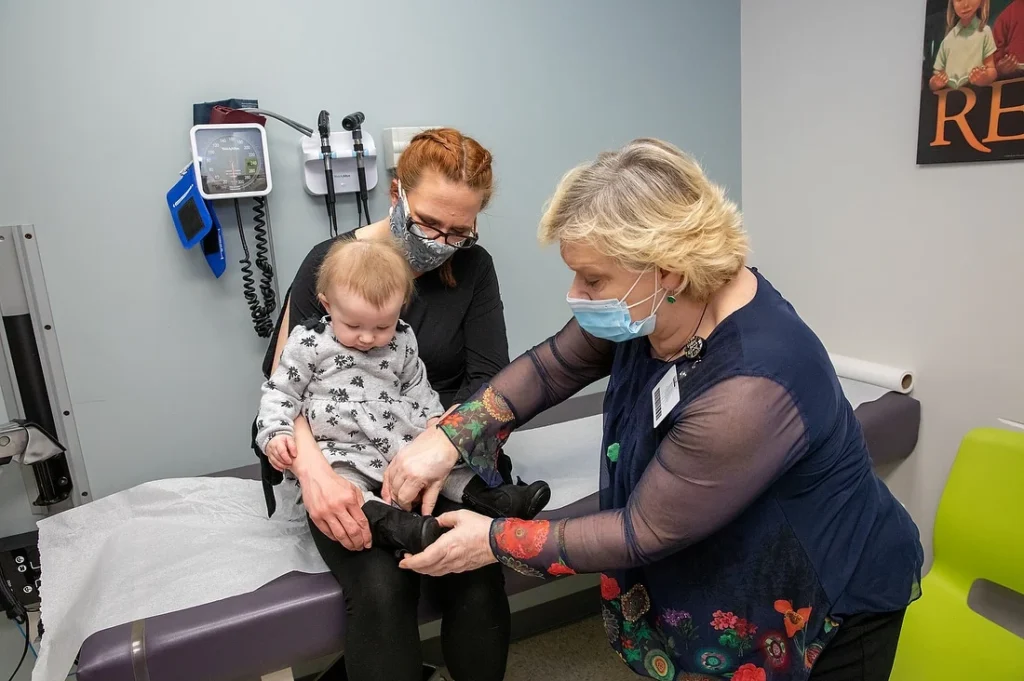
The first three years of a human life represent the most foundational period of development. During this narrow window, the brain undergoes a process of rapid expansion, building the neural architecture that will dictate a child’s capacity for learning, emotional regulation, and social connection for decades to come. Recognizing the critical importance of this period, the organization ZERO TO THREE has established itself as the preeminent authority on infant and toddler development. Their comprehensive Early Childhood Resource Center stands as a testament to four decades of advocacy, research, and dedicated support for the professionals and families tasked with nurturing the next generation.
The Foundation: Decades of Advocacy and Expertise
For over forty years, ZERO TO THREE has operated at the intersection of neuroscience, public policy, and clinical practice. What began as a visionary effort to elevate the status of early childhood development has evolved into a robust, multi-faceted organization that provides the bedrock for modern pediatric care and early education strategies.
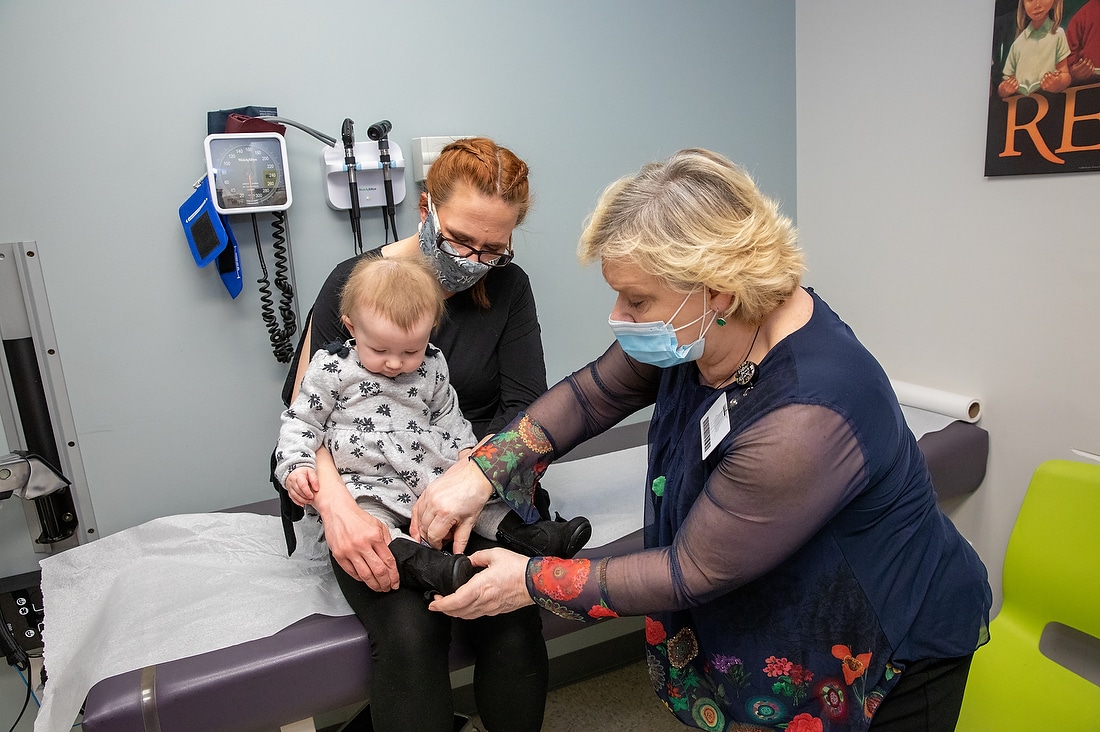
The organization’s mission is anchored in the belief that early connections last a lifetime. By synthesizing complex scientific data into actionable resources, ZERO TO THREE bridges the gap between laboratory research and the living room, as well as the classroom. Their Resource Center acts as a centralized repository for this knowledge, offering more than 2,000 curated items designed to empower parents, caregivers, and industry professionals.
Chronology of Development: From Theory to Practice
The evolution of ZERO TO THREE mirrors the growth of the field of Infant and Early Childhood Mental Health (IECMH).

- The Foundational Years: Initially focused on establishing the importance of the infant-parent bond, the organization spent its early years lobbying for the recognition that babies are not just "mini-adults" but individuals with distinct developmental needs.
- The Expansion Phase: As the 1990s and 2000s saw a surge in neuroscientific breakthroughs—specifically regarding brain plasticity—ZERO TO THREE expanded its mandate to include policy advocacy, focusing on high-quality child care and systemic support for families.
- The Digital Era: With the launch of their comprehensive digital Resource Center, the organization transitioned into a global hub. By utilizing sophisticated filtering, they have made specialized information accessible to those in underserved communities and remote areas.
- The Modern Frontier: Today, the organization is tackling contemporary challenges, such as the intersection of artificial intelligence with early childhood, the "child care paradox" (where families pay more while providers earn less), and the long-term impacts of global crises on early brain development.
Supporting Data: Why the First Three Years Matter
The urgency behind the work at the ZERO TO THREE Resource Center is backed by compelling data. The brain develops more rapidly in the first 1,000 days of life than at any other time. During this period, more than one million new neural connections are formed every second.
However, this vulnerability is a double-edged sword. Research featured within the center highlights that:

- Trauma Impacts: Early exposure to toxic stress—whether through neglect, abuse, or environmental instability—can fundamentally alter the architecture of a developing brain.
- Economic Realities: Current market analysis shows a "child care paradox" that threatens the stability of the sector. When families are priced out of care and educators are paid poverty wages, the quality of early environments inevitably declines.
- Language Acquisition: Data on linguistic development confirms that the quality and quantity of "serve-and-return" interactions (the back-and-forth communication between a baby and caregiver) are the primary predictors of future literacy and cognitive success.
Categories of Resources: A Deep Dive
The Resource Center is categorized to serve a diverse audience, ensuring that whether a user is a parent, a pediatrician, a policy advocate, or an early educator, they find tailored information.
1. Professional Development and Conferences
For educators and clinicians, the hub offers a curated list of webinars, workshops, and high-level conferences. These are designed to keep practitioners updated on the latest evidence-based practices, such as trauma-informed care and sensory integration techniques.

2. Teaching Tools and Interactive Media
The library includes practical guides for classroom settings. From free STEM-focused curricula—such as the "Problem Solvers" series, which uses play-based learning to introduce math and engineering—to resources on screen-time management, the tools are designed for immediate application.
3. Advocacy and Policy Toolkits
Recognizing that individual efforts must be supported by structural change, ZERO TO THREE provides advocacy toolkits. These resources equip individuals with the talking points, research, and legislative templates needed to push for policy changes that support maternal mental health and universal access to quality child care.

4. Specialized Demographic Support
The center acknowledges that "one size does not fit all." Dedicated sections exist for military families navigating the unique stressors of deployment, as well as families involved in the child welfare system. These resources provide culturally sensitive and context-specific guidance.
Featured Insights: Addressing Contemporary Issues
The Resource Center is not a static library; it is a dynamic, evolving platform that addresses the "buzzwords" and emerging realities of the 21st century.
The AI Question: One of the most forward-thinking sections of the site explores the role of artificial intelligence in the lives of preschoolers. As smart speakers and AI-driven toys become common in the home, the organization provides essential guidance for parents to ensure these tools are used to enhance, not replace, human connection.
Maternal Mental Health: The organization continues to lead the conversation on the link between prenatal health and brain development. By highlighting how a mother’s emotional and physical well-being acts as the primary environment for a fetus, they promote a holistic view of health that begins before birth.

The Quality Child Care Guarantee: Through "The Case for Better Compensation," ZERO TO THREE is pushing for a systemic shift in how society values early educators. They argue that until society treats early childhood education as a professional career requiring competitive pay, the "quality" of care will remain an elusive goal for many families.
Official Responses and Organizational Vision
Leadership at ZERO TO THREE emphasizes that the Resource Center is not merely a website; it is an infrastructure for a "Baby-Friendly" society. By encouraging users to become members, the organization facilitates a network where practitioners can share best practices and collectively influence state and federal policy.

"We are building a movement," says a spokesperson for the organization. "When we provide a tool that helps a caregiver understand why a child is having a tantrum, or when we provide a policymaker with the data to justify a budget increase for early intervention, we are shifting the trajectory of that child’s life. Every resource we publish is a brick in the foundation of a healthier society."
Implications: The Long-Term Impact of Early Intervention
The implications of the work done by the ZERO TO THREE Resource Center extend far beyond the immediate needs of a family. They are, in effect, performing a long-term economic and social audit of the nation’s future.

- Reduced Societal Costs: Early intervention in cases of trauma or developmental delay significantly reduces the need for expensive social services, special education, and juvenile justice intervention later in life.
- Workforce Stability: By advocating for sustainable child care models, the organization directly supports the current workforce, allowing parents to remain productive while knowing their children are in developmentally rich environments.
- Human Capital Development: When a child’s brain is nurtured through the first three years, their capacity for critical thinking, empathy, and resilience is optimized. This is the ultimate investment in a nation’s human capital.
How to Utilize the Hub
For those ready to engage, the Resource Center is designed to be highly navigable. Users can search through over 2,000 assets using advanced filters that narrow results by topic, audience, age range, and even specific project areas.
Whether you are looking for the "Baby Brain Map" to understand developmental milestones, or you are a professional seeking to join a community of practice, the platform serves as a one-stop-shop. The invitation is open: visit their online bookstore, attend their annual conference, or sign up for periodic email updates to stay informed.

Conclusion: Joining the Mission
The goal of ensuring every child has a strong start in life is an ambitious one that requires the participation of the entire community. By offering a comprehensive, evidence-based, and highly accessible resource center, ZERO TO THREE is providing the tools necessary to turn that vision into a reality.
As the organization continues to grow its library and expand its advocacy efforts, it remains the standard-bearer for the importance of the earliest years. Whether you are a parent, an educator, a researcher, or an advocate, the resources available through ZERO TO THREE are not just informational—they are transformative. By tapping into these assets, you are contributing to a culture that recognizes the profound truth that what happens in the first three years stays with a child for a lifetime.

To take the next step in your journey, visit the ZERO TO THREE official website and explore the hub today. Join the mission to be a "Baby Champion" and ensure that the foundational years of our children are treated with the care, scientific rigor, and advocacy they deserve.