First Amendment Victory: Bakersfield College Professor Settles Landmark DEIA Lawsuit
By Editorial Staff
Updated July 10, 2026
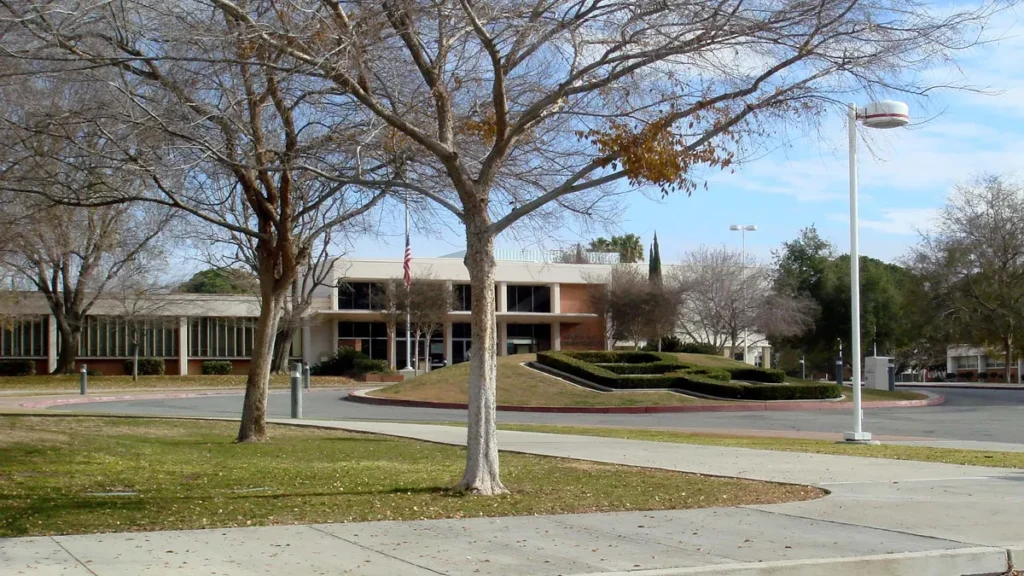
In a legal development that could reverberate across the landscape of American higher education, Bakersfield College professor Daymon Johnson has reached a permanent settlement with his institution. The agreement effectively exempts the history professor from being required to incorporate Diversity, Equity, Inclusion, and Accessibility (DEIA) principles into his teaching or scholarship. The settlement, finalized on July 9, 2026, marks the conclusion of a contentious legal battle that pitted the state’s standardized mandates against the academic freedom of individual faculty members.
The resolution transforms a preliminary injunction granted by U.S. District Judge Kirk Sherriff in February 2026 into a permanent mandate, shielding Johnson from state-imposed ideological requirements. While the settlement applies exclusively to Johnson, legal scholars suggest it may provide a roadmap for other faculty members nationwide who view mandatory DEIA compliance as a form of "compelled speech."
The Core Conflict: DEIA vs. Academic Freedom
The controversy originated from a 2023 policy shift within the California Community College (CCC) system, the largest higher education network in the United States. Under these new regulations, the system mandated that faculty members "employ teaching, learning, and professional practices that reflect DEIA and anti-racist principles." Perhaps most controversially, the regulations tied faculty evaluations and tenure reviews to "DEIA-related competencies."
For Johnson and his legal team at the Institute for Free Speech (IFS), these requirements represented a fundamental overreach by the state. Johnson’s lawsuit alleged that the mandates violated his First Amendment rights by compelling him to express viewpoints—specifically those centered on anti-racism and institutional equity—that he did not personally hold.

The case drew sharp lines between two competing visions of higher education. Supporters of the California mandate argued that DEIA principles are essential for fostering inclusive environments that mirror the diversity of the student body. Conversely, critics, including the IFS, labeled the regulations as "state-imposed wokeism," arguing that universities should be marketplaces of ideas rather than conduits for government-sanctioned ideologies.
Chronology of a Legal Battle
The legal escalation followed a period of growing tension between faculty dissenters and the college administration.
- 2023: The California Community College Board of Governors adopts formal regulations requiring the integration of DEIA principles across all facets of faculty performance, from classroom instruction to research and professional service.
- Late 2023: Daymon Johnson, a vocal critic of the new regulations, initiates a lawsuit in federal court, naming Bakersfield College administrators as defendants. He contends that the policy forces him to adopt and propagate an ideological framework as a condition of his employment.
- February 2026: U.S. District Judge Kirk Sherriff issues a preliminary injunction. In his ruling, Sherriff signaled that Johnson was likely to succeed on the merits of his First Amendment claim, noting the constitutional concerns regarding "compelled speech."
- July 9, 2026: A final settlement is reached. Bakersfield College agrees that it will not require Professor Johnson to use DEIA principles in his teaching, scholarship, or evaluations.
- July 10, 2026: The settlement is formally updated and processed, making the injunction permanent for the plaintiff.
The Role of The Renegade Institute for Liberty
Central to the dispute was Johnson’s leadership of the "Renegade Institute for Liberty," a faculty-led organization at Bakersfield College. The group was established to serve as a counterweight to what members perceived as an ideological monoculture on campus.
According to its mission statement, the Renegade Institute is dedicated to the advancement of "American ideals within the broader Western tradition of meritocracy, individual agency, civic virtue, liberty of conscience, and free markets." Throughout his tenure at the college, Johnson alleged that administrators "villainized" members of the group, creating a hostile environment for those who questioned the prevailing administrative consensus.
The institute’s existence became a focal point in the lawsuit, as Johnson argued that the administration’s focus on DEIA compliance was designed to marginalize faculty members who held traditional or classical liberal views. By tying professional advancement to specific DEI metrics, Johnson argued, the college effectively silenced dissenters and penalized those who prioritized academic neutrality over social activism.

Official Responses and Legal Perspectives
The settlement has drawn strong reactions from both sides of the ideological aisle. Alan Gura, the Vice President for Litigation at the Institute for Free Speech and Johnson’s lead counsel, framed the outcome as a major victory for the constitutional protections of educators.
"California cannot demand that community college professors conform their speech to an official government ideology—including so-called ‘DEI’ and anti-racist ideologies," Gura stated following the agreement. "Professor Johnson spent years fighting for the First Amendment right that every American professor should take for granted: the right to teach honestly, think freely, and speak his mind without being forced to endorse a government-approved belief system."
For the college and the broader CCC system, the settlement represents a complex challenge. While the institution agreed to the terms, it stopped short of abandoning its commitment to DEIA principles for the general faculty. The settlement is strictly limited to Professor Johnson, leaving the underlying state regulations intact for the vast majority of California’s community college instructors.
Broader Implications for Higher Education
The Bakersfield College case is part of a growing national trend where the "culture wars" have migrated into the administrative and evaluative functions of higher education. Across the country, state legislatures have introduced bills either to mandate or to ban DEI-related policies, creating a fragmented legal landscape for public universities.
1. The Precedent of "Compelled Speech"
The success of Johnson’s lawsuit hinges on the "compelled speech" doctrine. Courts have historically held that the government cannot force individuals to utter messages they disagree with. By making tenure and promotion contingent on demonstrating "anti-racist" competencies, the California policy may have inadvertently invited constitutional challenges that could reach the Supreme Court.

2. The Future of Faculty Evaluations
Many institutions are now evaluating whether "DEIA statements"—often required during hiring and promotion—are legally sustainable. If other courts follow Judge Sherriff’s logic, universities may be forced to decouple professional evaluations from ideological adherence, returning to traditional metrics like pedagogical effectiveness, research output, and service to the institution.
3. Institutional Autonomy vs. State Mandates
The case also raises questions about the extent to which state governments can dictate the "ideological character" of public institutions. While states have a right to manage public funds, the First Amendment rights of professors acting in their capacity as scholars create a buffer that states must navigate carefully.
Conclusion: A Shift in the Academic Climate?
The settlement in the Bakersfield College case serves as a high-profile reminder that the administrative push for standardized DEIA training faces significant constitutional hurdles. While the California Community College system continues to advocate for its vision of inclusivity, the victory for Daymon Johnson highlights the persistent and vocal resistance among faculty who demand ideological diversity.
As higher education enters the 2026-2027 academic year, the questions raised by this case remain unresolved for most faculty. Will colleges continue to enforce these mandates, or will the threat of similar litigation lead to a "de-escalation" of mandatory ideological requirements? For now, the case of Johnson v. Bakersfield College stands as a benchmark in the ongoing debate over the boundaries of speech, academic freedom, and the purpose of the modern university.
Disclaimer: This article is based on recent legal developments. As with all legal settlements, the specific terms apply only to the parties named. The broader legal landscape regarding DEIA mandates in public education continues to evolve in state and federal courts.