Navigating the Digital Playground: A Comprehensive Guide to Safer Social Media and Hidden Hazards for Children Under 13
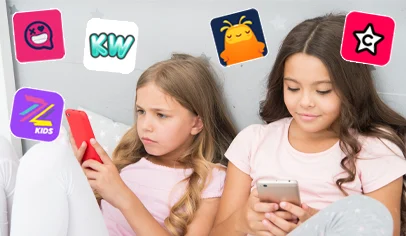
In today’s hyper-connected digital landscape, social media and online networking have become as ubiquitous as the neighborhood playground once was. Children are discovering and adopting digital platforms at younger ages than ever before. While these technologies offer unprecedented opportunities for connection, creative expression, and educational exploration, they also present profound risks.
Parents, educators, and child psychologists find themselves navigating uncharted territory, balancing the benefits of digital literacy with the very real dangers of online exploitation, cyberbullying, algorithmic addiction, and exposure to inappropriate content. To help families navigate this complex ecosystem, we have evaluated the current digital landscape, highlighting platforms designed with child safety at their core, alongside popular mainstream apps that present hidden hazards for children under 13.
The Main Facts: The Digital Realities Facing Today’s Youth
The statistics surrounding children’s internet and social media usage paint a picture of rapid integration. Recent studies from organizations such as the Pew Research Center and Common Sense Media indicate that a vast majority of children begin using tablets and smartphones before the age of six, and significant percentages of children aged 8 to 12 are actively engaging with platforms officially designated for teenagers and adults.
The core tension of the modern digital age lies in the dichotomy of these platforms:
- The Promise: Digital spaces can foster peer connection, allow children to share artistic and musical creations, build communities around niche hobbies, and develop technological literacy critical for the future workforce.
- The Peril: Unfiltered algorithms, lack of robust age-verification mechanisms, ephemeral messaging, and unmoderated peer-to-peer interactions expose vulnerable minds to content and individuals far beyond their developmental maturity.
Recognizing this landscape, software developers and entrepreneurs have attempted to carve out a middle ground: walled-garden apps equipped with strict parental controls, human moderation, and closed ecosystems designed specifically for children under 13. Simultaneously, mainstream applications continue to struggle with keeping underage users off their platforms, prompting intense regulatory scrutiny worldwide.
Chronology: The Evolution of Kids’ Digital Spaces
To understand how we arrived at the current bifurcated market of "child-safe" and "not-so-safe" apps, it is helpful to look back at the historical milestones of children’s online engagement:
- The Early 2000s (The Web 1.0 Era): Children’s online engagement was largely restricted to desktop computers via curated educational websites, early virtual worlds like Club Penguin, and basic message boards. Parental oversight was primarily physical, happening over the shoulder of the user.
- The Mobile Revolution (2010–2015): The rise of smartphones and tablets shifted internet access from communal family computers to personal, pocket-sized devices. Applications like YouTube and early messaging platforms became central to childhood entertainment, bypassing traditional web browsers.
- The Algorithmic Boom (2016–2020): Short-form video platforms and algorithmic recommendation feeds exploded in popularity. Mainstream apps like TikTok, Instagram, and Snapchat captured the attention of pre-teens, leading to widespread usage well below the federally mandated Children’s Online Privacy Protection Act (COPPA) age threshold of 13.
- The Safety-First Counter-Movement (2021–Present): In response to mounting legislative pressure, psychological studies on teen mental health, and parental backlash, a new wave of dedicated child-centric social platforms emerged. Concurrently, major tech companies began introducing mandatory parental supervision tools, time limits, and stricter default privacy settings for minors.
Supporting Data: The Safety Spectrum of Apps for Under-13s
Navigating the app store can be overwhelming for parents. Below is an exhaustive breakdown of platforms explicitly marketed toward children under 13 (or structured with heavy safety frameworks), contrasted with mainstream apps that carry hidden risks.
Somewhat Safe: Platforms Designed for Children Under 13
These platforms prioritize moderation, privacy, and parental oversight, making them considerably safer alternatives to mainstream networks.
1. Kidzworld (Ages 9–16)
Kidzworld is a pioneer in moderated social networking for children and teens. The platform features strict human moderation, an ad-free environment, and dedicated forums covering safe topics like gaming and fashion. Crucially, it provides robust parental controls, allowing guardians to monitor interactions closely.
2. Grom Social (Ages Under 13)
Positioned as a network "created by kids for kids," Grom Social emphasizes positivity and safety. It allows children to share media, build profiles, and send private messages within a tightly monitored ecosystem that prevents external predatory contact.
3. YouTube Kids (Ages 4–12)
While not a traditional social network, YouTube Kids acts as a massive video-sharing hub tailored to younger audiences. It deploys a combination of automated filters, human review, and customizable parental controls (such as blocking specific channels or locking content to approved collections) to shield young minds from adult themes.
4. Messenger Kids (Ages Under 13)
Developed by Meta, Messenger Kids bridges the communication gap for younger children wanting to talk to family and friends. Because children cannot create accounts independently—parents must manage the contact list through their own Facebook accounts—every connection is pre-approved, eliminating stranger danger.
5. PopJam (Ages 7–12)
PopJam encourages creative expression through art, quizzes, and games. Its standout feature is 100% pre-moderation: every single user-generated drawing or comment is reviewed by human moderators before it appears publicly, ensuring a completely sanitized, positive environment.
6. Zigazoo (Ages 6–12)
Zigazoo blends video-sharing creativity with interactive learning. Children participate in positive challenges and educational prompts. With rigorous moderation and privacy controls, it fosters a collaborative community where young minds can share ideas securely without the toxicity found on adult video networks.
7. Coverstar (Ages Young Aspiring Creators)
Coverstar is designed for young artists and creators who want to explore digital trends and video challenges. By prioritizing strict privacy controls, content screening, and age-appropriate algorithms, it allows aspiring influencers to practice digital creation safely.
8. Azoomee (Ages 5–12)
Azoomee functions as an all-in-one hub of educational games, videos, and creative activities. The platform focuses heavily on cognitive development and safe social interaction, backed by careful curation that gives parents peace of mind.
9. Justalk Kids (Ages 7–12)
Justalk Kids is a dedicated video-calling and messaging application. It relies entirely on a parent-managed contact list, pairing fun features like stickers and emojis with ironclad security controls to ensure all communication remains wholesome and age-appropriate.
Not-So-Safe: High-Risk Platforms for Children Under 13
Despite terms of service that typically bar children under 13 from registering, millions of pre-teens bypass these barriers daily. These platforms present significant developmental and safety hurdles:
1. TikTok
Driven by an aggressive, addictive recommendation algorithm, TikTok exposes children to adult humor, dangerous physical challenges, and rapidly shifting trends. Because age verification is easily bypassed during sign-up, young children frequently encounter content that far exceeds their emotional and cognitive capacity to process.
2. Roblox
Roblox occupies a unique grey area. While it features parental controls and filtered chat for younger accounts, its immense catalog of millions of user-generated games makes it impossible to police entirely. Children can easily encounter inappropriate user-generated content, unmoderated peer interactions, and predatory actors exploiting the platform’s chat features.
3. Snapchat
Snapchat’s core design relies on ephemeral (disappearing) content, which fosters a false sense of security among children who mistakenly believe their digital footprints vanish. Furthermore, features like "Snap Map" can inadvertently broadcast a child’s real-time geographic location to peers and strangers alike, presenting severe physical safety risks.
4. Instagram (Including Threads and X Integration)
Instagram’s heavy visual focus is strongly linked to self-esteem issues, body image anxieties, and peer comparison among young users. Even with private accounts, direct messaging capabilities and the open "Explore" feed can expose children to inappropriate imagery and addictive usage patterns.
5. Discord
Originally built as a chat platform for gamers, Discord relies heavily on private servers, direct messaging, and voice channels. Many servers lack adequate moderation, and because private chats are exceptionally difficult for parents to monitor, children on Discord are prime targets for grooming and peer exploitation.
Official Responses and Regulatory Pressure
Governments, child advocacy groups, and regulatory bodies worldwide are increasingly stepping in to address the safety gaps left by tech corporations.
Legislators in the United States, the European Union, and Australia are actively debating or implementing strict digital safety laws. The proposed Kids Online Safety Act (KOSA) in the United States, for instance, aims to force social media companies to provide minors with default privacy settings, disable addictive features like infinite scroll, and mandate independent audits of algorithmic recommendations.
In official statements, major platforms frequently defend their safety measures, pointing to the introduction of "Family Pairing" tools, supervised accounts, and age-estimation technologies. However, consumer protection watchdogs and congressional hearings have repeatedly highlighted that voluntary compliance has failed, driving calls for legally mandated age-verification standards across all digital platforms.
Implications for Families and the Future
The debate over children and social media is far more than a technological discussion—it is a societal turning point. The choices made today by developers, legislators, and parents will shape the psychological well-being and digital literacy of an entire generation.
Key Takeaways for Parents and Guardians:
- Delay Mainstream Apps: Respect platform age limits (typically 13) as legitimate safety boundaries rather than arbitrary bureaucratic rules.
- Utilize "Walled Gardens": For younger children eager to explore digital creation, utilize dedicated, moderated apps like Zigazoo, Kidzworld, or Messenger Kids.
- Co-Engage and Communicate: Technology should not replace parenting. Regularly sit down with children to discuss their online lives, examine their favorite games, and establish clear boundaries around screen time and location sharing.
- Enforce Technical Safeguards: Turn on all available parental controls, disable location tracking on apps where it is not necessary, and restrict unsupervised internet access in private spaces like bedrooms.
As the digital frontier continues to expand, vigilance, education, and thoughtful platform design will remain our best defenses in ensuring that technology serves as a tool for enrichment rather than a hazard for our children.