Navigating the Frontier: How California Educators Are Shaping the Future of AI in the Classroom
As the rapid evolution of Artificial Intelligence continues to reshape global industries, the education sector finds itself at a critical crossroads. For many school administrators and teachers, the question is no longer whether AI will influence the classroom, but rather how to harness its potential effectively and ethically. A new report from the Center on Reinventing Public Education (CRPE), conducted in partnership with the Silicon Schools Fund’s "AI Exploration Community of Practice," offers a grounded, pragmatic look at what happens when educators move from speculation to implementation.
The study, which spans two years of intensive observation, suggests that the path to AI integration is not paved with overnight technical breakthroughs. Instead, it is a journey of building professional judgment, identifying specific pedagogical use-cases, and fostering a culture of responsible experimentation.
The Main Facts: Moving Beyond the Hype
The CRPE’s research highlights a fundamental shift in how we should evaluate the success of AI in schools. For years, the ed-tech sector has been driven by a "solutionism" mindset—the belief that a new tool will inevitably produce immediate, measurable gains in student test scores. However, the Silicon Schools Fund pilot programs demonstrate that the early stages of AI adoption are more about human development than software output.
The core finding is this: The primary value of AI pilots in their current stage is the cultivation of educator judgment. By testing AI-enabled solutions, teachers and administrators are moving beyond abstract fears or unfounded excitement. They are learning to discern when AI adds value to the learning process and, crucially, when it acts as a distraction or a hindrance.
"Early AI implementation may produce better judgment and clearer uses for the technology before measurable improvements in practice," the report notes. This observation serves as a necessary reality check for policymakers and stakeholders who might be expecting a "silver bullet" solution to long-standing achievement gaps.
Chronology of the AI Exploration Community
The two-year study followed a deliberate, iterative process designed to mirror the scientific method within a school environment.
Year One: Discovery and Exposure
In the inaugural phase, the focus was on demystification. The Silicon Schools Fund facilitated a community of practice where educators from 18 California schools were introduced to various AI tools. The goal was to lower the barrier to entry, allowing teachers to play with large language models, automated grading systems, and personalized learning platforms. During this period, the primary outcome was not student-facing results, but rather teacher literacy. Educators began identifying the "pain points" in their daily workflows that AI might theoretically address, such as lesson planning, email correspondence, and formative assessment design.
Year Two: Piloting and Reflection
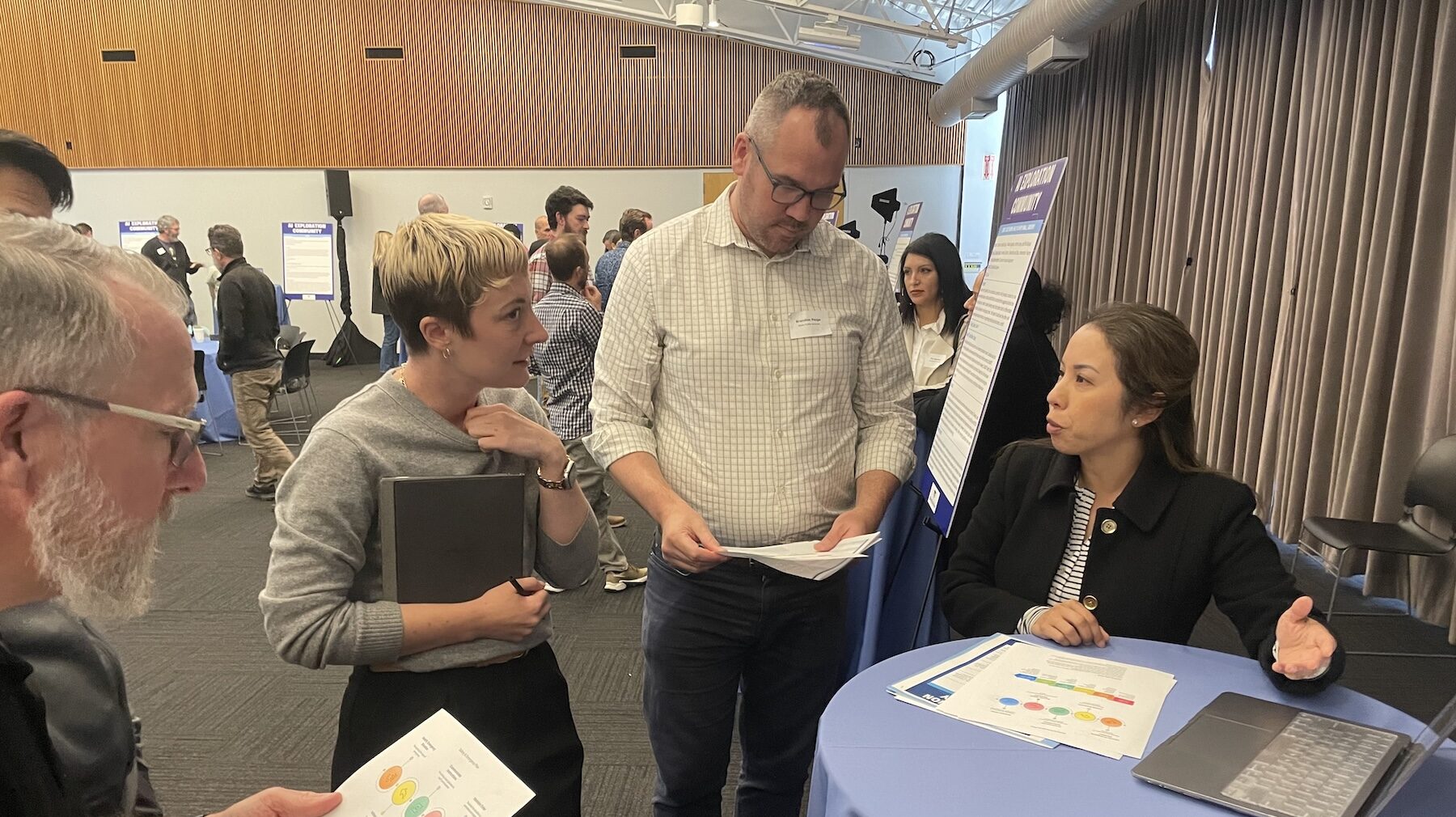
In the second year, the focus shifted to implementation. Schools were encouraged to design and lead their own pilots. This phase moved from general inquiry to targeted application. Researchers from CRPE observed these meetings, analyzed data generated by the pilots, and conducted deep-dive interviews with pilot leads.
The transition from Year One to Year Two marked a move from "what is this technology?" to "how does this technology function within the constraints of a public school?" This phase revealed the complexities of data privacy, the limitations of algorithmic bias, and the critical need for human-in-the-loop oversight.
Supporting Data: The Anatomy of a Pilot
The CRPE analysis involved a comprehensive qualitative and quantitative review of educator-led initiatives. While the report emphasizes that standardized testing metrics are currently an inadequate measure of these pilots, the data gathered from school-level observations provide a clear picture of the operational realities:
- Teacher-Led Iteration: The most successful pilots were those where teachers had the autonomy to adapt tools to their specific classroom culture.
- The "Judgment Gap": Researchers identified a significant gap between initial teacher expectations and the actual utility of AI. Many educators began the pilot expecting AI to be an automated teaching assistant; they concluded the pilot viewing it as a sophisticated, yet flawed, brainstorming partner.
- Operational Challenges: The data highlights persistent hurdles, including the time required to "train" AI prompts effectively, the difficulty of ensuring equitable access for all students, and the technical support required to maintain these systems within school networks.
The findings suggest that schools are currently in a "calibration phase." Much like the early days of personal computing in the classroom, the hardware and software are ahead of the pedagogical frameworks required to use them effectively.
Official Perspectives: The Experts Speak
The CRPE research team, led by Principal Chelsea Waite, Senior Research Analyst Steven Weiner, and Research Analyst Lisa Chu, has been instrumental in synthesizing these findings. Their work underscores that the "AI revolution" in education is a social, not just a technical, challenge.
In their discussions, the team has emphasized that the most valuable asset in the classroom remains the educator. The report suggests that schools should not be looking to replace teacher-student interactions with automated systems, but rather to use AI to strip away administrative burdens, allowing teachers to spend more time on high-value human connection.
"Educator-led pilots may not immediately transform teaching and learning," the researchers conclude. "But they can build the knowledge and judgment educators and students need to make informed decisions about AI." This perspective aligns with a growing consensus among educational experts that "AI literacy"—the ability to use, critique, and understand the limitations of AI—is becoming a foundational skill for the modern workforce.
Implications for the Future: Recommendations for Districts
The CRPE brief concludes with a call to action for school districts and educational policymakers. Implementing AI is not a task that can be outsourced to an IT department or a third-party vendor; it requires an institutional shift.
1. Invest in Conditions, Not Just Tools
Districts must move away from the habit of buying expensive software licenses and hoping for the best. Instead, they should invest in the "conditions for implementation." This includes protected time for teachers to collaborate, training on AI ethics, and a robust infrastructure for data privacy.
2. Prioritize Responsible Experimentation
Schools should create safe, structured environments for "failure." If teachers are afraid to try an AI tool because it might not work perfectly, they will never develop the sophisticated judgment required to use it effectively. Districts should treat these pilots as R&D (Research and Development) departments rather than performance assessments.
3. Maintain the Human-in-the-Loop
The most consistent finding across all pilots is that AI outputs require human validation. Whether it is an AI-generated lesson plan or an automated response to a student, the final decision-making power must reside with the teacher. The report argues that as we integrate more technology, the role of the teacher as a mentor and moral guide becomes more, not less, important.
Conclusion: A Long-Term Perspective
The integration of AI into schools is not a sprint; it is a marathon. The findings from the Silicon Schools Fund and CRPE provide a sobering but optimistic roadmap. By focusing on the development of educator judgment, schools can avoid the pitfalls of early-adopter hype and instead focus on sustainable, meaningful change.
As the educational landscape continues to shift, the lessons learned in these California schools will likely serve as a blueprint for districts across the nation. The future of AI in the classroom is not about robots teaching children; it is about empowered, AI-literate teachers using advanced tools to create more responsive, equitable, and effective learning environments for all students.
The "AI Exploration" is just beginning, and for those willing to engage with the technology critically and transparently, the potential to enhance the human experience of learning is immense. The challenge now lies in our ability to sustain this inquiry, learn from our early mistakes, and keep the focus firmly on the students we serve.