President Biden’s Fiscal Year 2025 Budget: A Landmark Investment in America’s Infants, Toddlers, and Families
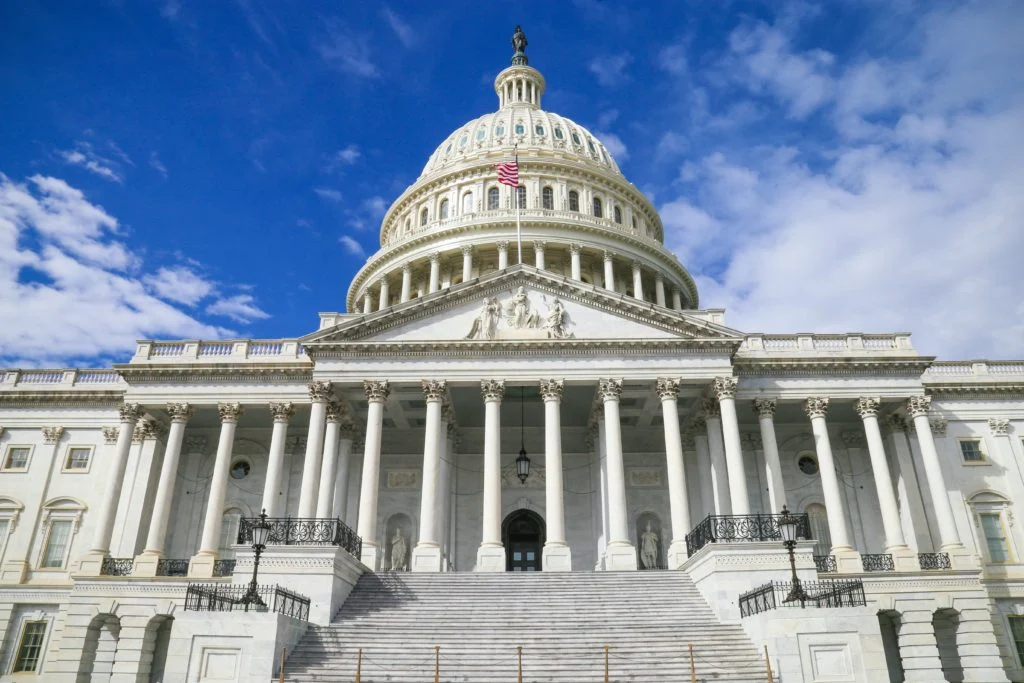
WASHINGTON, D.C. — In an encouraging development for early childhood advocates nationwide, the non-profit organization ZERO TO THREE has voiced strong support for President Joe Biden’s proposed fiscal year 2025 federal budget. The sweeping funding package, introduced in the nation’s capital, targets critical investments designed to lay a secure, healthy, and equitable foundation for infants, toddlers, and their families.
As the country’s leading early childhood development advocacy organization, ZERO TO THREE has long campaigned for federal policies that prioritize the formative first years of life. According to the organization, the new budget proposal addresses several long-standing systemic gaps in early childhood infrastructure, positioning itself as a vital win for America’s youngest generation.
Main Facts: What the Fiscal Year 2025 Budget Proposes for Families
President Biden’s fiscal year 2025 budget framework introduces a series of targeted federal investments aimed at alleviating the economic and systemic pressures facing modern parents and caregivers. While the detailed programmatic line items continue to be reviewed by federal budget analysts, the core architecture of the proposal aligns directly with the policy priorities consistently advocated by early childhood specialists.
The administration’s blueprint emphasizes several key pillars crucial to early development:
- Expanding Access to Affordable Child Care: Mitigating the crippling cost of child care for working families while supporting the early educator workforce.
- Strengthening Maternal Health Outcomes: Addressing the alarming maternal mortality rates in the United States, with a specific focus on postpartum care and equitable access to healthcare services.
- Bolstering Infant and Early Childhood Mental Health (IECMH): Directing resources toward social-emotional well-being programs that support children during their most rapid phases of brain development.
- Enhancing Economic Security and Housing: Alleviating family poverty through expanded safety net programs, housing stability initiatives, and tax credits that directly benefit lower- and middle-class households with young children.
By weaving these elements together into a cohesive fiscal package, the budget serves as a strategic roadmap aimed at transforming how the federal government supports early childhood development from birth.
Chronology: The Path Leading to the Fiscal Year 2025 Proposal
The unveiling of the fiscal year 2025 budget is the culmination of years of targeted advocacy, legislative battles, and growing public awareness regarding the state of early childhood infrastructure in the United States.
The Post-Pandemic Reality (2021–2022)
In the wake of the COVID-19 pandemic, vulnerabilities within the American child care and early learning systems were thrust into the national spotlight. Temporary federal relief funds temporarily sustained many child care centers, but as those funds neared expiration, advocates warned of a looming "child care cliff." During this period, organizations like ZERO TO THREE ramped up research efforts, highlighting how systemic instability harms infant development and parental employment.
The State of Babies Yearbook Campaigns (2022–2023)
Through initiatives like the State of Babies Yearbook, ZERO TO THREE continually published state-by-state data tracking infant health, family stability, and early learning environments. These reports consistently demonstrated that a significant percentage of babies in the U.S. live in families struggling with economic insecurity, inadequate healthcare access, and a lack of paid leave. These findings were regularly brought before congressional committees and executive agency leaders to keep the spotlight on the youngest Americans.
The State of the Union and Budget Launch (Early 2024)
The momentum culminated during the President’s State of the Union address, where the administration outlined a vision for family empowerment, lower health care costs, and expanded educational choices. Just days after the address, the formal Fiscal Year 2025 Budget was released, translating the broader rhetoric of the State of the Union into concrete funding proposals and legislative requests.
Supporting Data: Why Early Investments Matter
To understand the weight of President Biden’s proposed budget, one must examine the empirical data surrounding early childhood development. Neuroscience demonstrates that a child’s brain develops faster from birth to age three than at any other point in life, creating more than one million new neural connections every second.
Despite this critical window of vulnerability and opportunity, data compiled by organizations like ZERO TO THREE and federal health agencies paint a stark picture of the challenges facing American families:
- The Maternal Health Crisis: The United States continues to experience unacceptably high rates of maternal mortality and morbidity, particularly among Black and Native American women. Postpartum health care disparities directly threaten infant stability during the crucial bonding period.
- The Child Care Affordability Crunch: For many families, infant and toddler care exceeds the cost of in-state college tuition. This financial burden often forces parents—predominantly mothers—out of the workforce, stunting family economic security.
- The Mental Health Gap: Infant and early childhood mental health services remain severely underfunded. Early interventions can alter the trajectory of children exposed to trauma, poverty, or toxic stress, yet access to qualified infant mental health specialists remains scarce in rural and low-income communities.
- Housing Instability: Housing insecurity during a child’s first years is directly correlated with developmental delays, chronic health issues, and long-term educational struggles.
The fiscal year 2025 budget attempts to counteract these data points by injecting federal capital directly into the systems responsible for family stabilization.
Official Responses and Stakeholder Perspectives
The reception of the President’s budget has been marked by enthusiastic endorsement from child advocates, alongside an acknowledgment that the path from a presidential proposal to enacted law requires intense legislative maneuvering.
ZERO TO THREE’s Leadership Weighs In
Miriam Calderón, Chief Policy Officer at ZERO TO THREE, issued a passionate endorsement following the budget’s release.

"If implemented, President Biden’s budget released today will make our nation a better and fairer nation to have and raise a baby," Calderón stated.
She emphasized that the organization has consistently urged both Congress and the Administration to center their policies around five core pillars: maternal health, infant and early childhood mental health, child care, housing, and economic security.
"In last week’s State of the Union address, the President laid out a path toward a future where families are empowered and have choices about their baby’s future," Calderón continued. "This proposed budget expands on this vision with proposals that address all facets of young children’s development."
Looking Ahead to Capitol Hill
With the budget now formally introduced, attention shifts squarely to Congress. Because the power of the purse rests with the legislative branch, the administration’s requests must navigate a deeply divided Congress.
Recognizing this political reality, Calderón issued a direct call to action for federal lawmakers:
"Now, Congress must work with the Administration to deliver for families and babies. We look forward to working with Congressional appropriators and our baby champions on the Hill to make these bold proposals a reality."
Broader Implications for the Future of American Families
The inclusion of robust early childhood provisions in the fiscal year 2025 budget carries profound implications for the social and economic fabric of the United States.

Economic Productivity and Workforce Participation
When parents—particularly mothers—lack access to affordable, reliable infant care, they are frequently forced to scale back their hours or leave the labor force entirely. By prioritizing child care investments, the budget not only supports child development but also acts as an economic stimulus, enabling parents to remain in the workforce and contribute to productivity.
Intergenerational Mobility and Health Equity
Investing in the first three years of life is widely recognized by economists as having the highest return on investment of any educational or social program. Interventions targeted at this stage help level the playing field, mitigating the long-term impacts of poverty and trauma. By focusing heavily on maternal health and early mental health services, the budget addresses inequities before they solidify into lifelong disparities.
The Ongoing Legislative Battle
Despite the optimism from advocacy groups, the road ahead for the fiscal year 2025 budget is complex. Debates over federal spending caps, national debt, and competing legislative priorities mean that funding levels for early childhood programs will likely face rigorous scrutiny and negotiation.
As lawmakers debate appropriations in the coming months, the advocacy community—led by organizations like ZERO TO THREE—remains steadfast. Their message to Washington is clear: any vision for a prosperous American future must begin with the smallest and most vulnerable citizens. Whether Congress will seize this opportunity to transform the landscape for infants and toddlers remains one of the defining legislative questions of the current fiscal cycle.