Reimagining Educator Pushback: How Instructional Coach Elena Aguilar Proposes Turning Resistance Into Professional Growth
By the Editorial Board
Published: October 2026
Main Facts: Redefining the Pushback Dynamic
In the architecture of modern education reform, few hurdles are as persistently misdiagnosed as teacher resistance. When instructional coaches, principals, and professional development (PD) providers step into classrooms to introduce new initiatives, pedagogies, or curricula, they frequently encounter pushback. Historically, traditional educational administration has treated this friction as a deficit intrinsic to the educator—a stubborn unwillingness to change, a symptom of professional stagnation, or a simple aversion to trying something new.
In her landmark ninth book on the education profession, How to Coach Resistance: Turning Pushback Into Possibility, veteran instructional coach and author Elena Aguilar challenges this foundational assumption. Aguilar posits that resistance is not an isolated teacher behavior, but rather a relational dynamic created and sustained between two people. When a coach pushes for a change and an educator pushes back, both parties often enter a reactive loop fueled by mutual anxiety, defensiveness, and fear.
By reframing resistance as an interactive dynamic rather than a personal flaw, Aguilar’s work offers a paradigm shift for school leadership. Because the pushback is codetermined by the coaching interaction, coaches retain the power to de-escalate the tension. By altering their approach, stepping back from authoritative stances, and approaching pushback with systemic curiosity, educational leaders can unlock fertile ground for genuine professional growth.
Chronology: The Evolution of Coaching Frameworks
To understand the urgency and relevance of Aguilar’s newest contribution to educational literature, it is helpful to trace the modern evolution of instructional coaching over the past two decades:
- The Early 2000s (The Compliance Era): Instructional coaching emerged primarily as a corrective tool. Coaches were often viewed as troubleshooters sent in by district administrators to fix "underperforming" classrooms, leading to high-stakes dynamics where compliance outweighed collaboration.
- The 2010s (The Pedagogical Shift): As research into adult learning theory expanded, the field recognized that teachers learn differently than children. Coaching slowly transitioned toward reflective conversations, data-driven dialogues, and goal-setting partnerships, though persistent friction around curriculum mandates remained largely unaddressed.
- The Mid-2020s (The Emotional and Relational Era): Post-pandemic educational environments brought unprecedented teacher burnout, systemic fatigue, and a rise in defensive postures against top-down mandates. Practitioners recognized that technical coaching tools were failing because they ignored the emotional landscape of the classroom.
- October 2026 (The Release of How to Coach Resistance): Aguilar synthesizes decades of field experience to introduce operational frameworks—such as the ACE model and the Gaps Framework—shifting the coaching paradigm entirely away from blame and toward collaborative inquiry.
Supporting Data: Understanding the Landscape of Educator Stress and Adult Learning
While resistance has often been categorized subjectively as a lack of "will," contemporary data on teacher retention, professional autonomy, and adult learning environments paint a more nuanced picture of modern classrooms:
- The Emotional Load: Studies in educational psychology indicate that over 65% of mid-career educators experience heightened anxiety when presented with sudden curriculum overhauls, largely due to time scarcity and inadequate professional onboarding.
- Misdiagnosed Deficits: According to professional development audits, upwards of 70% of initial teacher "pushback" labeled by administrators as a will gap (unwillingness to comply) is subsequently revealed to be a capacity, knowledge, or skill gap (lack of training, resources, or time).
- The Relational Impact: Research on collaborative coaching models shows that when coaches shift from prescriptive directives ("You need to implement this strategy") to exploratory inquiry ("What concerns do you have about this approach?"), teacher buy-in increases by an estimated 45% within a single academic semester.
- The Scale of Impact: Aguilar’s body of work—spanning nine instructional texts—has influenced tens of thousands of instructional coaches across North America, fundamentally altering how districts train middle-management and school-site leaders to conduct teacher evaluations and professional growth plans.
Official Responses and Expert Insights
During her recent feature interview on the Cult of Pedagogy podcast with educational researcher Jennifer Gonzalez, Aguilar expanded deeply upon the core tenets of her book, emphasizing the psychological mechanics that govern difficult professional conversations.
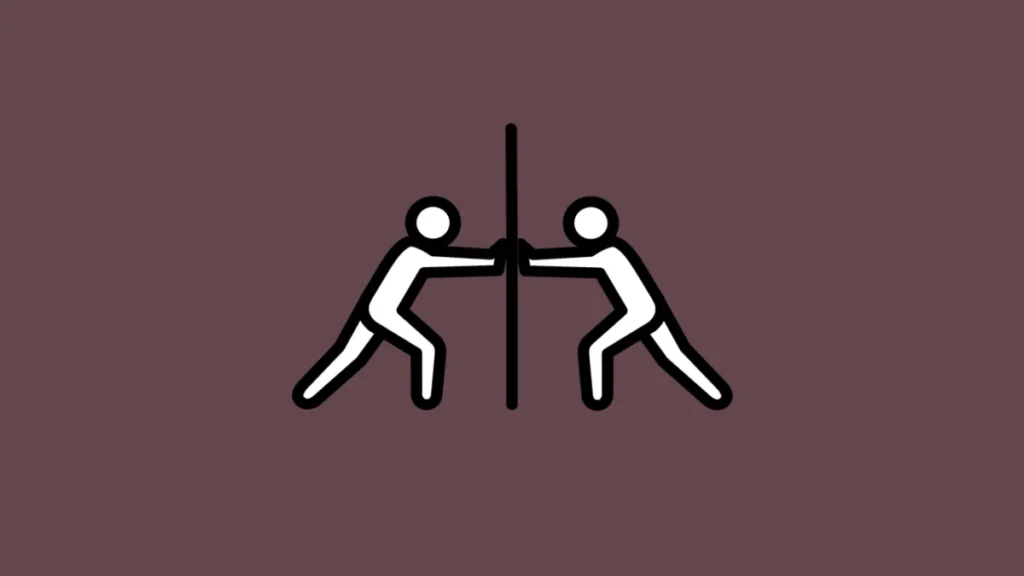
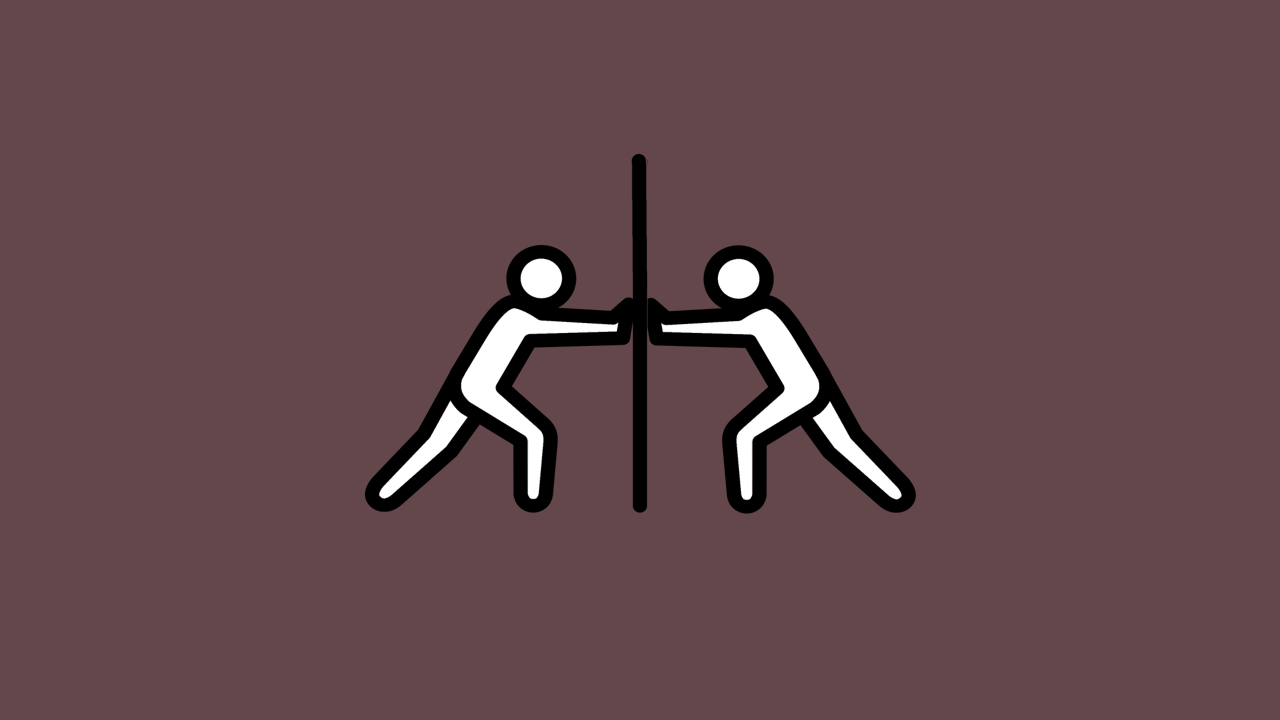
"What we experience as resistance is actually the dynamic between two people," Aguilar explained during the broadcast. She utilized the metaphor of two hands pushing against each other with equal and opposite force. "If you don’t want to experience resistance, drop your hand. Stop exerting your own pressure against their pressure."
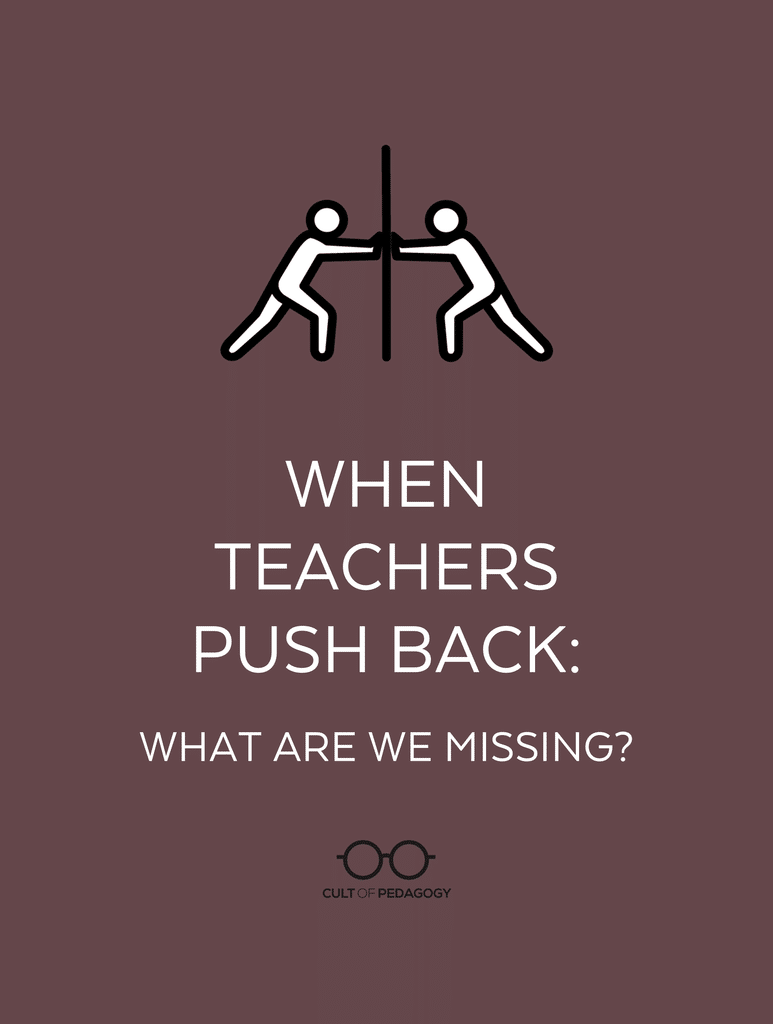
Aguilar was careful to clarify that dropping one’s hand does not mean capitulating to lower standards or abandoning curricular goals. Rather, it means pausing the competitive discourse to investigate reality. "This doesn’t mean that we have to agree with them," she noted. "It doesn’t mean we have to try to adopt their mindset, but it means we can get curious and we can build a relationship and we can stop pushing."
The ACE Framework
To operationalize this curiosity, Aguilar outlines the ACE framework for coaches dealing with high-emotion pushback:
- Acknowledge Emotions: Before jumping into mechanical problem-solving, coaches must validate the emotional reality of the educator (e.g., fear, overwhelm, or frustration) without needing to act as clinical therapists.
- Cultivate Compassion: Educators often internalize systemic failures as personal inadequacies. Coaches must help teachers extend self-compassion—prompting them to consider what they would tell a trusted colleague in the same position—while simultaneously practicing self-compassion themselves.
- Expand the Story: This step unpacks the rigid assumptions and limiting beliefs tied to the conflict, allowing both parties to visualize alternative narratives and pathways forward.
The Gaps Framework
Furthermore, Aguilar’s Gaps Framework categorizes teacher struggles into six distinct operational areas: skill, knowledge, capacity, will, emotional intelligence, and cultural competence. By systematically auditing which gap is actually causing friction—such as discovering a math teacher lacks reading instruction methodology rather than lacking motivation—coaches can target interventions with precision.
Implications: A New Vision for School Leadership
The implications of Aguilar’s work extend far beyond formal instructional coaching programs. They challenge the structural culture of educational institutions from top to bottom.

1. Shifting from Compliance to Partnership
When school leaders view resistance as an opportunity for inquiry rather than an insubordination issue, school climate improves dramatically. Teachers who feel heard and understood are exponentially more likely to take professional risks, experiment with innovative pedagogical strategies, and engage honestly with constructive feedback.
2. Validating "Righteous Resistance"
Crucially, Aguilar acknowledges a vital truth that many administrative frameworks ignore: sometimes, teacher pushback is entirely justified. When educators are asked to implement developmentally inappropriate mandates (such as forcing young children to sit passively for extended hours) or policies that contradict equity and common sense, resistance becomes a form of professional integrity. Coaches and leaders must develop the discernment to recognize righteous resistance and support educators in channeling those concerns constructively.
3. Transforming Difficult Conversations Everywhere
While written primarily for instructional coaches, principals, and department heads, the principles detailed in How to Coach Resistance serve as a masterclass in human communication. Whether mentoring a novice teacher, navigating departmental disagreements, or resolving personal conflicts, the core message remains universally applicable: drop the defensive posture, lean into emotional awareness, and choose curiosity over control.
As schools continue to navigate complex socio-educational landscapes, Aguilar’s insights offer a refreshing roadmap. By trading pressure for partnership, educational leadership can finally transform stubborn pushback into boundless professional possibility.