Rethinking Assessment: Why Traditional Tests Fall Short and How Performance Tasks Shape Meaningful Learning
In the modern educational landscape, a quiet paradigm shift is taking place regarding how student knowledge is evaluated. For decades, traditional testing—consisting of multiple-choice bubbles, short-answer questions, and high-stakes end-of-unit exams—has served as the undisputed gold standard for measuring academic achievement. However, prominent curriculum and assessment experts are raising urgent questions about this approach.
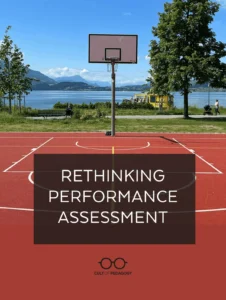
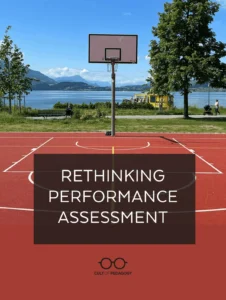
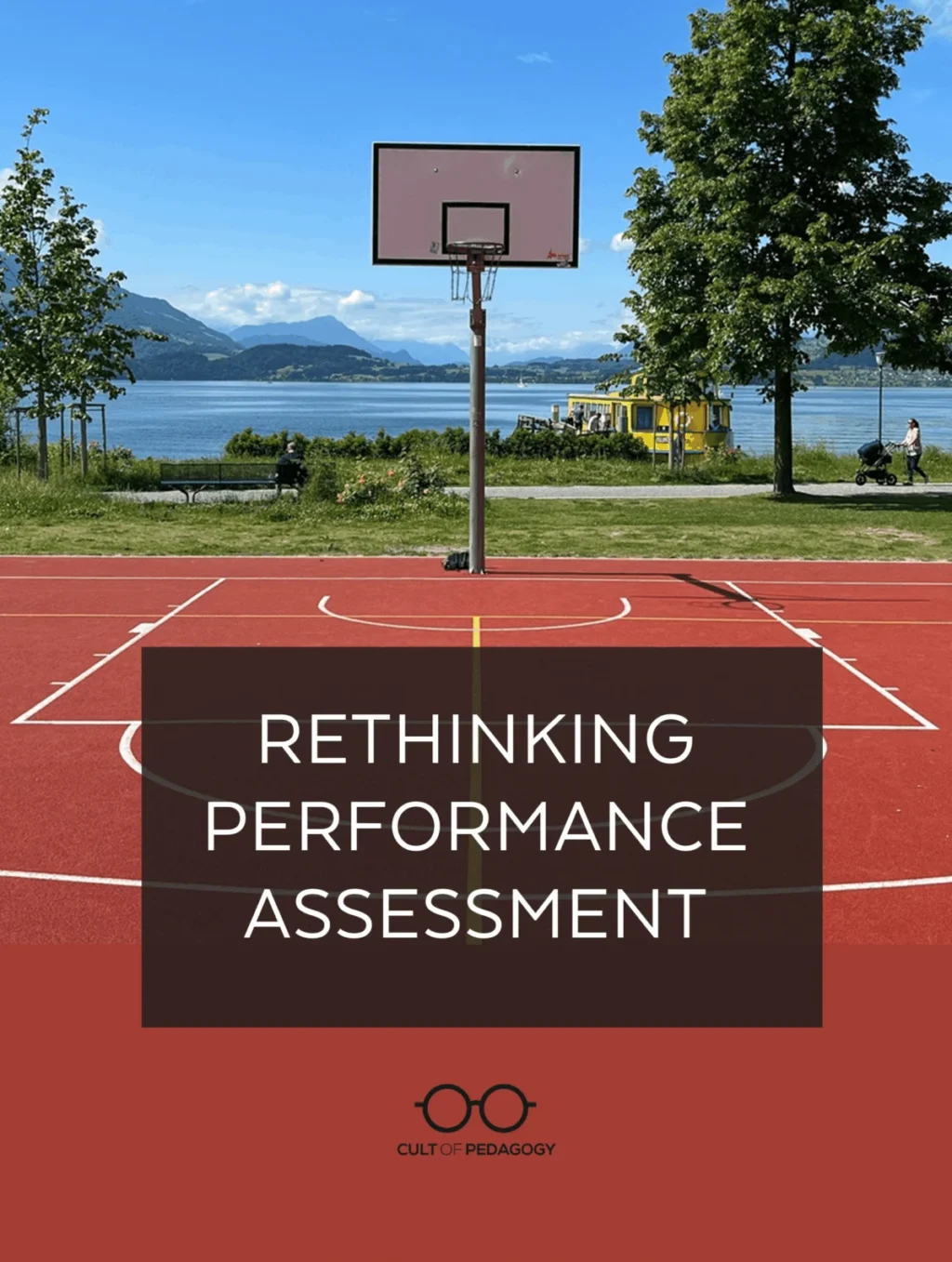
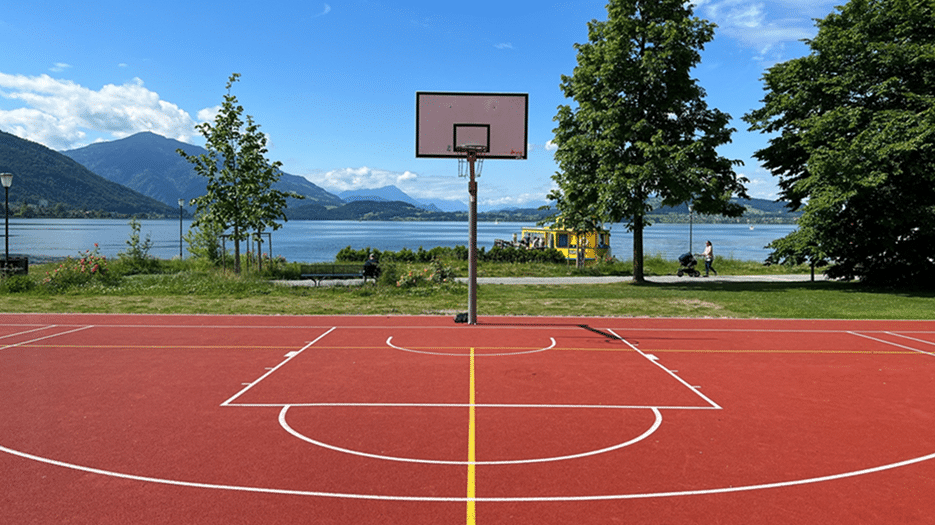
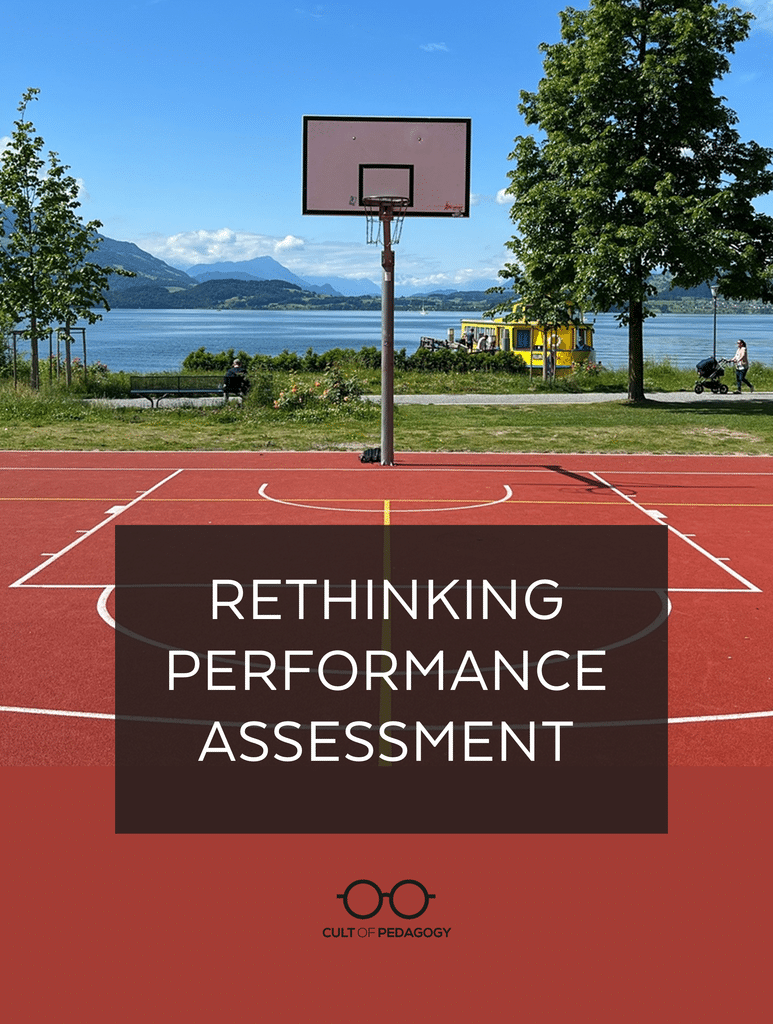
Imagine a basketball coach who spends an entire season drilling players on passing, dribbling, and shooting, yet never allows them to scrimmage or play a live game. Instead, at the conclusion of the season, the coach administers a written test on the rules of basketball. Or consider a theater instructor who spends months teaching voice projection, character development, and stage movement, only to replace the final dramatic production with a video essay explaining acting techniques.
While these scenarios sound absurd, they mirror a common paradox in classrooms worldwide. Educators frequently teach isolated chunks of information and evaluate rote memorization without ever asking students to synthesize and apply that knowledge in real-world contexts. To bridge this gap, educators are turning to performance assessments—frequently referred to by experts as performance tasks.
The Main Facts: Defining the Shift to Performance Tasks
At its core, a performance task requires students to demonstrate their learning by "doing" something substantive with it. Rather than simply recalling facts, students design solutions to complex problems, develop policy proposals, or create products for authentic audiences.
Renowned educator, author, and curriculum expert Jay McTighe—widely recognized for his groundbreaking work with Grant Wiggins on Understanding by Design—has been at the forefront of this movement. In his co-authored book, Designing Authentic Performance Tasks and Projects: Tools for Meaningful Learning and Assessment, McTighe argues that while traditional tests have their place in checking factual recall, they fundamentally fail to measure a student’s ability to use knowledge under real-world conditions.
McTighe prefers the nomenclature "performance tasks" over "performance assessments" to shift teacher mindsets. Too often, performance assessments are treated as terminal events tacked onto the end of a teaching unit solely for the purpose of generating a grade. By contrast, true performance tasks should be viewed as rich, generative learning experiences that guide instruction from day one.
Chronology and Evolution of Backward Design
The intellectual roots of performance-based learning trace back to the development of Backward Design, a framework popularized by McTighe and Wiggins in the early 2000s. Traditional curriculum design often begins with the textbook or the activities a teacher wants to execute (the "forward" approach). Backward Design, however, flips this sequence:
- Identify Desired Results: What should students know, understand, and be able to do by the end of the unit?
- Determine Acceptable Evidence: How will we know if students have achieved those desired results? (This is where performance tasks are established before lessons are planned).
- Plan Learning Experiences: What instructional strategies, resources, and formative practices will prepare students to succeed on the performance task?
Over the past two decades, this philosophy has evolved from a theoretical framework into a practical imperative. As global economies demand higher-order critical thinking, problem-solving, and collaboration, educational systems are under mounting pressure to move past the limitations of standardized testing. McTighe’s recent works, including his latest resources on authentic tasks, represent a concerted effort to give teachers the concrete tools needed to implement this design philosophy successfully in everyday classrooms.
Supporting Data and Real-World Examples
To illustrate how performance tasks function across disciplines, McTighe highlights three diverse classroom applications that integrate core curriculum with authentic problem-solving:
1. The State Tour (History and Geography)
In this middle- or high-school geography task, students assume the persona of state tourism advisors. Their mission is to design a comprehensive four-day travel itinerary that showcases their state’s historical landmarks, geographical features, and economic assets. Crucially, students must justify their routing and destination choices based on historical and geographical data.
- The Impact: Rather than memorizing state capitals for a Friday quiz, students engage with geographical relationships in a purposeful scenario.
2. The Responsible Citizen (Civics)
Students identify a genuine problem within their school or local community, formulate an actionable solution, and present a persuasive case to a stakeholder with administrative authority—such as a school principal or a city council member.
- The Impact: This task fuses civic literacy with communication and argumentation skills. According to McTighe, offering students choices regarding the issues they tackle and the presentation formats they use significantly boosts intrinsic motivation.
3. Making the Grade (Mathematics)
During a mathematics unit on measures of central tendency (mean, median, and mode), students analyze their own cumulative grade books. They must determine which statistical measure yields the most advantageous quarterly grade and write a formal, data-backed defense to their teacher.
- The Impact: This task demonstrates that performance assessments do not need to be sprawling, weeks-long projects. Short, hyper-relevant tasks can instantly demystify abstract mathematical concepts and provide immediate evidence of deep conceptual understanding.
Official Responses and Frameworks: What Makes a Task Effective?
According to educational research, poorly designed projects can easily devolve into superficial "craft projects" that fail to measure rigorous academic standards. To safeguard quality, McTighe emphasizes specific structural pillars that must underpin every task:
- Application and Explanation: Students must apply conceptual frameworks while explicitly defending their reasoning. It is not enough to calculate a median; students must explain why that median serves their interests better than the mean.
- Authenticity: Tasks should place learners in realistic simulations that mirror the actual work of professionals in the field.
- Open-Endedness: Authentic tasks resist single, formulaic right answers. They encourage divergent thinking, allowing multiple valid pathways to a successful outcome.
- Higher-Order Thinking: Utilizing frameworks like Norman Webb’s Depth of Knowledge (DOK), educators should target Level 3 (strategic thinking, multi-step planning, and justification) or Level 4 (extended, student-driven inquiry).
To aid educators in structuring these scenarios, McTighe and Wiggins developed the GRASPS framework:
- Goal: What challenge or problem must the student solve?
- Role: What persona or professional role is the student assuming?
- Audience: Who is the target recipient of the student’s work?
- Situation: What is the real-world context framing the challenge?
- Product: What tangible output or performance must be generated?
- Standards: What criteria will be used to evaluate success?
Implications for Classroom Practice and Common Pitfalls
While the benefits of performance tasks are clear, implementation can be fraught with missteps. McTighe warns educators against three pervasive traps:

1. The Scale Trap (Making Tasks Too Elaborate)
Teachers often assume that a performance task must be a massive, semester-long endeavor. This misconception can lead to severe teacher burnout and student fatigue. McTighe advocates for starting with smaller, focused tasks and scaling complexity upward as both students and teachers grow more comfortable with the methodology.
2. Misaligned Assessment Criteria
A frequent mistake occurs when rubrics evaluate cosmetic polish rather than content mastery. A visually stunning digital presentation does not automatically equate to a deep understanding of historical causality. To combat this, McTighe recommends using "impact criteria"—evaluating spelling, grammar, or design quality only to the extent that errors disrupt the overall effectiveness of the student’s communication.
3. Confusing the Playbook with the Game
Returning to the sports metaphor, McTighe cautions that teachers often spend 90% of their instructional time lecturing on the "playbook" (content coverage) while starving students of the "game" (opportunities to practice application). Furthermore, educators must remember that a final performance task should never be introduced entirely "cold." Students require formative "scrimmages"—smaller, lower-stakes practice tasks accompanied by targeted feedback—to prepare them for independent success.
As educational institutions navigate the demands of the 21st century, the message from assessment pioneers like Jay McTighe is clear: if we want students to be capable, creative problem-solvers in the real world, our assessments must mirror the reality of the game they are ultimately preparing to play.