Rethinking Education: What U.S. Schools Can Learn from the Danish Model of Teaching and Learning
Introduction: The Quest for a More Humane Classroom
For educators navigating the high-stakes, hyper-regulated environment of modern American schools, burnout has become an accepted occupational hazard. Teachers are routinely buried under mountains of administrative paperwork, scripted curricula, rigid pacing guides, and endless mandates. But what if education didn’t have to feel like a relentless march against the clock? What if the secret to better schools wasn’t adding more programs, budgets, and testing, but rather embracing the radical power of subtraction?
In a recent episode of the Cult of Pedagogy podcast, host Jennifer Gonzalez sat down with author, blogger, and educator Pernille Ripp. Having known Ripp for over a decade, Gonzalez caught up with her regarding a profound professional transition: Ripp’s move from teaching in the United States back to her native Denmark.
Their resulting conversation offers a stark, eye-opening contrast between the American and Danish educational systems. Rather than sliding into the familiar trap of wistfully declaring, "Must be nice, but we could never do that here," Ripp and Gonzalez explore how core tenets of the Danish philosophy can be adapted by U.S. educators right now—not through expensive reforms, but by rethinking expectations and cutting back on systemic clutter.
Main Facts: A Tale of Two Educational Systems
The comparison between U.S. and Danish schools highlights fundamental differences in philosophy, professional trust, and student development.
- The Core Philosophy: While the U.S. educational framework heavily emphasizes standardization, accountability, and metric-driven outcomes, the Danish system centers on professional trust, community well-being, and holistic child development.
- Teacher Autonomy: In Denmark, teachers are treated as trusted professionals. The government recently streamlined its national educational goals from hundreds down to roughly ten broad, age-based targets. There are no mandatory pacing guides or scripted daily lesson plans.
- Work-Life Balance: Danish educators typically work a 40-hour week, with roughly 20 hours spent directly instructing students. Administrative tasks, prep work, and collaboration are built directly into the workday in dedicated, distraction-free environments.
- Student-Centric Policies: Formal reading instruction and grading are delayed until children are older (grades 1 and 7, respectively). Play, outdoor time, and self-regulation are integrated into the daily rhythm without requiring strict educational justifications.
Chronology: From the U.S. Classroom to the Danish Schoolhouse
To understand how these systemic differences manifest in daily practice, it helps to examine Ripp’s unique professional trajectory and the evolution of her teaching philosophy.
Phase 1: The American Teaching Reality
For years, Ripp taught within the American public school system, where she built a national reputation advocating for student literacy and a passion for reading (featured previously on Cult of Pedagogy’s episode, How to Stop Killing the Love of Reading). Like millions of her U.S. peers, Ripp experienced firsthand the crushing weight of administrative oversight, endless compliance checklists, and the pressure to squeeze joy out of the school day in the name of standardized progress.
Phase 2: Relocation and Cultural Shock
Several years ago, Ripp made the significant personal and professional move back to Denmark, her native country. Entering the Danish school system presented an immediate cultural shift. Expectations surrounding professional autonomy, student responsibility, and the pacing of the school day were entirely inverted from what she had grown accustomed to in the U.S.
Phase 3: The Cross-Cultural Synthesis
Over recent years, as Ripp settled into her role as a Danish educator, she and Gonzalez began comparing notes. What started as casual conversations about cultural discrepancies evolved into a deeper analytical dive. They began asking a critical question: Which elements of the Danish system can be translated to American classrooms to alleviate teacher burnout and restore humanity to learning? The resulting podcast interview serves as a blueprint for grassroots educational reform driven by classroom teachers.
Supporting Data and Comparative Insights: How Danish Schools Work Better for Teachers
Ripp’s observations reveal that the systemic superiority of Danish schools isn’t rooted in massive funding injections, but in structural trust and efficiency.
1. The System Assumes Professional Competence
In the United States, curricula are frequently accompanied by scripts, pacing calendars, and micro-management policies that dictate what a teacher should say and do at any given minute. This infrastructure quietly communicates a lack of faith in the educator’s judgment.
In contrast, the Danish system operates on an explicit assumption of competence. Government frameworks provide broad guardrails, leaving the execution entirely up to the professional. Decisions happen at the school level, allowing faculties to pivot, adapt, and select curricula tailored directly to their specific student populations.
- The Takeaway for U.S. Schools: Teachers and administrators can take mandated curricula and treat them as a starting point rather than an absolute script. Faculty teams can collaborate to modify pacing, pilot alternative approaches, and assess results collaboratively every few weeks.
2. Trust Over Control
Micro-management extends beyond the curriculum in U.S. schools, often showing up in restrictive policies regarding physical movement. Teachers frequently need explicit permission, extensive liability forms, and administrative sign-offs just to take students outside or step off campus.
In Denmark, trust is the operational default. Ripp notes that professional trust is granted unconditionally until proven otherwise. Teachers can take classes outside or take impromptu educational field trips without wading through bureaucratic red tape.
- The Takeaway for U.S. Schools: School leadership should consciously audit policies—such as sign-out sheets, field trip procedures, and physical movement restrictions—and ask which rules can be dismantled to restore energy and agency to teachers.
3. Sustainable Working Conditions
Burnout is heavily fueled by unsustainable workloads. In Denmark, structural boundaries protect teachers’ time. Prep work happens in secure, quiet office environments where noise-canceling headphones signal an inviolable "do not disturb" policy.
Furthermore, the substitute teacher culture is vastly different. Rather than forcing sick teachers to spend hours drafting complex emergency lesson plans while nursing a fever, Danish schools utilize permanent, building-based substitute teachers who already know the student body and come prepared with their own activities.
- The Takeaway for U.S. Schools: Schools must aggressively protect planning periods from interruptions, intercom announcements, and coverage requests. By establishing a reliable sub-culture or pooling building resources for pre-planned emergency activities, districts can eliminate the nightmare of sub-planning.
Supporting Data and Comparative Insights: How Danish Schools Work Better for Students
The benefits of the Danish educational philosophy extend directly to the children, fostering independence, emotional regulation, and authentic engagement.
1. Autonomy as a Developmental Right
Danish children are given responsibility early. They pack their own bags, manage their materials, and navigate their environments independently. When mistakes happen, they are treated as natural teachable moments rather than systemic failures requiring immediate disciplinary intervention.
2. Design for Regulation, Not Control
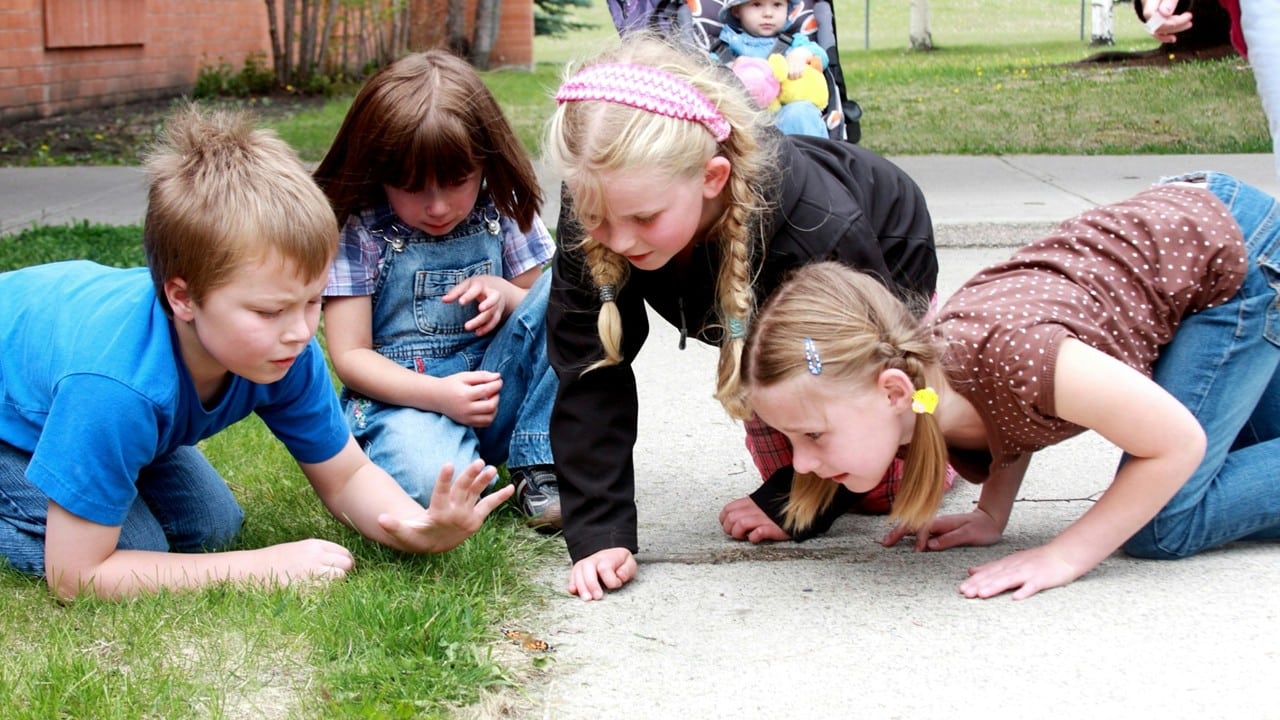
Movement and unstructured play are viewed as fundamental biological needs, not rewards to be earned. Danish students go outside daily, regardless of the weather, and play is allowed to be genuinely physical—including designated zones for rough-and-tumble play or snowball fights. Furthermore, activities do not require an immediate, rigid academic justification; joy and socialization carry inherent value.
3. De-escalating Academic Pressure
The race to achieve academic milestones starts much later in Denmark. Formal reading instruction does not begin until age-equivalent to second grade in the U.S., and grades are withheld entirely until seventh grade. This deliberate pacing eliminates the frantic, high-stakes urgency that often breeds anxiety in young American students.
Official Responses and Cultural Implications
While systemic reform at the federal or state level in the United States often moves at a glacial pace—stymied by political polarization and bureaucratic inertia—the implications of Ripp’s insights point toward grassroots agency.
Educational leaders, principals, and classroom teachers do not necessarily need legislative permission to enact local cultural shifts. By examining the core tenets of the Danish model, educational communities can deduce several vital implications:
- The Power of Subtraction: Reform doesn’t require a new grant, an expensive curriculum package, or an added professional development seminar. True relief comes from removing obsolete expectations, reducing homework loads, and shortening exhaustive to-do lists.
- Prioritizing Teacher Well-being: If school districts wish to stem the tide of the nationwide teacher shortage, they must pivot from a culture of compliance to a culture of professional trust. Empowering educators to make localized decisions drastically improves job satisfaction and retention.
- Rehumanizing Childhood: Pushing academic rigor earlier does not automatically yield superior long-term outcomes; often, it simply trades holistic development for early burnout and anxiety. Giving children space to play, regulate, and mature naturally creates a healthier foundation for lifelong learning.
Conclusion: Granting Yourself Grace
For teachers sitting in U.S. classrooms feeling overwhelmed by structural constraints beyond their immediate control, Pernille Ripp’s ultimate piece of advice is refreshingly compassionate: Give yourself grace in "good enough."
Even if administrators haven’t formally given permission to slow down, individual educators can consciously choose to decelerate. By critically evaluating their curricula, cutting out the academic "darlings" that no longer serve a vital purpose, and protecting their personal energy, teachers can carve out pockets of sanity.
As Jennifer Gonzalez emphasizes in her discussion, any human-made system can be reshaped by human hands. By borrowing wisdom from models like Denmark’s, everyday educators can start imagining—and building—a more humane, balanced, and joyful reality for both themselves and their students.