By Educational Policy and Practice Desk Published: September 2026
Main Facts
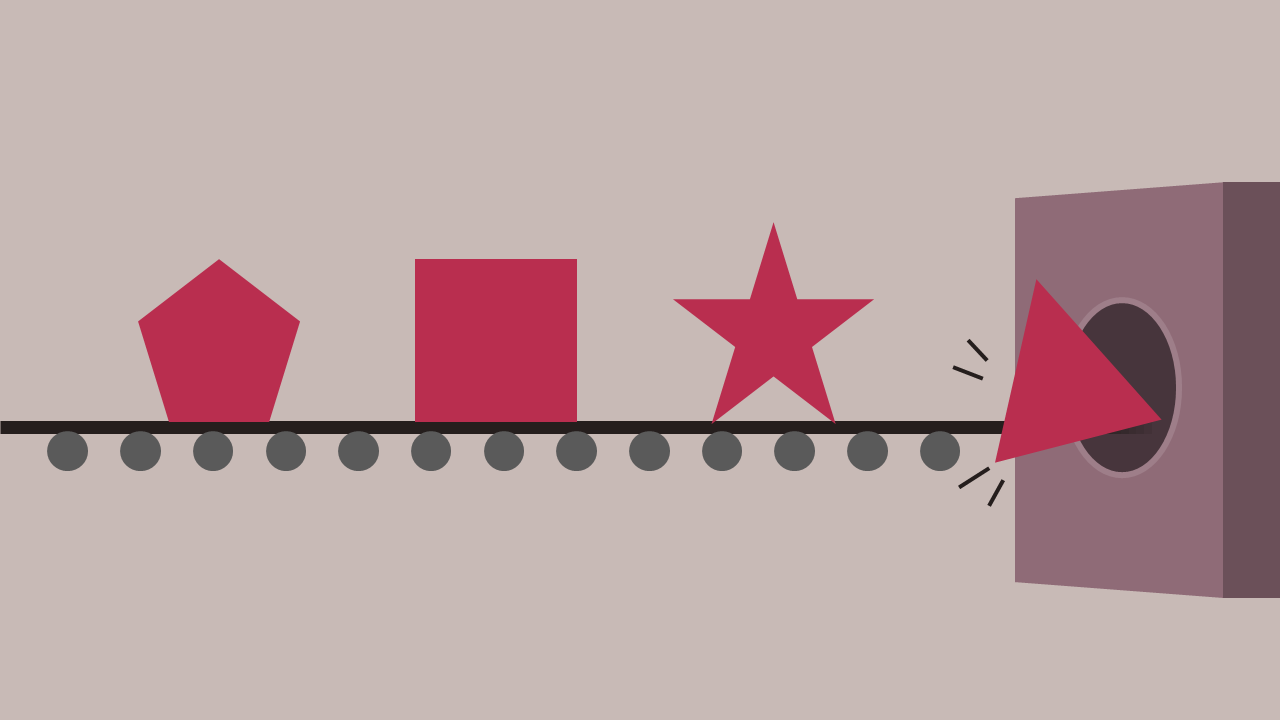
School reform in the United States has long been defined by a cycle of high-expectations rollouts, heavy investments of time and capital, and eventual disillusionment. From district-wide curriculum overhauls to branded leadership frameworks, educational institutions continually search for structural silver bullets. However, a sweeping new study reveals that the vast majority of these well-intentioned interventions fail to produce lasting, systemic improvements.
In their new book, A Chance to Solve Their Own Problems, researchers Jal Mehta and Max Yurkofsky examine why popular problem-solving frameworks and top-down initiatives routinely falter in real-world school and district settings. Rather than relying on prepackaged external solutions, Mehta and Yurkofsky argue that meaningful educational advancement requires aligning three critical pillars: mindsets, routines, and practices. Furthermore, their findings indicate that successful reform cannot happen unless school and district leaders cultivate safe environments, protect teacher planning time, and treat local challenges as opportunities for continuous learning rather than metrics for compliance.
Chronology: The Evolution and Fatigue of Educational Reform
To understand why schools struggle to improve, it is necessary to trace the historical progression of modern educational reform movements.
The Era of Top-Down Standardization (Late 20th Century): For decades, educational reform was largely defined by bureaucratic mandates. State departments and district central offices dictated curriculum changes, standardized assessments, and instructional methodologies, expecting educators to function as compliant implementers of external policies.
The Rise of "Improvement Science" Frameworks (2010s): Recognizing the limitations of rigid mandates, schools increasingly turned to collaborative improvement models—such as Plan-Do-Study-Act (PDSA) cycles and design thinking frameworks. The theory was sound: give the people closest to the ground the tools to study problems, test iterations, and adjust strategies locally.
The Proliferation of Process Fatigue (Early 2020s): In many instances, improvement frameworks themselves devolved into bureaucratic routines. Districts trained educators in specific multi-step improvement protocols, prioritizing strict adherence to the process over genuine problem-solving, which led to widespread initiative fatigue among teachers.
The Publication of A Chance to Solve Their Own Problems (Fall 2026): Synthesizing years of qualitative research across diverse school systems, researchers Jal Mehta and Max Yurkofsky released their definitive study on organizational learning in education, diagnosing the structural breakdowns of past reform efforts and charting a roadmap for sustainable change.
Supporting Data and Common Pitfalls in School Reform
In their research, Mehta and Yurkofsky identified four recurring patterns that consistently undermine school improvement initiatives. When districts fall into these traps, institutional progress stalls, and staff morale plummets.
1. Excluding the People Closest to the Problem
A fundamental flaw in traditional reform is that problems are routinely identified by administrators at the top and handed down to educators on the ground. Mehta argues that this approach fundamentally lacks trust in teachers. When educators are forced to work on initiatives that address problems leadership thinks they have—rather than issues teachers experience daily—engagement plummets. Real reform requires honoring the inquiry questions of the practitioners closest to students.
2. Hyper-Focusing on Individuals Instead of Systems
When student achievement data falls short or specific standards are missed, schools often isolate individual teachers or teams for remediation. Yurkofsky suggests that this approach is counterproductive. Instead of asking why a single teacher is struggling, districts must examine the systemic architecture: How is coaching structured? Are onboarding programs adequate? Where is the adopted curriculum falling short? Shifting the focus to systemic design protects individuals and opens the door to organization-wide upgrades.
3. Prioritizing Fidelity Over Adaptive Learning
When schools invest in new programs or curricula, immense pressure is placed on "implementation fidelity"—ensuring every classroom executes the program exactly as designed. Yurkofsky warns that fidelity is the enemy of learning. Because external programs are rarely custom-built for a specific school’s unique context, continuous iteration is mandatory. True progress happens through "adaptive integration," where educators tweak, revise, and mold strategies to fit their local environment.
4. Jumping to Solutions Prematurely
Educational systems are chronically impatient. Schools frequently commit to a specific tool, curriculum, or software package before thoroughly diagnosing the actual problem at hand. Once financial and emotional investments are made, districts warp the definition of their problems to fit the purchased solutions, stifling creative and effective problem-solving from the start.
Official Responses and Expert Insights
The release of Mehta and Yurkofsky’s work has sparked intense debate among educational leaders, policymakers, and teacher unions regarding the future of professional development.
In recent interviews and podcast discussions surrounding their research, the authors emphasized that sustainable change cannot be achieved through structural engineering alone.
"You’re not gonna, like, PDSA cycle your way from one kind of teaching to another," Mehta noted, highlighting the necessity of combining internal inquiry with genuine disciplinary expertise. Teachers cannot simply invent better literacy or math instruction out of thin air; they must be provided with high-quality instructional materials and expert resources to guide their iterations.
Furthermore, Yurkofsky has championed the reframing of professional conflict and classroom struggles. Rather than viewing staff complaints or systemic breakdowns as operational failures, leadership teams are encouraged to view problems as institutional gifts. When educators feel safe enough to voice what is failing, it signals high organizational trust—a prerequisite for authentic growth.
Implications for the Future of School Leadership
The insights from A Chance to Solve Their Own Problems carry profound implications for how school principals, superintendents, and policymakers must operate moving forward. If schools wish to break the exhausting cycle of fleeting initiatives, leadership must actively construct an ecosystem defined by three core building blocks: mindsets, routines, and practices.
Cultivating the Triad of Improvement
Mindsets: Educators and stakeholders must share a fundamental belief in the validity of the problem and view themselves as empowered agents capable of solving it. For instance, secondary school initiatives to improve reading comprehension will stall if high school teachers maintain the mindset that literacy instruction belongs exclusively in elementary school.
Routines: Collaborative structures must be deliberately embedded into the school week. Whether through regular protocol-driven data analysis, structured peer observations, or departmental inquiry teams, routines prevent innovative teachers from feeling isolated on an "island."
Practices: Educators require concrete strategies, high-caliber resources, and external expertise to execute their ideas. A commitment to process without a corresponding infusion of expert content knowledge will inevitably yield stagnant results.
Protecting Time and Psychological Safety
For these elements to take root, district and school leaders must address the two greatest scarcities in modern education: time and psychological safety.
Because teachers are profoundly time-starved, administrators must actively protect space for collaborative inquiry, shielding educators from the relentless barrage of administrative compliance tasks. Moreover, leaders must cultivate environments where failure is treated as a natural and necessary component of learning. If teachers operate under the fear that admitting a struggle will result in punitive evaluation, true problem-solving becomes impossible.
Ultimately, the path forward does not lie in the adoption of the next revolutionary national program. As Mehta and Yurkofsky demonstrate, real educational improvement is homegrown, systemic, and slow. By trusting educators, protecting collaborative spaces, and making it safe to tell the truth about what isn’t working, schools can finally move past the era of transient reform and empower teachers to solve their own problems.