
Shaping the Future: The Imperative of Early Childhood Development at LEARN 2026

The first three years of a human being’s life represent a biological and neurological window of unparalleled opportunity. During this critical period, the brain undergoes a process of rapid development, forming more than one million new neural connections every second. It is within this formative span that the foundations for lifelong mental health, cognitive capacity, and emotional resilience are cemented. As we approach the mid-decade, the organization ZERO TO THREE is spearheading a national movement to ensure that these foundational years are treated with the policy priority, clinical focus, and community support they require.
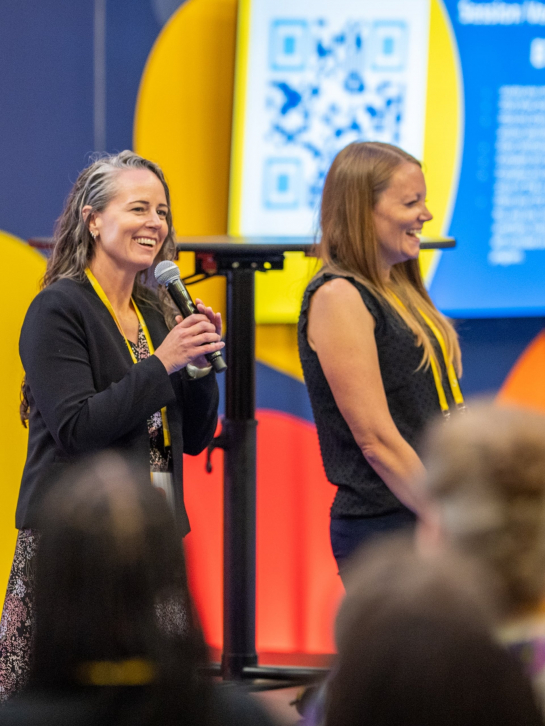
At the heart of this initiative is the upcoming LEARN Conference 2026, a gathering designed to bring together parents, policymakers, healthcare professionals, and community advocates. The mission is clear: to advance early childhood development by equipping those who shape the lives of the youngest generation with the tools, research, and collective strength necessary to build a better future.
The Science of the First 1,000 Days
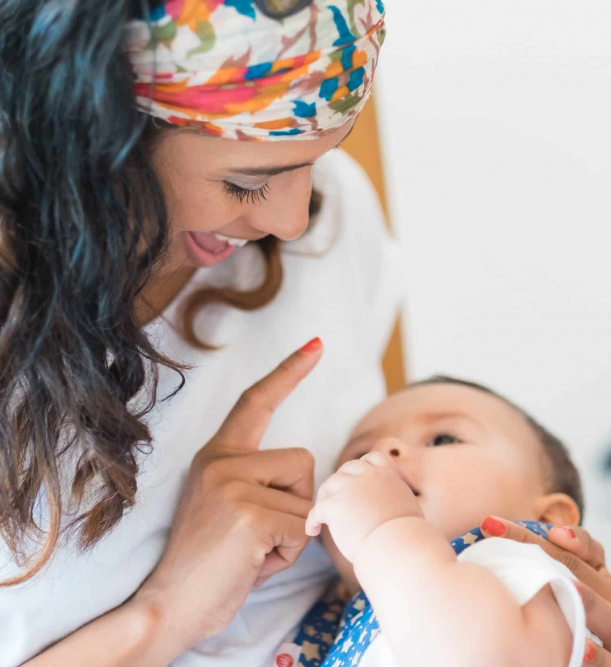
The urgency behind the LEARN 2026 initiative is rooted in decades of developmental research. The "first 1,000 days"—the period from conception through age two—is now widely recognized by scientists and economists alike as the most impactful period for human development. During this time, the brain’s architecture is built through a series of "serve and return" interactions between infants and their caregivers.

When these interactions are supportive and nurturing, they build a robust foundation for learning and health. Conversely, prolonged exposure to toxic stress—such as poverty, neglect, or systemic instability—can alter this architecture, leading to lifelong challenges in emotional regulation and cognitive function. ZERO TO THREE’s focus is on translating this complex neuroscience into actionable, accessible resources that empower every family to provide a strong, stable start.
LEARN 2026: Advancing the Field
The LEARN Conference 2026 is more than a professional development event; it is a collaborative incubator. By bringing together diverse stakeholders, the conference aims to bridge the gap between academic research and on-the-ground practice.

The conference programming is structured around five core pillars:

- Caregiver Empowerment: Providing research-based tools that help parents mold their children into the best versions of themselves.
- Professional Development: Training the workforce in early learning, healthcare, and mental health to ensure high-quality service delivery.
- Policy Advocacy: Influencing state and federal legislation to prioritize the needs of infants and toddlers in public budgets.
- Mental and Emotional Health: Raising awareness about the critical role of infancy in establishing long-term psychological well-being.
- Community Capacity Building: Facilitating local partnerships that create environments where children can thrive regardless of their zip code.
Chronology: A Trajectory of Advocacy and Impact
The path to LEARN 2026 has been marked by a consistent, escalating effort to center the needs of babies in the national conversation.

- 2022–2023: Initial focus on recovering from the widespread disruptions of the global pandemic, with a specific emphasis on the "Child Care Paradox"—a reality where families face rising costs while childcare educators remain among the lowest-paid workers in the economy.
- 2024: The "Strolling Thunder" advocacy campaign saw parents and advocates marching in Washington, D.C., and state capitals, demanding that babies be made a national priority.
- 2025: The release of the "RATTLED" report provided a chilling snapshot of the state of families, detailing how economic pressure and emotional distress intensified across the year. This data served as a clarion call for the systemic reforms that are now being pushed for in 2026.
- 2026 (The Current Year): The culmination of these efforts, with the LEARN Conference and associated workshops, focusing on the intersection of modern technology (such as AI literacy for preschoolers) and timeless developmental needs.
Supporting Data: The Cost of Inaction
The data supporting the mission of ZERO TO THREE is both compelling and sobering. According to recent impact studies, the economic pressure facing families with infants is at a historic high. The "RATTLED" report revealed that despite the intense love and commitment families bring to their roles, the lack of a robust, affordable, and high-quality early childhood infrastructure creates a "growing strain" that threatens the stability of the home environment.

Furthermore, research into early literacy and STEM engagement shows that even the youngest children are capable of complex problem-solving. Programs like the "Problem Solvers" STEM curriculum, developed by the organization, demonstrate that children as young as preschool age can grasp foundational concepts in engineering and math through play. However, these successes are often isolated, and the goal of the current initiative is to scale these evidence-based practices to ensure equitable access.

Official Perspectives: The Experts Speak
"This is just what I needed to reestablish my motivation in moving forward with this work," remarked one recent attendee at a pre-conference workshop. This sentiment reflects the broader goal of the organization: to sustain the workforce.

Experts within the ZERO TO THREE policy center emphasize that advocacy is not merely about funding; it is about infrastructure. "We aren’t just asking for resources," says a lead policy analyst. "We are asking for a systemic shift that recognizes the infant as a citizen with unique developmental needs that the state is obligated to support."

This perspective is echoed in the organization’s recent work on infant mental health, where they have highlighted that mental health issues in babies—often dismissed as mere ‘fussy’ behavior—can be the result of trauma, neglect, or environmental instability. By providing clinicians with the tools to diagnose and treat these issues early, the organization is preventing long-term systemic costs to the public health and justice systems.

Implications for the Future: A National Priority
The implications of failing to invest in early childhood development are far-reaching. When children start behind, the achievement gap often widens rather than closes, placing a heavy burden on K-12 education systems and, eventually, the workforce.

Conversely, the dividends of investing in the first three years are well-documented. High-quality early childhood intervention has been shown to result in higher graduation rates, better health outcomes, and increased lifetime earnings. By prioritizing the "Baby Champions" movement, the organization is advocating for a future where:
- Quality child care is a public good, accessible to all families regardless of income.
- Educators are valued and compensated as the highly skilled professionals they are.
- Policy decisions are driven by data, ensuring that the needs of the youngest and most vulnerable are not lost in the shuffle of adult-centric politics.
How to Get Involved
As the LEARN 2026 conference approaches, the call to action is directed at every level of society. For parents, it involves utilizing the provided resources to foster emotional regulation and healthy development. For community leaders, it involves facilitating local training sessions that build capacity among caregivers. For policymakers, it involves engaging with the research and committing to the "1,000 Days" framework.

Whether it is through attending the 20th Annual Cross Sites Meeting in Boston or participating in virtual trainings like "The Growing Brain," there are countless ways to contribute to this mission. The journey is long, and the challenges are significant—especially in an era of rapid technological change and shifting economic landscapes. Yet, as the organization reminds us, every child deserves a strong start. Supporting a child in their first 1,000 days is not just an act of charity; it is an investment that yields returns for a lifetime.

As we look toward the future, the message from the early childhood development community remains steadfast: The brain is built, not born. And it is the collective responsibility of all, from parents to legislators, to ensure that the environment we build is one that allows every child to reach their full, extraordinary potential.