The Mechanics of Innovation: How Simple Machines Shape Our World
From the towering cranes constructing modern skyscrapers to the humble bottle opener in your kitchen drawer, the world is powered by the elegance of simple machines. Often overlooked in our age of high-tech digital innovation, these foundational tools—the lever, inclined plane, wedge, screw, wheel and axle, and pulley—remain the bedrock of mechanical engineering. Understanding these devices is not merely an academic exercise; it is the first step toward cultivating the next generation of engineers, architects, and problem-solvers.
The Fundamentals: Defining Work in Physics
In everyday parlance, "work" is a chore or a professional obligation. In the realm of physics, however, work is defined with mathematical precision. Work is the product of the force applied to an object and the distance over which that force is exerted, expressed by the elegant equation W = Fd.
When we utilize a simple machine, we are not magically eliminating the need for energy. Instead, we are manipulating the relationship between force and distance to gain a "mechanical advantage." By spreading the required effort over a greater distance, we can move massive objects that would be impossible to shift through brute force alone. Consider the elevator: pulling a multi-ton car to the top of a skyscraper is a feat beyond human capability. By employing a complex system of pulleys, we reduce the force required to manageable levels, effectively "cheating" the physical constraints of our own muscles.
A Chronological Evolution of Mechanical Ingenuity
The history of simple machines is effectively the history of human civilization. While the exact origins of these tools are lost to the mists of prehistory, their development tracks alongside the rise of organized societies.
- The Ancient Foundations: Early humans utilized the wedge (in the form of flint axes) and the lever (as digging sticks) thousands of years ago. These tools were essential for survival, allowing our ancestors to process food and construct shelter.
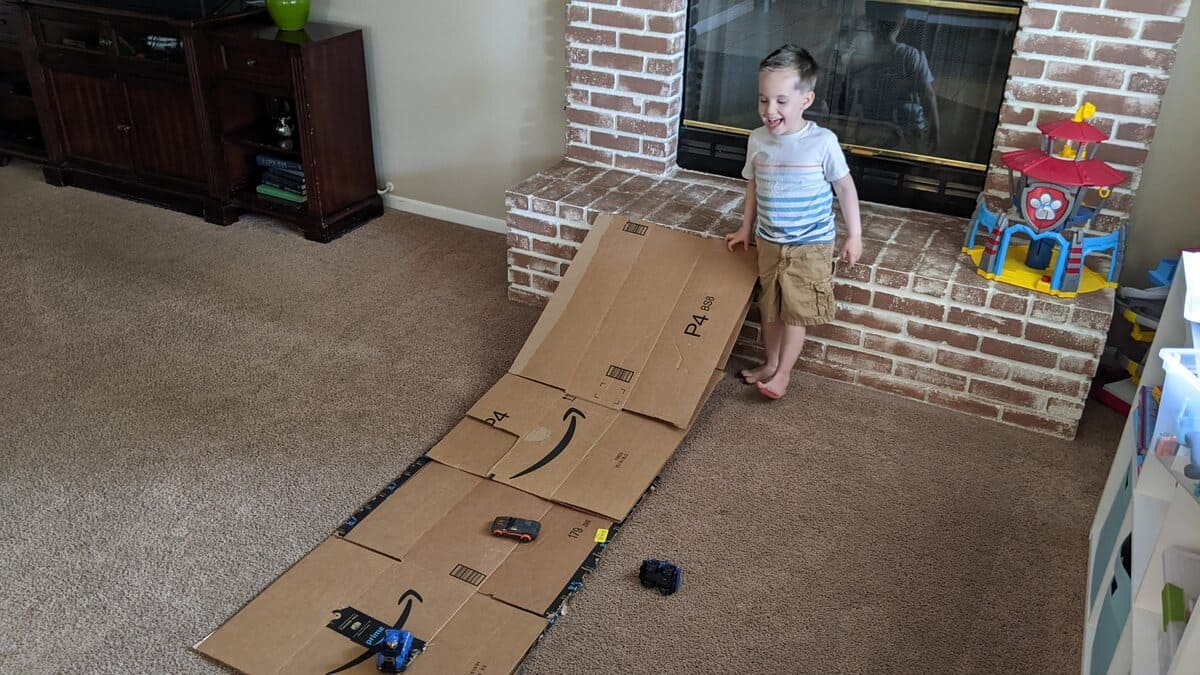
- The Age of Construction: By the time of the Ancient Egyptians, the inclined plane and the lever were being used at a massive scale. It is widely believed that the construction of the Great Pyramids relied heavily on complex systems of ramps (inclined planes) and levers to move stone blocks weighing several tons.
- The Classical Synthesis: In the 3rd century BCE, Archimedes of Syracuse provided the first formal mathematical treatment of simple machines. His famous proclamation, "Give me a place to stand, and I shall move the world," was a direct reference to the power of the lever. His work transitioned these tools from trial-and-error construction to a formal branch of mathematics and physics.
- The Industrial Revolution: The 18th and 19th centuries saw the marriage of simple machines with power sources like steam and water. The wheel and axle, when combined with gears and belts, became the heart of the automated factory, transforming the global economy.
Supporting Data: The Mechanical Advantage
Why do we still teach these concepts in a modern STEM curriculum? Because the principles of mechanical advantage remain constant, regardless of the complexity of the machine.
Research into educational outcomes consistently shows that hands-on learning—where students physically manipulate levers, pulleys, and wedges—significantly increases retention rates. In a typical classroom demonstration, students are asked to lift a heavy weight by hand, and then lift the same weight using a lever or pulley system. Data shows that the "perceived effort" is reduced by 50% to 75% depending on the configuration. This sensory experience bridges the gap between abstract physics equations and tangible reality.
Furthermore, these tools are the building blocks of "compound machines." A bicycle, for instance, is a masterpiece of integrated simple machines: the wheels are wheels and axles, the brakes use levers, and the chain drive operates on the principle of pulleys and wheels. By mastering the six simple machines, students learn to deconstruct complex technology into understandable components.
Educational Implications: Fostering the Next Generation
The importance of STEM (Science, Technology, Engineering, and Mathematics) education has never been higher. As we face global challenges in climate, energy, and infrastructure, the ability to think mechanically is a vital skill.
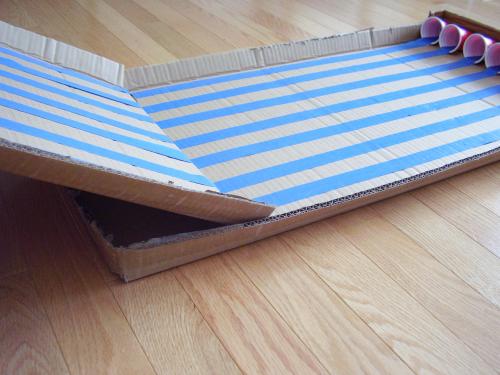
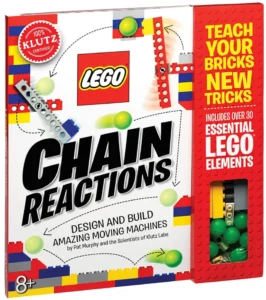
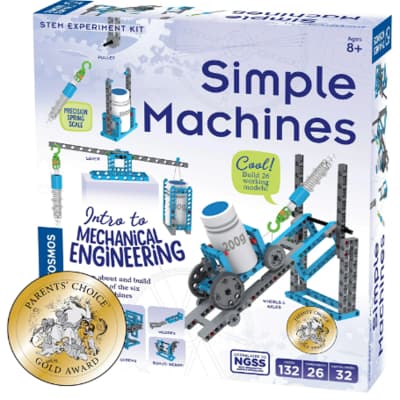
Educational subscription boxes and specialized model-building kits have surged in popularity, providing parents and educators with the resources to bring these concepts to life. These kits act as a catalyst for curiosity. When a student builds a marble run, they aren’t just playing; they are experimenting with gravitational potential energy, kinetic energy, and the friction coefficients of an inclined plane.
The Role of Friction: A Necessary Ally
A common misconception in early physics education is that friction is purely a hindrance. While friction does result in the loss of energy as heat, it is also a fundamental requirement for the function of many simple machines. Without friction, a screw would simply slide out of a hole, and a wheel would spin uselessly against the ground without propelling a vehicle forward. Understanding the "Goldilocks" zone of friction—where we minimize it to move parts easily, but maximize it to ensure stability—is a crucial lesson for young engineers.
6 Hands-On Projects to Master Mechanics
To truly grasp these concepts, students should engage in "maker" projects that move beyond textbooks. Here are six essential demonstrations:
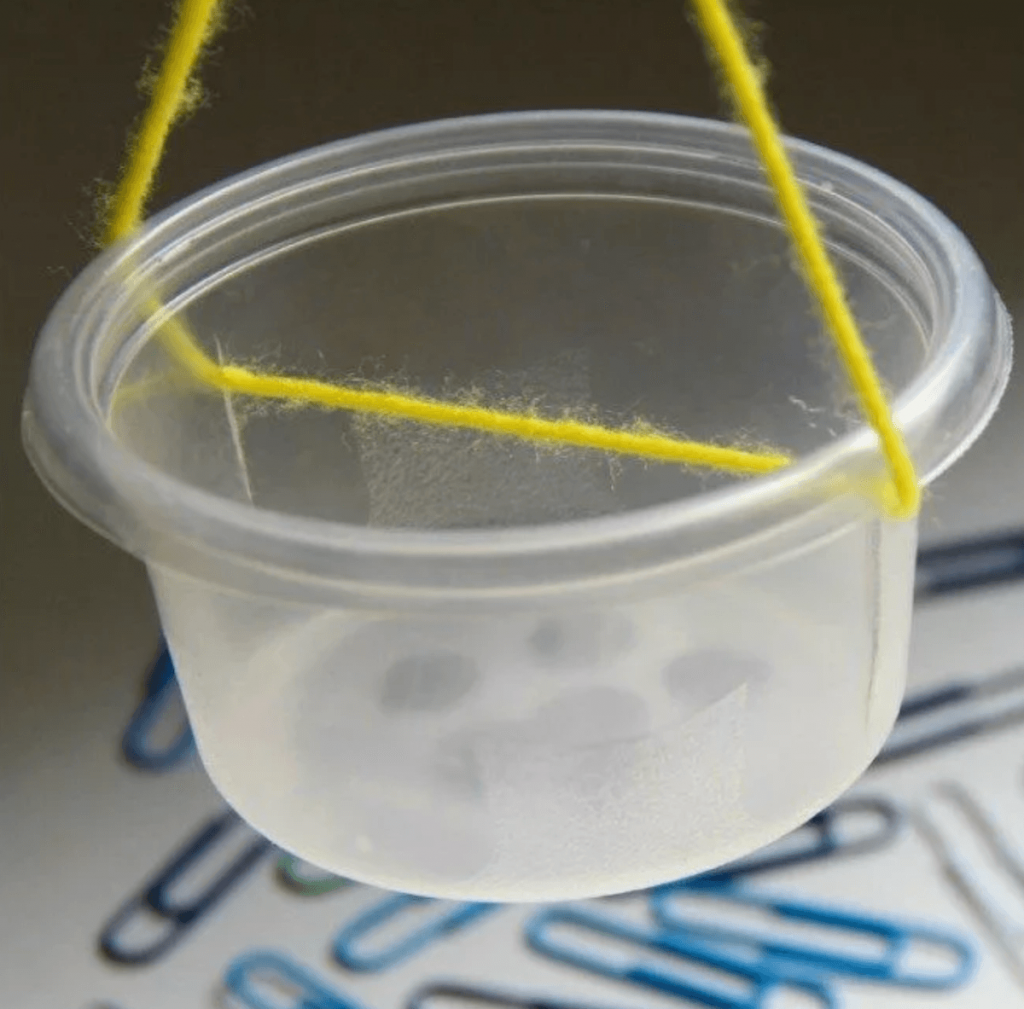
- The Pulley System: Using a string and a spool, students can create a lift system. By adding multiple pulleys (a block and tackle), they can observe how the amount of string required increases, while the physical effort to lift the load decreases.
- The Marble Run (Inclined Plane): By adjusting the angle of a track, students can study how the slope of an inclined plane affects the speed and acceleration of a projectile.
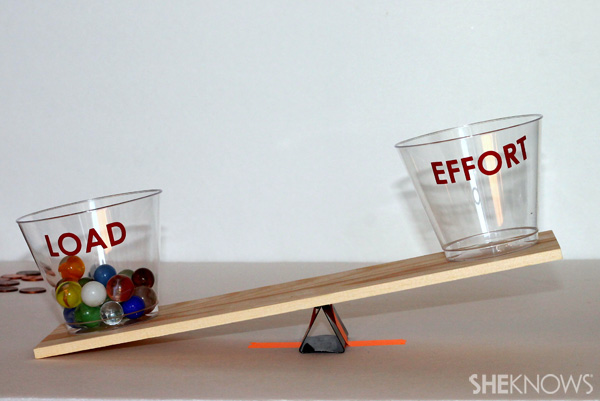
- The Binder Clip Lever: A simple desk-based lever can demonstrate the three classes of levers. By shifting the position of the fulcrum, students can see how the mechanical advantage shifts in real-time.
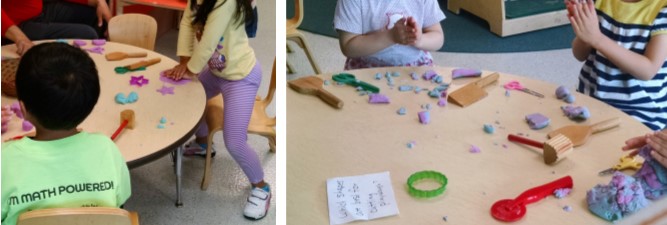
- Wedge Mechanics: Using play dough and triangular blocks, students can experiment with how the sharpness and angle of a wedge impact the force required to split materials.
- Screw Demonstration: A comparison between driving a nail (force) and turning a screw (rotational force over distance) perfectly illustrates the efficiency of threads in fastening objects.
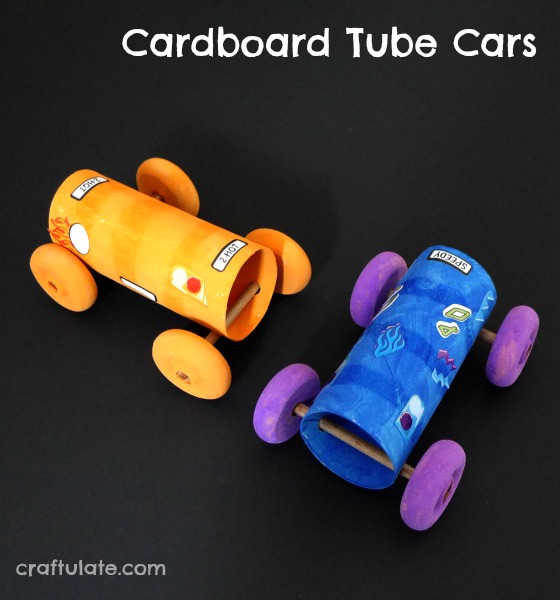
- Recycled Vehicle (Wheel and Axle): Utilizing plastic bottle caps and cardboard tubes, students can design their own cars, learning how the diameter of the wheel impacts the distance traveled per rotation.
Official Perspectives: The Future of Engineering Pedagogy
STEM educators argue that the "simple machine" curriculum is the ultimate equalizer in the classroom. Unlike complex software or high-cost robotics, these principles can be demonstrated with recycled materials. This accessibility ensures that students from all socio-economic backgrounds can engage with engineering concepts.
As noted by leading experts in educational design, the transition from "consumer of technology" to "creator of technology" begins with an understanding of how things work. When a child learns that a bicycle is not just a toy, but a system of levers and wheels, their perception of the world shifts. They begin to see the world as something that can be modified, improved, and innovated upon.
Conclusion: Building for the Future
The study of simple machines is far from an antiquated pursuit. Whether it is through the construction of a Rube Goldberg machine or the simple act of using a screwdriver to tighten a loose cabinet handle, these tools define our physical existence. By encouraging our children to explore the mechanics behind their daily lives, we are equipping them with the analytical mindset required to solve the challenges of tomorrow.
As we continue to integrate technology into every facet of our lives, let us not forget the fundamental, elegant, and timeless power of the six simple machines. They remain, as they always have been, the silent engines of human progress. Encourage the young engineers in your life to keep building, keep questioning, and above all, keep discovering how the world moves.