The Mechanics of Innovation: Unlocking the Power of Simple Machines
In the vast landscape of engineering and physics, the most complex technological marvels—from the internal combustion engine of a supercar to the delicate robotic arms of the International Space Station—all share a common lineage. They are built upon the foundational principles of "simple machines." These devices, characterized by having few or no moving parts, serve as the elemental building blocks of human industry. By fundamentally altering the way we apply force, these six devices have enabled civilization to construct the impossible, moving mountains and lifting weights that would otherwise remain immovable.
Main Facts: The Six Pillars of Mechanical Advantage
At the core of classical mechanics, we identify six distinct simple machines: the lever, the inclined plane, the wedge, the screw, the wheel and axle, and the pulley. While individually humble, their purpose is profound. They provide what physicists call "mechanical advantage."
A simple machine allows a user to trade distance for force. If you need to move a massive object, you can either exert a colossal amount of force over a short distance or a smaller amount of force over a longer distance. The latter is the secret to human ingenuity. By distributing effort, these tools ensure that tasks which would be physiologically impossible for a human—such as hoisting a freight elevator or splitting a thick log—become manageable feats of daily life.
Understanding "Work": A Physics Perspective
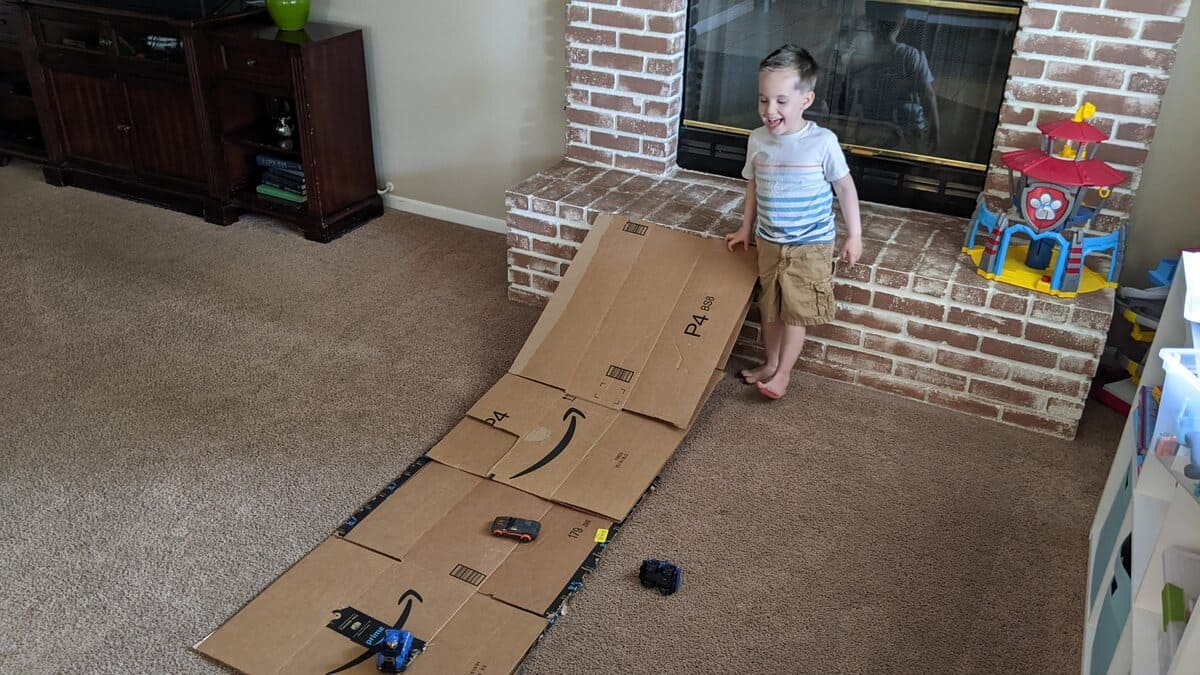
To appreciate the necessity of these tools, one must first redefine the concept of "work." In casual conversation, work might mean a job or a physical chore. In physics, however, work is defined with mathematical precision: W = Fd.
Work ($W$) is the product of Force ($F$) applied to an object and the distance ($d$) that the object moves. Simple machines do not actually decrease the total amount of work required to move an object; rather, they alter the variables to make the effort more sustainable for the human body.
Consider the modern elevator. To manually pull a weighted cage to the top of a skyscraper would be impossible. By utilizing a pulley system, we do not bypass the laws of physics; we simply apply the force over a longer period and through a more manageable tension, effectively "cheating" the weight of the load. This is the essence of engineering: using logic to circumvent the limitations of raw human muscle.
Chronology of Human Ingenuity: From Stone Tools to STEM
The history of simple machines is effectively the history of human survival.
- Pre-History: Early humans utilized the wedge (sharp stones) to process food and materials.
- The Ancient World: The construction of the Pyramids of Giza remains the most iconic testament to the inclined plane and the lever. Egyptian engineers understood that dragging stones up a ramp required significantly less vertical force than direct lifting.
- The Hellenistic Period: Archimedes of Syracuse famously declared, "Give me a place to stand, and a lever long enough, and I will move the world." His work with the screw and the pulley laid the mathematical foundation for modern engineering.
- The Industrial Revolution: The 18th and 19th centuries saw the massive scaling of these concepts. The wheel and axle were no longer just for carts; they became the basis for gears, clockwork, and steam-driven turbines.
- The Modern STEM Era: Today, we teach these concepts not just to build physical structures, but to foster "engineering habits of mind" in children. By engaging in hands-on projects, students move from theoretical understanding to practical application, bridging the gap between classroom textbooks and the real-world demands of aerospace, civil, and mechanical engineering.
6 Fun, Hands-On Simple Machine Projects
To bring these concepts to life, educators and parents can implement tactile demonstrations. These projects transform abstract physics into tangible learning experiences.
1. The Pulley System
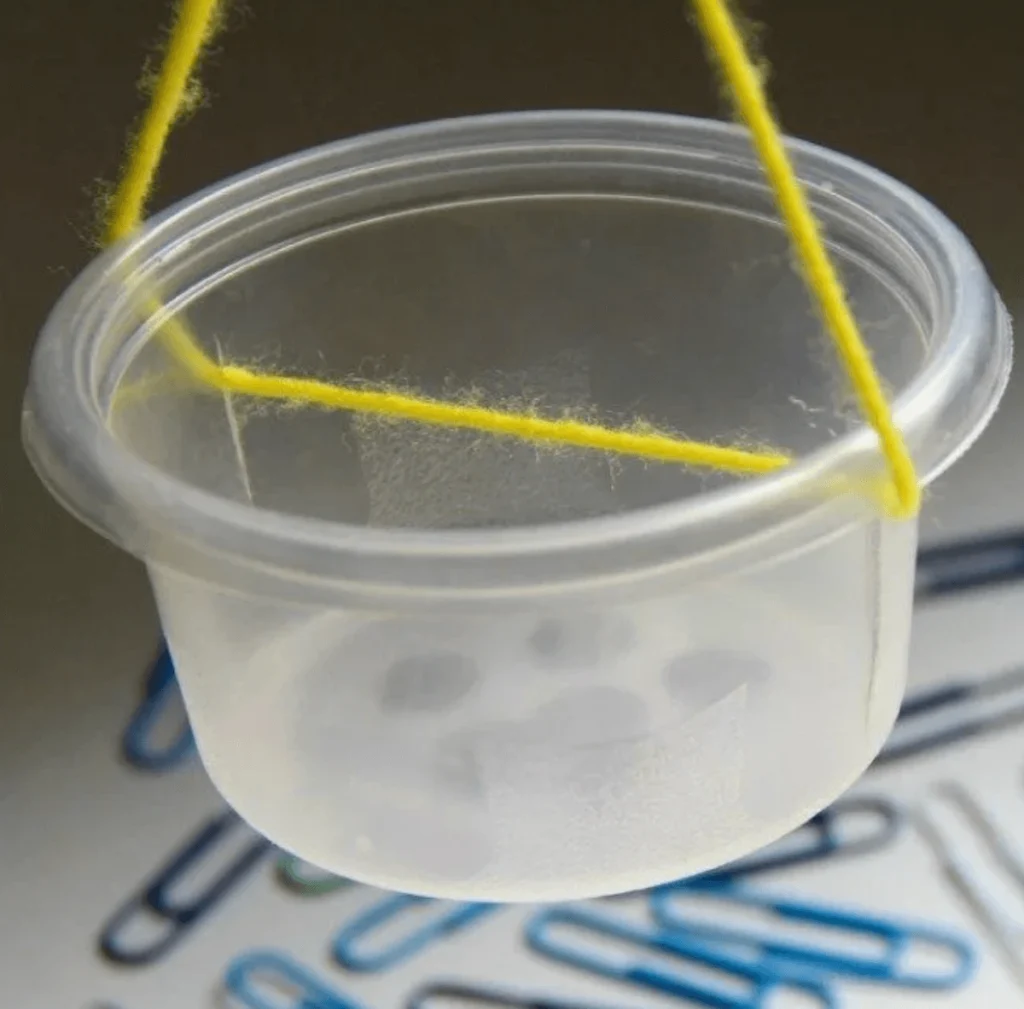
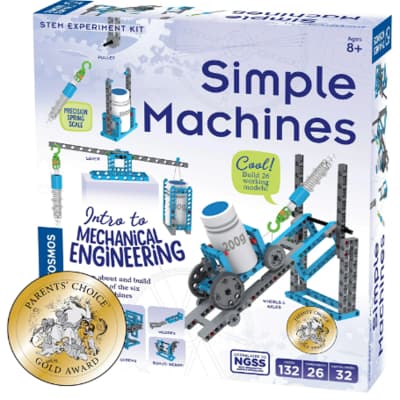
By utilizing simple household items like a spool, string, and a bucket, students can create a functional pulley. The goal is to lift a weight—such as a bag of sugar—first by hand, then using the pulley. The observable difference in effort highlights the mechanical advantage provided by the system.
2. Marble Run Inclined Planes
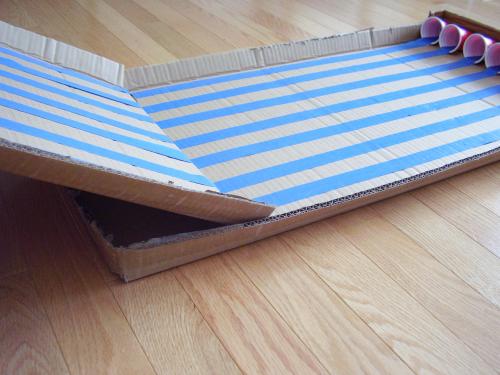
Using cardboard tubes or wooden tracks, students construct a marble run. This demonstrates the inclined plane. By adjusting the angle of the incline, students can observe how the speed and required force change, illustrating how ramps help move heavy objects to higher elevations.
3. The Binder Clip Lever
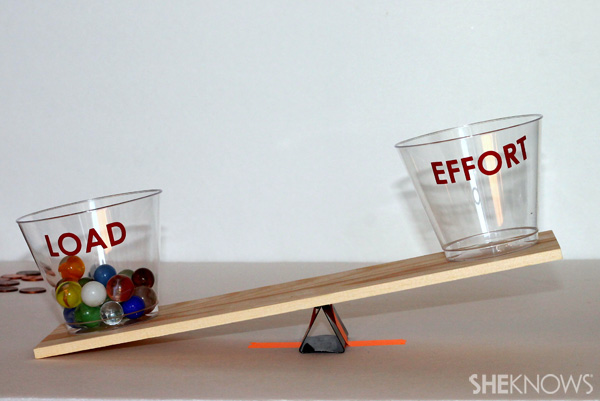
A lever is essentially a beam resting on a pivot, or "fulcrum." By using a simple binder clip and a ruler, students can create a first-class lever. Placing the fulcrum closer to the load allows for easier lifting, demonstrating how the position of the fulcrum dictates the efficiency of the machine.
4. Splitting Matter with the Wedge
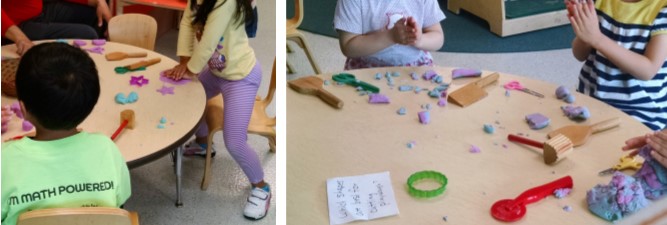
The wedge is an inclined plane that moves. To demonstrate this safely, use play dough. Attempting to cut through a "log" of play dough with a flat hand is difficult. By introducing a plastic or wooden wedge, the force is concentrated into a single line, slicing through the material with ease.
5. Demonstrating the Screw
The screw is essentially an inclined plane wrapped around a cylinder. By comparing a smooth nail to a threaded screw, students can see how the threads provide "grip" and allow the screw to penetrate wood with far less force than a nail, which relies solely on brute-force impact.
6. Recycled Wheel and Axle
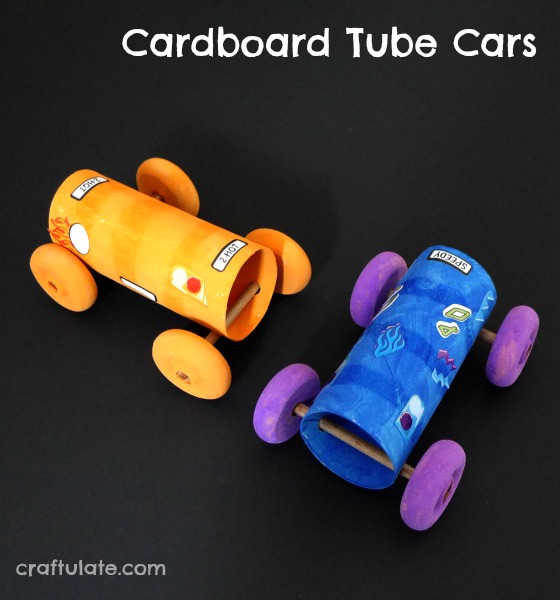
Using cardboard tubes, straws, and bottle caps, students can engineer their own vehicles. This project explores the relationship between the wheel and the central axle, demonstrating how the rotation of the axle facilitates movement over a surface with minimal friction.
Supporting Data: The Reality of Mechanical Advantage
Scientific data consistently shows that while simple machines do not perform "magic," they significantly optimize energy output. In experiments where students lift weights using different pulley configurations (fixed vs. movable), the effort force is often reduced by 50% or more depending on the number of ropes used in the system.
Furthermore, educational studies from STEM advocacy groups indicate that students who engage in "project-based learning" (PBL) regarding simple machines show a 40% higher retention rate of physics principles compared to those who only view diagrams or read text. The tactile nature of these experiments engages the brain’s motor cortex, creating a stronger neural association with the concepts of force, distance, and work.
Common Misconceptions: Clearing the Air
Even among adults, misconceptions about simple machines persist.
Misconception 1: "All levers are the same."
In reality, levers are classified by the placement of the fulcrum, the load, and the effort. A seesaw (first-class) behaves differently than a wheelbarrow (second-class) or a pair of tweezers (third-class). Understanding these nuances is critical for advanced mechanical design.
Misconception 2: "Friction is always a negative force."
While friction generates heat and resistance, it is vital for simple machines. Without friction, a screw would not hold, a wedge would slide out of place, and wheels would simply spin without moving the vehicle forward. Friction is not the enemy; it is the "glue" that makes these systems functional.
Misconception 3: "Simple machines reduce the total work."
As established, the total work remains constant ($W = Fd$). The machine does not "save" energy in terms of physics; it saves the human operator from reaching their maximum force threshold.
Implications: The Future of Mechanical Design
The implications of mastering simple machines extend far beyond the classroom. In an era where we look toward space colonization and advanced robotics, the basic principles of the lever and pulley remain constant. When NASA engineers design a lander for Mars, they are using the same principles of the wheel and axle that were perfected thousands of years ago.
By encouraging a new generation of engineers to experiment with these tools, we are not just teaching them how to build a toy car or a marble run; we are teaching them how to solve problems. We are equipping them with the vocabulary of physics and the confidence to manipulate the physical world to serve human needs.
As we look to the future, the integration of these machines into more complex "compound machines"—systems where simple machines work in tandem—remains the hallmark of technological progress. Whether you are a teacher, a parent, or an aspiring engineer, the message is clear: Start simple, build often, and never underestimate the power of the basic components that keep our world running.
For those seeking to further their exploration into STEM education, consider utilizing specialized building kits or educational subscription boxes designed to challenge young minds with complex mechanical tasks. By turning curiosity into construction, we ensure that the next generation of innovators is well-equipped to carry the torch of human ingenuity.