By Educational Policy & Practice Desk Published: Autumn Term Insights
Main Facts: Fostering Community Through Student Recognition
In an era where modern classrooms grapple with escalating student disengagement, behavioral shifts, and the pervasive impacts of digital isolation, high school educator Marcus Luther has implemented a deceptively simple yet profoundly impactful practice: structured peer affirmation.
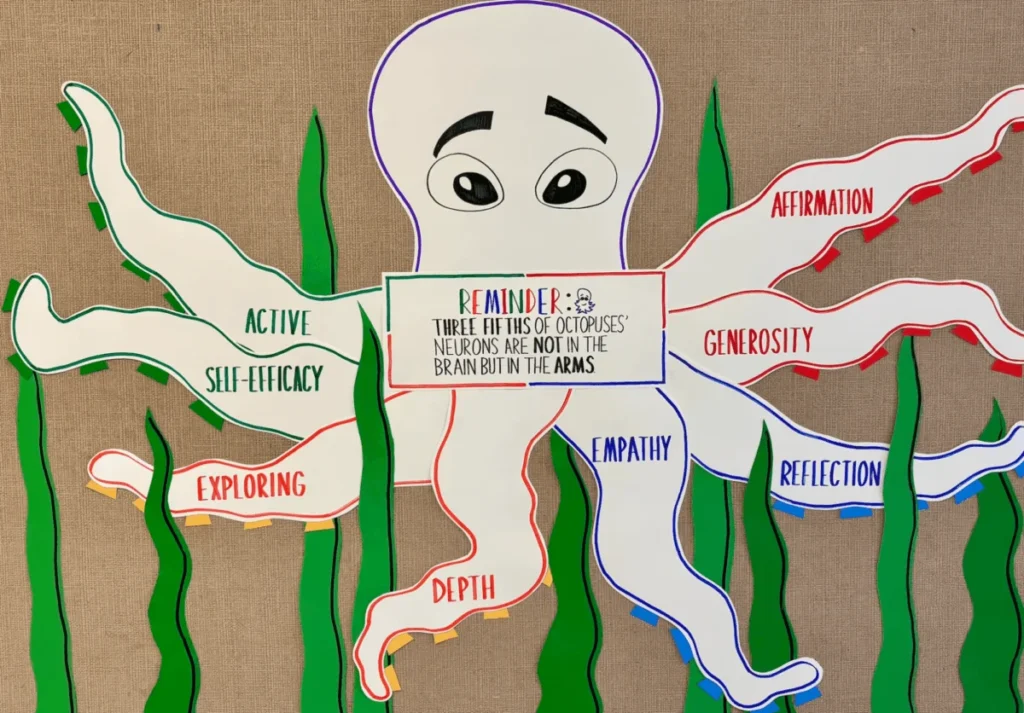
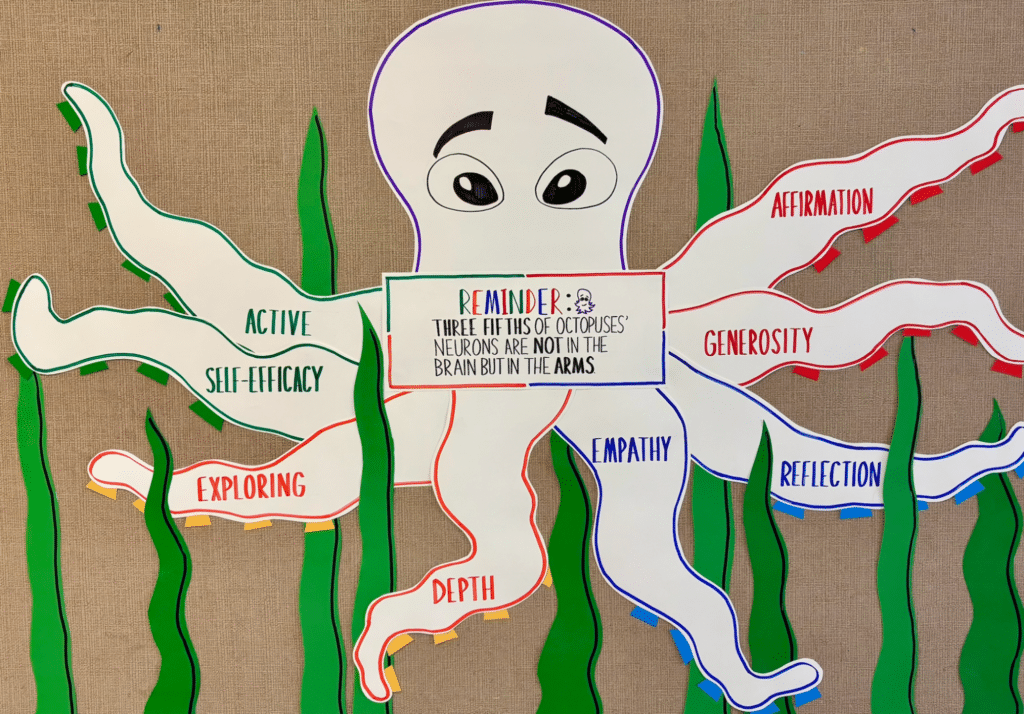
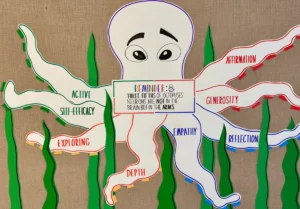
Centering around a visually striking, wall-sized illustration known in his classroom as "the octopus," Luther’s system turns traditional classroom management on its head. Instead of relying solely on top-down teacher praise or punitive measures, Luther’s students actively, anonymously nominate one another for living out core classroom values throughout the academic year.
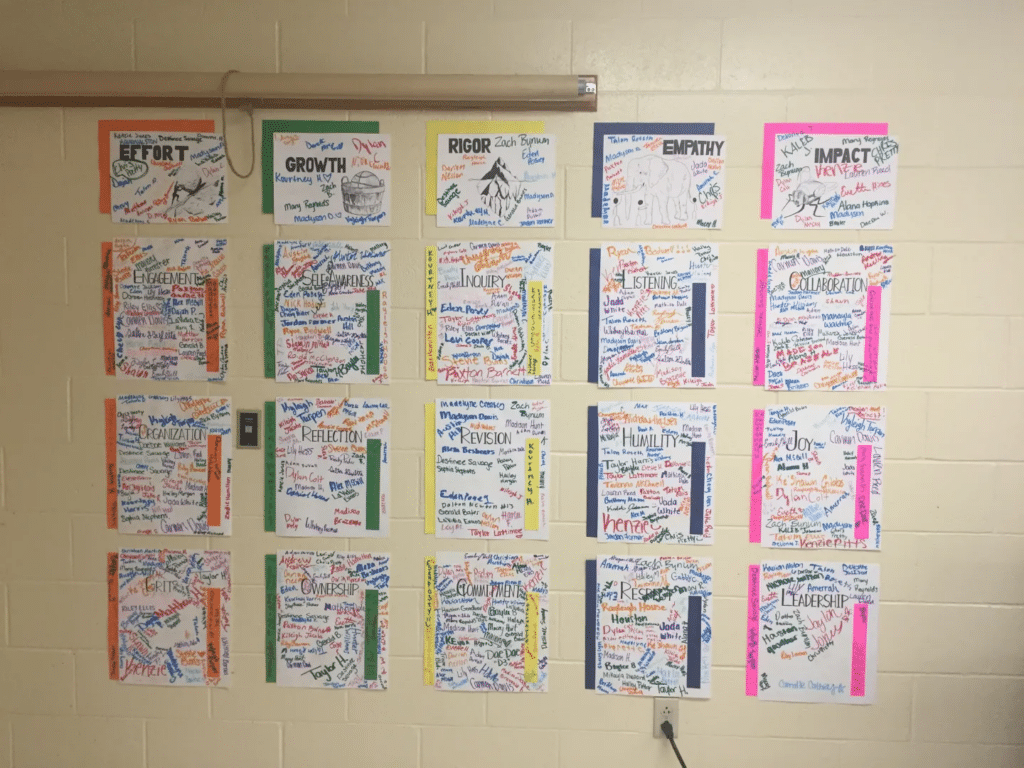
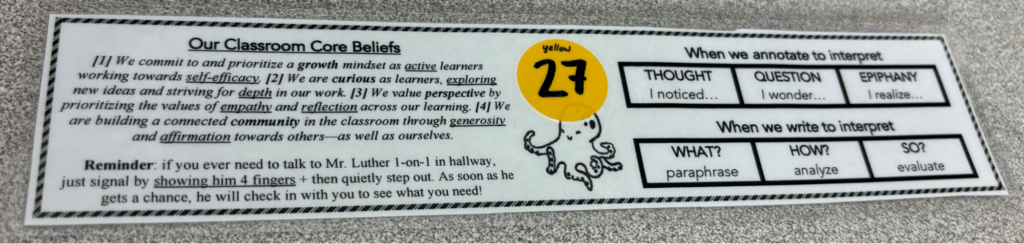
Each appendage of the sprawling, hand-assembled wall art represents a specific pillar of character—such as active engagement, depth of thought, or self-efficacy. As students are anonymously nominated by their peers for exemplifying these traits, they earn the right to "sign the wall" during a celebratory weekly classroom ritual. Backed by digital spreadsheets tracking these accomplishments, the system provides an ongoing historical archive of student character, ultimately serving as a powerful bridge during parent-teacher conferences, college recommendation writing, and daily social-emotional development.
Chronology: The Evolution of "The Wall"
The roots of Luther’s peer affirmation system stretch back over a decade, evolving through several distinct phases of trial, error, and refinement.
Inspiration (Early 2010s): Luther first encountered the concept of structured peer recognition during a visit to his wife’s fifth-grade classroom. Witnessing younger students write brief, positive notes to one another sparked an idea about how intentional community values could alter classroom dynamics.
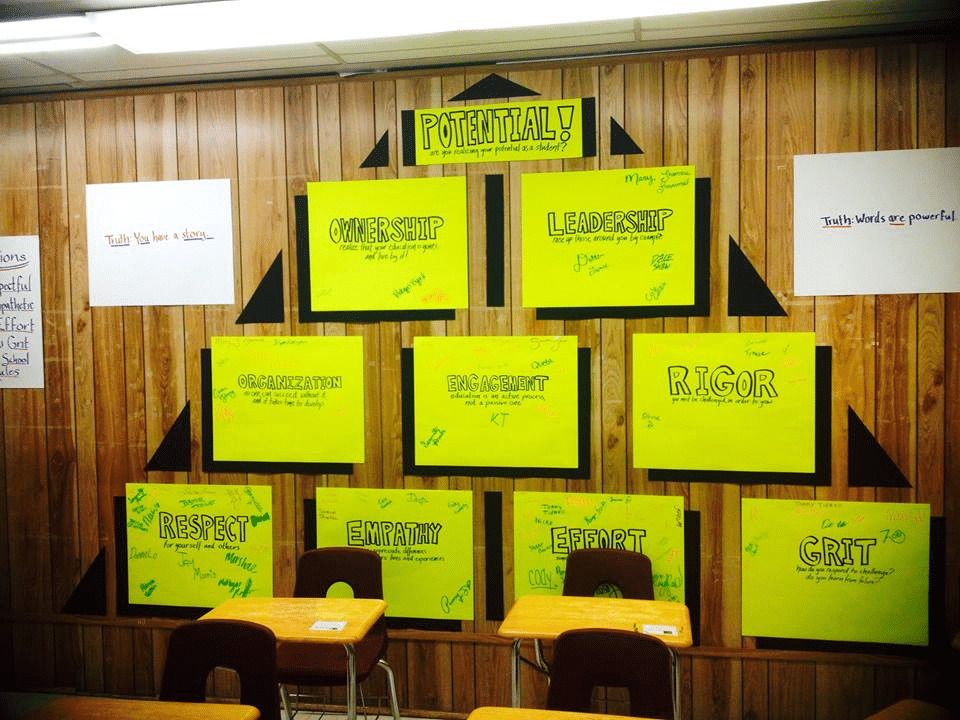
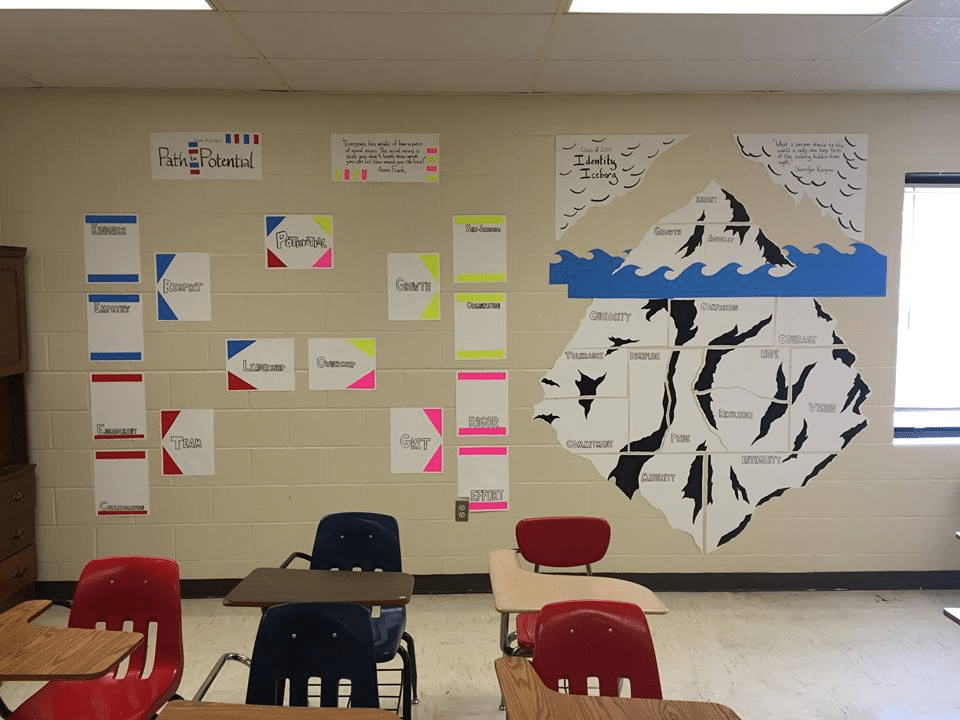
The Pyramid Phase: Heavily inspired by legendary basketball coach John Wooden’s "Pyramid of Success," Luther introduced his first iteration of the system during his initial years teaching high school—building a multi-tiered structural framework of values for students to sign.
Iterative Redesigns: Over subsequent school years, the visual structure underwent several transformations, shifting shapes and layouts to better accommodate multiple class periods and varying cohorts of freshmen through seniors.
The Octopus Era: In his current classroom setup, the system assumed its most recognizable form: an enormous, initially blank octopus graphic spanning a substantial portion of the wall, featuring eight core values represented by its appendages.
Modern Digital Integration: To manage the administrative workflow of housing 150 to 180 students across six distinct class periods, Luther integrated digital tools—such as Google Forms for anonymous nominations and Google Sheets for categorization—transforming a chaotic paper trail into an organized, highly actionable database of student character.
Supporting Data: The Mechanics and Metrics of Peer Affirmation
While the visual centerpiece of the classroom is the whimsical octopus, the infrastructure supporting the system is rooted in strict organization and scalable pedagogy.
Implementing the system requires navigating three foundational steps: establishing core values, facilitating anonymous peer nominations, and executing the public "signing" ritual.
1. Establishing Core Values
Luther purposefully avoids attempting to co-create classroom values from scratch during the frantic opening weeks of a new school year. Instead, he utilizes end-of-the-year reflection surveys from his outgoing students. By asking departing cohorts to evaluate which values mattered most and suggest modifications, Luther allows students to "pay forward" the curriculum into the next academic year. This approach saves crucial instructional time during the chaotic fall semester while maintaining student ownership. Ultimately, Luther settled on eight core values—a number optimized for the octopus theme while preventing students from exhausting the available signature spaces too early in the term.
2. The Nomination Process
To ensure thoughtful participation, Luther waits two to three weeks into the school year before launching the first nomination cycle. This grace period builds anticipation while foundational relationship-building activities take root.
Students submit their nominations via a streamlined Google Form, requiring them to identify a classmate, select a specific core value, and articulate a concrete example of how that student demonstrated the trait. Crucially, these nominations remain strictly anonymous, lowering the social barrier for teenagers who might otherwise feel awkward praising their peers openly.
3. The Ritual of "Signing the Wall"
Once a week—typically on Fridays—Luther initiates the classroom ritual. Using designated pen colors assigned to specific class periods (e.g., blue for first period, green for second), he projects his compiled spreadsheet and reads aloud a nomination snippet without initially revealing the recipient’s name:
"Every time I see them get called on or we go over answers, they always have an answer and go into great detail explaining their answer."
After a theatrical pause, the recipient’s name is announced alongside the corresponding value. The classroom erupts into applause; the student approaches the wall to sign their name; and the community moves to the next affirmation.
Official Responses and Educator Observations
The reception to Luther’s classroom practice offers valuable insight into adolescent psychology and high school culture. Far from rejecting public praise as "uncool," high school students
—ranging from energetic freshmen to cynical, college-focused AP seniors—have consistently embraced the ritual.
According to Luther, initial skepticism or token eye-rolls are common during the first few weeks of implementation. However, once students realize the instructor genuinely values the process, peer culture pivots rapidly.
"If you as a teacher show that you care about it, then they will almost always follow suit," Luther notes, recounting instances where self-conscious students—the very ones prone to feigning indifference—would bring friends by the classroom during lunch simply to show off where they had signed the wall earlier that day.
Perhaps the most telling endorsement came at the end of a chaotic school year when an exceptionally cynical sophomore interrupted final announcements on the literal last day of class, demanding: "Mr. Luther, wait. You said we were going to sign the wall." The entire class stayed, completing their final signatures as a collective closing chapter to the academic year.
Implications: Beyond the Classroom Wall
The implications of structured peer affirmation extend far beyond daily classroom management, offering profound benefits for educators, students, and broader institutional practices.
Holistic Insight for Educators
For teachers managing upwards of 150 students daily, tracking peer nominations provides an invaluable diagnostic lens. Instructors gain immediate insight into social dynamics, helping them identify quiet, unassuming students who consistently improve the classroom environment yet frequently slip beneath the radar of traditional academic assessment.
Strengthening Home-School Connections
The data gathered from peer nominations alters the narrative of traditional parent-teacher interactions. Instead of conferences focusing exclusively on grade point averages or missing assignments, educators can leverage the database to surprise parents with specific, glowing praise from their child’s peers. During fall conferences, ending a meeting by reading aloud what classmates appreciate about a student changes the emotional resonance of the entire encounter.
Simplifying Institutional Demands
Writing compelling, personalized letters of recommendation for university-bound seniors is notoriously time-consuming. Luther utilizes his spreadsheet archive of peer nominations as an immediate, authentic starting point, pulling exact character references provided by the student’s peers to construct deeply resonant letters of recommendation.
Cultivating Intentional School Culture
Ultimately, the success of the classroom octopus highlights a fundamental pedagogical truth: You value what you make space for.
While skeptics might view large classroom art installations as mere decoration, the underlying philosophy addresses a deep, universal human need to be seen, recognized, and valued by one’s peers. By creating structured, repeatable mechanisms for young people to identify strengths in one another and articulate those strengths aloud, educators can fundamentally reshape the emotional climate of their learning environments—proving that peer affirmation is not an administrative luxury, but an essential component of modern education.