Transforming Student Success: How Districts Are Redefining Academic Growth Through Strategic Data and the "If-Then" Mindset
Main Facts
In the modern educational landscape, school districts across the country face the perpetual challenge of defining, tracking, and accelerating student growth. While monitoring academic progress is a daily priority for educators and campus administrators alike, the foundational definitions of what constitutes "typical" or "ambitious" growth often remain ambiguous.
To bridge the gap between abstract metrics and actionable classroom strategies, educational leaders are increasingly adopting an "if-then" framework. This structured mindset connects academic expectations to tangible evidence, transforming raw assessment numbers into proactive, targeted instruction.
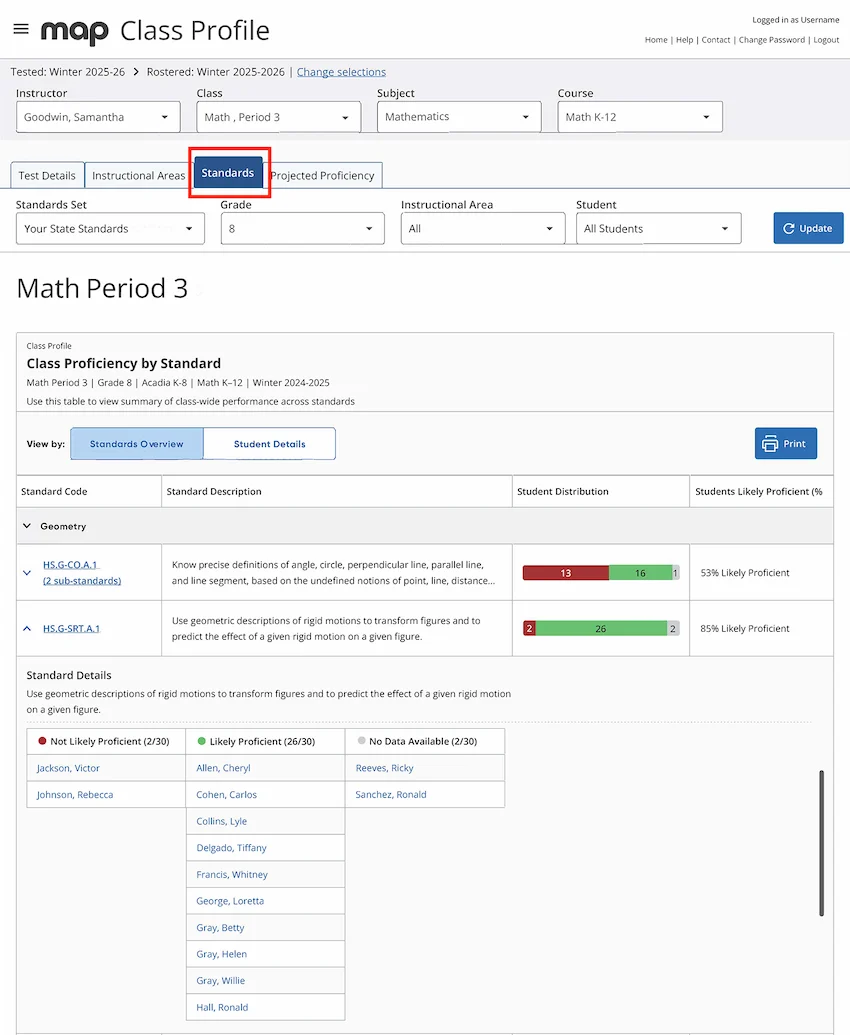
Central to this data-driven evolution is the utilization of standardized assessments like MAP® Growth™, which provides research-backed norms, predictive performance metrics, and detailed diagnostic reports. Recent platform enhancements—such as the newly introduced standards tab in the MAP Growth Class Profile report—further empower educators to move seamlessly from data analysis to targeted instructional interventions, ensuring that every student is adequately supported on their unique learning trajectory.
Chronology of Data-Driven Decision-Making in Education
The journey of how school districts utilize educational technology and growth metrics has evolved significantly over the past several decades, shifting from reactive score-reporting to proactive, real-time intervention.
- The Era of Backward-Looking Metrics (Late 1990s – 2010s): Historically, school districts relied heavily on annual state summative assessments. While these tests provided a snapshot of student mastery, they arrived too late in the academic year to influence day-to-day classroom instruction or allow for meaningful midterm adjustments.
- The Rise of Interim Assessments (2010s – 2020): Districts began implementing mid-year and fall-to-spring interim assessments to monitor progress. However, educators frequently struggled with inconsistent interpretations of growth data across different campuses, grade levels, and departments.
- The Shift to Research-Based Norms (2020 – 2025): The introduction of comprehensive national growth norms allowed educators to compare student performance against peers with similar starting achievement levels. This leveled the playing field, making it easier to identify whether academic progress was truly robust or merely a reflection of baseline privilege.
- The Integration of Predictive Analytics and Real-Time Tools (2025 – Present): Modern educational tools now offer predictive performance trajectories linking interim assessments to college entrance exams (SAT and ACT) as well as state standards. Innovations like the fall 2026 Class Profile report standards tab represent the cutting edge of this evolution, offering instant visibility into class-wide performance without requiring cumbersome administrative steps.
Supporting Data and Diagnostic Frameworks
Understanding student progress requires more than a simple pass-or-fail binary. To maintain academic rigor and accountability, districts rely on specific diagnostic tools and data visualization frameworks that categorize student performance and predict future success.
The Achievement Status and Growth (ASG) Summary
A staple for instructional teams, the ASG Summary with Quadrant Chart allows educators to instantly visualize student data across two critical axes: achievement status and academic growth. Teachers utilize this graphic to:

- Identify students who have successfully met or exceeded growth projections.
- Celebrate institutional and classroom-level successes.
- Pinpoint learners who require immediate intervention or specialized enrichment.
Predictive Validity and College Readiness Linking Studies
Modern growth assessments do not merely look backward; they project future academic trajectories. By leveraging linking studies connecting MAP Growth scores to state assessments, the SAT, and the ACT, instructional leaders can determine whether a student is genuinely on track for long-term proficiency. This allows high schools and middle schools alike to prioritize interventions long before critical high-stakes tests take place.
Official Perspectives and Professional Insights
Educational experts and professional learning facilitators emphasize that the true value of assessment data lies not in the reports themselves, but in the collaborative human conversations that follow.
According to facilitators working with districts nationwide, inconsistency remains one of the primary hurdles in data utilization. When different campuses within the same district interpret identical growth data through entirely different lenses, system-wide progress stalls.
"Data alone does not improve student outcomes; the conversations and actions that follow do," notes instructional leadership literature from professional learning networks. "When we shift our paradigm from asking simply, ‘Did students grow?’ to asking, ‘Are students growing as expected—and what should we do next?’ we transform assessment metrics into catalysts for continuous, district-wide improvement."
Establishing a shared vocabulary and universal framework ensures that growth conversations sound consistent regardless of whether they take place in an elementary school reading circle or a high school algebra department meeting.
Implications for Classrooms, Campuses, and District Leadership
The widespread adoption of the "if-then" mindset and advanced reporting mechanisms carries profound implications for all levels of the educational ecosystem.

1. For Classroom Teachers
Teachers are empowered to move away from guesswork and toward precision teaching. With features like the standards tab in the Class Profile report, educators can evaluate class-wide performance against specific educational standards in real time. This immediate feedback loop facilitates flexible student grouping, allowing teachers to dynamically adjust lesson plans and provide stretch goals for advanced learners while scaffolding support for struggling students.
2. For Campus Administrators
Principals and instructional coaches can utilize district-wide growth metrics to monitor accountability goals effectively. Instead of waiting for annual state reports, campus leaders can identify emerging learning trends mid-term, adjust resource allocations, and target professional development where it is needed most.
3. For District Leadership
Superintendents and curriculum directors gain macro-level visibility into systemic performance. Forward-looking data enables long-term strategic planning, ensuring that district policies effectively bridge achievement gaps before they widen. By fostering a culture where every educator shares a common understanding of what constitutes meaningful growth, districts can build scalable, sustainable systems of student success.
Ultimately, the goal of modern educational assessment is not merely to measure growth, but to deeply understand it, communicate it with absolute clarity, and leverage it to unlock meaningful opportunities for every learner.