From Silent Attendee to State President: How Burges High School Made History and Why Student Leadership Matters
Main Facts: A Historic Milestone for El Paso Education
In a landmark achievement for student governance in Texas, Burges High School in El Paso has shattered long-standing organizational barriers. For the first time in the school’s history, a student from the campus has assumed the prestigious role of state president and student representative for the Texas Association of Student Councils (TASC).
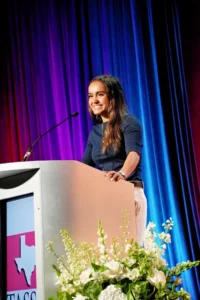
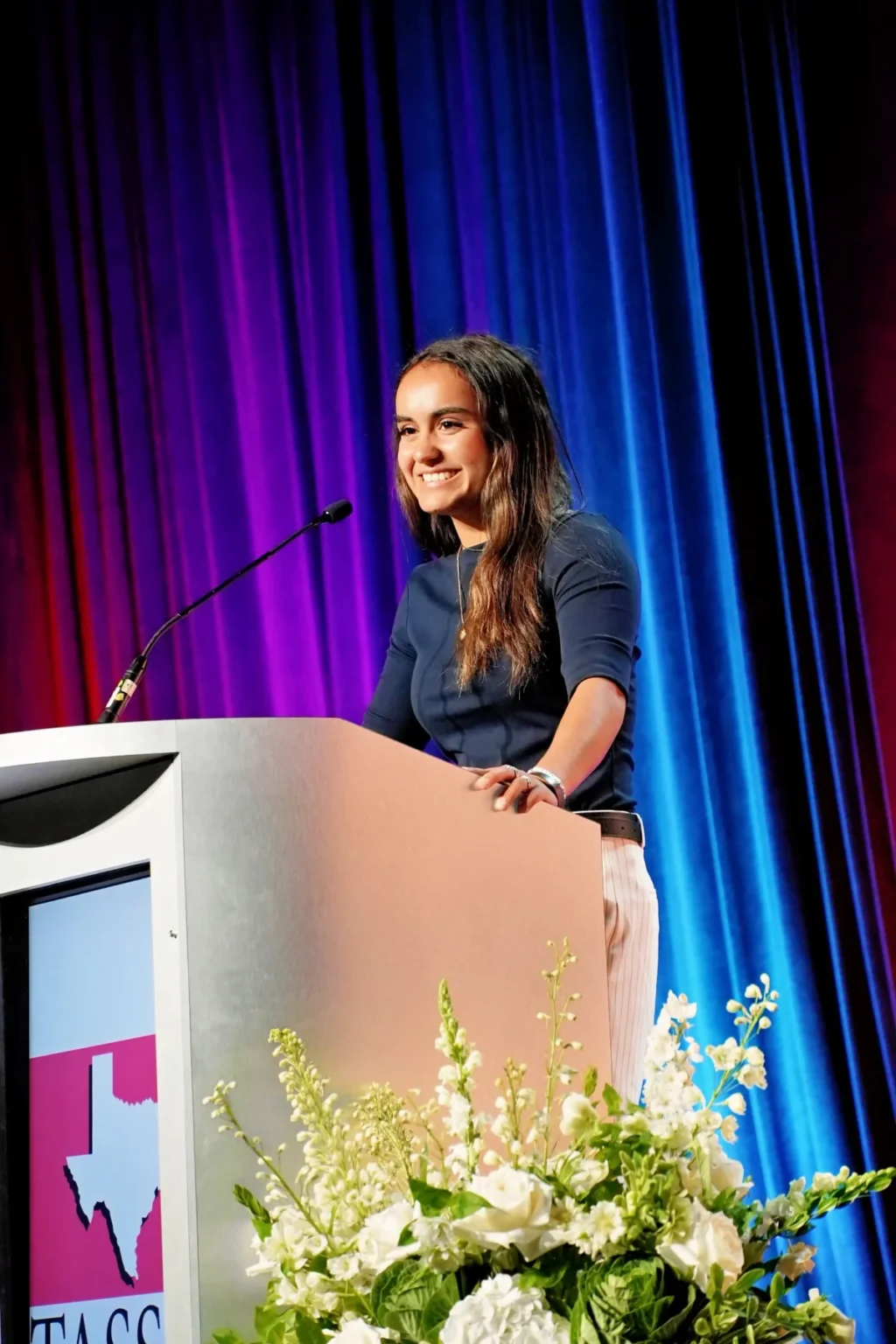
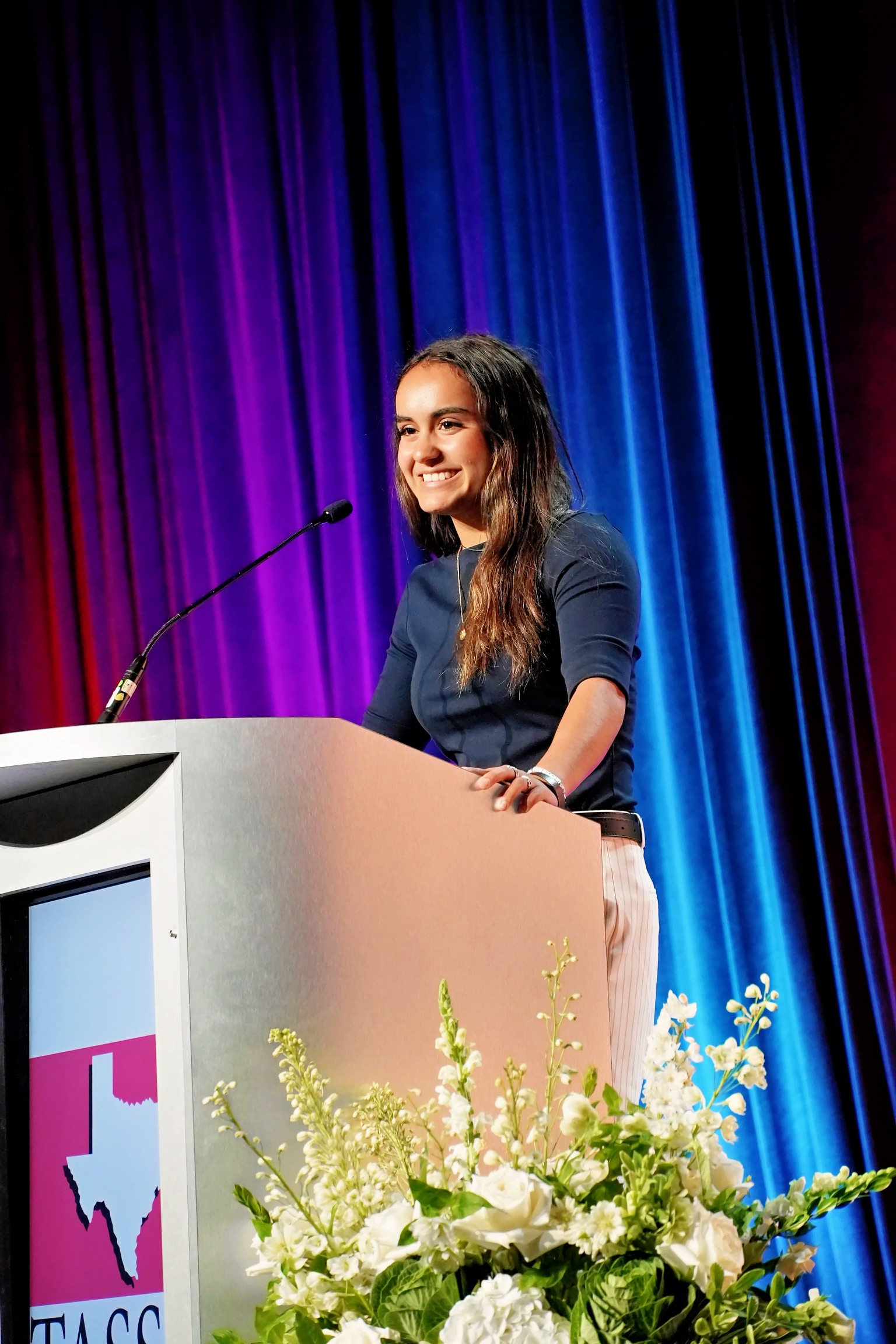
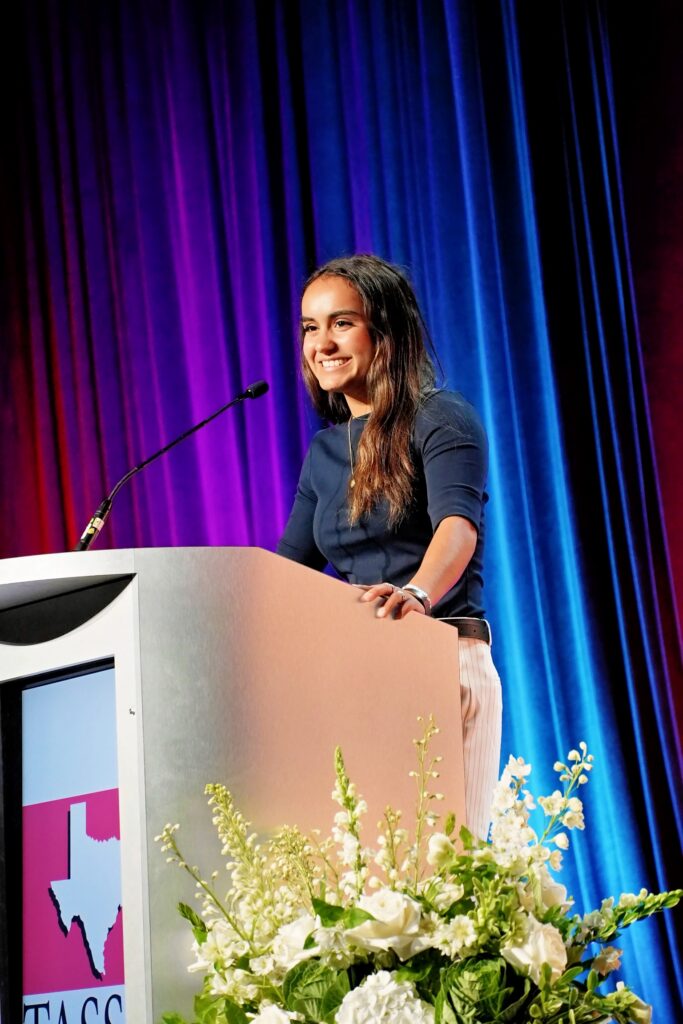
Alexandra “Lexi” Rosales, a senior at Burges High School, stepped onto the grand stage of the 103rd Texas Association of Student Schools and Student Councils (TASSP/TASC) Summer Workshop in Dallas, Texas, to deliver a powerful address. Her central message was not merely a celebration of personal or institutional triumph, but a compelling challenge to school administrators, principals, and educators across the state: true academic and cultural transformation occurs only when school leaders deliberately share power with their student bodies.
The appointment signifies more than a ceremonial title for Burges High School—it designates the campus as the "president school" for the current academic year. This distinction places Rosales at the helm of a statewide network of student leaders, tasking her with shaping initiatives, mentoring emerging voices, and bridging the gap between student aspirations and administrative execution. Yet, as Rosales points out, historic milestones are rarely accidents of history. They are the deliberate products of mentorship, institutional trust, and an administrative willingness to shine a spotlight on youth potential.
Chronology: From the Back Row to the State Stage
The journey to the state presidency did not begin with a fiery speech or an ambitious political campaign. In fact, its origins were remarkably quiet.
- The Quiet Beginning: During her first-ever student council meeting at Burges High School, Rosales experienced no dramatic introduction or unforgettable moment. She walked into the room, took a seat in the back, and remained completely silent throughout the session. Unprepared for the spotlight and lacking the confidence to command attention, she was simply observing the dynamic of the room.
- The Power of Belonging: What compelled Rosales to return to the next meeting was not the administrative agenda, but an intangible sense of belonging. It was the growing, quiet realization that her presence was tolerated, her environment was safe, and perhaps, one day, her voice would matter.
- Cultivating the Voice: Over subsequent semesters, nurtured by supportive advisors and an encouraging campus culture, Rosales transitioned from a passive observer to an active participant. She began sharing ideas, contributing to campus event planning, and recognizing the broader impact of student-led initiatives.
- Ascending to Leadership: Through dedication and local leadership success, Rosales and her peers positioned Burges High School for state-level consideration. The culmination of this trajectory arrived in Dallas at the 103rd TASSP Summer Workshop, where Rosales officially took the oath of state president and student representative, addressing hundreds of educators and student leaders from across Texas.
Supporting Data: The Impact of Student Engagement and Empowerment
The narrative presented by Rosales at the TASSP Summer Workshop aligns with a growing body of educational research highlighting the correlation between student voice, school connectedness, and academic success.
- Statewide Reach: The Texas Association of Student Councils (TASC) serves as one of the largest and most active student leadership organizations in the United States, comprising hundreds of middle and high school chapters across Texas.
- Partnership vs. Performance: Traditional student councils are frequently relegated to planning social events, proms, and homecoming rallies. However, progressive frameworks promoted by organizations like TASC encourage student councils to function as strategic administrative partners. Schools that integrate students into campus improvement plans report measurable improvements in school climate, reduced disciplinary infractions, and higher student retention rates.
- The Dr. James Comer Philosophy: Grounding her thesis in established educational psychology, Rosales referenced renowned child psychiatrist and educator Dr. James Comer, whose foundational research states: "No significant learning occurs without a significant relationship." Data consistently demonstrates that when students feel trusted by administration, the psychological safety of the school increases, directly translating to enhanced academic engagement.
Official Responses and Perspectives
The implications of Rosales’ historic appointment extend far beyond the borders of El Paso, eliciting praise and introspection from educational leaders throughout Texas.
Administrators who have worked alongside the Burges High School student council emphasize that the success of the program stems from a cultural shift away from top-down management. Rather than viewing student councils as compliance-driven entities, progressive principals are discovering the value of bringing student leaders directly into conference rooms.
"When we ask students what our campus actually needs, who we are reaching, and who we are missing, the answers transform our administrative strategy," noted one participating Texas administrator at the Dallas workshop. "We aren’t just giving them a project; we are giving them a stake in the institutional health of the school."
Reflecting on her journey, Rosales underscored that students often struggle with leadership initially simply because they have never been granted permission to be trusted.
"You will likely see students struggle at first, not quite trusting that they will be trusted," Rosales shared during her address. "But then they will start to take ownership and become a bit braver. And I promise you, your students will welcome the chance to make a legitimate impact in your school."
Implications: A Call to Action for Modern Principals
As modern educational landscapes face complex challenges ranging from post-pandemic recovery to mental health crises among adolescents, the insights offered by Burges High School’s historic milestone carry profound implications for school leadership.
1. Shifting from Supervision to Partnership
The traditional model of school administration positions adults as the sole architects of school culture, with students acting as passive consumers of rules and curricula. Rosales’ testimony challenges this paradigm. By inviting student councils to co-create campus culture, principals can leverage an untapped resource for school improvement. When students ask, "Who are we missing?" they frequently identify marginalized or disengaged peer groups that administrative surveys fail to reach.
2. The Mechanics of Trust-Building
Trust cannot be demanded; it must be cultivated. Rosales’ personal anecdote of sitting silently in her first meeting highlights a critical reality: many capable leaders are sitting quietly in classrooms across the country, waiting for an invitation to speak. School leaders must deliberately construct environments where low-stakes participation can evolve into high-impact leadership.
3. Institutionalizing Student Voice Through Organizations
Statewide networks like the Texas Association of Student Councils provide the structural scaffolding necessary to turn local enthusiasm into systemic competence. By engaging with TASC, students learn not just what tasks need to be completed, but why democratic participation, civic responsibility, and empathetic leadership matter in a broader societal context.
Conclusion
The milestone achieved by Alexandra "Lexi" Rosales and Burges High School serves as both a celebration of El Paso student excellence and a blueprint for statewide educational reform. By choosing to shine a light on student potential, opening the doors of the conference room, and listening with genuine intent, school leaders can transform their campuses from places where students merely attend into communities where they truly belong, lead, and thrive.