Beyond the Classroom Door: How Educators are Bridging the Poverty Gap for America’s Vulnerable Students
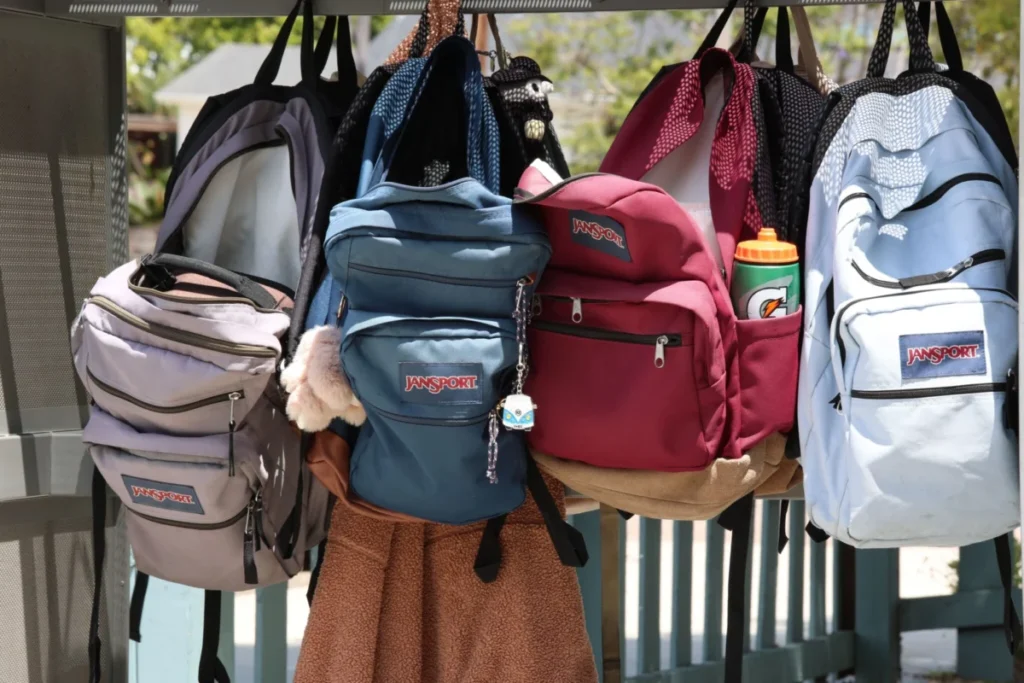
SPRINGBORO, Ohio — For many Americans, the transition from August into September evokes a distinct wave of nostalgia. It brings to mind final sun-drenched afternoons by the public pool, the frantic anticipation of checking class lists on high school doors, and the ritualistic trip to the local shoe store to bargain for the latest trendy sneakers. To a generation of children growing up in the 1990s, the hurdles of a new school year rarely extended beyond securing a fresh pack of scented pencils, a crisp pair of jeans, and perhaps a new Trapper Keeper.
Today, however, the lived reality for millions of American students is vastly different. Behind the gleaming lockers and spirited Friday night football games of modern high schools lies a profound, often invisible struggle. For a growing segment of the student population, the start of the academic year does not mean new clothes and full backpacks; it marks the onset of heightened anxiety over basic survival needs: safe housing, reliable meals, clean clothing, and essential school supplies.
Clayton Lavercombe, the freshman principal of Springboro High School in Springboro, Ohio, and the state coordinator for the National Principals Association, understands this stark contrast intimately. Walking the halls of his school in Warren County—situated crucially between the economic hubs of Dayton and Cincinnati—Lavercombe sees firsthand how macroeconomic pressures trickle down to impact the most vulnerable learners.
"In Warren County, we are seeing an increase in students who don’t have their basic needs met at home," Lavercombe observes. "With costs rising, school supplies are near the bottom of the list when it comes to rent versus shoes, backpacks, and No. 2 pencils."
As inflation and cost-of-living crises continue to strain working-class and impoverished families across the United States, the traditional role of the educator has expanded far beyond curriculum delivery and classroom management. Today’s principals are increasingly acting as frontline social workers, community organizers, and resource brokers.
The Evolution of School Poverty: A Chronological Look at Educational Disparities
To understand how American public schools reached this juncture, it is helpful to examine the shifting socioeconomic landscape over the past several decades.
The 1990s to Early 2000s: The Era of Consumerism and Middle-Class Assumptions
During the final decade of the 20th century, public education discourse largely operated under the assumption that the vast majority of families could independently shoulder the financial burden of back-to-school preparations. While economic disparities certainly existed, they were frequently masked by societal norms that emphasized consumer goods—such as designer sneakers, branded backpacks, and specialized electronic learning tools. Schools functioned primarily as academic and extracurricular hubs, with social safety nets largely restricted to federally subsidized lunch programs and occasional holiday food baskets managed quietly by guidance departments.
The 2008 Financial Crisis and Its Long-Term Aftermath
The Great Recession of 2007–2009 served as a watershed moment for public education. As parental unemployment skyrocketed and housing foreclosures swept across suburban and rural communities alike, schools began noticing a permanent shift in student demographics. Families that had previously been self-sufficient suddenly required external assistance. School districts across the nation began informally expanding their mandates, establishing rudimentary weekend food backpack programs and partnering with local charities to supply winter coats.
The Post-Pandemic Economic Reality (2020–Present)
The COVID-19 pandemic temporarily disrupted traditional schooling while simultaneously laying bare the deep-seated inequities in student access to technology, nutrition, and stable home environments. Federal relief funds provided a temporary cushion, allowing many districts to implement universal free meals and enhance mental health services. However, as emergency funding streams have dried up in the face of persistent inflation, rising housing costs, and stagnant wages, schools are once again grappling with an acute surge in student need. Today, principals find themselves managing a complex ecosystem of poverty where inflation has forced families into agonizing choices between paying utility bills and purchasing fundamental school supplies.
Supporting Data: The Scope of Student Need in Modern Education
The observations shared by educators like Lavercombe are heavily substantiated by national economic and educational research. The intersection of poverty, inflation, and academic performance has become one of the most critical challenges facing the United States educational system.
- Food Insecurity: According to data from the U.S. Department of Agriculture (USDA), over 13 million children lived in food-insecure households prior to recent inflationary spikes. Post-pandemic economic pressures have exacerbated these numbers, forcing millions of families to rely exclusively on school-provided breakfast and lunch programs for their children’s daily nutritional intake.
- The Cost of School Supplies: The National Retail Federation (NRF) reports that the average family with children in elementary through high school spends upwards of $890 annually on back-to-school gear, including apparel, electronics, and traditional supplies. For families living at or near the federal poverty line, this figure represents an insurmountable barrier.
- Housing Instability: Data compiled by the National Center for Homeless Education indicates that over 1.2 million public school students experience homelessness or severe housing instability at some point during an academic year. These students frequently move between temporary shelters, motels, or doubled-up living situations with extended family, making the possession of stable school supplies nearly impossible.
When families are forced to prioritize rent, utilities, and groceries over everything else, educational necessities like binders, scientific calculators, and gym clothes inevitably fall by the wayside.
Official Responses and Administrative Strategies: A Blueprint for Principals
While it is undeniably difficult for educators to witness families struggling against systemic economic pressures, Lavercombe argues that increased awareness also fosters hope, positivity, and a powerful community-driven urge to help. Rather than viewing student poverty as an intractable problem, progressive school leaders are adopting proactive, systematic approaches to ensure that every student’s basic needs are met.
Drawing from his extensive experience in Ohio public schools, Lavercombe outlines four foundational strategies for administrators seeking to support vulnerable students effectively and discreetly:
1. Know Your Community
Building trust within a community requires stepping outside the traditional boundaries of the school building. At Springboro High School, the district’s director of mental health—who also serves on the local city council—founded the Springboro Community Assistance Center, which now operates out of a district building.
The center hosts a bi-monthly food pantry, serving as an organic bridge between the schools and the broader community. Because the pantry is not formally structured as a punitive or strictly academic school function, it provides a safe, welcoming environment for families to interact with school personnel. Through these casual interactions, educators can identify and connect with families whose children may be facing hidden academic, social, emotional, or financial hurdles.
2. Say "Yes" to Community Generosity
In many communities, a profound willingness to help exists among parents and local business owners. During back-to-school nights and open houses, parents frequently express a desire to assist teachers and students if needs arise.
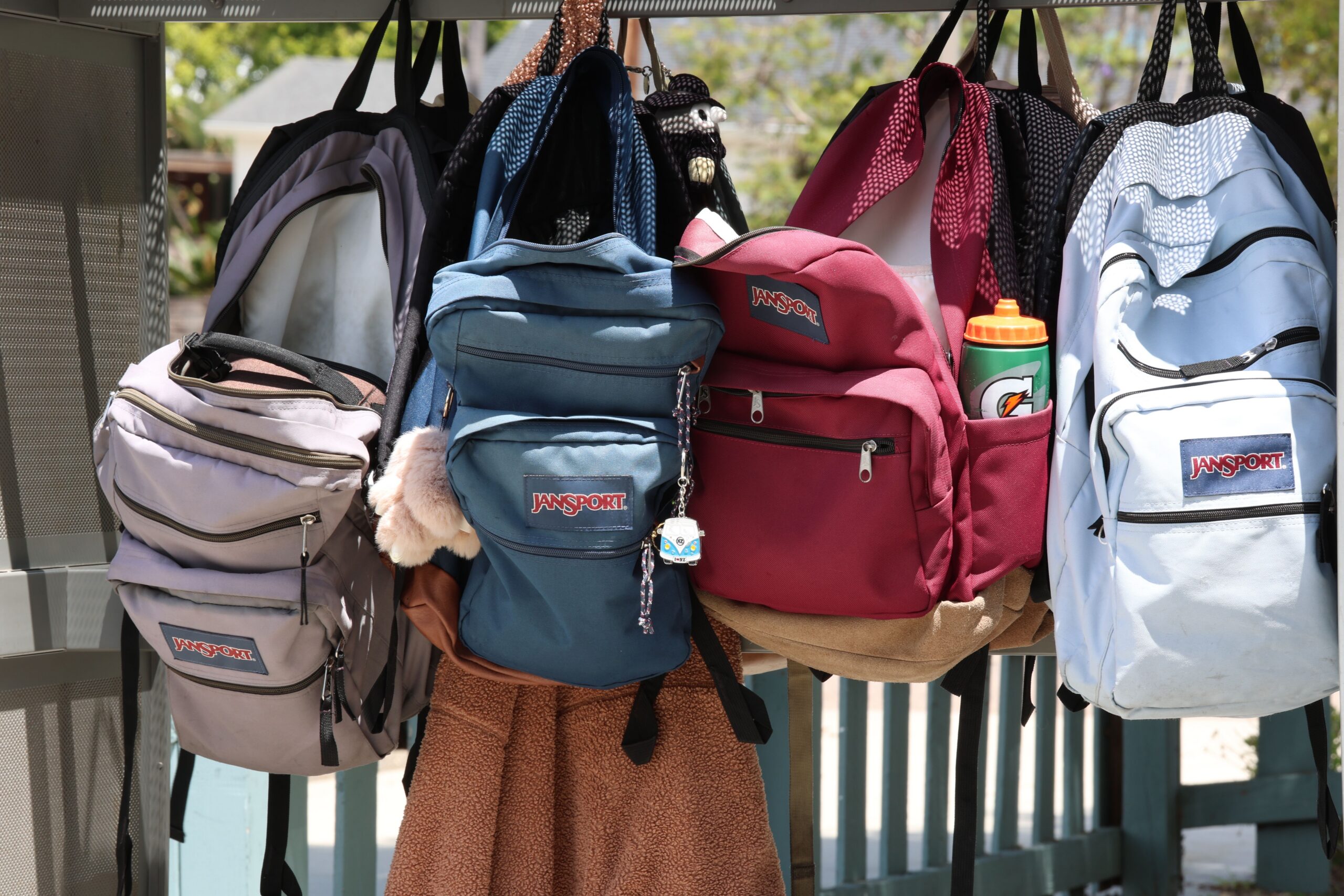
Lavercombe emphasizes the importance of embracing these offers. "Saying yes to donations like backpacks, pencils, school supplies, and new towels can make a difference to a student who may not have those at home," he notes.
Crucially, modern philanthropy in schools relies heavily on discretion. Generous parents often leverage their personal social networks to gather supplies. School administrators must work directly and confidentially with these donors to ensure that aid is distributed without stigmatizing the recipients. Maintaining student privacy is paramount to preserving dignity and ensuring long-term success.
3. Utilize and Expand Existing Resources
Innovative problem-solving often involves looking closely at internal school structures and adapting them for broader community support. Lavercombe shares an illustrative case from the previous academic year involving a student who clearly lacked access to basic home amenities such as laundry facilities or regular showers.
As an identified student with special needs participating in a life skills class, the student routinely assisted with laundering uniforms for the school’s athletic teams. Recognizing an opportunity, the staff gently encouraged the student to bring in his personal clothing to wash alongside the team laundry, while explicitly letting him know that school shower and hygiene facilities were available whenever needed.
By normalizing these offerings and integrating them into daily school operations, districts can dismantle the stigma associated with poverty, making students far more comfortable asking for help.
4. Let Students Lead
Empowerment is one of the most effective antidotes to the feelings of helplessness that often accompany poverty. During the holiday season, Springboro High School witnessed this firsthand when a student volunteered to organize a campus-wide sock drive.
The initiative generated a massive influx of new socks, towels, and underwear, which teachers and guidance counselors were able to distribute directly to students in need. Similar success has been achieved through Thanksgiving food drives and friendly classroom competitions centered around collecting nonperishable goods.
These student-led campaigns accomplish a dual purpose: they provide tangible material relief while teaching young people that their voices possess the power to effect meaningful change for their peers.
Broader Implications for the Future of Public Education
The experiences of schools in Warren County, Ohio, reflect a nationwide transformation in the scope and responsibility of public education. As socioeconomic inequalities widen, the traditional firewall separating academic instruction from social welfare is rapidly dissolving.
The Shift Toward Community Schools
The strategies outlined by educational leaders point toward the broader adoption of the "community school" model—an educational framework where public schools partner with local organizations to provide a coordinated range of supports and services to students, their families, and the wider community. By embedding food pantries, mental health services, and clothing closets directly into the educational ecosystem, schools are acknowledging that a child cannot successfully master algebra or literature if their physiological and safety needs are unmet.
Policy and Funding Challenges
While grassroots generosity and administrative resourcefulness are vital, educators stress that these measures alone are insufficient to resolve systemic poverty. Adequate state and federal funding for public education, expanded social safety nets, and targeted mental health resources remain critical policy imperatives. Without sustained investment, the burden of addressing societal inequities will continue to fall disproportionately on the shoulders of dedicated teachers and school administrators.
Cultivating Empathy and Resilience
Ultimately, the work being done in schools like Springboro High School highlights the enduring power of human empathy. By confronting the realities of student poverty with transparency, creativity, and compassion, educators are doing more than distributing backpacks and socks—they are modeling a culture of care.
In an era defined by economic uncertainty, the message delivered to vulnerable students is clear: you are seen, you are valued, and your community stands ready to support you every step of the way.
About the Author: Clayton Lavercombe is the freshman principal of Springboro High School in Springboro, Ohio, and serves as the Ohio state coordinator for the National Principals Association.