Beyond the Backpack: How School Leaders Are Tackling Student Poverty in America’s Classrooms
SPRINGBORO, Ohio — For many adults, memories of late August evoke a bittersweet nostalgia: the final, sun-drenched days spent at the local pool, the frantic anticipation of posting evening class lists, and the annual pilgrimage to the shoe store to bargain for the latest status symbol—be it a pair of L.A. Lights or Reebok Pumps. Decades ago, for a vast segment of the American middle class, the transition back to school was marked by routine purchases: fresh packs of No. 2 pencils, a crisp haircut, and the comforting certainty of a hot breakfast waiting on the kitchen table.
Today, however, the socio-economic reality inside America’s public schools looks vastly different. For millions of students and the educators who guide them, the back-to-school season is no longer just about academic preparation; it is an urgent scramble to secure basic human necessities.
Clayton Lavercombe, freshman principal at Springboro High School in Springboro, Ohio, and the Ohio state coordinator for the National Principals Association, knows this shift intimately. Stationed in Warren County—situated in the booming corridor between Dayton and Cincinnati—Lavercombe witnesses firsthand the widening chasm between rising household costs and the static financial realities of vulnerable families.
"When I was a kid, I thought most of my peers could afford new pencils, a back-to-school haircut, and breakfast," Lavercombe reflects. "Today, as a high school principal, I am intimately aware of our most vulnerable students, many of whom don’t have their basic needs met at home. With costs rising, school supplies are near the bottom of the list when it comes to rent versus shoes, backpacks, and No. 2 pencils."
While the growing visibility of student poverty can be daunting, school leaders across the nation are discovering that increased awareness also breeds hope, community resilience, and a profound human urge to help. Drawing from his experiences in southwestern Ohio, Lavercombe has outlined a blueprint for educators and administrators navigating these turbulent waters, offering actionable strategies to ensure no student falls through the cracks.
The Evolution of Student Need: A Chronology of Economic Pressure
To understand the modern crisis in American classrooms, one must trace the compounding economic pressures that have reshaped family budgets over the last quarter-century.
The Shift from Luxury to Survival (Late 20th Century)
In the 1990s, school supply lists were largely standardized. Disparities existed, but they were typically masked by social norms or subsidized through basic charitable efforts like local church drives or PTA funds. The primary anxieties of a school administrator centered around academic tracking, extracurricular funding, and standardized test scores. Basic physiological needs—food security, stable housing, and adequate clothing—were largely assumed to be handled within the domestic sphere.
The Great Recession and the Post-Pandemic Reality (2008–Present)
The 2008 financial crisis inflicted a heavy toll on working-class families, permanently altering the job market and housing security for millions. Yet, it was the COVID-19 pandemic and the subsequent economic shockwaves of the 2020s that truly dismantled the fragile safety nets of many households.
Inflation spikes in housing, utilities, and groceries over the past four years have forced families into impossible triage. When a household faces a choice between paying past-due electric bills, meeting monthly rent, or purchasing new sneakers and notebooks for a growing teenager, education supplies inevitably lose out. Consequently, schools have transformed from strictly academic institutions into frontline social service agencies, absorbing the shocks of community-wide economic distress.
Supporting Data: The Scope of Childhood Need in Modern Education
The observations of administrators like Lavercombe are heavily supported by national and regional data concerning childhood poverty, food insecurity, and the hidden costs of public education.
- The Rise of Food Insecurity: According to data from Feeding America, more than 13 million children in the United States face hunger—translating to roughly 1 in 6 children living in food-insecure households.
- The Hidden Costs of "Free" Public Education: Studies by educational equity groups indicate that the average cost of school supplies, fees, and clothes per child has climbed steadily, often exceeding $100 to $200 per student annually. For families with multiple children, these expenses represent an insurmountable barrier at the start of the academic year.
- Housing Instability: The National Center for Homeless Education reports that over 1.2 million public school students experience homelessness or housing instability at some point during the academic year. This instability directly impacts attendance, academic performance, and basic hygiene access.
- The Regional Impact in Ohio: In Warren County, while often perceived as an affluent suburban enclave, pockets of hidden poverty persist. The juxtaposition of rapid commercial growth with stagnant wages for service and blue-collar workers has created a sharp rise in families seeking emergency assistance.
Official Responses and Administrative Strategies
Faced with these systemic challenges, proactive school leaders cannot afford to wait for sweeping macro-economic reforms. They must innovate at the local level. Based on his tenure at Springboro High School, Principal Lavercombe offers four foundational pillars for modern school leadership:
1. Know Your Community Inside and Out
Effective intervention begins with deep, authentic community engagement. Schools cannot operate as isolated academic bubbles; they must serve as community anchors.
At Springboro High School, this philosophy took physical shape through a unique partnership. The district’s director of mental health—who also serves concurrently on the city council—founded the Springboro Community Assistance Center. Remarkably, this resource is housed directly within one of the district’s buildings.
The center hosts a food pantry twice a month, serving as a vital bridge between the schools and the broader community. Because the pantry is distinct from traditional disciplinary or academic school functions, it provides a neutral, safe space for families to connect with educators. Through these interactions, staff can identify families quietly struggling with academic, social, emotional, or financial hurdles before those struggles manifest as chronic absenteeism or behavioral crises.
2. Say "Yes" to Grassroots Generosity
Administrative red tape often stifles well-meaning community members who want to contribute to schools. Lavercombe argues for a culture of radical hospitality toward donors, balanced with strict adherence to student privacy.
During back-to-school nights, parents frequently linger, dropping subtle hints that they are willing to assist if teachers or administrators are in need of supplies. Instead of deflecting these offers, schools should enthusiastically say "yes."
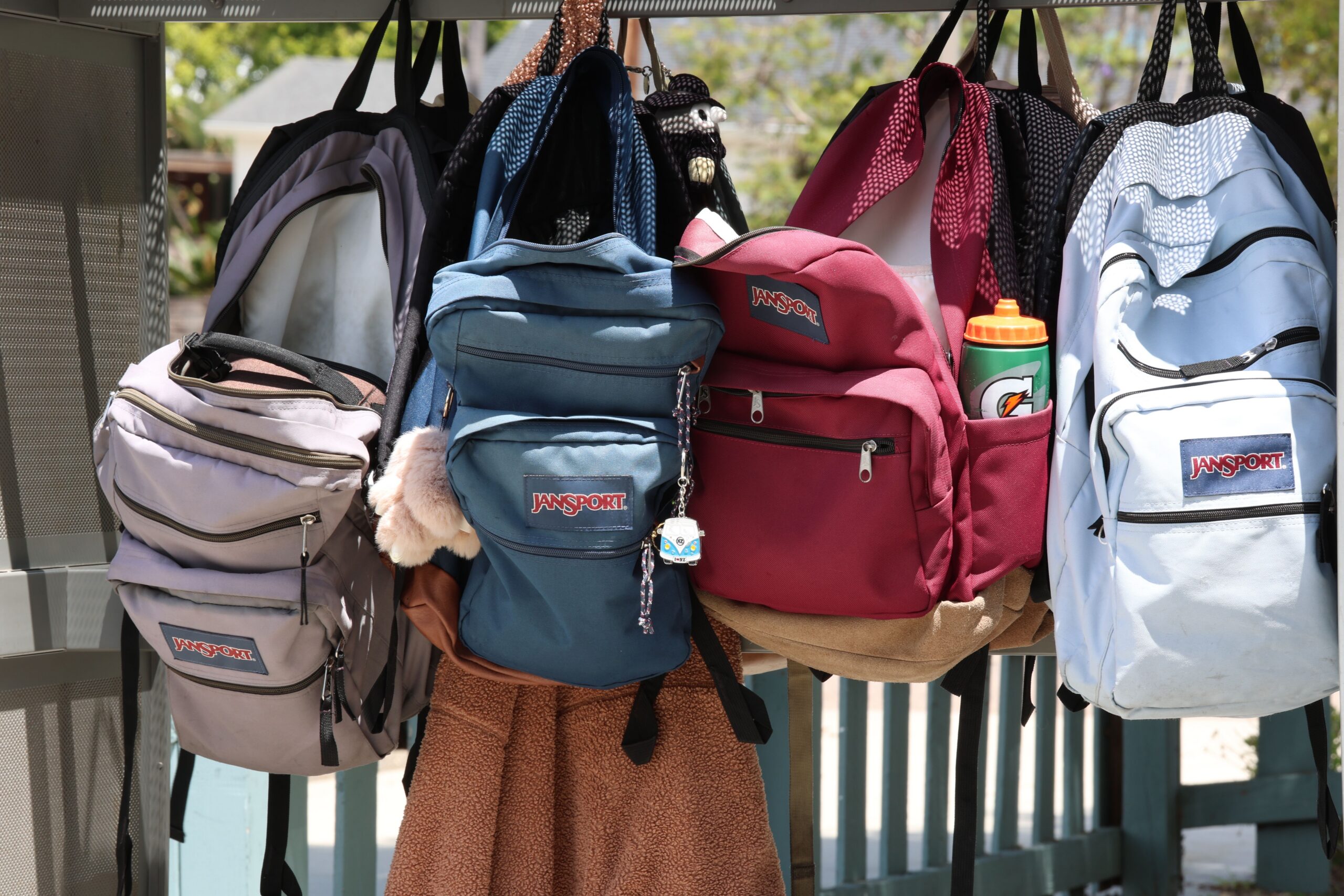
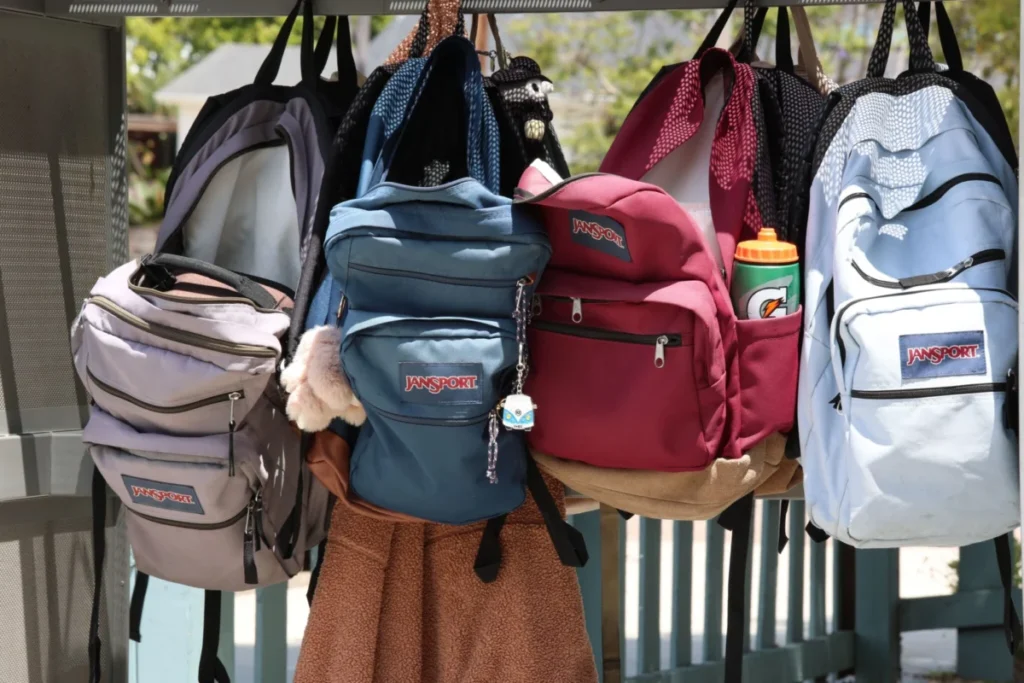
Donations of backpacks, pencils, hygiene products, and new towels can fundamentally alter the daily experience of a student who lacks these items at home. Furthermore, modern donors often leverage their own social media networks to amplify donation drives, creating a virtuous cycle of community support.
However, Lavercombe issues a critical caveat: discretion is paramount. Working with generous individuals must be handled quietly and confidentially. Protecting the dignity of vulnerable students ensures they do not feel stigmatized by the charity they receive.
3. Utilize Existing Resources and Normalize Support
Poverty and a lack of basic hygiene resources carry a heavy social stigma among teenagers. To combat this, schools must creatively leverage existing infrastructure while actively normalizing asking for help.
Lavercombe shares a poignant example from the previous school year involving a student who clearly lacked access to basic home amenities like reliable laundry facilities or regular showers. The student, identified as having special needs, participated in a life skills class that assisted with washing athletic gear for school sports teams.
Rather than isolating the student or treating his situation as a disciplinary or administrative problem, staff gently encouraged him to bring his personal clothing to wash alongside the team’s laundry. Furthermore, they made it clear that school washing and shower facilities were available to him whenever needed.
"The more we can normalize these offerings, the more comfortable students will feel asking for support," Lavercombe notes. By embedding support into standard school operations, administrators strip away the shame traditionally associated with poverty.
4. Let Students Lead the Charge
While adult-led initiatives are essential, sustainable cultural change requires empowering students to take ownership of their school’s community ethos. Peer-to-peer empathy often proves far more effective than top-down administrative mandates.
Last year, a Springboro student volunteered to organize a holiday sock drive. The initiative snowballed, resulting in a massive influx of new socks, towels, and underwear that teachers and guidance counselors could discreetly distribute to students in need. Similarly, Thanksgiving food drives and friendly classroom competitions to assemble the best non-perishable meal boxes have proven immensely successful.
These campaigns achieve a dual purpose: they provide tangible material resources, and more importantly, they teach students that their voices matter. When young people realize they possess the agency to tangibly improve the lives of their peers, it fosters a lifelong commitment to civic responsibility and community care.
Broader Implications for the Future of Public Education
The experiences at Springboro High School point to a broader, nationwide transformation in the role of the public high school principal. The job description has expanded far beyond curriculum design, standardized test preparation, and campus security. Today’s educational leaders are chief community resource officers, trauma-informed counselors, and logistical coordinators for social welfare.
The Policy Debate: Funding vs. Community Action
As educational funding models face intense scrutiny, policymakers are sharply divided on how to address the root causes of student poverty. Critics of increased public spending argue that schools should strictly adhere to core academics, leaving social welfare to dedicated state and local agencies.
Conversely, educational advocates and administrators on the front lines argue that artificial divisions between academic success and basic human welfare are obsolete. A hungry student cannot focus on algebra; a student without proper winter clothing or shoes will likely skip school on cold days, accelerating chronic absenteeism rates.
The Path Forward
Ultimately, the insights shared by leaders like Clayton Lavercombe suggest that while structural economic challenges will not vanish overnight, local communities possess immense capacity for compassionate innovation. By breaking down institutional silos, embracing grassroots partnerships, normalizing the provision of basic needs, and empowering student leadership, schools can transform from places of mere academic instruction into true sanctuaries of human dignity and community resilience.
As a new academic year unfolds across the nation, the blueprint is clear: supporting a student’s education begins long before they open a textbook—it begins by ensuring they have the foundational support required to walk through the school doors with confidence, safety, and pride.
About the Author: Clayton Lavercombe serves as the freshman principal of Springboro High School in Springboro, Ohio, and is the Ohio state coordinator for the National Principals Association.