Behind the Ring Light: The Hidden Mental Health Crisis in Digital Creation and the Launch of "The Check-In"
Introduction and Main Facts
The modern digital landscape presents a profound paradox: while millions of people tune in daily to watch content creators entertain, educate, and inspire, the individuals behind the screen are facing an unprecedented psychological crisis. The relentless demands of the attention economy have birthed a culture of chronic overwork, algorithmic anxiety, and public scrutiny.
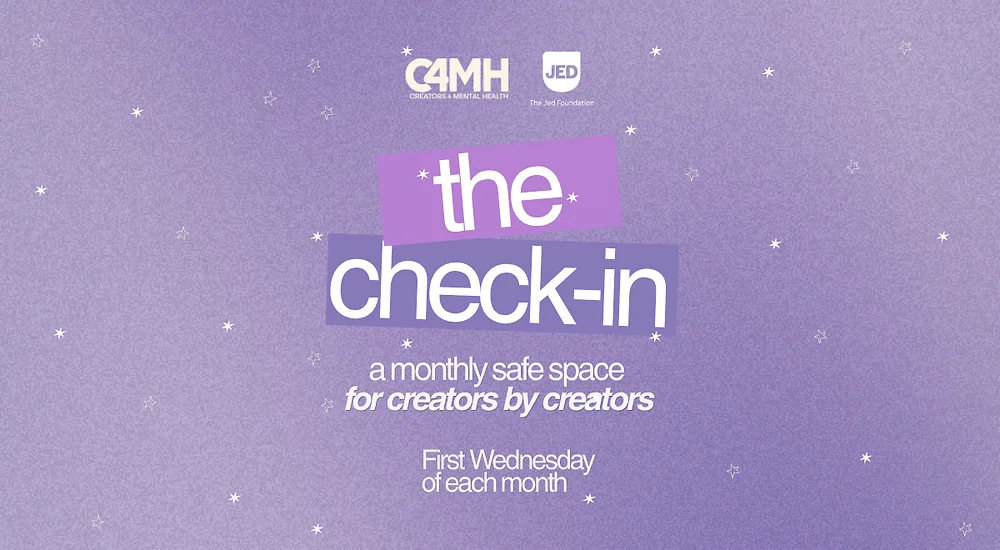
In response to this escalating crisis, The Jed Foundation (JED)—a leading national nonprofit dedicated to protecting emotional health and preventing suicide for teens and young adults—has partnered with Creators 4 Mental Health (C4MH) to launch "The Check-In."
This groundbreaking initiative introduces a new monthly virtual support space specifically designed for digital creators. The program provides a dedicated forum where online personalities can connect, speak candidly about the unique realities and pressures of their profession, and cultivate a robust system of peer-to-peer support.
Media outlets across the spectrum have taken notice of this vital alliance. Major coverage includes a featured segment on NBC News Daily highlighting the partnership, an in-depth report by What’s Trending analyzing the staggering statistics surrounding digital creator burnout, and comprehensive analysis from Tubefilter detailing the operational framework of this new virtual support group.
As the creator economy matures into a multi-billion-dollar global industry, the launch of The Check-In marks a critical turning point. It moves the conversation away from romanticized notions of overnight fame and toward sustainable well-being, acknowledging that mental health infrastructure is urgently needed for those who build their careers in the public eye.
The Anatomy of Creator Burnout: Supporting Data
To understand the necessity of initiatives like The Check-In, one must examine the staggering data defining the modern creator experience. Recent industry studies, highlighted by platforms like What’s Trending, reveal that an alarming 62% of digital creators report experiencing severe burnout.
Unlike traditional employment, where the workday typically ends upon leaving the office, the digital creator lives in a perpetual state of connectivity. The boundaries separating personal lives from professional content creation have effectively dissolved. Creators are expected to maintain a continuous, highly engaged presence across multiple platforms—including YouTube, TikTok, Instagram, and X (formerly Twitter)—to satisfy fickle algorithmic demands.
Key factors contributing to this mental health crisis include:
- The Algorithm Treadmill: Creators face constant pressure to produce high-frequency content. Taking a break often results in algorithmic penalization, leading to sudden drops in reach, engagement, and, consequently, livelihood.
- Public Scrutiny and Cyberbullying: The democratization of fame also brings the democratization of criticism. Creators routinely deal with targeted harassment, trolls, and intense public scrutiny regarding their physical appearance, personal lives, and creative choices.
- Financial Instability: The majority of independent creators operate without the safety nets of traditional employment, such as paid sick leave, health insurance, and retirement plans. Income fluctuations driven by brand deal availability and ad revenue shifts create a perpetual state of financial anxiety.
- Isolation: Paradoxically, despite interacting with millions of viewers daily, content creation is a deeply isolating profession. Many creators work entirely alone from home studios, lacking the collaborative and social environment of a traditional workplace.
These compounding pressures manifest clinically as chronic fatigue, anxiety, depression, sleep disorders, and, in severe cases, suicidal ideation. The need for specialized mental health interventions tailored specifically to the digital ecosystem has never been more urgent.
Chronology of a Movement: From Isolation to Community
The path toward institutional mental health support for digital creators has been paved by years of growing awareness, advocacy, and unfortunate tragedies within the community.
Phase 1: The Illusion of Glamour (Early 2010s–2020)
During the explosive growth phase of platforms like YouTube and Instagram, the narrative surrounding content creation was overwhelmingly positive. Fame, creative freedom, and financial independence were presented as the ultimate rewards. Conversations regarding the psychological toll of maintaining an online persona were largely dismissed or kept private, as creators feared that showing vulnerability would alienate sponsors and audiences.
Phase 2: The Breaking Point and Pandemic Acceleration (2020–2023)
The COVID-19 pandemic caused a massive surge in digital consumption, placing unprecedented demands on creators to keep audiences entertained during lockdowns. At the same time, the isolation of the pandemic exacerbated underlying mental health conditions. High-profile creators began stepping away from the spotlight, citing severe burnout and mental exhaustion. The industry could no longer ignore the cracks in the foundation.
Phase 3: The Birth of Creators 4 Mental Health (C4MH)
Recognizing the systemic nature of the problem, digital advocates, mental health professionals, and prominent creators joined forces to form Creators 4 Mental Health. C4MH was established with a singular mission: to destigmatize mental health discussions within the digital creator ecosystem and provide tangible resources to those suffering in silence.
Phase 4: The Partnership with JED and the Launch of "The Check-In" (Present)
The collaboration between JED and Creators 4 Mental Health represents the formal institutionalization of creator support. By combining JED’s decades of expertise in youth and young adult mental health with C4MH’s deep, firsthand understanding of the digital creator community, the partners developed The Check-In.
As reported by Tubefilter, this monthly virtual support group officially launched to provide a safe, moderated environment where creators can unpack their struggles. The initiative bridges the gap between clinical mental health resources and the unique, subcultural realities of online fame.
Official Responses and Perspectives
The launch of The Check-In has drawn widespread praise from mental health advocates, industry insiders, and creators alike.
Leadership at The Jed Foundation emphasized that the emotional well-being of digital creators must be treated as a public health priority. In statements accompanying the launch, JED representatives noted that the parasocial relationships built between creators and their audiences often mask profound personal loneliness. By providing a structured, safe space to talk openly, The Check-In aims to dismantle the culture of perfectionism that dominates social media.
Creators 4 Mental Health echoed these sentiments, pointing out that peer validation is one of the most powerful tools for recovery and resilience. For too long, creators have viewed their struggles as personal failings rather than systemic outcomes of an unregulated, hyper-demanding industry. C4MH leaders stressed that the monthly meetings are designed not just as venting sessions, but as active incubators for coping strategies, boundary-setting, and mutual aid.
Media coverage from outlets such as NBC News Daily has further validated the initiative, bringing the conversation out of niche internet culture and into mainstream households. When legacy news broadcasts examine creator burnout, it signals a broader societal shift in how we view digital labor and the human cost behind our entertainment.
Implications for the Future of the Creator Economy
The introduction of The Check-In and the broader partnership between JED and Creators 4 Mental Health carry profound implications for the future of digital media.
1. Shifting Industry Standards
As mental health resources become more accessible, the culture of "hustle culture" glorification within the creator economy may begin to shift. Brands, talent agencies, and platform-hosting companies will face increased pressure to prioritize the mental health of their talent, potentially leading to more sustainable contract structures, mandatory time-off policies, and integrated wellness resources.
2. De-Stigmatizing Vulnerability
When high-profile creators openly participate in spaces like The Check-In, it sets a powerful precedent for their millions of followers. By normalizing conversations around anxiety, burnout, and therapy, creators can actively combat the stigma of mental illness among Gen Z and millennial audiences, who view these digital personalities as trusted role models.
3. A Blueprint for Institutional Support
The JED and C4MH partnership serves as a scalable blueprint for how traditional health organizations and modern digital communities can collaborate. As the digital landscape continues to evolve—with the integration of artificial intelligence, virtual reality, and ever-shifting algorithms—having established mental health infrastructure will ensure that human well-being remains at the center of technological innovation.
Conclusion
The launch of The Check-In is much more than the creation of a monthly support group; it is a vital reclamation of humanity in a digital world that often reduces people to metrics, views, and engagement rates. By acknowledging that 62% of creators are suffering from burnout and offering a tangible space for healing, JED and Creators 4 Mental Health are building a safer, more sustainable future for everyone who creates and consumes content online.