A Crucial Investment in America’s Future: Why the Fiscal Year 2025 Federal Budget is Being Hailed as a Major Win for Infants and Toddlers
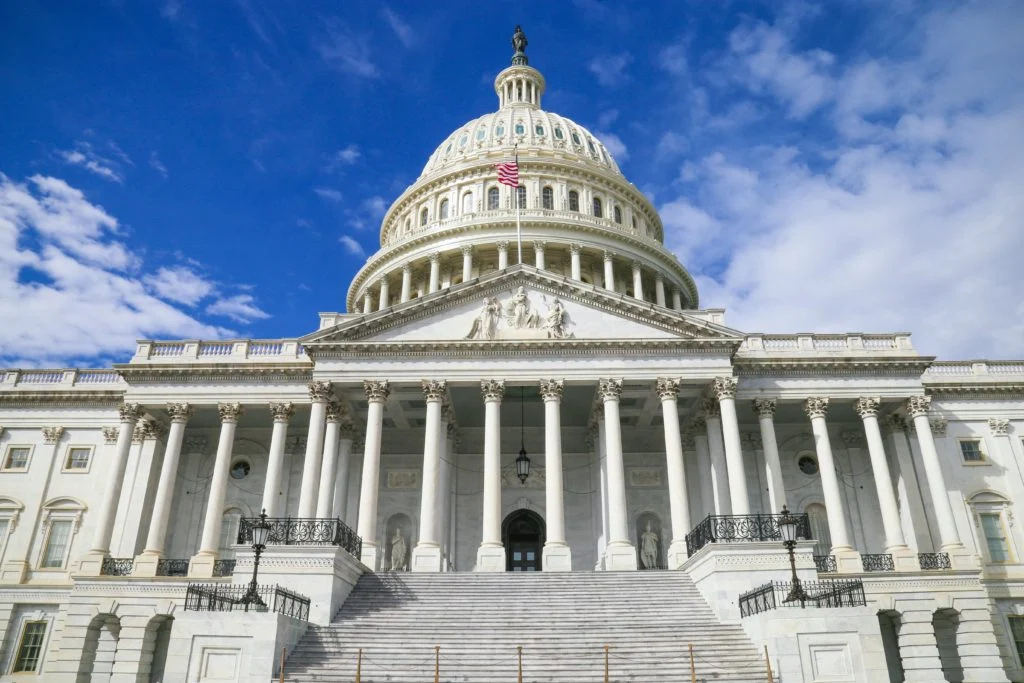
WASHINGTON, D.C. — In the landscape of federal policymaking, the needs of the nation’s youngest citizens are too often sidelined by more politically volatile debates. However, child advocacy groups, early childhood development experts, and family support coalitions are pointing to a major shift in federal priorities. Following the release of the President’s proposed Fiscal Year 2025 federal budget, leading early childhood development organizations have expressed enthusiastic support for sweeping new investments designed to give America’s infants and toddlers the strongest possible start in life.
Leading the charge in applauding the administration’s fiscal blueprint is ZERO TO THREE, the nation’s premier early childhood development nonprofit. For decades, the organization has worked tirelessly to ensure that babies are put first in policy discussions, recognizing that the earliest months and years of human development lay the immutable foundation for all future cognitive, emotional, and physical well-being.
According to policy analysts, the FY 2025 budget moves past standard rhetoric, offering tangible, targeted funding proposals aimed at rectifying some of the most persistent systemic challenges facing young families today. From addressing maternal mortality crises to expanding affordable child care and mental health services, the budget has been framed not merely as a fiscal document, but as a moral roadmap for the nation’s priorities.
Main Facts: What the FY 2025 Budget Proposes for Families
At its core, the President’s proposed budget for Fiscal Year 2025 recognizes that a child’s environment from birth to age three profoundly shapes their developmental trajectory. The policy framework draws heavily on data showing that robust early interventions yield compounding dividends, reducing educational disparities, lowering healthcare costs, and enhancing long-term economic productivity.
The overarching architecture of the budget addresses what early childhood advocates call the "five pillars" essential for infant and toddler well-being:
- Maternal Health: Combating the unacceptably high rates of maternal mortality and morbidity, particularly among women of color, through expanded postpartum healthcare coverage and improved maternal care access.
- Infant and Early Childhood Mental Health (IECMH): Providing specialized resources to support the emotional well-being of babies and equipping caregivers and pediatric professionals with the tools to identify and address trauma or developmental stressors early.
- Child Care: Investing heavily in the child care sector to lower costs for working families, raise wages for early educators, and expand supply—particularly for infant care, which is notoriously scarce and expensive.
- Housing Stability: Ensuring that families with very young children are protected from the catastrophic impacts of housing instability and homelessness.
- Economic Security: Advancing tax credits, nutrition programs, and income supports that directly lift families with babies out of poverty.
By embedding these priorities into the federal ledger, the administration has signaled that investing in babies is foundational to the nation’s overall economic and social health.
Chronology: The Path Leading to the FY 2025 Budget
To understand the significance of the FY 2025 budget proposal, it is necessary to examine the timeline of advocacy, research, and legislative milestones that brought early childhood issues to the forefront of national politics over recent years.
The Wake-Up Call of the Pandemic (2020–2021)
The COVID-19 pandemic exposed the fragility of America’s care infrastructure. As child care centers closed and economic pressures mounted, millions of families with infants faced unprecedented strain. Temporary federal relief measures, such as the expanded Child Tax Credit, briefly cut child poverty to historic lows, proving that targeted government intervention could effectively eradicate child poverty. However, when these temporary measures expired, advocates intensified their pressure on Capitol Hill to make these supports permanent.
The Release of the "State of Babies Yearbook" (2022–2023)
In the years following the pandemic, organizations like ZERO TO THREE utilized rigorous data collection—exemplified by initiatives like the State of Babies Yearbook—to document state-by-state disparities in infant well-being. These reports provided lawmakers with undeniable evidence regarding the gaps in maternal health, child care access, and economic security across different regions of the United States.
The State of the Union Address and Budget Rollout (Early 2024)
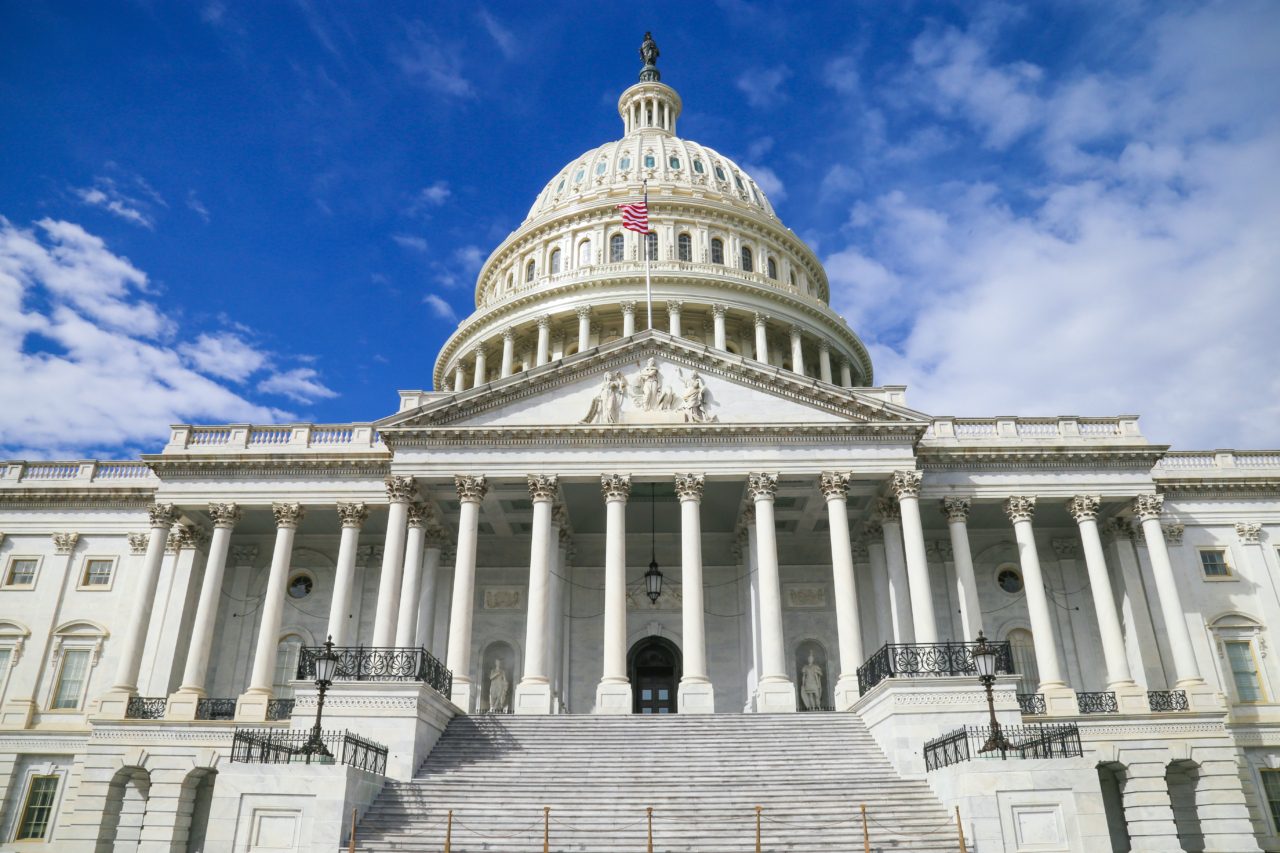
The momentum culminated in early 2024. During the State of the Union address, the President laid out a sweeping vision for American families, emphasizing lower child care costs, paid family leave, and strengthened healthcare access. Just days later, that vision was codified into the official Fiscal Year 2025 budget proposal, translating executive rhetoric into concrete funding requests and setting the stage for legislative battles in Congress.
Supporting Data: The Urgent Need for Investment
The enthusiasm surrounding the FY 2025 budget is rooted in stark empirical realities. Decades of neuroscience and developmental psychology research confirm that the human brain develops faster in the first three years of life than at any other stage. During this critical window, more than one million new neural connections are formed every second.
Despite this biological imperative, public support systems in the United States have historically lagged behind those of other developed nations. Consider the following data points that illustrate the stakes:
- The Child Care Crisis: According to data from the Department of Labor, infant care is the most expensive type of formal child care, often exceeding the cost of in-state college tuition. Many families spend upwards of 20% to 30% of their income just to secure safe care while they work.
- Maternal Mortality: The United States continues to experience maternal mortality rates that far exceed those of other high-income nations, with Black and Native American mothers facing risks up to three times higher than their white counterparts.
- Economic Vulnerability: Infants and toddlers remain disproportionately represented among children living in poverty. Research consistently shows that early childhood poverty creates toxic stress that can alter brain architecture and permanently impact lifelong health and learning outcomes.
- Mental Health Gaps: Demand for infant and early childhood mental health services has surged, yet the supply of trained specialists who understand the unique relational and emotional needs of babies remains critically low.
These data points underscore why child advocates view the FY 2025 budget not as a luxury, but as an urgent intervention required to protect the nation’s most vulnerable demographic.
Official Responses and Stakeholder Perspectives
The unveiling of the budget has drawn widespread praise from advocacy networks, healthcare professionals, and policy leaders nationwide, though it has also sparked fierce debates regarding fiscal priorities on Capitol Hill.
Voices from the Advocacy Frontlines
Miriam Calderón, Chief Policy Officer at ZERO TO THREE, articulated the sentiment of the early childhood community following the budget’s release:
"If implemented, President Biden’s budget released today will make our nation a better and fairer nation to have and raise a baby. ZERO TO THREE has urged Congress and the Administration to prioritize the needs of babies and their families in five key areas: maternal health, infant and early childhood mental health, child care, housing and economic security. And, in last week’s State of the Union address, the President laid out a path toward a future where families are empowered and have choices about their baby’s future. This proposed budget expands on this vision with proposals that address all facets of young children’s development."
Calderón also emphasized that executive action is only the first step in a longer legislative journey. Directly addressing the road ahead, she noted:
"Now, Congress must work with the Administration to deliver for families and babies. We look forward to working with Congressional appropriators and our baby champions on the Hill to make these bold proposals a reality."
Broader Perspectives on Early Childhood Standards
While the budget proposals offer significant optimism, the broader landscape of early childhood education remains fiercely contested. Recent regulatory debates—such as proposed changes to federal Head Start standards—have highlighted ongoing tensions between maintaining rigorous developmental benchmarks and managing operational flexibilities for providers. Early childhood leaders have consistently warned that weakening foundational standards for programs like Head Start could leave vulnerable infants and toddlers behind, making the funding streams and protections in the FY 2025 budget even more critical as a counterweight.
Implications: What the FY 2025 Budget Means for the Future
The debate over the Fiscal Year 2025 budget is far more than a routine exercise in federal accounting; it is a referendum on societal values and long-term national strategy. The implications of enacting—or failing to enact—these proposed investments will reverberate across generations.
1. Economic Productivity and Workforce Participation
By prioritizing affordable child care and universal pre-K pathways that begin early, the budget addresses a primary barrier keeping parents—particularly mothers—out of the workforce. When families have reliable access to infant care, parents can sustain employment, advance their careers, and contribute more robustly to the national economy.

2. Reducing Long-Term Healthcare and Social Costs
Intervening during the first three years of life is one of the most cost-effective investments a government can make. Programs that support maternal health, nutritious diets, stable housing, and infant mental health prevent chronic physical and psychological conditions down the line. By catching developmental delays and health issues early, the state reduces the burden on special education systems, juvenile justice frameworks, and adult healthcare infrastructure.
3. The Legislative Battle Ahead
As the budget process transitions from executive proposal to congressional negotiation, champions of early childhood development face an uphill battle. Lawmakers will have to reconcile competing demands for federal spending, address national debt concerns, and navigate deep partisan divides.
However, advocates maintain that support for babies should transcend political polarization. Raising a child is a universal human experience, and ensuring that every infant has access to health, security, and developmental support is a goal that aligns with core American values.
Conclusion
The President’s Fiscal Year 2025 budget represents a watershed moment for early childhood policy in the United States. By aligning federal investments with the real-world needs of babies and their families—spanning maternal health, mental wellness, child care, housing, and economic security—the administration has set a high standard for governance.
As Joe Weedon, representative for ZERO TO THREE, and other national leaders continue to rally support, the ultimate success of these initiatives now rests in the hands of Congress. For America’s youngest citizens, the stakes could not be higher. If lawmakers rise to the occasion and turn these bold proposals into law, the FY 2025 budget will be remembered not just as a financial document, but as the moment the nation truly decided to put its babies first.