
Beyond the Brown Bag: The Ultimate Guide to Stress-Free, Nutrient-Packed School Lunches
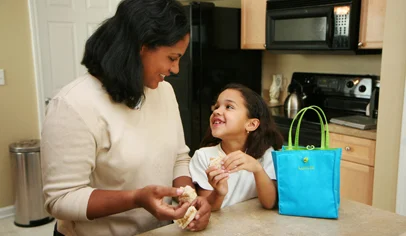
As the back-to-school season approaches, households across the country face a familiar, recurring daily challenge: preparing school lunches that are nutritious, appealing to children, and quick to assemble during frantic morning routines. Packing a mid-day meal often feels like an exhausting chore, prone to repetition and unease when uneaten food returns home at the end of the day.
However, child nutrition experts and experienced educators agree that lunchtime does not have to be a battleground of discarded vegetables and untouched sandwiches. By shifting the paradigm from rigid meal planning to flexible, interactive, and visually engaging formats, parents can transform the midday meal into an anticipated highlight of the school day.
Below is a comprehensive guide to revitalizing the school lunchbox, featuring ten creative, customizable meal concepts, expert-backed preparation strategies, and practical tools to streamline your back-to-school season.
The Evolution of the School Lunch: Main Facts and Context
The modern school lunchbox has evolved significantly from the standard turkey-and-cheese sandwich on white bread. Driven by shifts in nutritional science, busy modern family schedules, and a deeper understanding of how children interact with food, parents are increasingly moving toward modular, grazing-style meals.
Recent dietary surveys indicate that children are far more likely to consume their lunch when they have autonomy over what they eat and how it is presented. Bento-style boxes, deconstructed meals, and finger foods encourage sensory engagement and reduce the intimidation factor often associated with large, unified portions of unfamiliar foods.
Furthermore, packing school lunches at home offers significant financial and health advantages over purchasing cafeteria meals or relying on highly processed, prepackaged convenience foods. By maintaining control over ingredients, sodium levels, and portion sizes, parents can ensure their children receive sustained energy for afternoon academic and physical activities.
Chronology of a Successful Lunch Routine: From Weekly Planning to Classroom Bell
Mastering the school lunch is less about what happens at 6:30 a.m. on a Tuesday and more about a structured weekly timeline. Establishing a predictable routine removes morning friction and ensures fresh, balanced meals.
Phase 1: The Weekend Audit and Grocery Run (Sunday)
- Review Schedules: Check the family calendar for after-school sports, clubs, or late days that might impact hunger levels or eating times.
- Inventory Check: Assess what proteins, fruits, and grains are already in the refrigerator or pantry.
- Targeted Shopping: Utilize centralized platforms like TeacherLists to cross-reference school supply requirements while picking up bulk lunchbox staples.
Phase 2: Batch Prep and Component Sorting (Sunday Afternoon or Monday)
- Wash and Chop: Rinse and slice fresh fruits and vegetables (carrots, bell peppers, cucumbers) immediately upon returning from the store, storing them in clear, airtight containers.
- Bake Ahead: Prepare a batch of mini pancakes, muffins, or homemade chicken bites to freeze for quick weekday rotation.
- Portion Snacks: Divide larger bags of pretzels, popcorn, or crackers into individual reusable snack bags.
Phase 3: The Evening Assembly (Night Before, 8:00 p.m.)
- Pack the Main: Assemble bento boxes, pinwheels, or deconstructed sandwiches the night before and seal them tightly in the refrigerator.
- Prep Accessories: Place napkins, utensils, and leak-proof condiment containers (for dressings or dips) inside the lunchbox.
- Stage Water Bottles: Fill reusable water bottles and leave them on the counter or in the fridge door.
Phase 4: The Morning Hand-Off (School Day, 7:00 a.m.)
- Final Assembly: Transfer pre-packed containers from the refrigerator into the insulated lunch bag, adding an ice pack if necessary.
- Quick Check: Ensure the water bottle is secure and that any necessary allergy-safe substitutions are in place.
- Departure: Hand the lunchbox to your child, encouraging independence as they carry it out the door.
Supporting Data: Why Interactive Lunches Work
Child development specialists and pediatric dietitians point to several behavioral patterns that validate interactive, modular school lunches:
- Reduced Food Waste: Studies show that when children are given choices within parameters (such as picking a fruit and a crunch for their bento box), food waste drops by up to 30%.
- Sensory Appeal: Children naturally gravitate toward vibrant colors and varied textures. A lunch containing red strawberries, green cucumber slices, yellow cheese cubes, and brown crackers stimulates multiple senses, making the meal inherently more inviting.
- The "Autonomy Effect": Allowing children to assemble their own meals—such as building a deconstructed sandwich or dipping chicken bites into ranch dressing—fosters a sense of ownership. When children feel they "made" their lunch, they are significantly more likely to eat it.
- Nutritional Diversity: Modular lunches inherently encourage variety. Instead of relying on a single food group (like carbohydrates from a large sandwich), children are exposed to proteins, healthy fats, complex carbohydrates, and micronutrients in every compartment.
10 Creative and Flexible Kids’ Lunch Ideas
To keep boredom at bay, rotate through these ten simple yet inspiring lunchbox formulas designed for busy school mornings and adaptable to a wide range of palates and dietary restrictions.
1. Build-Your-Own Bento Box
Bento-style containers make it easy to offer variety without cooking an entirely different meal. Let your child choose a few favorites from each category to mix and match throughout the week:
- Protein: Turkey slices, cheese cubes, hummus, hard-boiled eggs, plain Greek yogurt, or bite-sized grilled chicken.
- Fruit: Strawberries, red or green grapes, thin apple slices, blueberries, mandarin oranges, or melon chunks.
- Veggies: Baby carrots, crisp cucumber slices, bell pepper strips, sugar snap peas, or cherry tomatoes.
- Crunch: Whole-grain crackers, pretzels, popped popcorn, or baked pita chips.
- Something Fun: A small treat, a nutrient-dense granola bar, or a favorite specialized snack.
(Note: Always review your school’s current allergy policies before packing items containing common allergens like tree nuts or peanuts.)
2. Deconstructed Sandwiches
Some children love traditional sandwiches, while others prefer to keep their ingredients separated. A deconstructed sandwich gives them the best of both worlds. Pack crackers or artisan bread slices, sliced turkey or chicken, cheese squares, and fresh fruits or vegetables in separate compartments. Your child can assemble mini sandwiches at the lunch table or enjoy each element individually. For an extra touch of fun, use small cookie cutters to press bread or cheese slices into stars, hearts, or animal shapes.
3. Pinwheel Wraps
Transform a standard tortilla wrap into bite-size pinwheels that are exceptionally easy for younger children to handle. Spread a soft flour tortilla with cream cheese, hummus, or mashed avocado, then layer with thinly sliced turkey and cheese, shredded chicken and finely chopped veggies, or any flavor combination your child prefers. Roll the tortilla tightly and slice it crosswise into neat, appealing rounds. Rotate fillings weekly to keep this staple exciting.
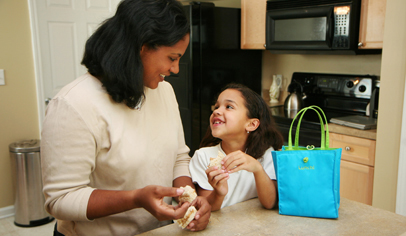
4. Lunchbox Dippers
Everything tastes more engaging when there is an interactive element involved. Incorporate dipping sauces in secure, leak-proof containers:
- Crispy chicken bites paired with ranch dressing or honey mustard.
- Fresh carrot sticks, cucumber rounds, and bell pepper strips with rich hummus.
- Crisp apple slices paired with yogurt or smooth sunflower seed butter.
- Pita chips or pretzels served with a favorite savory or sweet dip.
5. DIY Lunchable
Skip processed, store-bought convenience packs and create a custom lunchable at home. It is cost-effective, easily customizable, and helps clear out leftover ingredients from your refrigerator. Pack whole-grain crackers, cubed cheese, sliced deli meats, fruit, and a small snack. For variety, substitute pita bread, hummus, steamed edamame, or mini pancakes. Involving your child in picking these combinations builds excitement for lunchtime.
6. Breakfast for Lunch
Pancakes and waffles are universally loved and do not belong exclusively to the morning meal. Pack mini pancakes or whole-grain waffles alongside a small container of yogurt and fresh berries for dipping. Complement the sweet elements with a hard-boiled egg, turkey sausage links, or another protein source. Pro tip: Make a large batch of mini pancakes on the weekend and freeze them so you always have a ready-to-go lunchbox component.
7. Pizza Lunch Box
Pizza is a staple of childhood cuisine, and it does not require a cardboard delivery box to be enjoyed at school. Pack mini naan flatbreads or pita rounds alongside shredded mozzarella cheese and pepperoni slices, allowing your child to construct their own cold mini pizzas. Include a side of fruit or raw vegetables to ensure nutritional balance. If packing leftover cooked pizza, check your school’s food storage guidelines and whether microwave reheating facilities are accessible to students.
8. Fruit & Cheese Snack Box
For children who prefer grazing over consuming a heavy, single-course meal, curate a grazing box filled with bite-sized portions of familiar favorites. Pair sharp or mild cheese cubes with red grapes, apple slices, fresh berries, whole-wheat crackers, rolled turkey slices, and a small piece of dark chocolate or a yogurt drop. Adjust the contents weekly based on pantry availability.
9. Quesadilla Triangles
Quesadillas are exceptionally versatile, highly customizable, and can be prepared in bulk ahead of time. Fill a flour or corn tortilla with shredded cheese and lean proteins like chicken, black beans, or finely diced vegetables. Cook until golden and melted, allow to cool completely, and cut into neat triangles. Pack with small containers of salsa, guacamole, or sour cream if your child enjoys dipping. Cutting them into smaller, manageable pieces makes them ideal for early-elementary students.
10. Snack-Size Sandwiches
Shrink a classic sandwich to make lunchtime feel playful and approachable. Use a metal cookie cutter to punch out circular mini sandwiches, or slice a standard sandwich into bite-sized squares and triangles. Experiment with creative fillings throughout the week, such as turkey and cheddar, sunflower seed butter and berry preserves, hummus and shredded spinach, or a mild chicken salad.
Official Responses and Expert Recommendations
School nutritionists, pediatricians, and educational administrators consistently emphasize several core principles regarding children’s meals at school:
- The Independence Mandate: "One of the most common pitfalls we see is parents packing elaborate, beautiful lunches that require adult dexterity to open," notes Dr. Emily Vance, a pediatric dietitian specializing in school-age nutrition. "If a child cannot open their own containers, wrappers, or water bottles, they simply won’t eat. Practicing container management at home before the school year starts is just as important as choosing the food itself."
- Allergy Compliance and Community Safety: School districts nationwide maintain strict allergen-awareness protocols, particularly regarding peanuts, tree nuts, and dairy. Administrators strongly urge parents to consult official school handbooks before packing meals, ensuring a safe environment for immunocompromised or severely allergic students.
- Hydration Integration: Public health officials remind families that cognitive function and classroom focus are directly tied to hydration. Schools recommend durable, spill-proof reusable water bottles labeled clearly with the student’s name, encouraging frequent sips throughout the academic day.
Implications for Families and the Back-to-School Season
Adopting a structured, flexible approach to school lunch preparation yields benefits that extend far beyond the cafeteria. By streamlining the meal-packing process, families reclaim valuable morning hours, reducing household stress before the school day even begins.
Furthermore, engaging children in the planning and selection stages lays a foundational understanding of nutrition, self-regulation, and food preparation that will serve them well into adulthood. When paired with streamlined back-to-school tools—such as utilizing centralized supply lists via platforms like TeacherLists to coordinate classroom essentials—parents can approach the academic year with confidence, organization, and peace of mind.
Ultimately, a successful school lunch is not defined by culinary perfection, but by nourishment, enjoyment, and the simple joy of opening a lunchbox to find a meal crafted with care.