Beyond the Classroom: How CodeMonkey is Redefining STEM Education for the Next Generation
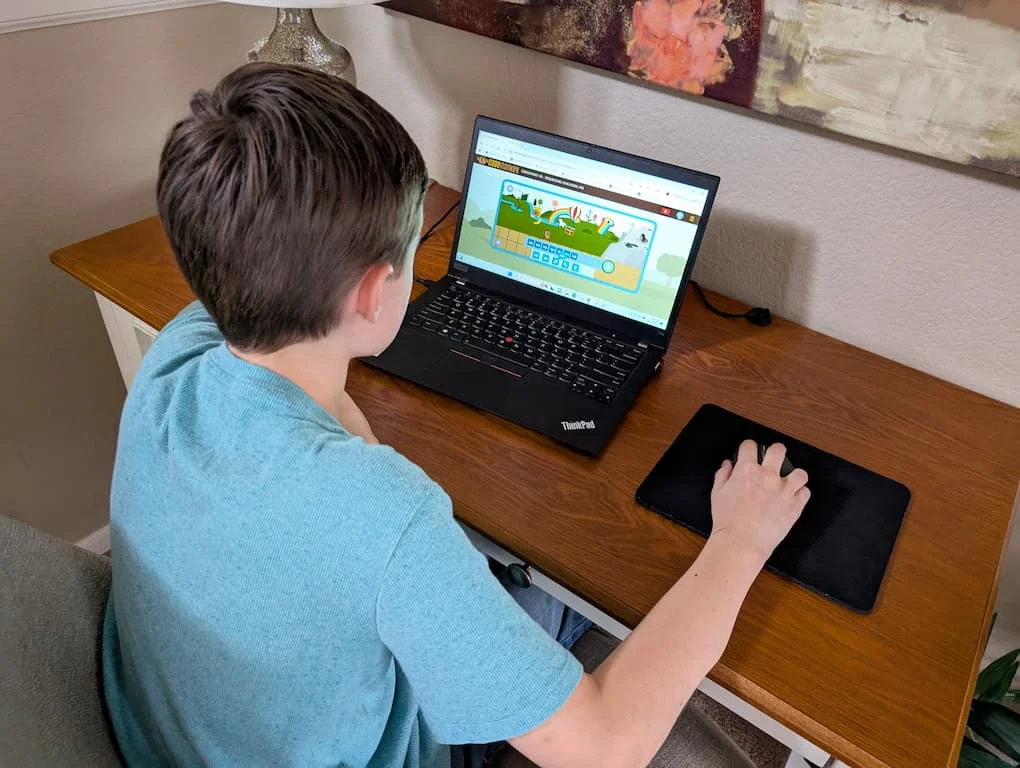
In an era where digital literacy is as fundamental as reading and writing, the search for effective, engaging tools to teach children how to code has become a top priority for educators and parents alike. Traditional methods—often consisting of dense textbooks or passive YouTube tutorials—frequently fail to capture the attention of a generation raised on interactive media. Enter CodeMonkey, an award-winning, game-based learning platform that is transforming the landscape of computer science education. By replacing rote memorization with immersive, gamified challenges, CodeMonkey is proving that the path to mastering complex programming languages like Python and JavaScript can be as exhilarating as any mainstream video game.
The Evolution of Coding Education: A Chronology of Progress
The history of teaching children to code has shifted dramatically over the past two decades. In the early 2000s, programming education was largely restricted to high school electives, utilizing syntax-heavy languages that were often inaccessible to younger students. The introduction of "block-based" coding, popularized by platforms like Scratch, marked the first major shift, allowing children to understand logic without the frustration of syntax errors.
CodeMonkey represents the next logical step in this evolution. Founded on the principle that programming is a creative, expressive skill, the platform launched with a mission to bridge the gap between visual, logic-based puzzles and professional-grade text-based programming.
- The Early Phase: The platform debuted with its flagship "Coding Adventure," focusing on intuitive, CoffeeScript-based challenges that introduced students to the fundamentals of syntax through immediate visual feedback.
- Expansion: Recognizing the need for a tiered learning structure, the company expanded its curriculum to include "CodeMonkey Jr." for pre-readers and early elementary students, utilizing visual blocks to teach computational thinking.
- The Modern Era: Today, the platform encompasses hundreds of challenges, a Game Builder tool, and a robust teacher-parent dashboard, cementing its place as a comprehensive ecosystem for STEM learning.
Understanding the CodeMonkey Ecosystem
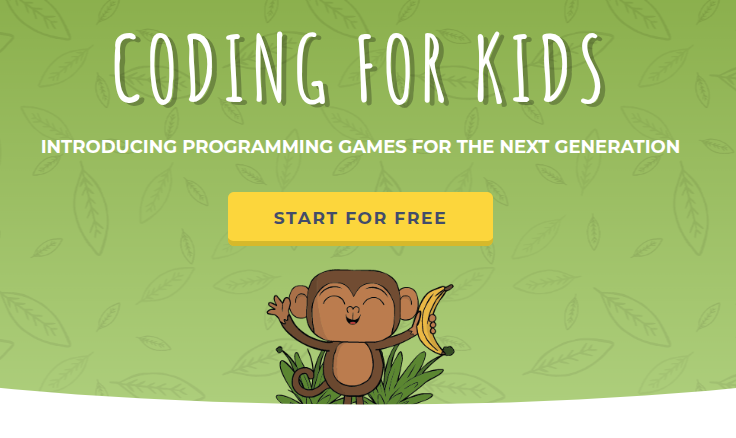
At its core, CodeMonkey is designed to dismantle the intimidation factor often associated with computer science. The premise is simple yet effective: students guide a monkey through a series of increasingly complex environments to collect bananas. To accomplish these tasks, they must write real, functional code.
The Curriculum Structure
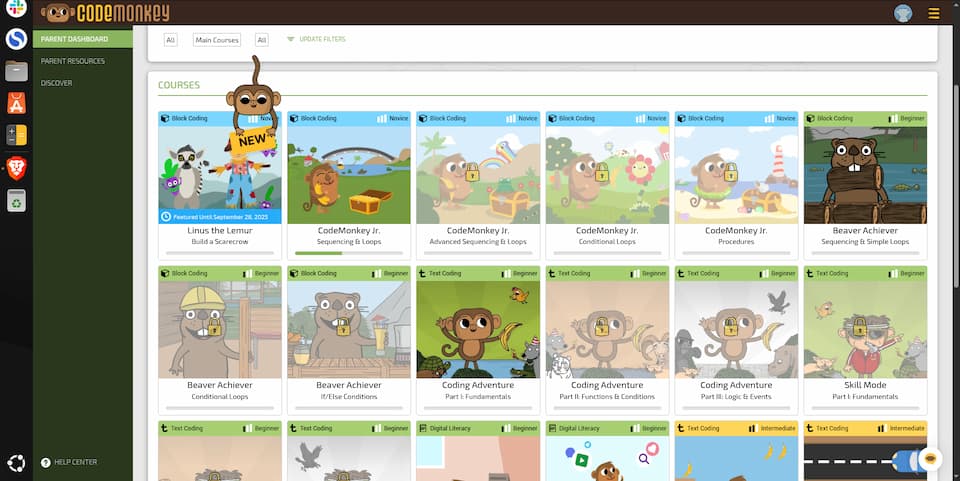
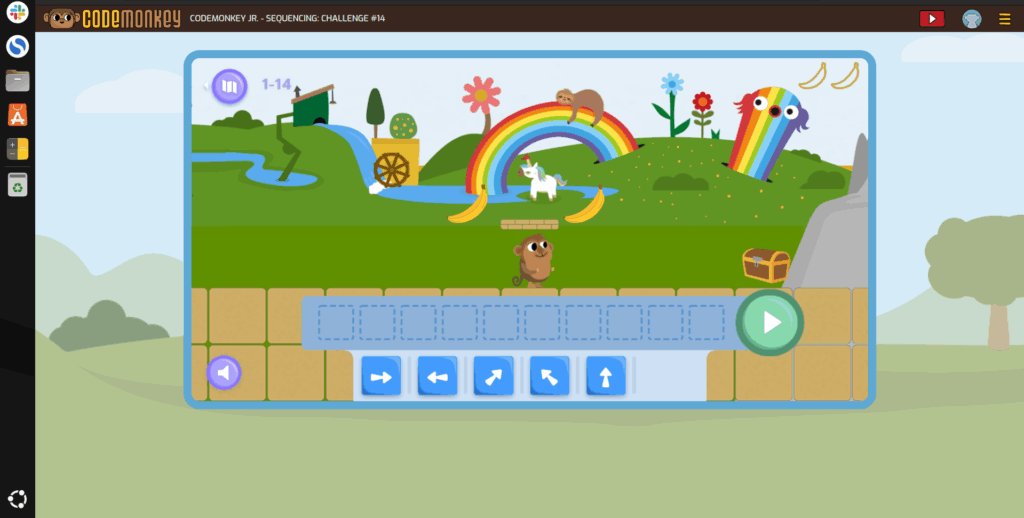
The platform is meticulously tiered to grow with the student. For the youngest learners, CodeMonkey Jr. provides a gentle introduction to programming logic. By utilizing icons and visual blocks, children build foundational skills in sequencing, loops, and pattern recognition without needing to know how to read or type.
As students mature, the platform transitions them to Coding Adventure, where they begin writing text-based code. The transition is seamless; the platform provides scaffolding that helps students move from the drag-and-drop environment of their youth to the professional syntax required for real-world software development.
The Power of Gamification
What distinguishes CodeMonkey from other platforms is its sophisticated use of gamification. Every challenge is a puzzle that requires logical decomposition—the ability to break a large, complex problem into smaller, manageable parts. By rewarding students with stars based on the efficiency and accuracy of their code, the platform encourages not just "getting the job done," but writing clean, elegant, and professional-grade solutions.
Supporting Data: Why Gamified Learning Works
Educational research consistently shows that active learning environments yield better retention rates than passive observation. Data from pedagogical studies suggests that when students engage with coding through game-based environments, they develop "computational thinking"—a problem-solving methodology that is applicable far beyond the computer screen.
- Immediate Feedback Loops: In traditional coding, an error might not be discovered until an entire program is run. In CodeMonkey, the "monkey" movement happens in real-time, providing instant feedback. This allows students to iterate and debug their logic immediately, reinforcing the trial-and-error process inherent in professional software engineering.
- Increased Engagement: For children, the distinction between "play" and "work" is critical. By embedding Python and JavaScript within a narrative structure, CodeMonkey sustains student interest, reducing the high attrition rates typically seen in introductory computer science courses.
- Standardization of Skill Sets: With over 400 challenges, the curriculum ensures that students encounter a diverse array of concepts, including loops, functions, variables, arrays, and boolean conditions, in a consistent, logical order.
Programming Concepts: Building the Foundation
CodeMonkey does not "dumb down" programming. Instead, it simplifies the introduction to complex concepts, ensuring that by the time a student reaches the advanced levels, they are handling topics that would typically be taught in a first-year college computer science course.
From Basic Loops to Advanced Logic
The curriculum emphasizes the concept of loops early on. By teaching students to recognize patterns in the monkey’s movement, they quickly learn to replace redundant, manual instructions with automated loops. This is the cornerstone of efficiency in programming.
Variables and Conditionals
As students progress, they encounter variables—the "boxes" where data is stored. Understanding how to define a variable and manipulate its value is crucial for creating dynamic programs. This is followed by conditional logic (if-else statements), which allows the program to make decisions based on the state of the game. For example, "If the monkey sees a banana, move left; else, move right."
Objects and Arrays
For older students, the platform introduces objects and arrays. By treating the game elements as data structures, students learn how to organize information. This moves them from "scripting" to true object-oriented thinking, providing them with a foundational understanding of how professional applications—like websites and mobile apps—are structured.
Official Perspectives: The Role of the Educator and Parent
The efficacy of CodeMonkey is heavily reliant on the support system surrounding the student. Whether in a classroom or a homeschool setting, the platform is designed to empower the teacher or parent as a facilitator rather than a lecturer.
The Teacher’s Role
Teachers have access to a comprehensive dashboard that provides insights into class performance. They can track which students are struggling with specific concepts and which are ready for more advanced challenges. This allows for differentiated instruction, ensuring that no student is left behind and no student is bored.
The Parent’s Perspective
For parents, particularly in the homeschooling community, the platform provides a structured path for computer science education that requires minimal technical expertise from the parent. The availability of video tutorials, chatbots, and clear lesson plans means that parents can confidently guide their children through the material, regardless of their own coding background.
Implications for the Future: Preparing for the Workforce
The long-term implications of using a platform like CodeMonkey are significant. By introducing these skills in elementary and middle school, the program helps dispel the myth that coding is an arcane skill reserved for geniuses. It normalizes the language of technology.
A Pathway to Career Readiness
While the immediate goal is to teach logic and syntax, the ultimate implication is career readiness. Proficiency in Python and JavaScript—the languages used at the heart of the modern internet—gives students a massive competitive advantage. Whether they pursue careers in data science, web development, or artificial intelligence, the mental frameworks established in CodeMonkey provide a sturdy foundation for future learning.
Bridging the Digital Divide
Because CodeMonkey is a web-based platform, it has the potential to democratize access to high-quality computer science education. Provided with a computer and an internet connection, a student in a remote area can access the same curriculum as a student in a major metropolitan tech hub.
Conclusion: A New Standard for Learning
CodeMonkey has successfully navigated the difficult balance between entertainment and education. By respecting the intelligence of its young users while acknowledging their need for engagement, it has created a tool that feels less like a course and more like a playground.
As we look toward a future where the ability to interact with and create technology will be the primary driver of economic and personal success, platforms like CodeMonkey are not just helpful—they are essential. They turn the complex, often frustrating process of learning to code into a rewarding adventure, one banana at a time. For parents, teachers, and students alike, it represents a gold standard in modern STEM education, proving that when learning is made fun, there is no limit to what a child can achieve.

If you are interested in exploring how CodeMonkey can fit into your child’s educational journey, you can learn more and get started here.