Beyond the "Egg-Crate": Can Team-Based Staffing Solve the Crisis in American Education?
For over a century, the American classroom has remained remarkably static: one teacher, one room, one roster. This “egg-crate” model—designed for the industrial era—has long been criticized for trapping educators in silos, leading to systemic isolation, burnout, and a lack of professional growth opportunities. As districts nationwide grapple with teacher shortages and stagnant student performance, a new, more collaborative approach is gaining traction: the Next Education Workforce™ (NEW) model, pioneered by Arizona State University.
Recent research, conducted by a team at the Center on Reinventing Public Education (CRPE), offers the most rigorous look yet at what happens when a large, diverse school district abandons the traditional model in favor of team-based staffing. The findings present a nuanced picture: while the model is a clear "win" for teacher retention and professional satisfaction, its impact on student achievement is more complex, showing significant promise in specific subjects like middle school math.
The Evolution of the Classroom: What is "Teaming"?
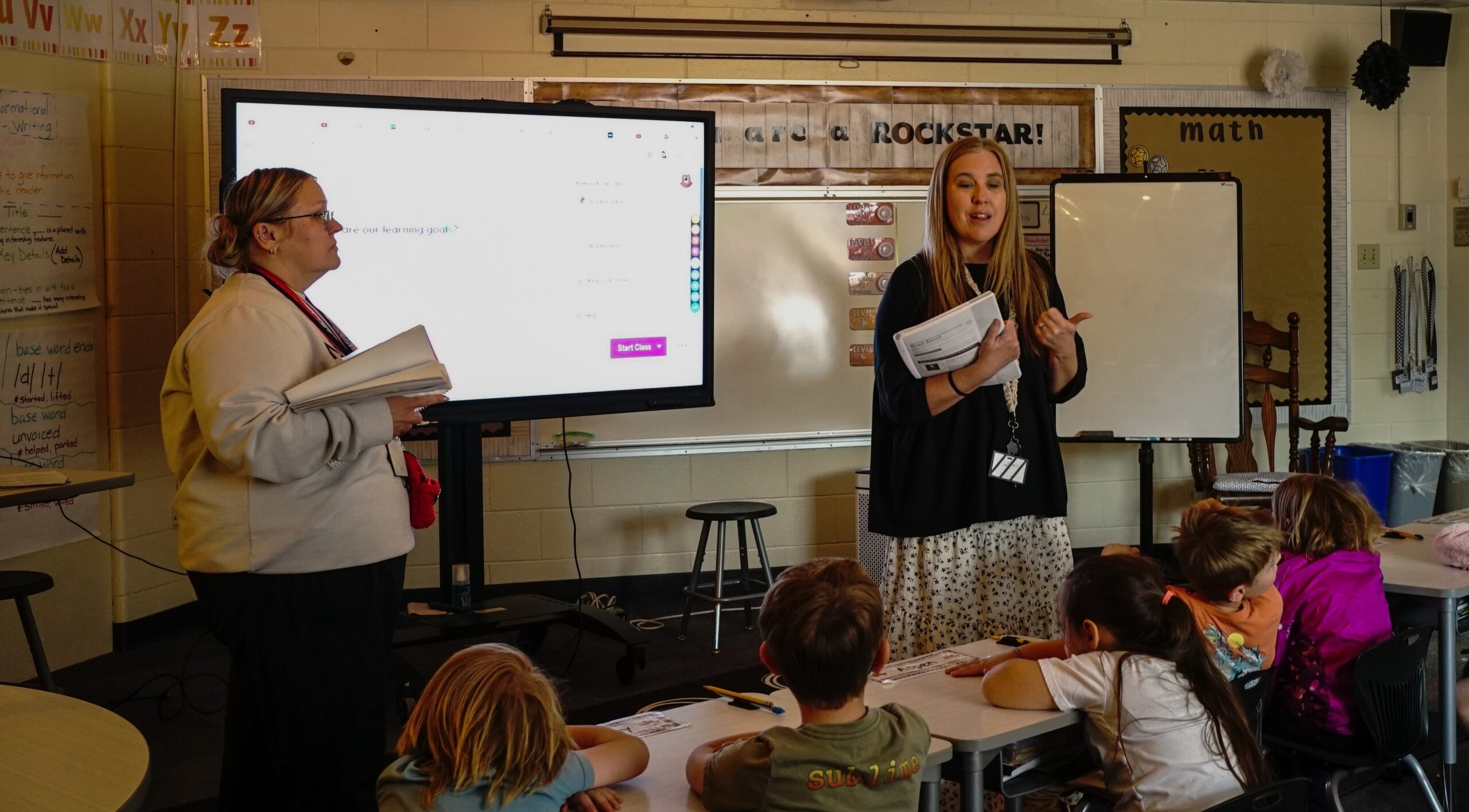
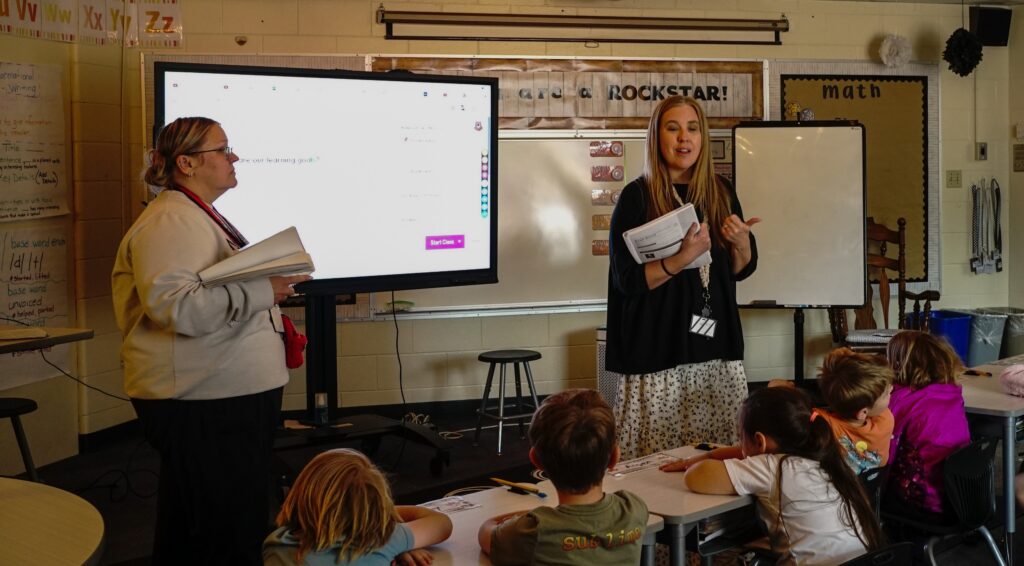
The traditional model of schooling assumes that a single teacher is the sole source of knowledge and support for a group of students. In contrast, the Next Education Workforce model represents a structural shift. It organizes 2–6 educators—a mix of licensed teachers, paraprofessionals, and teacher candidates—into a unified team that shares responsibility for a larger, collective cohort of students.
This is not a rigid, top-down mandate. Rather, it is a flexible framework. Principals and school leaders are encouraged to adapt the model to their local context. Some schools implement shared planning periods, while others dive into full-scale co-teaching. The primary goal is to move away from the isolation of the "single-teacher" model toward a collaborative environment where educators can leverage their individual strengths, divide roles, and provide a more personalized, responsive experience for students.
A Chronology of the Shift: The Five-Year Study
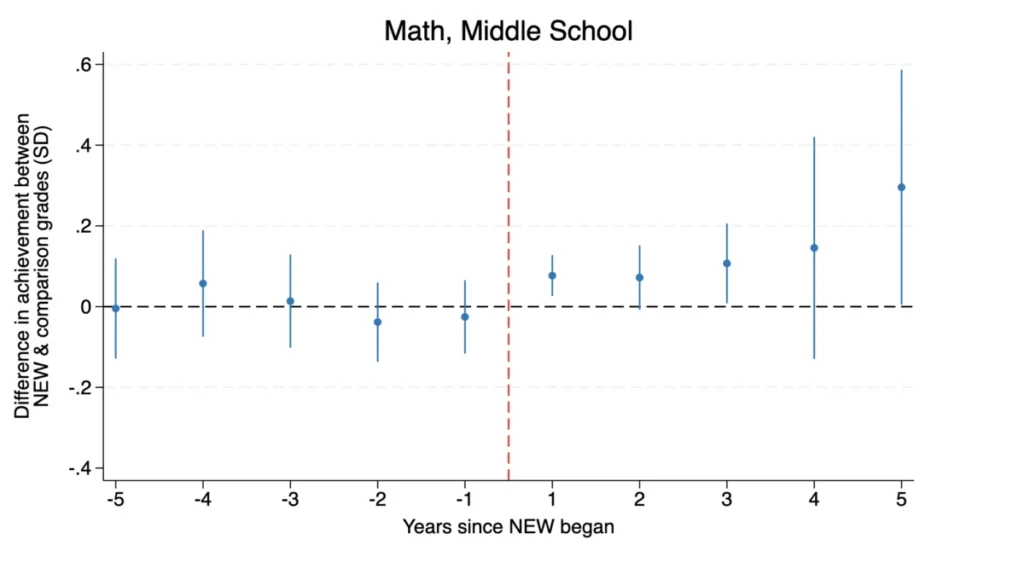
To understand the efficacy of this shift, researchers Mary Laski, Calen Clifton, and Dan Goldhaber tracked a large Arizona district over the course of five academic years. The researchers utilized a “difference-in-differences” methodology, an analytical technique that compares grades that adopted the teaming model against similar, traditionally staffed grades that had not yet made the transition.
Because the district rolled out the NEW model gradually—phasing it into different schools, grades, and subjects over several years—the research team was able to isolate the causal effect of teaming. By tracking outcomes both before and after the intervention, they were able to move beyond the superficial comparisons that often cloud educational research, providing a clearer window into how structural changes actually influence the classroom.
Supporting Data: Teacher Outcomes vs. Student Achievement
The most striking takeaway from the study involves the educators themselves. In an era of record-high teacher burnout, the data suggests that teaming may be a vital tool for workforce stabilization.
The Retention "Win"
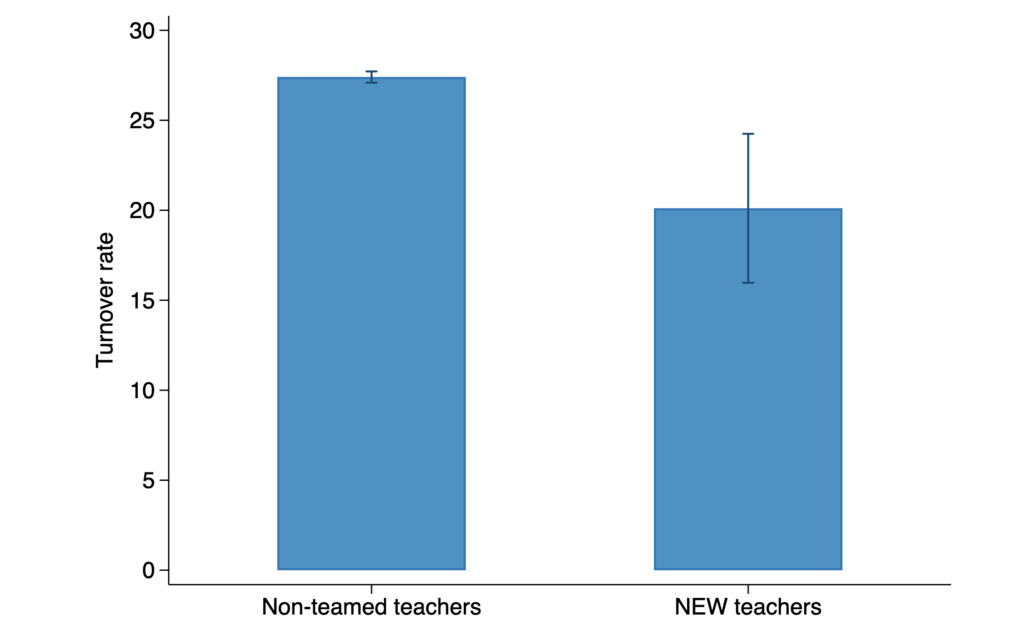
The study found that teamed teachers were approximately seven percentage points less likely to leave their school the following year. In a district with a 27% annual turnover rate, a seven-point reduction is statistically significant and practically meaningful. This suggests that the shared burden of a team-based model provides the support system many teachers are currently lacking.
Professional Growth and Evaluation
Beyond retention, the data shows that teamed teachers consistently earned higher classroom evaluation ratings than their non-teamed peers. This indicates that the collaborative environment may not only keep teachers in the classroom longer but may also foster higher-quality instruction. These benefits were observed consistently across grade levels, including in elementary schools where, interestingly, the same academic gains for students were not as readily apparent.
The Middle School Math Breakthrough
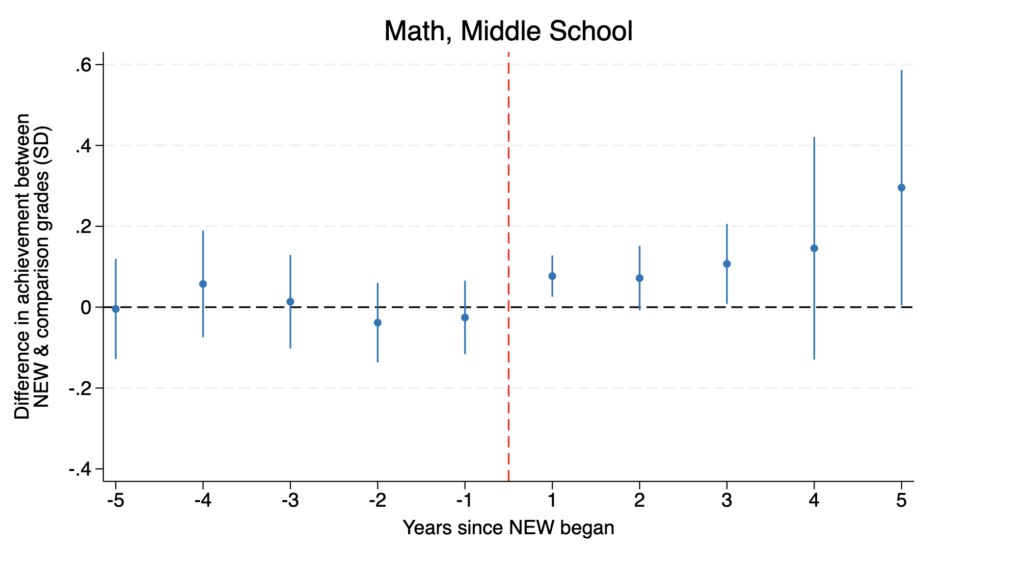
When it came to student achievement, the results were more nuanced. Overall, the study did not find a sweeping, universal improvement in test scores across all grades and subjects. However, there was one notable "bright spot": middle school math.
Students in teamed middle school math classrooms showed an achievement gain of approximately 0.08 standard deviations. To put this in perspective, this equates to roughly two to three months of additional learning. The researchers suggest that this is akin to moving a student from a typical classroom to one led by an instructor who outperforms 70% of their peers. This finding remained consistent across multiple statistical models, making it the study’s most robust takeaway.
Why Middle School Math? The "Structure" Hypothesis
Why did middle school math see results that elementary or ELA classes did not? The researchers point to the underlying structure of the school environment.
In most elementary settings, one teacher is responsible for all subjects for the same group of students. Introducing a team-based model in this environment can introduce complex layers of specialization that might, ironically, disrupt the vital teacher-student relationship. Previous research on "departmentalization" in elementary schools has shown that if the change is too radical, the potential benefits of specialized instruction can be negated by the loss of consistent, one-on-one rapport.
Middle schools, however, are typically already departmentalized. Students are accustomed to rotating between teachers. In this context, the Next Education Workforce model does not disrupt the teacher-student bond; instead, it adds a layer of structured collaboration that is often missing from traditional middle school structures. The team-based model provides the collaboration that research has long linked to improved student outcomes, without the friction caused by changing the fundamental nature of the classroom relationship.
Official Perspectives and Implications for Leadership
For district leaders and policy makers, the CRPE study offers a roadmap for implementation, but it also provides a cautionary note against viewing any single model as a "silver bullet."
1. Focus on Teacher Sustainability
The clearest, most immediate benefit of the Next Education Workforce model is the support it provides to the teaching workforce. Given the current crisis in teacher recruitment and retention, the model’s ability to reduce turnover is a compelling argument for its adoption.
2. Context is King
Leaders should not expect a one-size-fits-all outcome. The study highlights that the effectiveness of teaming is highly dependent on how it is implemented within existing school structures. Schools that already have a departmentalized culture—like middle schools—may see faster and more tangible academic gains than those that have to restructure the fundamental "one-teacher, one-room" dynamic from the ground up.
3. The Need for Continued Research
While the study provides a causal link between teaming and better outcomes in specific areas, the researchers acknowledge that there is still much to learn. They note that they currently lack the granular data needed to explain exactly what happens inside these teams to drive success. Is it the shared planning? Is it the distribution of tasks? Future research must prioritize observing the daily operational mechanics of these teams to replicate the success seen in middle school math.
Conclusion: A Step Toward a More Professionalized Future
The traditional "egg-crate" model of schooling is increasingly out of step with the needs of the modern world. It isolates teachers, limits their potential for growth, and creates a fragile ecosystem where a single teacher’s burnout can destabilize an entire classroom of students.
The Next Education Workforce model offers a path toward a more professionalized, collaborative, and sustainable future for education. While it is not a panacea that will instantly solve all student achievement woes, the evidence is mounting that it creates a superior environment for teachers. By focusing on the human element—reducing isolation and increasing support—the model may well be the foundational change necessary to improve student outcomes in the long run.

As districts across the country look for ways to combat the twin crises of declining student performance and teacher attrition, the "teaming" approach provides a data-backed alternative to the status quo. The challenge for the next decade will be to refine these models, learn from the successes in middle school environments, and ensure that the structure of the schoolhouse finally matches the complexity of the 21st-century learner.
Methodology Notes: This analysis is based on a working paper authored by Mary Laski, Calen Clifton, and Dan Goldhaber. The full study, including comprehensive methodology and data tables, is available via the CALDER Center. This research was supported by the Overdeck Family Foundation and Tandem Philanthropies.