Building Beyond the Brand: The Comprehensive Guide to Magnetic Tile Alternatives
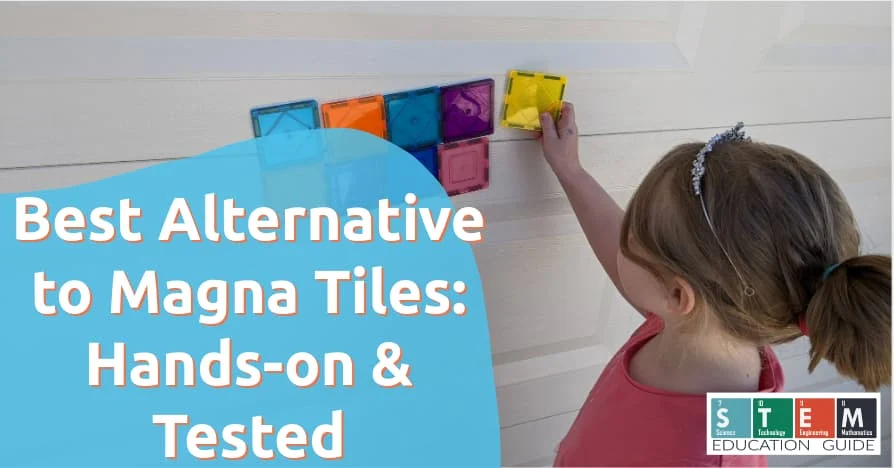
For many parents and educators, the introduction of magnetic tiles into the playroom marks a transformative moment in a child’s development. These vibrant, geometric shapes—which snap together with a satisfying "click"—have become a staple of modern STEM education. They offer a rare balance of simplicity and complexity, fostering fine motor skills, spatial awareness, and, most importantly, the limitless potential of open-ended, imaginative play.
However, as the popularity of these toys has surged, so has the price tag of the market leader, Magna-Tiles. While their reputation for quality is well-earned, the cost of expanding a collection can become prohibitive for the average family. This guide explores the burgeoning market of magnetic tile alternatives, examining why these toys command such high prices and how you can find comparable quality without breaking your budget.
The Evolution of Magnetic Construction: A Brief Chronology
To understand the current landscape of magnetic building toys, we must look back at the market’s origin. Magna-Tiles were the pioneers of the category, hitting the scene in 1997. Created by a Japanese math teacher who wanted to provide his students with a tactile way to understand geometry, the tiles were designed to be durable, safe, and intuitively simple.
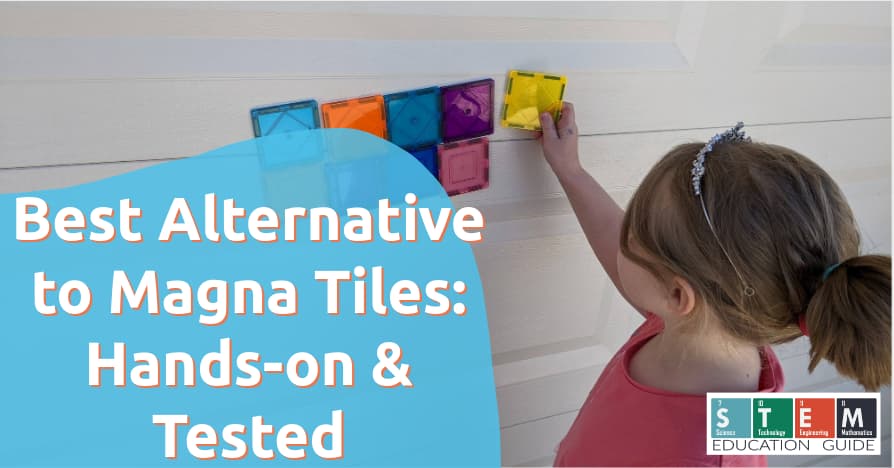
For years, Magna-Tiles held a near-monopoly on the concept, establishing themselves as the gold standard. They defined the form factor: ABS plastic frames, stainless steel rivets for structural integrity, and magnets encased within the plastic. Because they were first to market, they enjoyed a "first-mover advantage," cementing their name as the synonymous term for the toy category—much like "Kleenex" is for tissues or "Legos" is for building bricks.
In the mid-2010s, however, the patent landscape and the rise of global e-commerce allowed competitors to enter the space. Brands like PicassoTiles, Cossy, and others began manufacturing high-quality, magnetic geometric sets. Initially viewed as mere "knock-offs," many of these brands have since matured, often introducing innovations—such as specialized architectural components, light-transparency improvements, and educational add-ons—that the original design lacked.
Why Are Magna-Tiles So Expensive?
The pricing structure of the original brand is often a point of frustration for consumers. Several factors contribute to this premium cost:
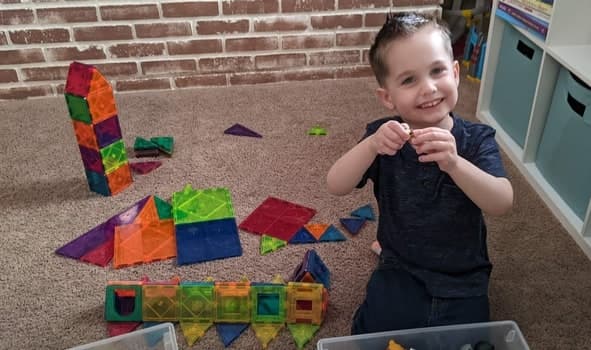
- Brand Equity and R&D: As the originator, Magna-Tiles invested heavily in establishing the safety and educational credentials of the category. A significant portion of the cost covers the branding and the long-term research into child development.
- Strict Quality Control: Magna-Tiles are manufactured with rigorous safety standards to ensure that no toxic materials, such as phthalates or BPA, are present. While many alternatives also meet these standards, the original brand’s long history of safety certifications is a primary selling point.
- Retail Price Maintenance: Magna-Tiles often employ a strategy where the retail price is strictly controlled. This limits the frequency and depth of sales, making it rare to find significant discounts on official sets.
- Structural Integrity: From a technical perspective, Magna-Tiles are known for their rigidity. When put to a "break test," the plastic frames often demonstrate a higher degree of resistance to cracking under pressure than cheaper, generic plastics.
However, industry experts and testing organizations, such as the Good Housekeeping Institute, have noted that the gap in quality between the market leader and top-tier alternatives is closing rapidly.
Evaluating the Best Alternatives: Performance and Value
If you are looking to expand your child’s building capabilities without the premium price, several brands offer excellent alternatives. When selecting these sets, consider the following criteria: magnetic strength, plastic clarity, and compatibility.
1. PicassoTiles: The Market Challenger
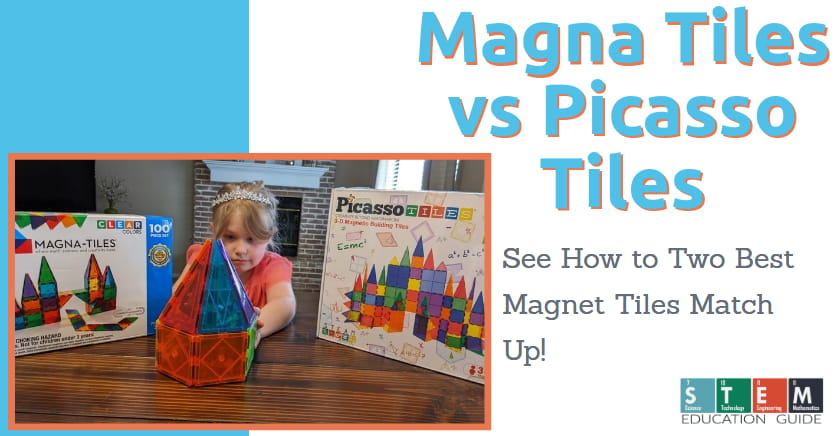
PicassoTiles has established itself as the most prominent competitor. Through side-by-side testing, these tiles hold up remarkably well against the industry leader. They are fully compatible with other major brands, meaning they can be integrated into an existing collection to create massive, sprawling structures. Their sets often come in larger quantities at a lower price point, making them ideal for parents who want to help their children build entire cities rather than just single structures.
2. Cossy Kids Magnetic Tiles: Visual Excellence
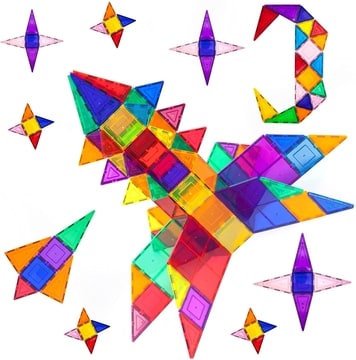
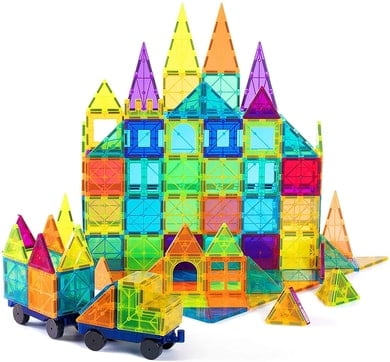
For those who prioritize aesthetics and light play, Cossy offers exceptional clarity and vibrant color saturation. When sunlight hits a structure built with these tiles, the effect is almost stained-glass-like. Beyond the visual appeal, they are durable enough to survive the rough-and-tumble nature of daily toddler play. Their sets often feature clear, age-appropriate guidelines, helping parents decide which complexity level is right for their child.
3. Shapemags: The Literacy Integration
Shapemags distinguish themselves by bridging the gap between construction and literacy. With their "Stile Mags" system, they offer magnetic overlays featuring letters and images. This turns a building session into a spelling or storytelling lesson, adding a layer of educational utility that goes beyond simple engineering. It is an excellent choice for children in the pre-K and early elementary stages.
4. Magblock: Architectural Focus
Magblock appeals to the child who wants to move beyond simple pyramids and cubes. Their sets frequently include specialized components like doors, fences, and arches as standard inclusions rather than expensive add-ons. This allows children to build more realistic houses and structures, satisfying the need for functional, role-play-ready architecture.
Supporting Data: The Science of Play
Why invest in these at all? The benefits of magnetic tiles are well-documented in early childhood development literature.
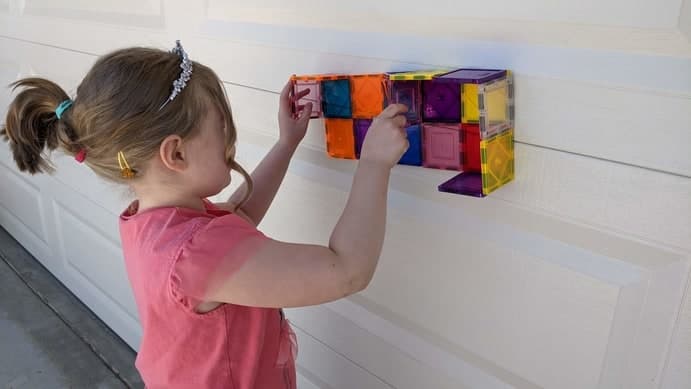
- Spatial Reasoning: By manipulating 3D shapes, children develop a fundamental understanding of geometry and physics. They learn about balance, weight distribution, and structural integrity.
- Fine Motor Skills: The act of aligning tiles and ensuring the magnets click requires precision and coordination, strengthening the small muscles in the hands and fingers.
- Collaborative Skills: When children work in groups to build a large-scale project, they engage in negotiation, planning, and communication—essential social-emotional skills.
According to a report on STEM-based play, children who engage with construction toys for at least 30 minutes a day show an increase in problem-solving speed when presented with abstract spatial tasks.
Official Responses and Safety Standards
It is important to address the "knock-off" stigma. While there are low-quality, unsafe products on the market, the reputable alternatives mentioned above are not "knock-offs" in the derogatory sense; they are legitimate manufacturers that comply with international safety regulations, including ASTM (American Society for Testing and Materials) and CPSC (Consumer Product Safety Commission) standards.
When shopping, always check for the following:
- Safety Certification: Ensure the product description explicitly states it is BPA-free and non-toxic.
- Encapsulation: The magnets should be securely encased in the plastic, preventing them from becoming a choking hazard.
- Customer Feedback: Look for reviews that mention the longevity of the magnetic strength, as weaker magnets are a hallmark of low-quality manufacturing.
Implications for Parents: How to Curate a Collection
If you already own a set of the original brand, do not feel pressured to "stick to the brand" when expanding. Because most of these tiles follow the same dimensions, they are interoperable. You can mix and match sets to build larger, more complex masterpieces.
Pro-Tip for Play: If you want to maximize the educational value, stop simply giving your children the toys and start engaging them in the engineering process. Ask, "What do you notice about how these two pieces connect?" or "How could we reinforce the base of this tower so it doesn’t wobble?"
By treating the collection as an evolving set of building blocks—regardless of the brand—you are providing your children with the tools they need to become the engineers and designers of tomorrow. Whether you choose the tried-and-true original or a high-quality, budget-friendly alternative, the primary goal remains the same: fostering a love for creation that lasts a lifetime.