Bridging the Gap: How California Educators Are Shaping the Future of AI in the Classroom
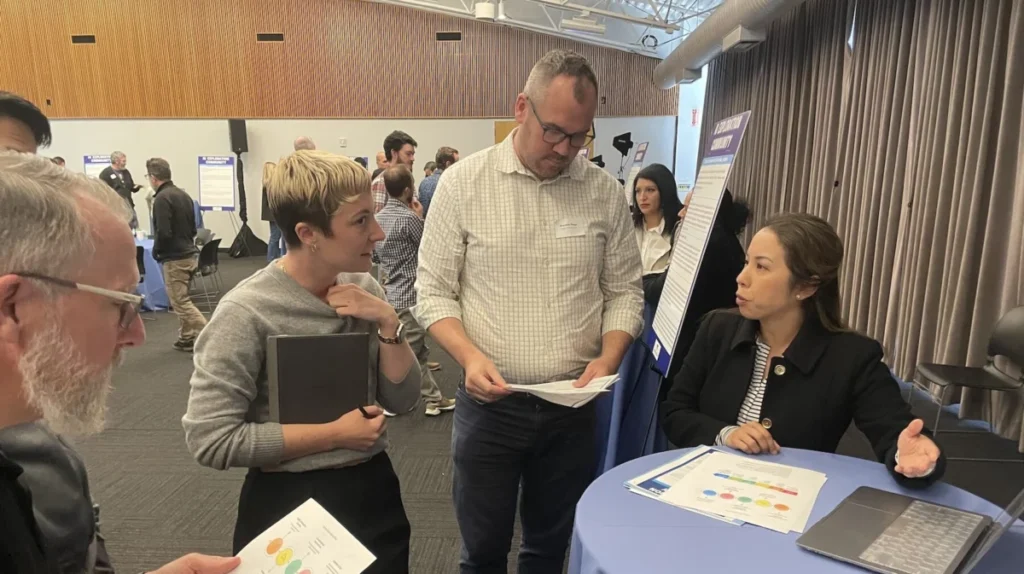
As artificial intelligence continues to permeate every facet of modern life, the education sector finds itself at a critical crossroads. The question is no longer whether AI will enter the classroom, but rather how it can be integrated with purpose, efficacy, and ethical rigor. A new research brief from the Center on Reinventing Public Education (CRPE) sheds light on this transition, detailing the experiences of California educators who have spent the past two years navigating the complexities of AI-enabled solutions through the Silicon Schools Fund’s (SSF) AI Exploration Community of Practice.
The findings suggest that the path to educational transformation via technology is rarely a straight line. Instead, the real value of early implementation lies in the cultivation of educator judgment and a deeper, more nuanced understanding of where—and where not—AI fits into the pedagogical landscape.
Main Facts: The Reality of AI Implementation
The CRPE brief serves as a comprehensive "state of the union" for AI in California schools. By analyzing data from educator-led pilots, observing collaborative meetings, and conducting extensive interviews with project leads, researchers have identified a core reality: AI is not a "plug-and-play" solution.
The primary takeaway from the second year of this study is that immediate, measurable improvements in student achievement are secondary to the primary achievement of the current phase: professional maturation. Educators are moving past the initial "hype" phase of generative AI, transitioning into a phase of critical evaluation. They are learning to discern which AI tools enhance human instruction and which ones merely clutter the educational experience.
Chronology: Two Years of Experimentation
To understand how far these schools have come, it is necessary to look at the timeline of the Silicon Schools Fund’s initiative.
Year One: The Exploration Phase
The inception of the community of practice was marked by rapid experimentation. Schools were eager to understand the potential of Large Language Models (LLMs). During this period, the focus was largely on discovery—teachers tested various platforms, explored prompt engineering, and experimented with automated grading or lesson planning assistance.
Year Two: The Integration and Reflection Phase
In the second year, the focus shifted from simple exploration to purposeful integration. Educators began to establish "pilot" programs with specific learning goals. The community of practice acted as a laboratory, where successes and failures were shared in real-time. This phase highlighted the importance of "pilot leads"—the educators who steered these projects and navigated the technical and cultural hurdles of introducing new software into school environments.
Supporting Data: What the Pilots Revealed
The CRPE’s research highlights a distinct trend: early implementation of AI often precedes quantifiable improvements in student outcomes. The data suggests that for AI to eventually move the needle on learning, schools must first clear several hurdles.
- The "Judgment" Gap: Perhaps the most significant finding is that AI implementation is currently driving a growth in "educator judgment." Teachers are becoming more skilled at questioning the output of AI tools, recognizing bias, and understanding the limitations of machine-generated content.
- Clarity of Use: Early, disorganized attempts to use AI are being replaced by clearer, specific use cases. For example, rather than using AI for general "instruction," schools are finding success in targeted areas such as providing personalized feedback for student writing or automating administrative tasks to free up teacher time for direct student interaction.
- Human-in-the-Loop: The data consistently points to the necessity of the human element. AI is proving most effective not as a replacement for teachers, but as a "co-pilot" that requires human oversight to ensure accuracy and alignment with curriculum goals.
Official Responses and Strategic Recommendations
The CRPE brief is not merely a record of observations; it is a call to action. The report outlines a set of recommendations designed to move schools from the current experimental phase toward a more stable, sustainable model of AI usage.
Investing in the Right Conditions
The researchers argue that schools and districts cannot expect AI to work effectively if they do not provide the foundational infrastructure. This includes:
- Professional Development: Shifting training away from "how to use a tool" toward "how to evaluate a tool."
- Ethical Frameworks: Developing clear policies on data privacy, academic integrity, and bias mitigation before scaling any AI initiative.
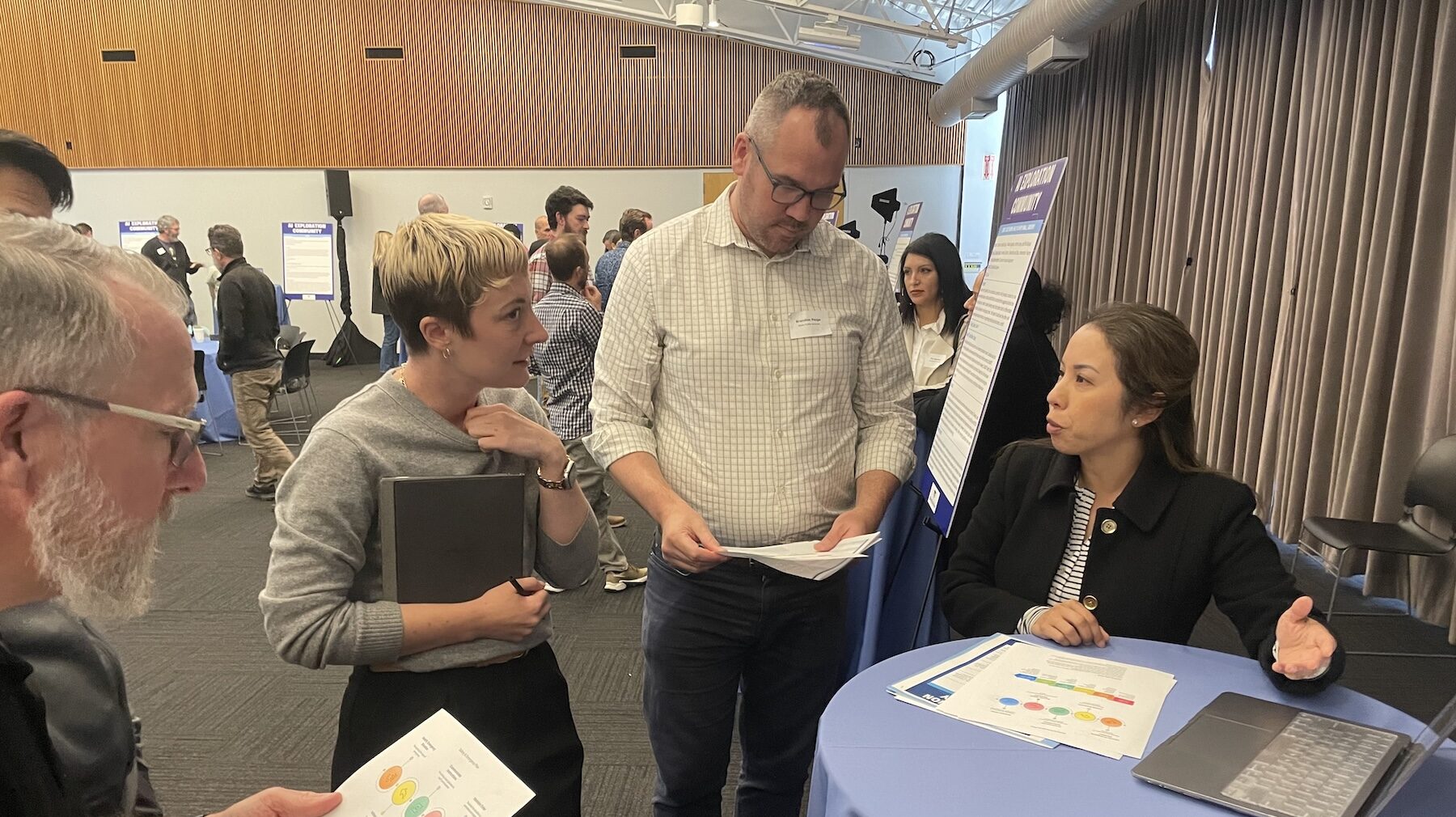
- Community of Practice: Fostering the kind of environment provided by the Silicon Schools Fund, where educators can share failures as readily as successes.
"Educator-led pilots may not immediately transform teaching and learning," the report notes. "But they can build the knowledge and judgment educators and students need to make informed decisions about AI."
Implications for the Future of Education
The long-term implications of these findings are profound. If we treat AI implementation as a marathon rather than a sprint, we are setting the stage for a more resilient education system.
The Professionalization of the Digital Teacher
As educators gain experience with AI, they are evolving into something akin to "educational architects." They are no longer just delivering content; they are designing learning environments where AI serves as a support structure. This shift necessitates a change in how we evaluate teacher performance and how we design professional development.
Equity and Access
A critical implication of the report is the need for equitable access to these learning opportunities. If only a small segment of schools is learning how to navigate the AI landscape, the "digital divide" will shift from one of hardware access to one of "algorithmic literacy." The report implicitly calls for broader dissemination of the knowledge gained by these California pilot schools.
Redefining Success
Finally, the findings suggest that our metrics for success in education technology need an update. If we judge AI by its ability to instantly raise test scores, we will be disappointed. However, if we judge it by its ability to foster teacher agency, streamline administrative burdens, and create more space for human connection, then the current efforts are a resounding success.
Conclusion: A Measured Path Forward
The experience of the California schools studied by the CRPE serves as a blueprint for the rest of the nation. It is a reminder that in the face of rapid technological disruption, the most valuable asset is not the software itself, but the professional judgment of the people tasked with using it.
As the Silicon Schools Fund and other organizations continue to shepherd these communities of practice, the focus must remain on the long game. By prioritizing the development of critical thinking, ethical consideration, and collaborative learning, schools can ensure that AI becomes a tool that empowers, rather than replaces, the human element in education. The lessons learned in California today will undoubtedly form the foundation of the classrooms of tomorrow—a future where technology and pedagogy exist in a symbiotic, human-centric harmony.
Key Contributors to the Research:
- Chelsea Waite: Principal, CRPE
- Steven Weiner: Senior Research Analyst, CRPE
- Lisa Chu: Research Analyst, CRPE
For more information on these findings and related publications, please visit the CRPE digital library to read the full report: "What California Teachers Are Trying, Building, and Learning with AI."