From Fear to Trust: How Empathy and Community Outreach Are Reaching Nigeria’s "Zero-Dose" Children
Main Facts
In the picturesque yet medically underserved riverine communities of Nigeria’s Bayelsa State, a quiet revolution is transforming public health outcomes—one conversation at a time. For nearly two decades, Mrs. Favour, a local hairdresser and mother from the Yenegwe community, maintained a strict, unyielding stance against childhood immunizations. Her resistance was not born out of defiance or negligence, but out of a deeply personal, unresolved trauma. When her firstborn—now 19 years old—suffered a severe adverse reaction following an immunization dose years ago, experiencing high fevers, restless nights, and painful intestinal distress, Mrs. Favour was left terrified and completely unsupported by the healthcare system.
No medical professional had taken the time to explain that temporary fevers or localized discomfort could be normal physiological responses to a vaccine building an immune defense. Left in the dark, she drew a definitive conclusion: vaccines were dangerous. Consequently, for the next twenty years, none of her subsequent children received a single dose of life-saving medicine. By June 2026, her youngest child, a one-year-old infant named Rejoice, was officially classified as a "zero-dose" child—having never received a single routine immunization, leaving her dangerously exposed to a battery of vaccine-preventable diseases.
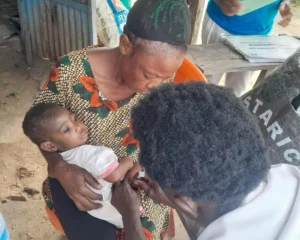
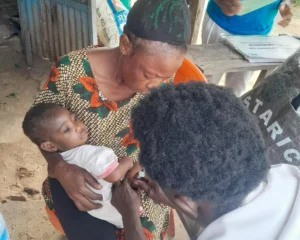
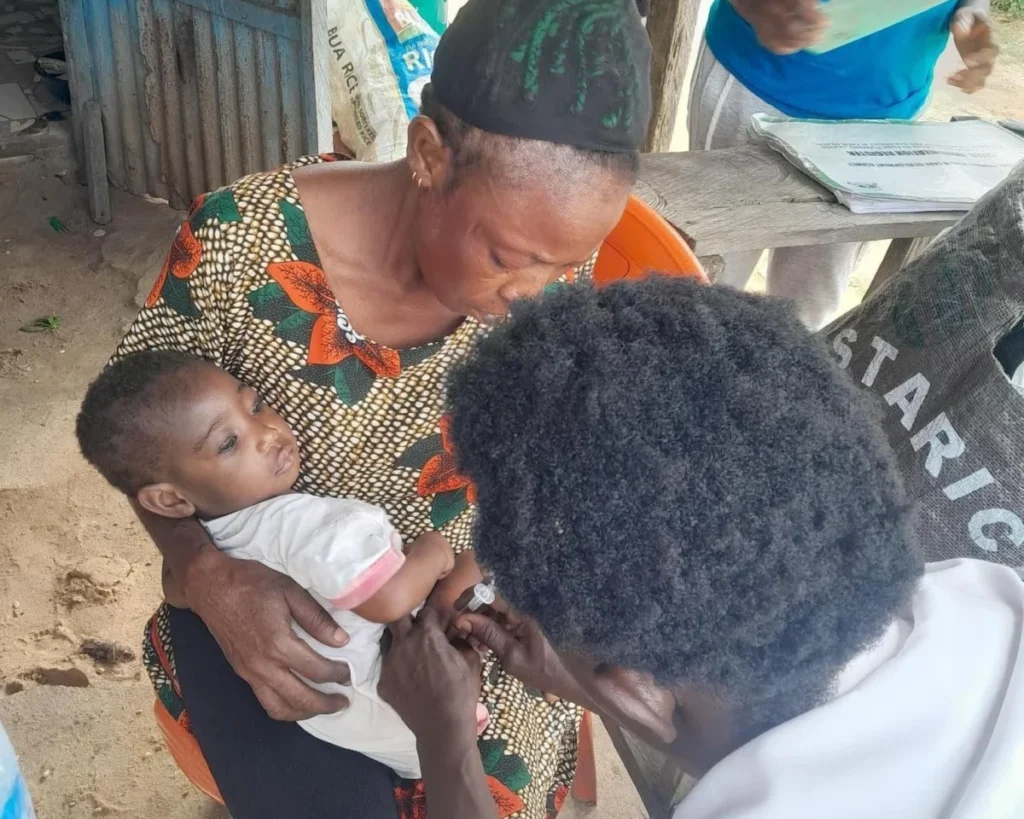
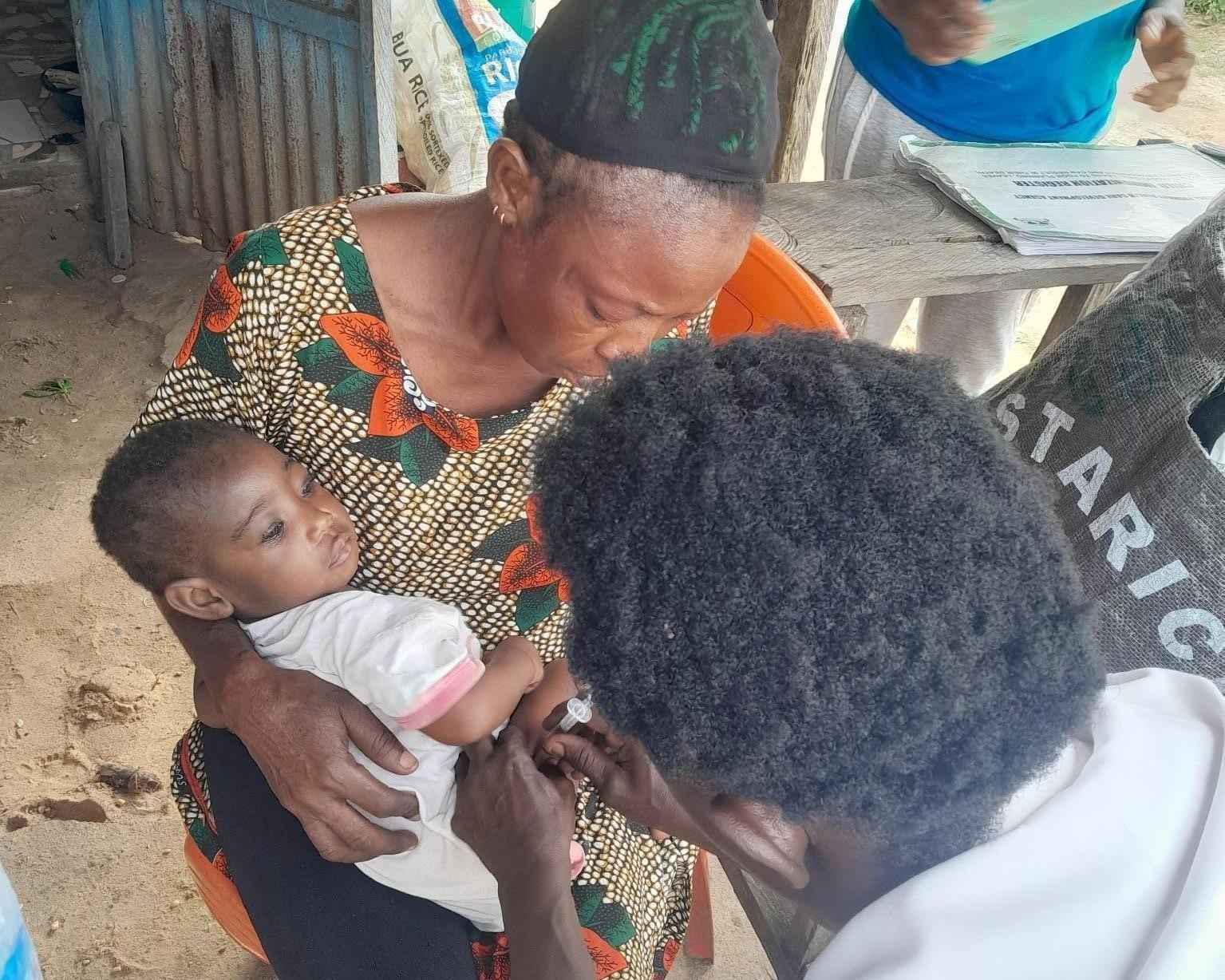
However, on June 10, 2026, during a routine outreach session conducted by the Yenegwe Primary Health Center with vital technical and operational support from JSI (John Snow, Inc.), this generational wall of mistrust was finally dismantled. Esogenwune Nwabueze, a JSI Bayelsa State advocacy, communication, and social mobilization (ACSM) officer, approached Mrs. Favour. Rather than dismissing her fears or chastising her for her prolonged refusal, Nwabueze practiced active listening, validating her past experiences and addressing her anxieties with evidence-based counseling.
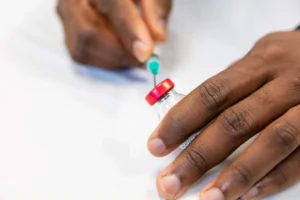
This empathetic dialogue transformed Mrs. Favour’s perspective, empowering her to make an informed decision. Baby Rejoice received six critical, life-saving antigens during that single outreach session, protecting her against tuberculosis (TB), polio, hepatitis B, diphtheria, pertussis (whooping cough), tetanus, pneumonia, rotavirus, and meningitis.
The case of Baby Rejoice is not an isolated anecdote; it is emblematic of a broader public health challenge across sub-Saharan Africa. The journey from vaccine hesitancy to full immunization is rarely a straight line. When Baby Rejoice missed her crucial one-month follow-up appointment, a robust tracking system swung into action. Through coordinated efforts between the JSI mobilization team and the Yenagoa immunization office, community health workers conducted prompt home visits, reassuring the mother, addressing renewed anxieties, and successfully administering subsequent doses—including Penta 2, polio 2, rotavirus, and a malaria vaccine.
This success story underscores a vital paradigm shift in global health: sustainable immunization coverage cannot be achieved through mandates or top-down logistics alone. It requires deep community engagement, rigorous defaulter-tracking systems, structural accountability, and, above all, profound empathy for the fears of parents who simply want to protect their children.
Chronology of Events
To understand how public health initiatives can successfully reverse decades of entrenched hesitancy, it is essential to examine the chronological sequence of events that brought Baby Rejoice from being entirely unprotected to completing a vital segment of her immunization schedule.
The Genesis of Hesitancy (c. 2007)
Nearly twenty years prior to the events of 2026, Mrs. Favour’s eldest child received a routine childhood immunization. Shortly after the administration, the infant developed high fever, continuous restlessness, and distressing intestinal complications. Although the child eventually recovered without long-term physical damage, the episode left an indelible psychological mark on the young mother. In the absence of follow-up counseling or clear explanations from the local health workers who administered the shot, Mrs. Favour associated the adverse symptoms with direct vaccine toxicity. This pivotal moment cemented a policy of total immunization refusal for all her future children, a stance she maintained across multiple births over the span of nearly two decades.
The Breakthrough Outreach Session (June 10, 2026)
Fast-forwarding to mid-2026, the Yenegwe Primary Health Center, bolstered by JSI support, organized a community health outreach program aimed at sweeping through neighborhoods to identify and vaccinate zero-dose and under-immunized children. During this campaign, health workers flagged one-year-old Baby Rejoice as a zero-dose child. ACSM Officer Esogenwune Nwabueze stepped forward to engage Mrs. Favour. Instead of enforcing bureaucratic pressure, Nwabueze opened a dialogue. He listened patiently as Mrs. Favour recounted her 19-year-old trauma.
Nwabueze demystified Adverse Events Following Immunization (AEFI), explaining that mild post-vaccination reactions are frequently immune-system responses rather than pathological failures. He provided clear guidelines on warning signs and actionable steps caregivers can take at home. Moved by this unprecedented level of transparency and respect, Mrs. Favour consented. Baby Rejoice received six foundational vaccines protecting against a multitude of lethal diseases.
Immediate Post-Vaccination Reinforcement (June 11, 2026)
Recognizing that the psychological barriers broken down on Day One can easily rebuild if a mother feels abandoned post-vaccination, the JSI team instituted an immediate reinforcement strategy. The day after the initial outreach, Nwabueze conducted a follow-up home visit to check on Baby Rejoice, monitor for any delayed AEFIs, and reaffirm emotional support. Furthermore, Nwabueze formally transmitted the child’s clinical records to the Yenagoa immunization officer and the local health facility team, establishing a multi-tiered safety net to ensure the infant would not fall through the cracks of the health system.
The Missed Appointment and Systemic Intervention (July 2026)
Despite the successful first dose, the road to full immunization proved non-linear. Exactly one month later, Baby Rejoice missed her scheduled follow-up appointment for subsequent doses. In many health systems, this absence would mark a permanent defaulter. However, because of the prior data-sharing protocol, the Yenagoa immunization office was immediately alerted.
Immunization officers tracked Mrs. Favour down to her home. Rather than reprimanding her, they offered reassuring, compassionate counseling, affirming that the upcoming antigens were age-appropriate and essential for bridging her child’s immunity gap. Reassured once more, Mrs. Favour brought Baby Rejoice to the clinic the following month, where she successfully received her Penta 2, polio 2, rotavirus, and emerging malaria antigens.
Supporting Data and Systemic Context
The triumph in Yenegwe community is underscored by complex public health metrics operating across Nigeria and the broader West African region. Zero-dose children—those who have not received even a single dose of the diphtheria-tetanus-pertussis (DTP) containing vaccine—represent one of the most vulnerable populations in global health. These children disproportionately live in fragile, conflict-affected, or remote settings, characterized by weak primary healthcare infrastructure and high levels of community mistrust.
Public health surveys and operational data from organizations like JSI consistently highlight several core trends in zero-dose immunization programs:
- The Power of Interpersonal Communication: Quantitative evaluations of ACSM interventions show that community-level dialogue and tailored health counseling increase vaccine uptake among hesitant populations by up to 45% compared to passive information campaigns (such as radio broadcasts or static posters).
- Defaulter Rates and Tracking Gaps: Studies indicate that while initial contact rates during mass outreach campaigns are high, up to 30% of caregivers fail to return for subsequent doses without active tracking mechanisms. The Yenegwe case study demonstrates how closing this loop through cross-facility data sharing and home visits drastically reduces default rates.
- The Multi-Antigen Burden: Reaching zero-dose children is only the first step. A comprehensive immunization schedule in Nigeria requires navigating multiple touchpoints to protect against a deadly triad of respiratory, enteric, and vaccine-preventable systemic infections, including tuberculosis, poliomyelitis, rotavirus gastroenteritis, and bacterial meningitis.
- Resource Optimization: Partnerships between international public health implementers (like JSI) and state-level apparatuses (such as the Bayelsa State Primary Health Care Board) optimize the deployment of scarce cold-chain storage, mobile transport logistics, and trained community mobilizers, ensuring that high-risk riverine populations are not systematically excluded due to geographic isolation.
Official Responses and Stakeholder Perspectives
The successful conversion of Mrs. Favour and the subsequent immunization of Baby Rejoice have elicited powerful reflections from the key stakeholders driving health interventions in Bayelsa State. Their insights illuminate the philosophy underpinning modern public health outreach in Nigeria.
Esogenwune Nwabueze, the JSI Bayelsa State ACSM Officer who spearheaded the counseling session, emphasized the fundamental psychological underpinnings of public health resistance:
"Every caregiver deserves accurate information so they can make informed decisions for their children. Many vaccine refusals are rooted in fear, misinformation, or past experiences. Listening is often the first step toward building trust."
Nwabueze’s philosophy shifts the burden of proof away from blaming the parent and places it squarely on the shoulders of the health system to communicate with clarity, humility, and unwavering patience.
This sentiment was mirrored by Mrs. Favour herself, whose powerful testimony underscores the transformative impact of being heard:
"After my experience with my first child, who is 19 years old, I refused vaccines for all my children because I believed immunization was dangerous. Nobody had explained to me that those reactions could happen and what to do about them. Today, they listened and answered my questions. This gave me the confidence to allow Baby Rejoice to be vaccinated."
At the institutional level, leadership has reinforced its commitment to systematically hunting down zero-dose children through collaborative frameworks. Dr. Williams Appah, Executive Secretary of the Bayelsa State Primary Health Care Board, articulated the state’s overarching mission moving forward:
"No child is beyond reach when communities, health workers, and partners like JSI work together. At the Bayelsa State Primary Health Care Board, we remain committed to identifying and reaching every zero-dose and under-immunized child with life-saving vaccines."
Dr. Appah’s statement highlights a critical operational reality: state health boards cannot achieve universal coverage in isolation. The integration of international technical assistance, localized community mobilization, and rigorous institutional tracking creates a synergistic network capable of piercing through decades of community estrangement.
Implications for Public Health Policy
The narrative arc of Mrs. Favour and Baby Rejoice offers profound, actionable lessons for policymakers, epidemiologists, and international health organizations working to achieve global immunization targets, such as the Immunization Agenda 2030 (IA2030).
1. Institutionalizing Empathy in Training Curriculums
For decades, medical and nursing training programs have prioritized technical proficiency—such as cold-chain maintenance, injection safety, and dosage calculation—over behavioral science and interpersonal communication. The Yenegwe case proves that a health worker’s conversational intelligence is just as vital as their clinical competence. Public health agencies must integrate active listening, trauma-informed care, and empathetic counselling into the standard professional development curriculums of frontline immunization officers.
2. Moving Beyond One-Off Campaigns
Mass vaccination campaigns and outreach drives are vital for initial contact, but they are insufficient for long-term health security. The fact that Baby Rejoice missed her one-month follow-up demonstrates that dropouts are an inherent risk in vulnerable communities. Health systems must mandate and resource continuous defaulter-tracking systems. When a caregiver misses an appointment, it should trigger an immediate, non-punitive home visit by community health volunteers or local immunization officers.
3. De-Stigmatizing Hesitancy
When health systems treat vaccine hesitancy as moral failure, ignorance, or stubbornness, they drive hesitant parents further underground. By reframing hesitancy as a rational response to unresolved fear and past trauma, health workers can dismantle resistance from a place of shared humanity. Public health policies must allocate dedicated funding for ACSM officers whose explicit job description is to sit down, listen, and engage in respectful two-way dialogue with skeptical communities.
4. Strengthening Multi-Tiered Accountability
The success in Bayelsa State relied on a seamless chain of custody for health data: from the JSI mobilization officer on the ground to the Yenagoa immunization officer, and finally back to the local health facility team. Replicating this model on a national and continental scale requires robust health management information systems (HMIS) equipped with community-level tracking tools. Accountability must be clearly assigned so that no child who receives a first dose is accidentally lost to follow-up.
Conclusion
The story of Baby Rejoice is ultimately a testament to human resilience and systemic adaptability. It proves that no community is permanently lost to misinformation, and no mother’s fear is too deep to reach with genuine compassion. By combining rigorous tracking data with radical empathy, public health actors in Bayelsa State are bridging the immunity gap, proving that when health systems listen first, communities respond by protecting their youngest and most vulnerable generations.