Cultivating Futures: How Community-Led Education is Transforming Côte d’Ivoire’s Cocoa-Growing Regions
Since 2012, World Education—a JSI initiative—has been at the forefront of a quiet revolution in the rural landscape of Côte d’Ivoire. While the nation remains the world’s leading producer of cocoa, the economic engine of the industry has historically come at a steep social cost: the systemic neglect of child education. Through the Mondelez International-funded CocoaLife Quality Education Project, World Education has moved beyond traditional aid, fostering a model of community-owned governance that is fundamentally shifting the narrative for children in cocoa-growing regions.
The Foundation of the Challenge
To understand the significance of this intervention, one must first confront the harsh realities of the Ivorian education system within agricultural zones. Ferdinand Beblai, Country Director for JSI Côte d’Ivoire, describes a landscape where economic necessity consistently clashes with academic opportunity.
"There are several systemic challenges," Beblai explains. "First, there is the issue of enrollment. Second, and perhaps most pervasive, is the tendency for parents to pull their children out of the classroom to assist with the arduous labor of cocoa harvests. When a child is tethered to the harvest, their education is inevitably relegated to a secondary concern."
The impact is immediate and damaging. Students arrive at school exhausted and late, leading to a precipitous decline in academic performance. According to 2021 data from UNICEF, more than 15% of primary-level students in Côte d’Ivoire repeat a grade annually—a statistic that acts as a precursor to total dropout.
Beyond the classroom, the physical environment often fails these children. In remote, cocoa-producing villages, schools are frequently constructed from rudimentary materials like wood and straw. As climate change increases the frequency and severity of extreme weather events, these structures become not just inadequate for learning, but physically dangerous.
A Chronology of Change: From Precarity to Prosperity
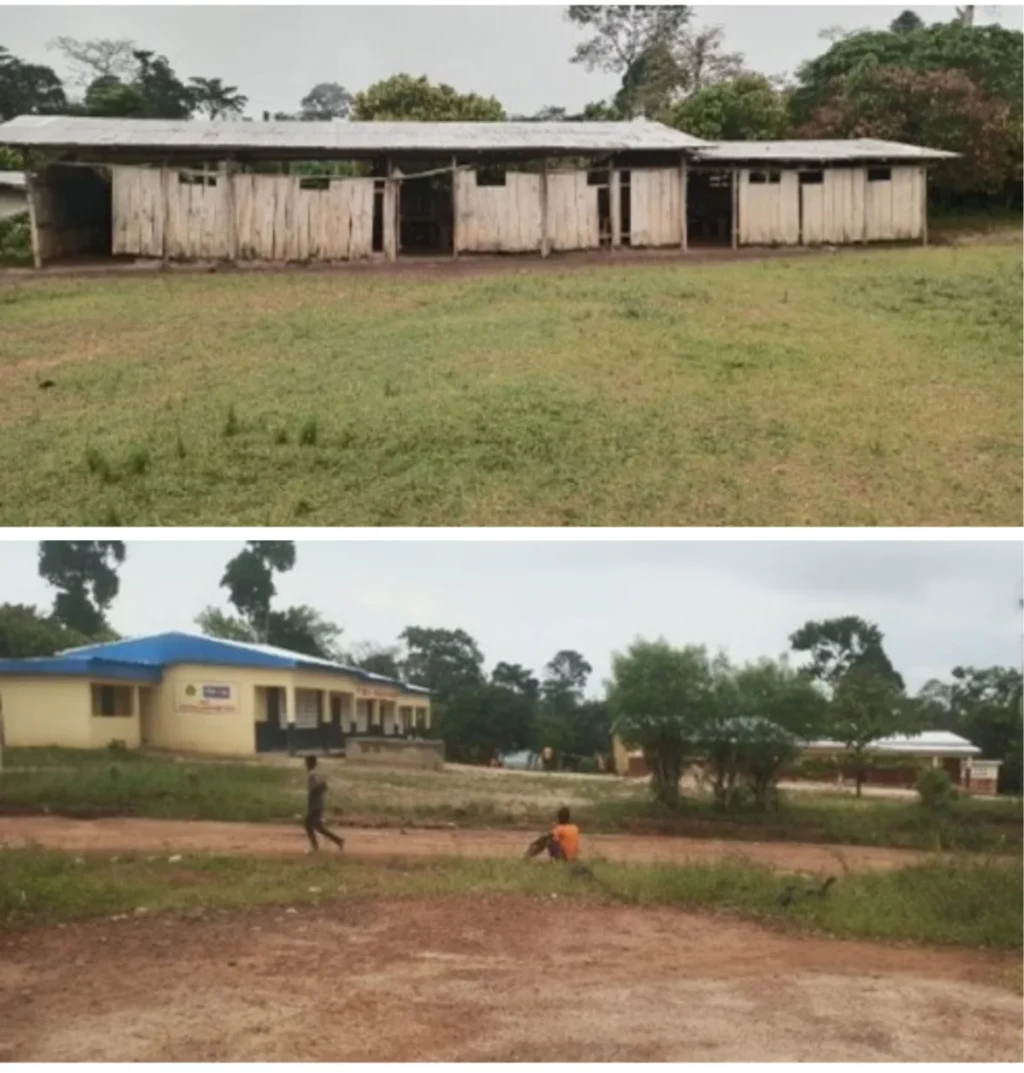
The trajectory of the Ndrikro community serves as a poignant microcosm of the project’s success. Before the intervention began in 2012, the situation at the local school was dire. Classes were held in dilapidated, makeshift sheds that lacked basic sanitation and furniture. Governance was non-existent, and literacy and numeracy rates among students were alarmingly low.
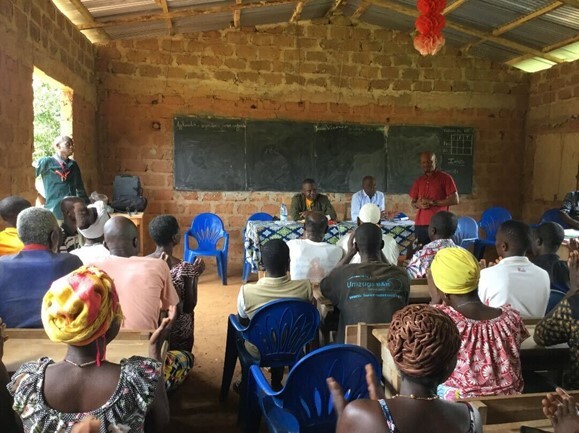
The transformation did not happen through external dictates, but through the mobilization of the community itself. Under the guidance of World Education, the village leadership, local youth groups, and Village Savings and Loan Associations (VSLAs) formed a unified vision: the school was to be treated as the village’s most valuable asset.
The strategy was multifaceted. The community leveraged local agricultural assets—specifically a communal cassava field—to generate consistent revenue. This, combined with support from the savings associations, funded the construction of two modern school buildings, complete with dedicated administrative offices and sanitary facilities. Today, the Ndrikro school stands as a beacon of progress, offering remedial classes and academic excellence awards that have fundamentally changed the student experience.
Empowering the COGES: The Engine of Sustainability
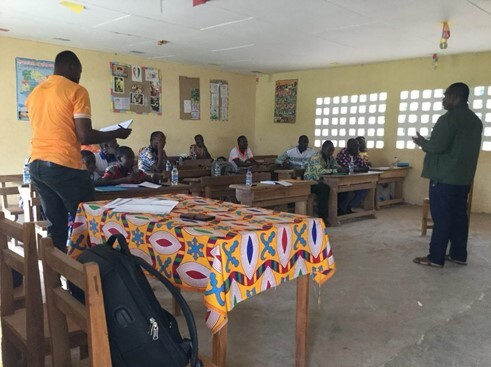
At the heart of this project is the strengthening of the Comité de Gestion Établissement Scolaire (COGES), the government-sanctioned committees responsible for school management. While the government provided the structure for COGES, many committees struggled with a chronic lack of funding and a lack of institutional capacity.
World Education intervened by developing a comprehensive diagnostic tool to assess and improve COGES functionality. The approach was to treat schools as small enterprises. By training these committees to implement income-generating activities—such as maize cultivation or poultry farming—World Education helped schools create sustainable budget lines.
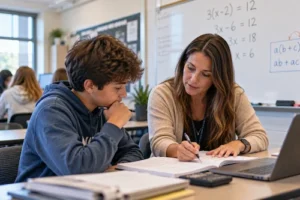
"When schools have extra funds, they use them to motivate teachers to continue tutoring children who struggle with core subjects like math and French," says Beblai. "This holistic involvement of the community—including Mothers’ Associations and cocoa cooperatives—creates a powerful social contract where parents are far more invested in the sustained attendance of their children."
Data-Driven Insights: Seeing Beyond National Aggregates
One of the most profound contributions of the CocoaLife project is its insistence on granular data. Relying on national statistics often obscures the hyper-local challenges faced by specific villages.
"The State provides overall figures, but these are aggregated by school district," Beblai notes. "We don’t have specific data for a particular village in those reports. Early in our implementation, we struggled to find even basic information, such as the exact number of six-year-olds in a village. If those children aren’t in school, we need to know what they are doing instead."
By analyzing community-level data, the team identified the "seasonal poverty gap." They observed that between the two major cocoa harvests, farmers face a period of zero income, making it impossible to afford school supplies. Armed with this specific insight, the program was able to provide targeted grants of approximately 140 USD to vulnerable families. This intervention proved that data, when localized and actionable, can prevent dropouts before they occur.
Official Responses and Strategic Implications
The success of the CocoaLife Quality Education Project has reached the highest levels of the Ivorian government. Recognizing the effectiveness of this community-led model, the government has formally requested a collaboration protocol with World Education. This agreement signals a shift toward institutionalizing the model, ensuring that the methodologies developed in the field become part of the national educational framework.
The implications of this are significant. By building a system where communities take ownership of their infrastructure and educational quality, the project creates a buffer against the volatility of the global cocoa market. It also addresses the practical needs of the future workforce. As Beblai points out, even for those children who may eventually become cocoa farmers, schooling is essential. "They learn the literacy and numeracy skills required to read labels on insecticides and pesticides, which is a matter of both economic efficiency and personal safety."
Defining Success: The Path Toward Self-Sufficiency
As the project looks toward the future, the definition of "success" has evolved. It is no longer just about building classrooms; it is about building systems that function without external financial support.
Evidence of this transition is already visible. In several regions where World Education has phased out direct funding, communities have independently maintained remedial programs, funded by the income-generating activities established years ago. This represents the "holy grail" of development work: a self-sustaining cycle where the community, empowered by education, becomes the primary architect of its own prosperity.
The movement is growing. Parents are increasingly recognizing that the school is a collective good. The stigma once attached to school attendance—where education was seen as a distraction from the fields—is being replaced by a culture that views education as a vital tool for agricultural and personal advancement.
Partnering for the Future
The journey in Côte d’Ivoire is far from over, but the blueprint for success is clear. World Education continues to invite stakeholders to partner in this endeavor, emphasizing that education is not merely a service to be provided, but a capacity to be built. Through policy development, applied research, and a relentless focus on local governance, the CocoaLife Quality Education Project demonstrates that when you empower a village, you ensure the future of its children.
As the government moves to formalize its partnership with World Education, the goal remains unchanged: to ensure that every child in a cocoa-growing community can walk into a safe, well-funded classroom, knowing that their education is the most valuable crop their village will ever produce. The progress made in Ndrikro and beyond serves as a testament to what is possible when global initiatives and local communities work in tandem, moving beyond the statistics to touch the lives of those who need it most.