Finding Light in the Woodwork: A Sister’s Journey Through Grief, Memory, and Suicide Loss
By [Journalist Name]
Published in partnership with The Jed Foundation (JED)
Main Facts
In January 2026, the lives of an ordinary New Jersey family were irrevocably altered when Tyler, a 35-year-old craftsman, educator, and beloved brother, died by suicide. His passing sent shockwaves through his family, particularly his younger sister, Alyssa, who was separated from him by a five-year age gap.
Tyler’s death is part of a broader, tragic public health crisis surrounding suicide loss in the United States. While the acute shock of his passing has given way to the complex, grinding reality of long-term grief, Alyssa has chosen to share her family’s story as part of The Jed Foundation’s (JED) International Survivors of Suicide Loss Day campaign. Her goal is simple yet profound: to strip away the isolating stigma of suicide and re-center her brother’s legacy not on the manner of his death, but on the profound kindness, creativity, and love that characterized his life.
The narrative of Tyler’s life is one of dualities: a man plagued by lifelong mental health struggles, yet one who found absolute clarity, peace, and purpose in the creation of physical art—through woodworking, stained glass, and building spaces for others. As Alyssa navigates an uncharted emotional landscape without a "rule book," her journey sheds light on the complicated nature of surviving a sibling’s suicide, the weight of complicated memories, and the enduring power of everyday acts of kindness.
Chronology: A Life of Laughter, Struggle, and Craft
Early Years in New Jersey
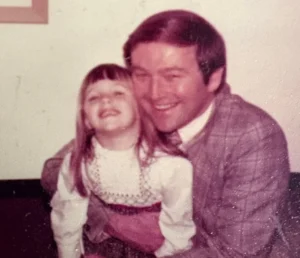
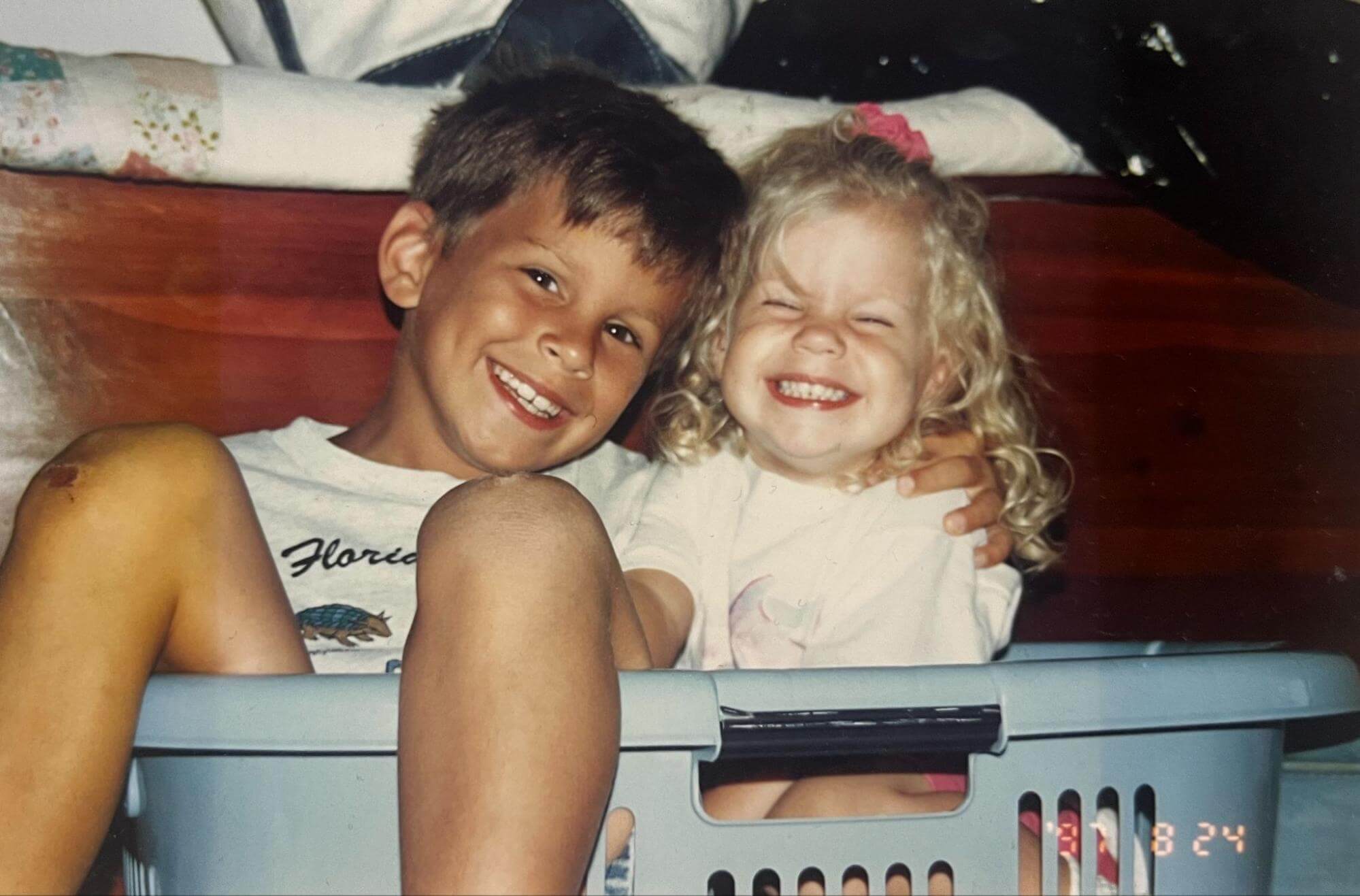
Growing up in New Jersey, Tyler was the energetic, mischievous middle child of three siblings. Family photo albums capture a boy who was constantly in motion—funny, quick to laugh, and always getting into harmless trouble. Alyssa, who was five years younger, looked up to him immensely. In those early years, the siblings shared a tight-knit bond defined by the innocent, carefree days of childhood.
The Turning Point of Adolescence
The dynamic began to shift as Tyler entered high school. Like millions of adolescents navigating the turbulent waters of youth, Tyler began experiencing severe mental health challenges. These struggles escalated dramatically when he survived a suicide attempt during his teenage years.
While Tyler survived, the invisible wounds of mental illness cast long shadows. As Alyssa and Tyler grew older, the natural friction of growing up—compounded by Tyler’s ongoing health battles—created a distance between the siblings. Alyssa admits that, at times, it was difficult to know how best to support him, a common point of agony for families trying to bridge the gap between their own lives and a loved one’s internal suffering.
Finding Peace in the Mountains and the Workshop
Despite his struggles, Tyler forged deep connections through physical labor and creation. One of his absolute happiest places was a house nestled in the Pocono Mountains of Pennsylvania, belonging to his best friend’s family. There, over countless weekends, Tyler and his friends worked on building, repairing, and improving the property. It was physical, grounding work that offered him a reprieve from the noise in his head.
Later in life, Tyler’s passion for craft evolved into a vocation. He built a storage unit full of professional machinery and woodworking equipment. He became a teacher, sharing his knowledge of woodworking with students who looked up to his skills.
In a cruel twist of timing, Tyler and his father had been meticulously planning to launch a joint woodworking business, with an official opening date scheduled for just the week after he died.
The Final, Precious Memory
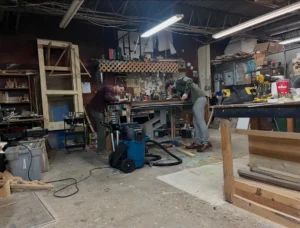
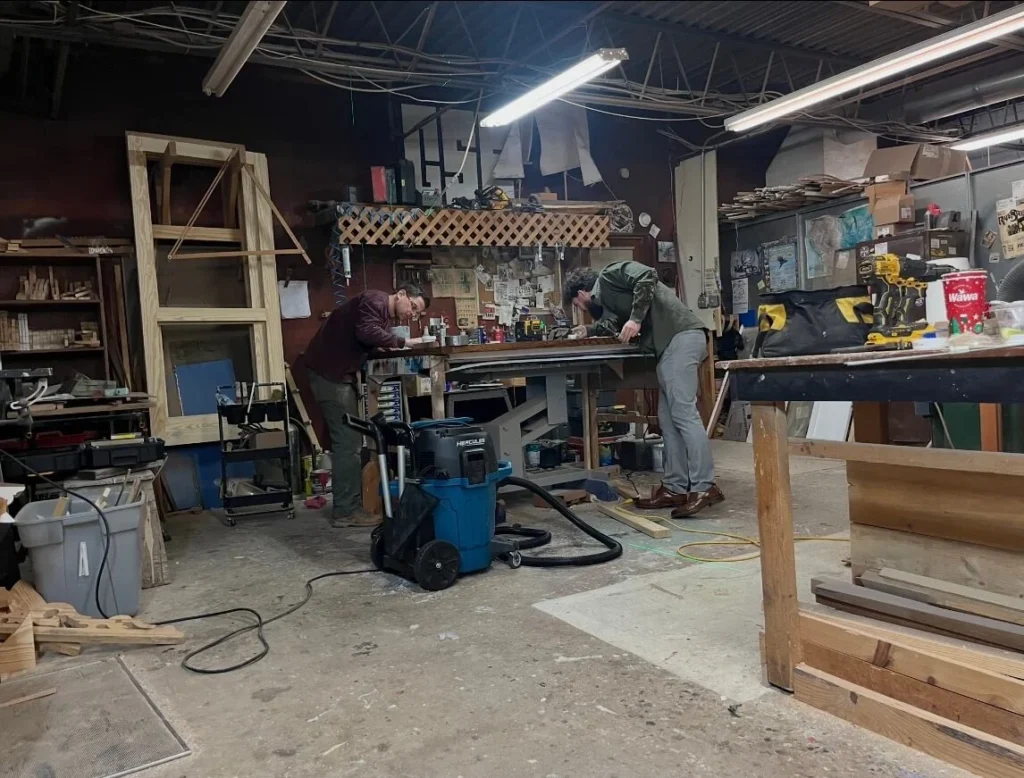
Not long before his death, on a quiet Saturday night, Alyssa visited Tyler at his woodworking shop. Tyler had recently built a wooden frame for a piece of stained glass and needed an extra set of hands to complete the project.
For Alyssa, the visit was a rare, illuminating window into her older brother’s adult world. Walking around the shop, he showed her the projects he was working on and spoke passionately about the students he was teaching. That night, the heavy, persistent struggles that had defined much of his adult life seemed to vanish. He was happy, confident, and entirely at ease.
"It was the first time I kind of saw him in his element," Alyssa recalls. "It’s one of the few adult memories that I have of him that were joyful. We had a good time that night."
In the wake of his passing in January 2026, that single Saturday night has transformed into a priceless anchor for Alyssa—a tangible reminder of the brother she knew, loved, and deeply admired at his very best.
Supporting Data: The Ripple Effects of Suicide Loss
Tyler’s story is not an isolated tragedy; it is part of a sweeping public health challenge in the United States and globally. According to the Centers for Disease Control and Prevention (CDC) and mental health advocacy groups:
- The Scale of Loss: For every individual who dies by suicide, dozens of family members and close friends—known as "suicide loss survivors"—are profoundly impacted. Research indicates that a single suicide can deeply affect upwards of 100 to 135 people, including family, friends, coworkers, and acquaintances.
- The Sibling Dynamic: Research into suicide bereavement frequently focuses on parents and spouses, often leaving siblings in a unique category of "forgotten grievers." Sibling survivors face complex grief that includes the loss of a shared past, a childhood playmate, and a potential lifelong confidant.
- Complicated Grief: Survivors of suicide loss are at a significantly higher risk for developing complicated grief, post-traumatic stress disorder (PTSD), and depression compared to those mourning other forms of loss. The suddenness and stigma associated with suicide often complicate the mourning process.
- The Power of Community Support: Organizations like The Jed Foundation (JED) emphasize that community connection and storytelling are vital protective factors. Campaigns like International Survivors of Suicide Loss Day provide spaces for families to share their truths, reducing the profound isolation that frequently accompanies suicide bereavement.
Official Responses and Expert Perspectives
Mental health professionals and advocacy organizations continue to stress the critical need for open dialogue surrounding suicide prevention and postvention (support for those left behind).
In statements released alongside the International Survivors of Suicide Loss Day campaign, mental health advocates underscore that grief after suicide is nonlinear. There is no predetermined timeline, and families often find themselves navigating uncharted waters without a cultural script.
"There’s no rule book," Alyssa reflects when discussing her ongoing grief journey. "And there’s no crystal ball to know how you’re going to feel."
Experts in suicide bereavement emphasize that sharing stories like Tyler and Alyssa’s serves a dual purpose. First, it humanizes the statistics, reminding the public that behind every data point is a human being with a history of creativity, kindness, and deep personal connections. Second, it encourages individuals currently struggling with mental health crises to reach out for help, illustrating that their lives matter to those around them.
JED and other mental health agencies continuously advocate for accessible, destigmatized crisis resources, noting that early intervention and community support systems can save lives.
Implications: Preserving Legacy Beyond Tragedy
The loss of a loved one to suicide often threatens to overshadow their entire existence, reducing a vibrant, multifaceted human life to a single, tragic moment. For Alyssa, the ongoing work of grief involves actively resisting this reduction.
When people ask about Tyler now, Alyssa does not want his struggles to be the definitive final word on who he was. Instead, she highlights his profound capacity for empathy and care. Even when fighting his own internal battles, Tyler was remarkably attuned to the needs of others. He loved to create physical objects for people, demonstrating affection through thoughtfulness, craftsmanship, and service.
"He was so kind. He really was," Alyssa says. "He thought of other people first a lot."
In physical testament to this lingering love, a cutting board that Tyler meticulously crafted for Alyssa remains packed away inside a box from a recent move. For Alyssa, unpacking that box will not just be a routine household chore; it will be an act of reconnection—a tactile reminder of a brother whose hands created beauty, whose heart prioritized others, and whose kindness continues to live on long after his passing.
Immediate Support Resources
If you or someone you know is struggling or in crisis, help is available:
- Call or Text: 988 to reach the Suicide & Crisis Lifeline (available 24/7, free, and confidential in the US and Canada).
- Crisis Text Line: Text HOME (or HOLA) to 741-741 to connect with a live crisis counselor.
- International Support: Find local resources and support groups through The Jed Foundation or international suicide prevention networks.