Navigating the Digital Frontier: The Complex Intersection of Artificial Intelligence, Teen Mental Health, and Adolescent Well-Being

October 7, 2026 — In an era defined by rapid technological innovation and ubiquitous digital connection, a new frontier has emerged at the intersection of artificial intelligence and adolescent mental health. As generative AI tools, digital companions, and algorithmic platforms become deeply embedded in the daily lives of middle and high school students, researchers, educators, and mental health advocates are urgently examining the consequences.
A landmark original report released by The Jed Foundation (JED)—a leading national nonprofit dedicated to protecting emotional health and preventing suicide among teens and young adults—has thrust this issue into the national spotlight. Featured prominently in USA Today in an article authored by Rachel Hale and Alyssa Goldberg, the findings illuminate both the potential benefits and the profound risks associated with how teenagers interact with artificial intelligence.
As communities grapple with rising rates of youth mental health challenges, understanding the dynamic between technology and psychology is more critical than ever. This comprehensive report explores the core facts, chronological evolution of the issue, supporting data, official responses from experts, and the broad societal implications of AI on the next generation.
Main Facts: What the Research Reveals About Teens and AI
The dialogue surrounding youth mental health has traditionally focused on social media consumption, cyberbullying, and screen time. However, the rapid normalization of generative AI has fundamentally shifted the digital landscape. Teens are no longer just consuming content generated by peers or algorithms; they are actively interacting with synthetic conversational agents that simulate empathy, offer advice, and, in some cases, act as virtual confidants.
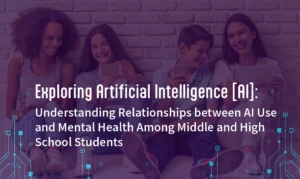
According to JED’s original research report—titled Exploring Artificial Intelligence [AI]: Understanding Relationships between AI Use and Mental Health Among Middle and High School Students—the implications of these interactions are nuanced and multifaceted.
- Prevalence of AI Adoption: A significant percentage of middle and high school students are incorporating AI tools into their everyday routines, utilizing them for academic assistance, creative brainstorming, and, notably, personal conversation.
- The Dual Nature of AI Engagement: While some students report finding low-stakes comfort in conversing with AI chatbots when they feel lonely or anxious, mental health professionals warn that these tools lack genuine emotional intelligence, clinical training, and the capacity for ethical intervention.
- Risk of Isolation: Over-reliance on synthetic companions can potentially displace vital human-to-human connections, hindering the development of genuine interpersonal communication and peer support systems essential during adolescence.
- Misinformation and Validation Loops: Unlike human friends or licensed therapists who can challenge unhelpful cognitive distortions, AI chatbots are often programmed to validate user inputs affirmatively, potentially reinforcing harmful thought patterns or delivering inaccurate mental health advice.
Chronology: The Rapid Rise of Gen-AI in Youth Culture
To understand how artificial intelligence became a dominant factor in teen mental health, it is essential to trace the swift evolution of the technology and its integration into adolescent culture over recent years.
2022–2023: The Generative AI Explosion
The public release of advanced generative AI models at the end of 2022 marked a watershed moment. Within months, browser-based chat interfaces and mobile apps became accessible to anyone with an internet connection. Unlike previous technological shifts that required specialized software, generative AI was conversational, intuitive, and immediately adopted by tech-savvy youth. Initially embraced for schoolwork and creative projects, students quickly discovered the conversational capabilities of large language models.

2024: The Shift Toward Digital Companionship
As chatbot customization advanced, software developers began marketing virtual companions designed specifically to offer emotional support, roleplay, and friendship. Teenagers, navigating a post-pandemic landscape marked by heightened rates of anxiety and loneliness, began turning to these tools for non-judgmental interactions. Media outlets and researchers began noting an uptick in adolescents treating AI agents as legitimate confidants.
2025: Rising Concerns and Academic Inquiry
By 2025, educators and psychologists noticed shifts in student behavior, prompting localized studies on screen fatigue and AI dependency. Mental health advocates raised red flags regarding the lack of guardrails on consumer-facing AI platforms when users expressed distress, self-harm ideation, or severe depressive symptoms to chatbots.
2026: Comprehensive Investigation and National Coverage
The release of JED’s original report in mid-2026 provided the first rigorous, comprehensive data set examining the direct relationships between AI use and mental health among middle and high school students. Media coverage, spearheaded by USA Today and amplified through organizations like The Jed Foundation, brought the conversation from academic circles into mainstream households, prompting nationwide discussions among parents, educators, and policymakers.
Supporting Data: By the Numbers
Quantitative insights are essential for cutting through generational anxieties and identifying actual trends in adolescent behavior. While traditional screen time metrics measured hours spent scrolling, AI metrics require a new vocabulary centered around frequency of interaction, emotional attachment, and functional dependency.
- High Penetration Rates: Studies cited within youth mental health frameworks indicate that over half of middle and high school students have experimented with generative AI tools outside of direct classroom requirements.
- The Loneliness Factor: National surveys continue to highlight a persistent youth mental health crisis, with significant numbers of teens reporting chronic feelings of loneliness and a lack of trusted adults or peers to confide in. This emotional deficit serves as the primary gateway for teens seeking out AI-driven companionship.
- Crisis Intervention Needs: According to public health data, adolescent emergency department visits related to mental health crises remain elevated compared to pre-2020 levels, underscoring the urgency of ensuring that any digital tool encountered by youth directs them toward legitimate, human-led crisis support systems such as the 988 Lifeline or the Crisis Text Line (text HOME or HOLA to 741-741).
Official Responses and Expert Perspectives
The release of JED’s report and subsequent national media attention have prompted widespread commentary from psychologists, digital safety advocates, and public health officials.
The Jed Foundation’s Stance
JED emphasizes that while technology cannot be un-invented, proactive education and clear boundaries are vital. Experts at the foundation advocate for digital literacy programs in schools that explicitly teach students the limitations of artificial intelligence. Teens must understand that algorithms process data patterns rather than experiencing genuine empathy. Furthermore, JED continues to push for strict industry standards, demanding that tech companies implement robust safety protocols that immediately route users exhibiting signs of severe mental distress or self-harm to professional, human-operated crisis resources.
Public Health and Clinical Warnings
Clinical psychologists note a growing concern over "synthetic validation." Dr. Deb Stone and other public health experts focusing on suicide and self-harm prevention frequently stress that public health approaches must evolve alongside technology. When an adolescent turns to an AI chatbot in the middle of the night during a panic attack, a generic or overly agreeable response can delay crucial life-saving interventions. Experts urge parents and educators to maintain open dialogues with youth regarding how and why they use AI, ensuring it supplements rather than replaces human connection.

Collaborative Initiatives
In tandem with its AI research, JED has expanded its outreach through strategic collaborations—such as partnerships with digital creators via initiatives like Creators 4 Mental Health and the launch of programs like The Check-In. These initiatives aim to harness positive digital influence, encouraging online creators and digital spaces to model healthy technology consumption and destigmatize seeking professional mental health support.
Implications: Charting a Safe Course for the Future
The integration of artificial intelligence into the lives of teenagers presents profound implications for society, education, and healthcare.
1. Re-defining Digital Literacy
For decades, digital literacy meant teaching youth how to protect their personal data, avoid online scams, and recognize cyberbullying. Today, digital literacy must encompass "algorithmic awareness." Students must learn to critically evaluate the outputs of AI, recognizing both its utility as a productivity tool and its profound limitations as an emotional partner.
2. The Responsibility of Tech Developers
Silicon Valley and independent AI developers face mounting pressure to self-regulate or face legislative mandates. Designing ethical AI requires implementing fail-safes that detect emotional distress cues in user prompts and automatically display prominent, compassionate off-ramps to licensed mental health professionals and crisis hotlines.
3. Strengthening Support Systems for Parents and Educators
Parents and teachers often feel outpaced by rapid technological advancements, leading to a generational gap in understanding digital habits. Organizations like The Jed Foundation provide vital resources to bridge this gap, equipping adults with the language and tools needed to check in on youth well-being without triggering defensiveness or alienation.
4. A Balanced Path Forward
Ultimately, the emergence of AI in teen mental health should not be met with panic, but with proactive preparation. By combining rigorous empirical research, responsible tech development, open family communication, and accessible public health infrastructure, society can harness the innovative potential of artificial intelligence while safeguarding the emotional health and resilience of the next generation.
If you or someone you know is in crisis or needs support right now, text, call, or chat the 988 Lifeline, or text HOME (or HOLA) to 741-741 to reach the Crisis Text Line.