Rethinking Educational Reform: Why School Improvement Fails and How Educators Can Finally Solve Their Own Problems

By Educational Policy & Leadership Desk
Published in partnership with Leading Pedagogy Review
Main Facts: The Illusion of Constant Educational Reform
Every autumn, school hallways echo with the familiar rhythm of a new academic year. Principals step up to podiums at opening faculty meetings, welcoming back tired teachers with fresh declarations of strategic focus, updated district frameworks, and newly branded curriculum rollouts. Yet, beneath the optimism lies a wearisome fatigue. For decades, the American public education system has been caught in a relentless cycle of reform, exhaustion, and reinvention—a perpetual churn of initiatives that promise transformative results only to be quietly abandoned a few years later.
According to a groundbreaking new book, A Chance to Solve Their Own Problems, authored by educational researchers Max Yurkofsky and Jal Mehta, the root cause of this chronic failure is not a lack of effort or funding from educators. Rather, it is a structural flaw in how schools attempt to improve. Too often, reform models are handed down as rigid, prepackaged compliance mandates from district offices, entirely bypassing the insights of the teachers and staff who are closest to the daily realities of the classroom.
By closely examining real-world school and district improvement initiatives, Mehta and Yurkofsky reveal that successful reform cannot be imposed from the top down. Instead, it requires a delicate alignment of three critical elements—mindsets, routines, and practices—anchored within an organizational ecosystem that actively protects educator time, fosters psychological safety, and treats localized problem-solving as a core institutional strategy.
Chronology: The Evolution of School Improvement Models
To understand how contemporary education arrived at its current crossroads, it is helpful to trace the evolution of school improvement paradigms over the past half-century.
1. The Era of Top-Down Compliance (Late 20th Century)
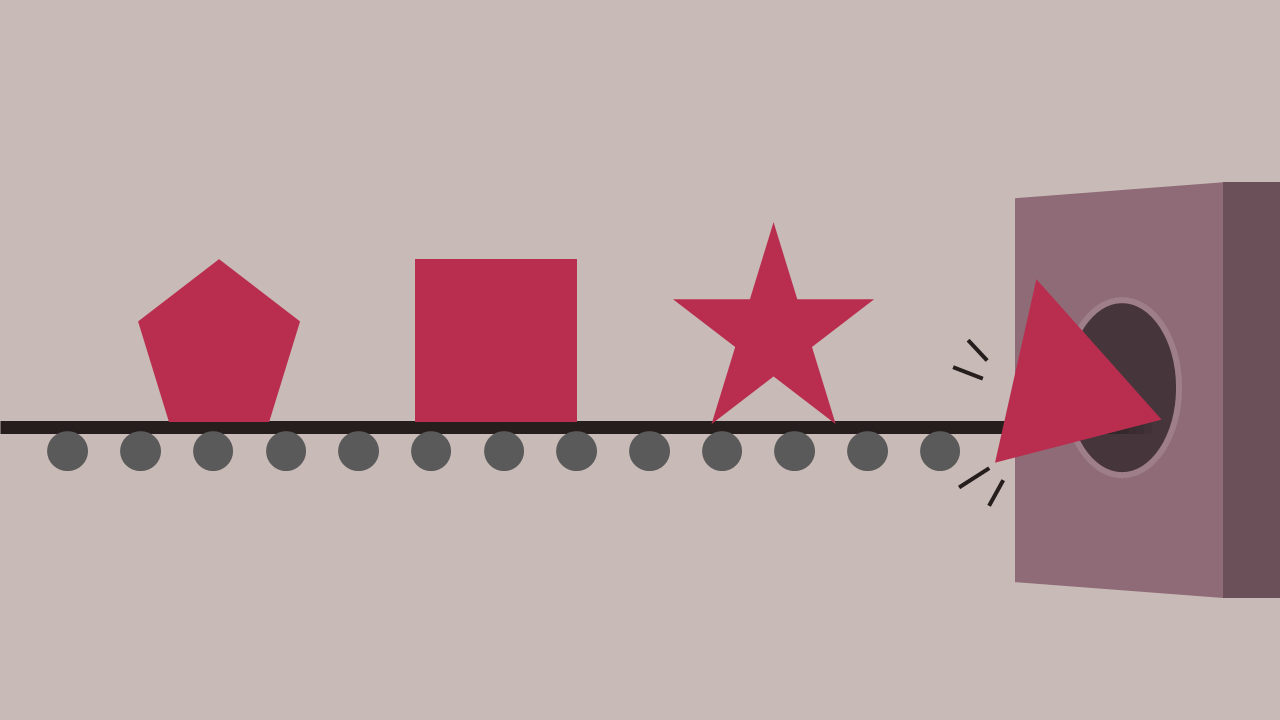
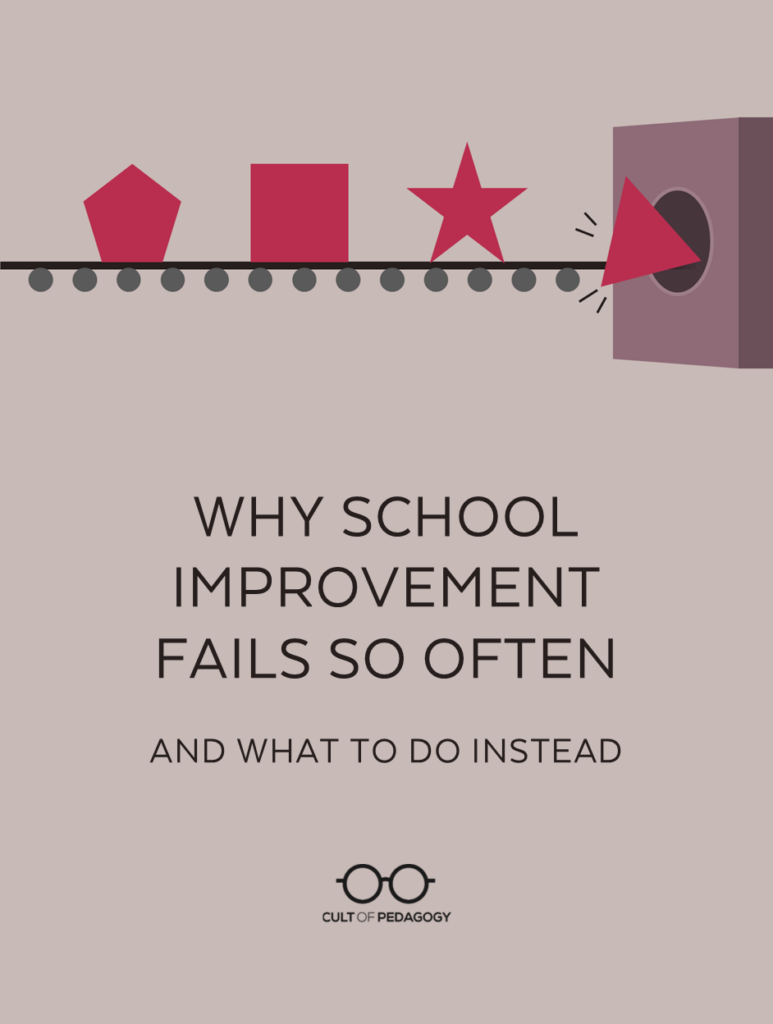
For decades, accountability movements relied heavily on standardization and compliance. District leaders identified broad performance gaps through standardized testing metrics and instituted top-down mandates. Schools were treated like industrial assembly lines: if student output dropped, the standard response was to upgrade the machinery—purchasing new textbooks or enforcing strict curricular pacing guides without consulting classroom teachers.
2. The Rise of "Prepackaged" Frameworks (Early 2000s)
As the limits of strict standardization became clear, schools turned toward proprietary improvement models, branded leadership programs, and external consulting frameworks. While many of these methods introduced valuable concepts, they frequently devolved into bureaucratic exercises. Educators were trained to follow prescriptive, multi-step processes—such as rapid Plan-Do-Study-Act (PDSA) cycles—with intense pressure placed on procedural compliance rather than genuine pedagogical inquiry.
3. The Shift Toward Distributed Problem-Solving (Present Day)
Today, scholars like Mehta and Yurkofsky are charting a different course, documented extensively in A Chance to Solve Their Own Problems. This contemporary approach moves away from importing external silver bullets. Instead, it views schools as complex, organic ecosystems. The modern movement emphasizes empowering local teams to surface authentic problems of practice, design contextualized solutions, and iteratively adapt them based on continuous learning rather than blind adherence to a manual.
Supporting Data: Why Well-Intentioned Initiatives Stumble
In their comprehensive field research, Mehta and Yurkofsky identified four recurring pitfalls that routinely sabotage school improvement efforts. These systemic missteps explain why millions of dollars spent on professional development and curricular upgrades so often fail to yield sustainable results.
1. Excluding the People Closest to the Ground
In traditional reform models, leadership teams identify targets for growth at the district level and push them downward. This approach fundamentally undermines educator autonomy.
"Are you addressing a problem that teachers think that they have, or are you addressing a problem that you think teachers have?" asks Jal Mehta. "Because if ultimately this is a process that’s going to be taken up by educators, educators need to feel really connected to the problem."
2. Focusing on Individuals Instead of Systems
When student data flags a struggling classroom or a lagging demographic group, traditional evaluations frequently zero in on individual teacher performance. Yurkofsky argues that this narrow lens is counterproductive. By shifting the focus to systemic factors—such as onboarding practices, coaching models, institutional tracking, or structural flaws in the curriculum—schools can create solutions that elevate entire grade levels or departments rather than penalizing isolated educators. Furthermore, a systems-first approach removes the fear of failure, liberating teachers to speak candidly about curricular shortcomings.
3. Valuing "Fidelity" Over "Adaptive Integration"
A major trap in curriculum adoption is the demand for absolute procedural fidelity. Administrators often monitor whether teachers are following a program exactly as written. However, Yurkofsky points out that a program designed externally can never be a flawless fit for a unique local context.
"Fidelity is never the point," Yurkofsky asserts. "Fidelity means we’re not learning."
Instead of chasing rigid compliance, successful schools practice adaptive integration—deliberately testing a resource, identifying where it falls short in real time, and systematically revising it to serve the student body.

4. Jumping Straight to Solutions
Educational leaders are understandably eager to fix problems quickly. Consequently, they frequently commit to a specific program or technology before they have clearly defined the underlying issue. This leads to a backward process where schools attempt to twist their unique operational challenges to fit a newly purchased product.
As Mehta demonstrates through a design-thinking exercise with university students tasked with improving a building’s physical layout, immediately suggesting "phone booths for Zoom calls" skips the diagnostic step. The actual problem was the need for private communication spaces, a definition that unlocks a wide variety of cost-effective architectural and scheduling solutions.
Official Responses and Expert Insights: The Triad of Effective Improvement
When school improvement does work, what distinguishes those rare success stories from the countless initiatives that fade away? According to Mehta and Yurkofsky, effective improvement requires the simultaneous integration of three fundamental building blocks: mindsets, routines, and practices.
+-------------------------------------------------------+
|              THE IMPROVEMENT TRIAD                    |
|                                                       |
|  [MINDSETS]  <--->  [ROUTINES]  <--->  [PRACTICES]    |
|  Beliefs &          Collaborative      Strategies &   |
|  Assumptions        Structures         Expertise      |
+-------------------------------------------------------+- Mindsets: Educators must hold beliefs and assumptions aligned with the reform work. For instance, a schoolwide push to improve secondary literacy will stall if high-school content teachers maintain the mindset that reading instruction belongs solely in elementary school. Stakeholders must see the problem as valid and believe in their collective capacity to solve it.
- Routines: Improvement cannot remain an isolated, solo endeavor. Schools need regular, predictable structures—such as common planning time dedicated to analyzing student work, peer classroom observations, or structured cross-departmental debriefs—to ensure innovators are connected to a shared institutional dialogue.
- Practices: Process models alone cannot change instruction. As Mehta notes, educators cannot simply "PDSA cycle their way" from one pedagogical paradigm to another; they require deep disciplinary expertise, high-quality instructional materials, and mentorship to master new teaching strategies.
Cultivating the Institutional Environment
Even when mindsets, routines, and practices are present, they will wither without a supportive administrative environment. School and district leaders carry the responsibility of establishing three vital environmental conditions:
- Protecting Time and Space: Recognizing that time is a teacher’s scarcest commodity, leaders must ring-fence time away from administrative noise to allow deep inquiry and reflection.
- Establishing Psychological Safety: True learning requires trial, error, and vulnerability. If failure carries professional penalties, teachers will hide their challenges rather than analyze them.
- Integrating Improvement into a Broader Strategy: Improvement protocols must serve a larger institutional vision, rather than existing as standalone compliance exercises.
Implications for the Future of School Leadership
The insights shared by Mehta and Yurkofsky offer a profound roadmap for administrators navigating the complexities of educational reform. Moving away from the cycle of superficial interventions requires a fundamental shift in institutional culture.

Max Yurkofsky offers a simple yet transformative starting point for school leaders: view problems as a gift.
When teachers feel safe enough to articulate what is broken, it signals deep institutional trust. How leadership responds—whether with defensive micromanagement or open-ended curiosity—dictates the long-term health of the school community. By fostering environments where educators are granted the time, psychological safety, and disciplinary resources to solve their own contextual problems, schools can finally break free from the exhaustion of cyclical reform and achieve lasting, meaningful growth.
For further exploration of these concepts, educators can engage with Max Yurkofsky’s ongoing commentary via his Substack or explore Jal Mehta’s initiatives through Harvard’s Deeper Learning Institute and its annual Educator Camp.