The Chemistry of Everyday Life: A Comprehensive Guide to Teaching Acids and Bases

Teaching children the fundamental principles of chemistry often conjures images of complex equations and daunting laboratory equipment. However, the study of acids and bases is an inherently accessible, tactile, and fascinating branch of science that is deeply embedded in our daily routines. By transforming the kitchen and the classroom into a laboratory, educators and parents can demystify these concepts, fostering a lifelong curiosity about the molecular world.
Main Facts: Understanding the Building Blocks of Chemistry
At its core, the study of acids and bases is the study of ions—the tiny, charged particles that dictate how substances interact with one another. To understand these chemical agents, one must first look at the pH scale, a logarithmic measure of acidity or alkalinity.
Defining Acids and Bases
Acids are substances characterized by a high concentration of hydrogen ions. In everyday life, they are easily identified by their distinctively sour or tangy flavor profiles. From the citric acid found in a freshly squeezed lemon to the acetic acid in a bottle of white vinegar, acids are ubiquitous.
Conversely, bases—often referred to as alkaline substances—contain a high concentration of hydroxide ions. When touched or dissolved in water, bases typically exhibit a slippery or "soapy" texture and often possess a bitter taste. Common household examples include baking soda, various soaps, and the chalk used to mark lines on an athletic field.
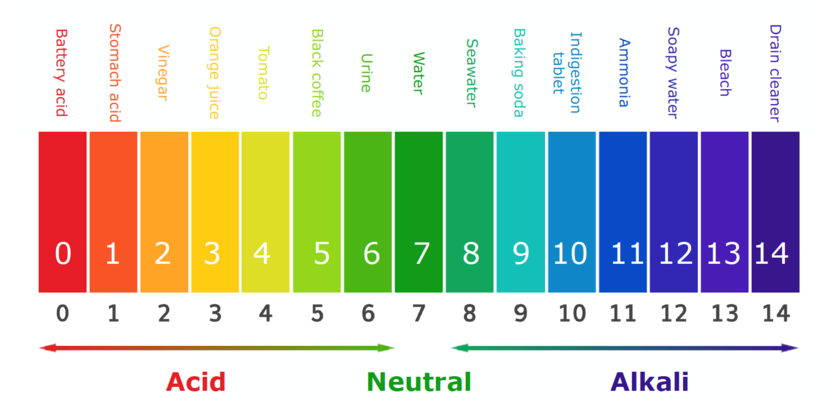
The pH Scale: A Graphical Roadmap
The pH scale acts as the standard for chemical classification. It ranges from 0 to 14:
- 0–6.9 (Acids): The lower the number, the stronger the acid.
- 7 (Neutral): Pure water sits at this perfectly balanced center.
- 7.1–14 (Bases): The higher the number, the stronger the base.
Understanding this scale allows us to predict how different substances will react. For instance, when a strong acid meets a strong base, they perform a "neutralization" reaction, effectively moving toward the center of the pH scale and creating a more stable, neutral solution.
Chronology: The Evolution of Chemical Discovery
The scientific understanding of acids and bases has evolved significantly over centuries. Initially, early scientists defined these substances solely by their observable properties—taste, touch, and reactivity with metals.
- The 17th Century: Robert Boyle, the father of modern chemistry, was among the first to distinguish acids from bases through their ability to change the color of plant extracts, such as litmus.
- The 19th Century: Svante Arrhenius revolutionized the field by proposing that acids and bases were defined by their behavior in aqueous solutions—specifically, the release of hydrogen or hydroxide ions.
- The 20th Century: The Bronsted-Lowry theory expanded these definitions further, focusing on the transfer of protons, which remains the standard for advanced chemical education today.
For the modern student, this history demonstrates that science is not static. It is a process of observation, hypothesis, and constant refinement, moving from simple sensory experiences to complex molecular analysis.
Supporting Data: Why Hands-On Education Works
Educational research consistently demonstrates that STEM (Science, Technology, Engineering, and Mathematics) retention is significantly higher when students engage in "active learning." By performing experiments, children move from passive recipients of information to active investigators.
The Role of Indicators
One of the most vital tools in this learning process is the "indicator." Because we cannot safely taste every substance in a lab, we rely on indicators—naturally occurring pigments that change color based on the pH of a solution. Red cabbage juice, for example, contains anthocyanin, a pigment that shifts from vibrant red in acidic environments to brilliant blue or green in basic environments.
Data Collection and Analysis
By using tools like litmus paper or homemade cabbage-juice strips, students are encouraged to adopt the Scientific Method:
- Observation: Looking at a substance (e.g., a tarnished penny).
- Hypothesis: Predicting how a vinegar soak will affect the copper oxide.
- Experimentation: Conducting the test.
- Analysis: Recording the color change or chemical reaction.
- Conclusion: Determining why the acid successfully stripped the tarnish from the metal.
Official Guidelines and Safety Protocols
While kitchen chemistry is fun, it is essential to emphasize safety. Educators and parents must enforce strict protocols to ensure that "fun" does not turn into a hazard.
- Handling Corrosives: While many household acids and bases are mild, others—such as concentrated drain cleaners (bases) or battery acid—are dangerous and can cause severe chemical burns.
- The "Never Taste" Rule: In any formal experiment setting, students should be instructed never to taste substances unless specifically directed by a certified educator using food-grade materials.
- Protective Gear: Even with safe household items, wearing goggles and gloves teaches children the importance of professional laboratory etiquette.
Practical Projects for the Classroom and Home
To reinforce these lessons, we recommend the following six projects designed to bridge the gap between theory and reality.
1. The Red Cabbage Indicator
Create a homemade litmus test by simmering red cabbage leaves. Once the water turns a deep purple, strain it and dip white index cards into the liquid. Once dried, these strips become your personal pH testers. Use them to test everything from shampoo to orange juice.
2. Edible Chemical Reactions
Create "Fizzy Sherbet" by combining citric acid (sour salt) with baking soda and powdered sugar. When the mixture hits the tongue, the acid and base react, creating a carbon-dioxide-induced fizz. This demonstrates the physical sensation of an acid-base reaction.
3. The Penny Shine Challenge
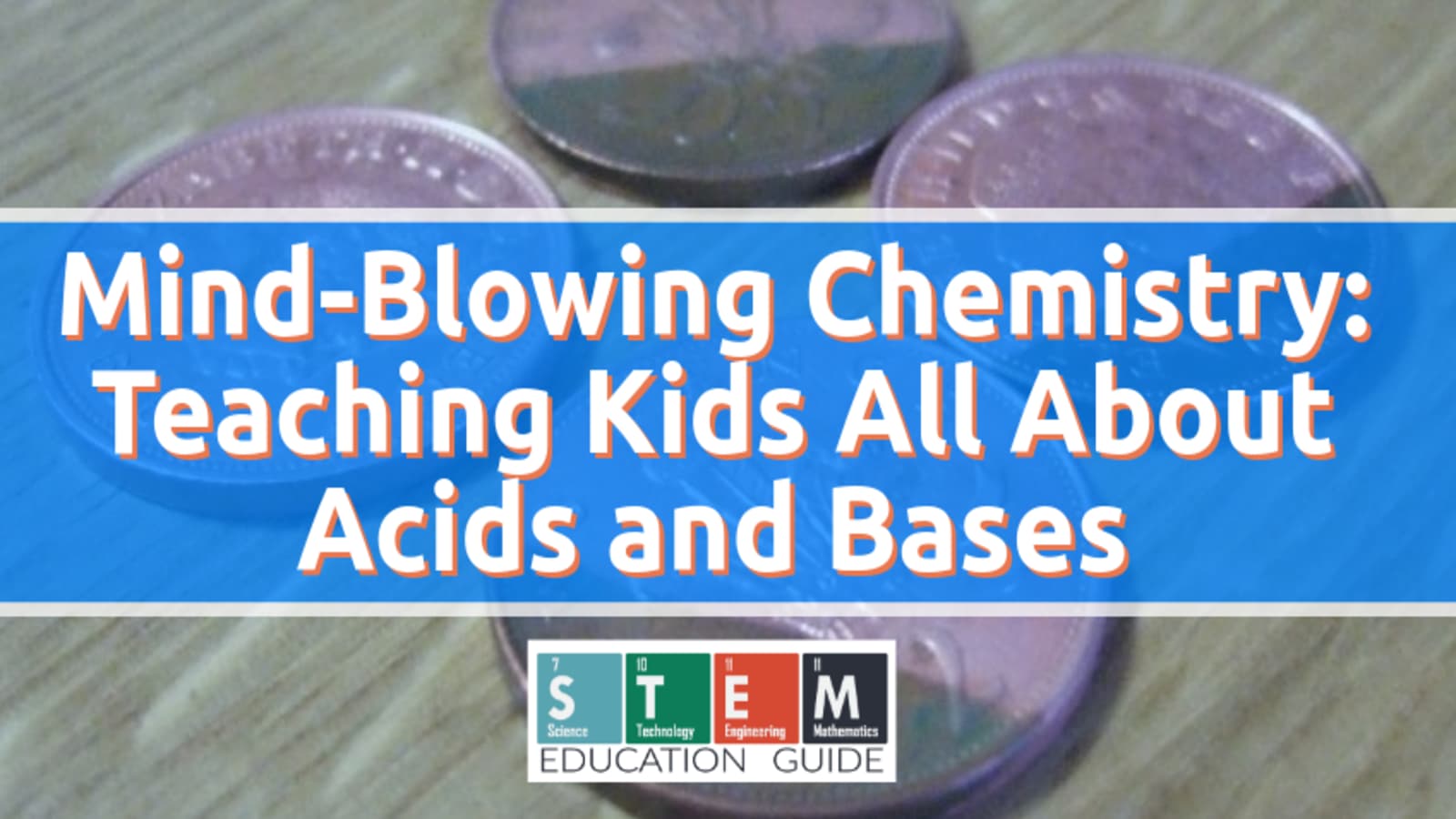
Place tarnished pennies in various liquids: lemon juice, vinegar, water, and soapy water. By observing which pennies become bright and which remain dull, students learn about the chemical interaction between acidic solutions and copper oxide.
4. The "Rubber Egg" Experiment
Place a raw egg in a jar of white vinegar for 24 hours. The acetic acid in the vinegar will react with the calcium carbonate in the eggshell, dissolving it entirely and leaving behind a rubbery, translucent membrane. This is a visual masterclass in how acids break down mineralized structures.
5. Neutralization Trials
Combine the baking soda from the kitchen with the vinegar from the "rubber egg" experiment. The resulting "volcano" effect—the rapid release of CO2—is a classic display of neutralization, where the two substances react to create a substance closer to pH 7.
6. The Scientific Method Worksheet
Regardless of the project, encourage children to document their findings. Using a structured worksheet allows them to map out their variables, predictions, and final results, cementing the process of inquiry in their minds.
Implications: The Future of STEM Literacy
The long-term implication of teaching children about acids and bases is the cultivation of a "scientific mindset." When a child understands that the lemon juice on their fish and the soap in their shower are governed by the same chemical laws, they begin to view the world through a lens of interconnected systems.
This literacy is crucial for future innovation. As we face global challenges in environmental chemistry, energy storage, and medicine, the next generation of scientists must be comfortable with the basics. Whether they go on to become chemists, environmental engineers, or simply informed citizens who understand the labels on their household cleaners, the lessons learned through these simple experiments provide a foundation for critical thinking.
By prioritizing these hands-on experiences today, we are equipping children with the tools to decode the complexities of the physical world. Science is not just a subject found in a textbook; it is a way of interacting with the universe, one reaction at a time.