The Ultimate Back-to-School Lunch Guide: Nutrition, Creativity, and Sanity for Busy Parents
Packing school lunches is a daily ritual that millions of parents face each academic year. While the task is routine, the mental load of keeping meals interesting, nutritious, and appealing to picky eaters can be overwhelming. Mornings are often a high-stress environment defined by frantic searches for missing shoes, rushed breakfast routines, and the ticking clock of the school bell. In this landscape, the midday meal frequently becomes an afterthought, leading to the dreaded half-eaten sandwich returned at the end of the day or the expensive trap of convenience-store processed meals.
To alleviate this modern parenting stressor, family nutrition experts, educators, and culinary professionals are shifting the narrative around school lunches. The consensus is clear: lunchtime doesn’t have to be complicated to be exciting. By leaning into interactive formats, incorporating visual appeal, and establishing practical prep routines, parents can transform the lunchbox from a source of daily dread into a highlight of their child’s school day.
Main Facts: The Anatomy of a Successful School Lunch
At its core, a successful school lunch balances nutritional requirements with child-friendly appeal. Nutritional guidelines emphasize the importance of variety—combining proteins, complex carbohydrates, healthy fats, fruits, and vegetables to sustain cognitive function and energy levels throughout the school day. However, nutrition means very little if the food remains uneaten.
The primary breakthrough in modern lunchbox strategy is the psychological shift toward agency and interaction. When children are involved in the selection and assembly of their food, they are significantly more likely to consume it. Furthermore, breaking meals down into manageable, visually distinct components—rather than forcing a traditional, single-entry meal—caters to how children naturally prefer to graze and explore flavors.
Key components that define an effective modern school lunch include:
- Nutritional Completeness: Incorporating macro-nutrients that promote sustained focus (protein and complex carbs) alongside vitamins and fiber (fruits and veggies).
- Visual and Textural Variety: Mixing soft elements with "crunch" and incorporating vibrant colors to stimulate appetite.
- Accessibility: Ensuring that containers, packages, and food formats are age-appropriate and easy to open independently.
- Allergy Awareness: Adhering strictly to modern institutional guidelines regarding common allergens, particularly nuts, to maintain a safe environment for all students.
Chronology: From Morning Chaos to Midday Fuel
Understanding how a streamlined lunch routine operates requires looking at the timeline of meal preparation, which actually begins days before the lunchbox is ever zipped shut.
Phase 1: The Weekend Foundation (Sunday)
Preparation starts well before the school week begins. Parents who experience the smoothest mornings typically dedicate 15 to 20 minutes on the weekend to inventory kitchen supplies, plan out a loose schedule of lunch combinations, and prep non-perishable or bulk items. This includes washing and portioning fruits, baking a batch of mini pancakes to freeze, or boiling a dozen eggs.
Phase 2: The Evening Reset (Night Before)
The most critical window for lunch preparation is the evening prior. Packing the core components of the lunchbox the night before—such as bento box compartments, dry snacks, and non-perishable items—removes the frantic decision-making from the morning rush. Perishable items like sliced fruit or yogurt dips can be easily dropped into the pre-arranged containers in a matter of seconds.
Phase 3: The Independent Morning (School Day)
On the morning of the school day, the focus shifts to independence. Children retrieve their pre-packed lunchboxes, add insulated ice packs, and ensure their labeled, reusable water bottles are filled. Because the containers have been chosen for ease of use, children can manage their items without requiring constant adult intervention.
Phase 4: The Midday Experience (Lunchtime at School)
At school, the child opens their container. Whether they are unrolling a pinwheel wrap, dipping chicken bites into ranch, or assembling a deconstructed sandwich, the meal is designed to be low-stress and engaging, encouraging proper caloric intake and leaving the student energized for afternoon classes.
Supporting Data: The Psychology of Child Nutrition
Surveys of school nutrition programs and child psychologists indicate a direct correlation between meal autonomy and food waste reduction. Studies show that when children are given choices within structured parameters—such as selecting their preferred fruit or vegetable for a bento box—plate waste decreases by up to 30%.
Additionally, data from consumer research firms highlights a massive surge in the popularity of reusable, compartmentalized lunch gear. Sales of bento-style boxes, leak-proof dipping cups, and custom lunch accessories have grown steadily over the past decade as parents move away from single-use plastic baggies and toward sustainable, visually engaging presentation methods.
Official Responses: Educator and Nutritionist Perspectives
Child development experts and educators have weighed in heavily on the impact of school lunches on classroom behavior and academic performance.
"When children eat a balanced, nutrient-dense lunch that they actually enjoy, we see a marked difference in their post-recess focus," notes Dr. Elena Vance, a pediatric dietitian specializing in school-aged nutrition. "Sugary, highly processed convenience snacks often lead to energy crashes by third period. Conversely, lunches featuring proteins, complex carbohydrates, and healthy fats help stabilize blood sugar and cognitive output."
Elementary school teachers also emphasize the importance of container design and independent functionality. "In a cafeteria setting with limited time, teachers cannot open dozens of rigid packages or untie stubborn plastic wraps," explains Marcus Holloway, a veteran second-grade educator. "When parents choose easy-open containers and practice opening them at home before the school year starts, it transforms the lunch period into a relaxed, social time rather than a stressful scramble for help."
Implications: Transforming the Lunch Routine
Adopting creative, flexible lunch strategies has profound implications for household dynamics, family finances, and children’s lifelong relationships with food.
1. Financial and Environmental Benefits
Moving away from prepackaged, single-serving convenience items—such as store-bought lunchables or individually wrapped snacks—yields substantial cost savings over a school year. Buying bulk crackers, cheeses, and fruits and assembling them at home drastically cuts down grocery bills. Furthermore, utilizing durable, reusable bento boxes and water bottles significantly reduces household plastic waste, aligning with broader environmental sustainability goals.
2. Developing Lifelong Culinary Literacy
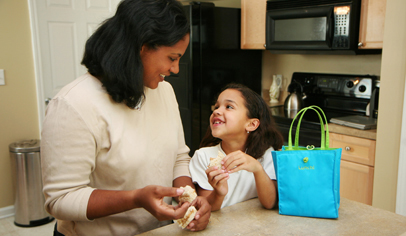
When children participate in planning and assembling their lunches—whether they are cutting cheese with cookie cutters, rolling pinwheel wraps, or selecting their favorite dipping sauces—they are engaging in early culinary education. This hands-on familiarity with food demystifies meals and encourages adventurous eating habits that persist into adulthood.
3. Reducing Household Stress
Mornings set the tone for the entire day. By implementing systematic meal-planning habits, prepping components ahead of time, and maintaining an organized inventory of favorite lunch combinations, parents can reclaim their mornings. The reduction in friction transforms the kitchen from a zone of panic into a calm, orderly space.
10 Creative Lunchbox Ideas for Busy School Mornings
To put these strategies into practice, here are ten flexible, kid-approved lunch concepts designed to banish mealtime boredom and fit seamlessly into busy school schedules.
1. Build-Your-Own Bento Box
Bento-style lunches make it easy to offer variety without making an entirely different meal. Let your child choose a few favorites from each category and mix and match throughout the week.
- Protein: Turkey slices, cheese cubes, hummus, hard-boiled eggs, yogurt, or chicken bites
- Fruit: Strawberries, grapes, apple slices, blueberries, oranges, or melon
- Veggies: Baby carrots, cucumber slices, bell peppers, snap peas, or cherry tomatoes
- Crunch: Crackers, pretzels, popcorn, or whole-grain pita chips
- Something fun: A small treat, granola bar, or favorite snack
(Always check your school’s allergy policies before packing foods that may contain common allergens.)
2. Deconstructed Sandwiches
Some kids love traditional sandwiches. Others prefer to keep everything separate. A deconstructed sandwich gives them the best of both worlds. Pack crackers or bread, sliced turkey or chicken, cheese, and a few fruits or vegetables in separate sections of a lunch container. Your child can assemble their own mini sandwiches or enjoy each ingredient on its own. For extra fun, use small cookie cutters to turn bread or cheese into different shapes.
3. Pinwheel Wraps
Turn a basic wrap into bite-size pinwheels that are easy for little hands to grab. Spread a tortilla with cream cheese or hummus, then add turkey and cheese, chicken and veggies, or another combination your child enjoys. Roll it tightly and slice into small rounds. Try different combinations throughout the week to keep this easy lunch from getting boring.
4. Lunchbox Dippers
Everything tastes a little more fun when there’s something to dip!
- Chicken bites with ranch or honey mustard
- Carrots, cucumbers, and bell peppers with hummus
- Apple slices with yogurt or sunflower seed butter
- Pita chips with hummus
- Pretzels with yogurt or another favorite dip
Pack dipping sauces in small, leak-proof containers and choose options that work with your school’s food-allergy guidelines.
5. DIY Lunchable
Skip the prepackaged version and make your own lunchable at home. It’s easy to customize and can help you use ingredients you already have. Pack crackers, cheese, sliced turkey or chicken, fruit, and a small snack. For a different twist, swap in pita bread, hummus, veggies, or mini pancakes. Let your child help choose the combinations; giving kids a say in what goes into their lunch can make them much more excited to eat it.
6. Breakfast for Lunch
Who says pancakes and waffles are only for morning meals? Pack mini pancakes or waffles with yogurt and fruit for dipping. You can also add hard-boiled eggs, turkey sausage, or another protein your child enjoys. For a simple option, make a batch of mini pancakes over the weekend and freeze them so you have an easy lunch option ready to go at a moment’s notice.
7. Pizza Lunch Box
Pizza is a universal kid favorite, and it doesn’t have to arrive in a cardboard delivery box. Pack mini naan or pita rounds with shredded mozzarella and pepperoni, or send the ingredients separately so your child can make their own mini pizzas. Add fruit or veggies on the side for a balanced meal. You can also turn leftover pizza into a lunchbox favorite, provided your school’s guidelines allow for room-temperature storage or reheating.
8. Fruit & Cheese Snack Box
For children who prefer grazing over eating one large, traditional meal, create a lunch filled with small portions of various grazing foods. Try pairing cheese cubes with grapes, apple slices, berries, crackers, turkey slices, and a small sweet treat. Mix up the combinations each week based on what ingredients you currently have on hand.
9. Quesadilla Triangles
Quesadillas are endlessly customizable and can easily be made ahead of time for hectic mornings. Fill a tortilla with cheese and your child’s favorite ingredients, such as chicken, beans, or finely chopped vegetables. Cook, let cool, and cut into neat triangles. Pack with salsa, guacamole, or another favorite dip. For younger children, cutting quesadillas into bite-sized, manageable pieces prevents mess.
10. Snack-Size Sandwiches
Make lunchtime more fun by shrinking a classic sandwich. Use a cookie cutter to create mini sandwiches or cut a regular sandwich into small squares or triangles. Try different fillings throughout the week, such as turkey and cheese, sunflower seed butter and jelly, hummus and veggies, or a mild chicken salad.
Practical Tips for Streamlining School Lunches
- Plan Ahead: Map out a few lunch combinations each week instead of starting completely from scratch every single morning.
- Prep Produce: Wash and chop fruits and vegetables ahead of time so they are ready to grab and pack instantly.
- Night-Before Assembly: Pack lunches the night before whenever possible to save precious morning minutes.
- Prioritize Independence: Choose containers your child can open easily on their own, and practice using them before the first day of school.
- Hydration Control: Provide a reusable water bottle and ensure your child can open, close, and operate it without spilling.
- Label Everything: Clearly mark lunch containers and water bottles with your child’s name to prevent lost items in the cafeteria.
- Keep a Inspiration List: Maintain a written list of your child’s favorite lunches so you never run out of ideas when inspiration dips.
- Check Policies: Always double-check your school’s specific food and allergy policies before packing new lunches and snacks.
Make Back-to-School Shopping Easier
While you are gathering lunch containers, insulated bags, water bottles, and other school essentials, don’t forget to check your child’s official school supply list.
You can find your child’s exact school supply list on TeacherLists and shop for everything they need in one convenient, centralized place.