Department of Homeland Security Proposes Eliminating 60-Day Grace Period for H-1B and Other High-Skilled Visa Holders
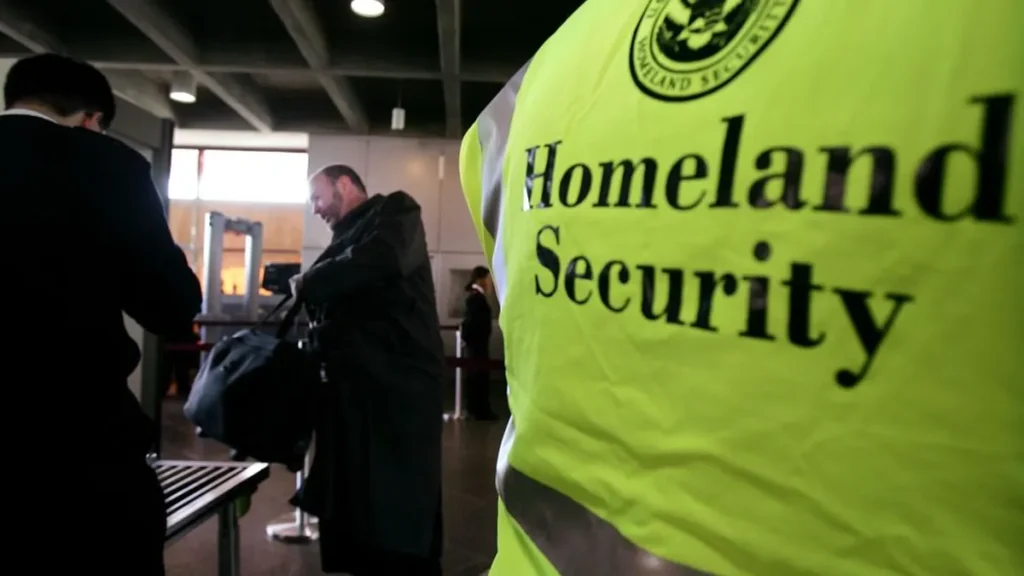
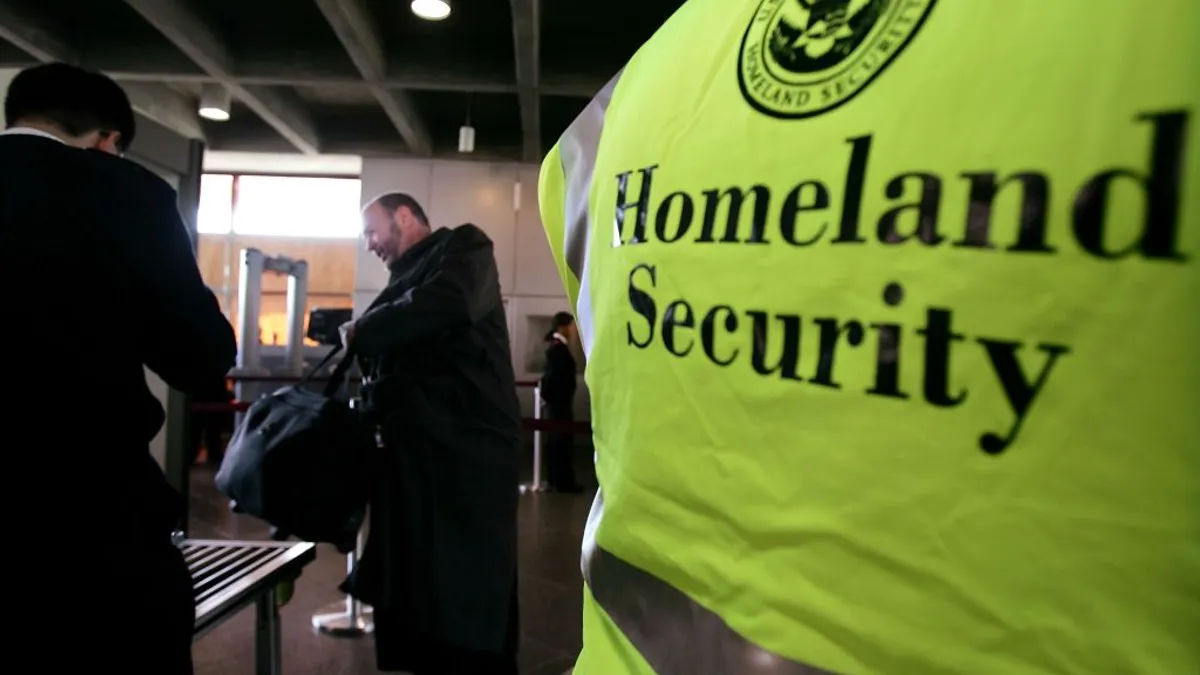
WASHINGTON — In a move that could profoundly reshape the landscape for foreign national employment in the United States, the U.S. Department of Homeland Security (DHS) has officially proposed a rule to eliminate the well-established 60-day grace period for specialized nonimmigrant workers.
Published on September 16, 2026, the Notice of Proposed Rulemaking targets the vital buffer window that has historically allowed holders of H-1B, L-1, O-1, E, and TN visas—along with their dependent family members—to temporarily maintain legal status in the U.S. while seeking new employment following a sudden job loss or layoff.
If finalized, the regulation would strip away a crucial safety net relied upon by thousands of international professionals, particularly within the technology, engineering, finance, and higher education sectors. Legal experts and immigration advocates warn that the change could drastically reduce worker mobility, increase administrative chaos for employers, and severely impact the competitiveness of the U.S. talent market.
Main Facts of the Proposed Rule
The newly proposed federal regulation directly takes aim at the discretionary grace period established nearly a decade ago in 2016. Under the current framework, when a specialized nonimmigrant worker’s employment is terminated prematurely, they are granted up to 60 consecutive calendar days to identify a new sponsor, file a change of status, or make arrangements to depart the country.
The core components of the DHS proposal include:
- Elimination of the 60-Day Buffer: The rule completely strikes down the discretionary grace period provision that permits high-skilled workers to remain in the country job-hunting without falling out of status.
- Narrowing to a 10-Day Window: While DHS has previously observed a standard 10-day grace period, legal analyses reveal that this shorter window would only apply strictly "after the validity period ends" for a visa, rather than following a sudden mid-term termination or layoff.
- Impact on Dependents: Spouses and children holding dependent visas (such as H-4 or L-2 status) would similarly lose the protection of the grace period, forcing entire households to scramble upon the primary visa holder’s job loss.
- Employer Repatriation Liability: Under existing statutory obligations that remain intertwined with the process, sponsoring companies that terminate an employee before their authorized period of stay expires may still be held financially liable for the reasonable cost of return transportation abroad.
Chronology and Regulatory Timeline
The path toward this proposed rulemaking reflects shifting priorities within federal immigration oversight, moving from an era of worker-flexibility measures to a more restrictive administrative posture.
- 2016: DHS formally establishes the 60-day grace period under the final rule known as "Retention of EB-1, EB-2, and EB-3 Immigrant Workers and Program Improvements Affecting High-Skilled Nonimmigrant Workers." The policy is widely praised by industry leaders for introducing common-sense flexibility into the U.S. immigration system, mirroring standard practices in other global economies.
- 2023–2025: Amid widespread tech sector layoffs and corporate downsizing waves, the 60-day grace period proves to be a vital lifeline for thousands of displaced engineers and data scientists, allowing them to utilize H-1B "portability" rules to transfer their sponsorships to new employers without leaving the country.
- September 11, 2026: DHS formally submits the text of the new proposed rule to the Federal Register, initiating the administrative overhaul.
- September 16, 2026: The rule is officially published, sending shockwaves through corporate human resources departments and immigration legal circles.
- November 10, 2026: The official 60-day public comment period closes. During this window, individuals, corporations, trade associations, and legal bodies are invited to submit feedback, criticisms, or support for the measure before DHS moves toward drafting a final rule.
Supporting Data and Industry Context
To understand the weight of the DHS proposal, it is essential to examine the mechanics of standard high-skilled nonimmigrant visas. An H-1B visa, for example, is typically approved in increments of up to three years, with a maximum allowable cumulative stay of six years.
According to immigration law firm Reddy Neumann Brown, the discrepancy between visa validity periods and sudden employment termination creates an immediate trap under the new proposal. Steven Brown, a partner at the firm, illustrated the danger in a recent legal analysis:

“The company that lays off an H-1B employee two years into a three-year approval leaves that employee with no cushion at all.”
Historically, the 60-day window served as an administrative bridge, facilitating fluid labor market adjustments. When a company downsized, skilled talent could quickly pivot to a competitor facing labor shortages. By stripping away this window, DHS is effectively dismantling the operational agility that has made the H-1B portability framework attractive to multinational corporations.
Furthermore, DHS justified the rollback in its regulatory filing by claiming that the grace period created an unnecessary administrative burden. The agency argued that the process of determining when the grace period applies, reviewing submissions, and evaluating whether to shorten or eliminate the timeframe is "time consuming and complex for the agency and confusing or unpredictable for the petitioner, alien and the alien’s dependents."
Official Responses and Justifications
The Department of Homeland Security has framed the regulatory rollback as a matter of legal integrity and statutory alignment. In its published Notice of Proposed Rulemaking, agency officials asserted that the existing 60-day grace period is fundamentally "inconsistent with the purpose for which Congress created the relevant nonimmigrant classifications."

DHS leadership emphasized that temporary work visas were never designed to function as open-ended job-seeking permits. By restoring the strict expectation that foreign nationals must depart the United States immediately upon the cessation of the specific employment or activity that formed the basis of their legal status, the agency believes it will better promote overarching program integrity.
However, the legal and corporate communities have met these justifications with sharp skepticism. Immigration attorneys point out that while DHS cites administrative simplification as a goal, the practical reality of removing the buffer will likely increase litigation, complex overstay appeals, and emergency extension filings as panicked workers attempt to find alternative paths—such as B-2 visitor visas or F-1 student visas—just to buy time to wrap up their affairs in the U.S.
Implications for Employers, Workers, and the U.S. Economy
The elimination of the 60-day grace period carries far-reaching consequences across multiple facets of the American economy, higher education, and corporate compliance.
1. The Human Cost and Family Disruption
For individual workers and their families, the stakes are existential. Under the proposed rule, a sudden layoff on a Friday could mean that an engineer, researcher, or healthcare professional must pack up their entire household, sell their home, pull their children out of school, and book international flights within a matter of days. This compressed timeline leaves virtually no room to settle financial accounts, sell vehicles, or properly transition ongoing projects.
2. Corporate Recruitment and Retention Challenges
U.S. employers competing in fierce global markets for top-tier engineering, artificial intelligence, and scientific talent may find the U.S. a significantly less attractive destination. Highly skilled global professionals are likely to weigh the severe legal precarity of working in the U.S.—where a single corporate restructuring could result in immediate deportation proceedings—against moving to more stable jurisdictions like Canada, the United Kingdom, or the European Union, which offer more forgiving post-employment pathways.
3. Legal and Compliance Ambiguities
Legal experts have highlighted several unanswered questions within the proposed text. For instance, while the rule seeks to eliminate the grace period, H-1B portability—the statutory mechanism allowing a worker to begin employment with a new sponsor as soon as a non-frivolous petition is filed—technically remains part of the statutory program.
However, without a grace period to bridge the gap between jobs, any administrative delay in filing the new petition could land the worker out of status, jeopardizing their entire immigration history. Additionally, employers executing layoffs will need to carefully navigate lingering statutory mandates regarding their liability for the "reasonable cost of return transportation abroad" for dismissed workers.
4. The Path Forward: Public Commentary
With the 60-day comment window open until November 10, 2026, corporate America, university systems, immigration coalitions, and affected individuals face a narrow window to make their voices heard. Industry stakeholders are widely expected to flood the federal docket with data demonstrating the economic necessity of worker mobility, setting the stage for a fierce legal and administrative battle before any final rule can take effect.