Beyond the Needle: How Empathy and Dialogue Are Transforming Zero-Dose Immunization in Nigeria’s Bayelsa State
Main Facts
In the remote communities of Nigeria’s riverine Bayelsa State, the battle against preventable childhood diseases is rarely won through logistical force alone. Instead, it is won—or lost—in the quiet spaces of human interaction. A striking testament to this reality unfolded in the Yenegwe community of Yenagoa Local Government Area, where nearly two decades of generational vaccine hesitancy were undone not by mandates or coercion, but through a single, deeply empathetic conversation.
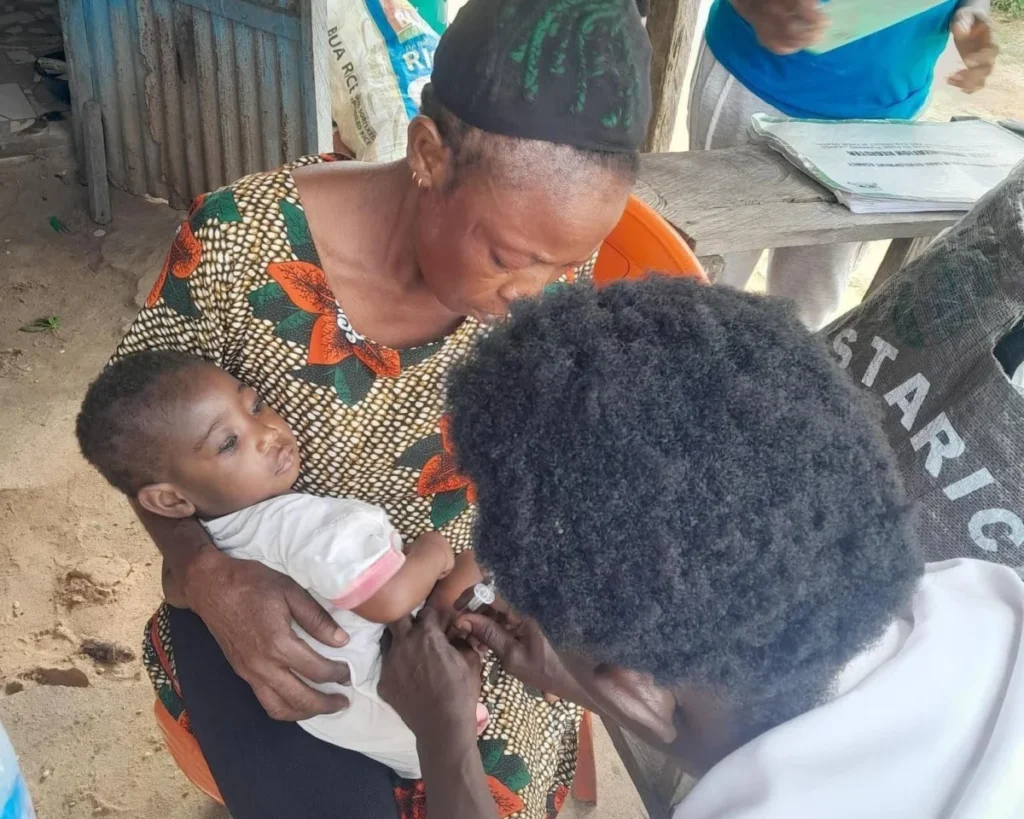
For nearly twenty years, Mrs. Favour, a local hairdresser and mother, stood firm in her refusal to vaccinate her children. By the time her youngest child, Baby Rejoice, reached one year of age, she had never received a single routine immunization. To the public health sector, Rejoice was classified as a "zero-dose" child—a stark statistic representing millions of children worldwide who remain entirely unprotected against common, life-threatening infections.
Mrs. Favour’s resistance was not born out of malice or abstract philosophical opposition; it was rooted in a very real, unaddressed trauma. When her eldest child, now 19 years old, received infant vaccinations nearly two decades ago, the infant suffered a distressing reaction characterized by high fever, persistent restlessness, and severe intestinal distress. Although the child eventually recovered, the frightening experience left an indelible mark. Without guidance, follow-up, or medical reassurance, Mrs. Favour drew a devastating conclusion: that immunization was inherently dangerous. For the next two decades, that single unaddressed adverse event kept a wall up between her family and life-saving public health interventions.
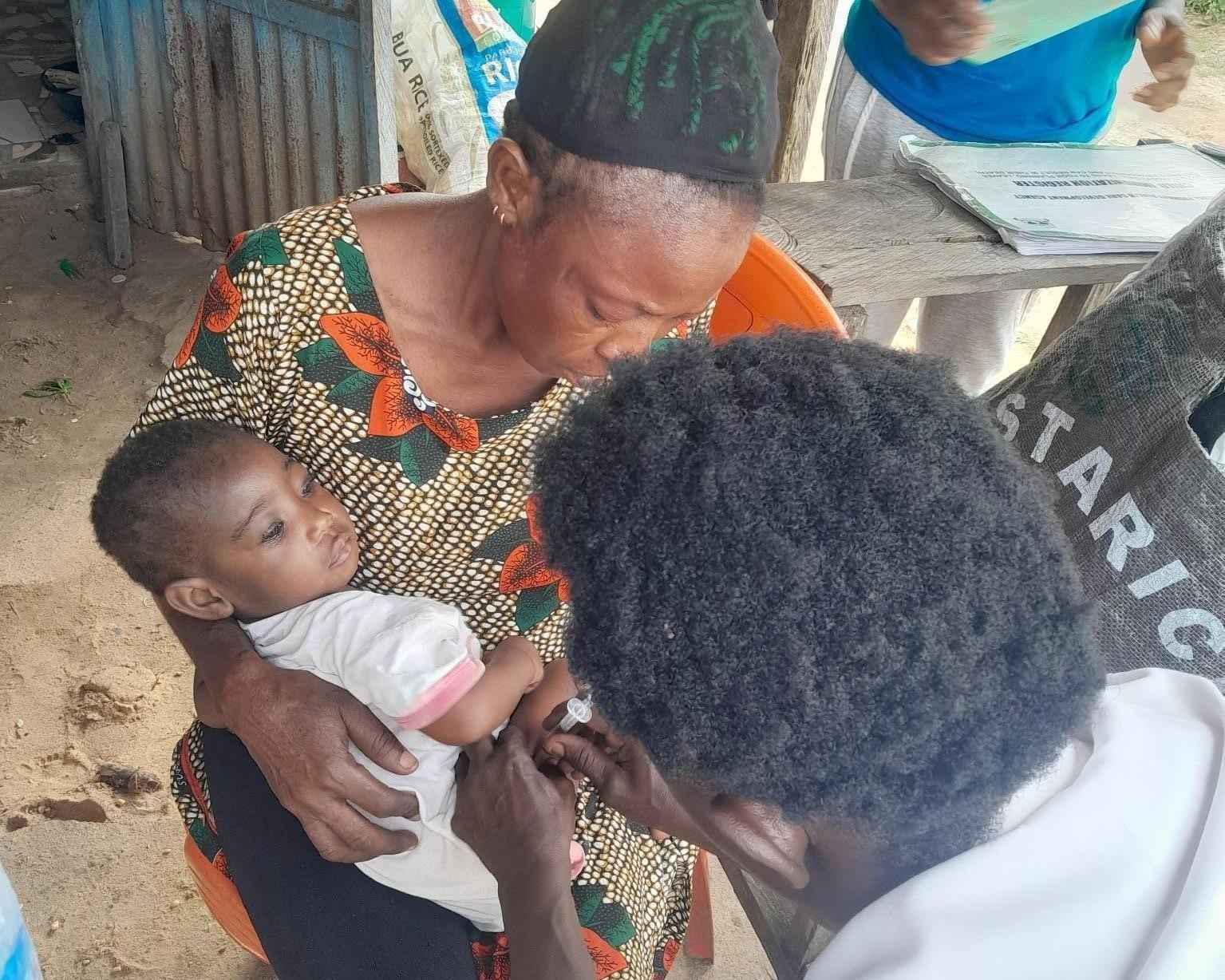
That wall finally began to crumble on June 10, 2026. During a community outreach session conducted by the Yenegwe Primary Health Center with technical and logistical support from JSI (John Snow, Inc.), Baby Rejoice was identified as a zero-dose child. Esogenwune Nwabueze, a JSI Bayelsa State advocacy, communication, and social mobilization (ACSM) officer, approached Mrs. Favour. Rather than dismissing her fears or lecturing her on compliance, Nwabueze listened.
Through active listening, cultural sensitivity, and evidence-based counseling, Nwabueze demystified the physiological reactions that had haunted Mrs. Favour for years. He explained the nature of adverse events following immunization (AEFI), clarifying that common, mild reactions do not necessarily indicate a dangerous product or a permanent threat, but rather signify an immune system responding to protection. He outlined danger signs to watch for and provided actionable steps for caregivers.
Convinced by transparency and respect rather than pressure, Mrs. Favour made the informed decision to protect her youngest child. Baby Rejoice received six life-saving vaccines in a single session, shielding her against a battery of deadly illnesses, including tuberculosis, polio, hepatitis B, diphtheria, pertussis (whooping cough), tetanus, pneumonia, rotavirus, and meningitis.
Yet, the journey from hesitancy to complete immunity is rarely linear. When Baby Rejoice missed her subsequent follow-up appointment a month later, local health systems swung into action rather than writing her off as a lost cause. Through coordinated defaulter-tracking protocols, the Yenagoa immunization team visited Mrs. Favour at home, reaffirmed the safety and age-appropriateness of the antigens, and successfully brought the child back into the clinic. Rejoice received her remaining missed doses—including Penta 2, polio 2, rotavirus, and a malaria vaccine—closing her immunity gap and illustrating the profound impact of persistent, compassionate healthcare delivery.
Chronology of Events
To understand how public health interventions can successfully pivot a family from entrenched resistance to active participation, it is vital to examine the timeline of events that transformed Baby Rejoice’s life and healed Mrs. Favour’s generational mistrust.
- Circa 2007 (The Catalyst): Mrs. Favour’s eldest child (now 19 years old) experiences a frightening episode of fever, restlessness, and intestinal distress shortly after receiving routine infant immunizations. In the absence of medical follow-up or counseling, the mother concludes that vaccines are dangerous.
- 2007–2025 (The Era of Hesitancy): For nearly two decades, Mrs. Favour refuses immunizations for all subsequent children born into her family. Generations of public health campaigns pass her household by, leaving her children vulnerable to vaccine-preventable diseases.
- June 10, 2026 (The Breakthrough Outreach): The Yenegwe Primary Health Center, supported by JSI, conducts a routine community outreach session. Health workers identify one-year-old Baby Rejoice as a zero-dose child. JSI ACSM Officer Esogenwune Nwabueze engages Mrs. Favour in a respectful, empathetic dialogue, explaining AEFIs, common reactions, and home-care strategies.
- June 10, 2026 (Initial Vaccination): Overcoming twenty years of fear, Mrs. Favour consents to immunization. Baby Rejoice receives six foundational, life-saving vaccines protecting against tuberculosis, polio, hepatitis B, diphtheria, pertussis, tetanus, pneumonia, rotavirus, and meningitis.
- June 11, 2026 (The Home Visit): To reinforce confidence, prevent anxiety, and mitigate the risk of default, Mr. Nwabueze conducts a follow-up home visit. He checks on Baby Rejoice, answers lingering questions, and links the family’s details directly to the Yenagoa immunization officer and health facility team.
- Early July 2026 (The Missed Appointment): Baby Rejoice misses her scheduled follow-up appointment for her second round of antigens, threatening to stall her immunization journey before full protection can be achieved.
- Mid-to-Late July 2026 (Defaulter Tracking and Completion): Leveraging community-facility linkages, the Yenagoa immunization office tracks down Mrs. Favour at her home. Reassured by the supportive outreach, Mrs. Favour brings Rejoice back to the health facility, where she successfully receives her remaining missed antigens, including Penta 2, polio 2, rotavirus, and malaria vaccines.
Supporting Data & Context
The challenge faced by public health workers in Bayelsa State is mirrored across Nigeria and much of the developing world, where pockets of unreached and zero-dose children continue to threaten global immunization targets. Zero-dose children—those who have not received even a single dose of the diphtheria-tetanus-pertussis (DTP) containing vaccine—represent the most marginalized, vulnerable segments of the global population. They are disproportionately concentrated in fragile, remote, or conflict-affected settings, as well as in urban slums and communities plagued by misinformation.
According to global public health organizations, addressing zero-dose children requires shifting the paradigm from mere supply-chain distribution to demand-side engagement. In Nigeria, historic data shows that while vaccine availability has improved, demand-side barriers—such as lack of awareness, logistical hurdles, cultural skepticism, and fear of side effects—remain formidable obstacles.
The case of Mrs. Favour highlights specific data points critical to modern immunization strategies:
- The Persistence of Adverse Event Fear: Studies consistently show that unmanaged AEFIs are among the leading catalysts for sudden vaccine dropout and long-term hesitancy. When parents experience a child falling ill after a shot and receive no explanation from healthcare providers, trust is fractured, often permanently.
- The Power of Follow-Up Interventions: The successful retrieval of Baby Rejoice after a missed appointment underscores the efficacy of robust defaulter-tracking systems. Without proactive home visits and inter-agency coordination between mobilizers and facility officers, dropouts frequently translate into permanent zero-dose or under-immunized status.
- Comprehensive Antigen Protection: By bringing Baby Rejoice up to date, the health system delivered not only foundational vaccines (such as BCG and polio) but also critical newer antigens, including rotavirus and malaria protection, demonstrating how catch-up campaigns can rapidly compress a child’s vulnerability window.
Official Responses and Perspectives
The transformation in Yenegwe has drawn praise from health officials and frontline mobilizers alike, serving as a case study for future community health initiatives across Nigeria.
Esogenwune Nwabueze, the JSI Bayelsa ACSM officer who facilitated the breakthrough, emphasized that empathy must be the bedrock of all public health communication:
"Every caregiver deserves accurate information so they can make informed decisions for their children. Many vaccine refusals are rooted in fear, misinformation, or past experiences. Listening is often the first step toward building trust."
Nwabueze’s philosophy challenges traditional, top-down public health approaches that rely on commands rather than conversation. By treating Mrs. Favour’s past trauma with respect, he validated her experiences while gently correcting the misinformation that had sustained her fear for two decades.
From the administrative level, Dr. Williams Appah, Executive Secretary of the Bayelsa State Primary Health Care Board, underscored the collaborative nature of the victory and reiterated the state’s unwavering commitment to reaching every vulnerable child:
"No child is beyond reach when communities, health workers, and partners like JSI work together. At the Bayelsa State Primary Health Care Board, we remain committed to identifying and reaching every zero-dose and under-immunized child with life-saving vaccines."
Dr. Appah’s statement highlights the vital synergy between state government agencies and international development partners. By pooling resources, training community mobilizers, and enforcing accountability structures, the Bayelsa health sector is systematically dismantling the barriers that leave children unprotected.
Implications for Public Health Policy
The story of Mrs. Favour and Baby Rejoice offers profound, actionable lessons for immunization programs across Nigeria, sub-Saharan Africa, and global health sectors striving to meet immunization equity targets.
1. Moving Beyond Coercion to Cultivate Trust
For decades, public health messaging in many regions has leaned heavily on compliance-driven frameworks: telling communities what they must do rather than addressing why they are hesitant. The Yenegwe intervention proves that sustainable behavioral change cannot be forced; it must be earned. Healthcare systems must invest heavily in training frontline workers in interpersonal communication, active listening, and empathetic counseling. When caregivers feel heard rather than judged, they are far more likely to lower their defenses.
2. The Critical Importance of AEFI Management
Mrs. Favour’s 19-year resistance began with a poorly explained fever in her eldest child. This underscores an urgent systemic need: every vaccination must be accompanied by clear, pre-emptive counseling regarding potential side effects. Caregivers must be told what normal post-vaccination reactions look like, how to manage them at home, and when to seek professional care. Demystifying AEFIs before they occur is one of the most cost-effective ways to prevent long-term vaccine hesitancy.
3. Strengthening Defaulter Tracking and Inter-Agency Coordination
Reaching a zero-dose child with a first vaccine is only half the battle; ensuring they complete the entire immunization schedule is where many programs falter. Baby Rejoice missed her first scheduled follow-up appointment, a critical juncture where many children slip through the cracks. The successful intervention was made possible only because the JSI mobilization team and the Yenagoa immunization facility maintained open lines of communication and executed a coordinated tracking visit. Public health policies must institutionalize defaulter-tracking mechanisms, assigning clear, local accountability to ensure that missed appointments trigger immediate, supportive outreach rather than administrative silence.
4. Tailoring Strategies for Riverine and Hard-to-Reach Communities
Bayelsa State’s unique geographic terrain—characterized by rivers, creeks, and scattered settlements—presents distinct logistical hurdles. Reaching zero-dose children in such environments requires flexible, community-embedded ACSM officers who understand local dynamics and can navigate cultural nuances. Empowering local health workers with the tools, training, and institutional backing to conduct continuous outreach is essential for sustaining immunization gains.
Ultimately, Baby Rejoice’s journey from zero-dose vulnerability to full immunization is a powerful reminder that public health is fundamentally about people. Behind every statistic is a parent grappling with fear, and behind every success story is a health worker willing to listen. By placing empathy at the center of immunization delivery, Bayelsa State is lighting a path toward a healthier, more resilient future for its children—one conversation at a time.