Beyond the Numbers: How Empathy and Community Outreach are Transforming Zero-Dose Immunization in Nigeria’s Bayelsa State
Introduction: The Anatomy of Vaccine Hesitancy
For nearly twenty years, the silence of unimmunized children echoed quietly inside the walls of Mrs. Favour’s home in the Yenegwe community of Bayelsa State, Nigeria. A hairdresser and mother of five, Mrs. Favour had maintained an absolute refusal of childhood vaccinations—a hardline stance born out of a deeply personal and terrifying past experience.
When her first child, now 19 years old, was an infant, she had brought the baby in for routine immunization. Shortly after receiving the injections, the infant developed a high fever, relentless restlessness, and severe intestinal distress. Although the child eventually recovered without long-term complications, the traumatic episode left an indelible psychological scar. To a mother with no medical background, the sudden and distressing physical reaction of her infant could only mean one thing: vaccines were dangerous.
With no healthcare worker available at the time to explain the physiological realities of post-immunization reactions, Mrs. Favour made a vow. For her subsequent four children, the clinic doors remained firmly shut. By the time her youngest child, Baby Rejoice, reached one year of age, she was classified as a "zero-dose" child—having never received a single routine vaccination, leaving her entirely vulnerable to a battery of vaccine-preventable, life-threatening diseases.
Mrs. Favour’s story is far from unique. Across low- and middle-income countries, public health campaigns frequently collide with complex webs of fear, historical mistrust, and unaddressed trauma. However, a transformative outreach initiative in Bayelsa State—spearheaded by the Bayelsa State Primary Health Care Board in collaboration with John Snow, Inc. (JSI)—is proving that vaccine hesitancy is rarely a stubborn rejection of science. Instead, it is almost universally rooted in real, unmanaged fear. And as recent events in Yenegwe demonstrate, that fear can be successfully met, understood, and dismantled through patient, empathetic human connection.
Chronology of a Breakthrough: From Skepticism to Protection
June 10, 2026: The Turning Point at Yenegwe Primary Health Center
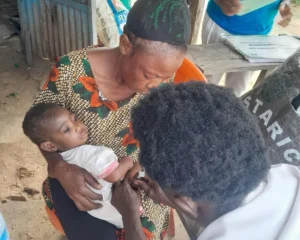
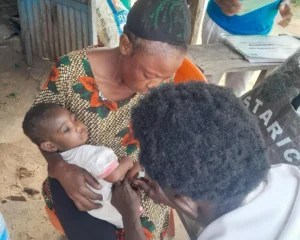
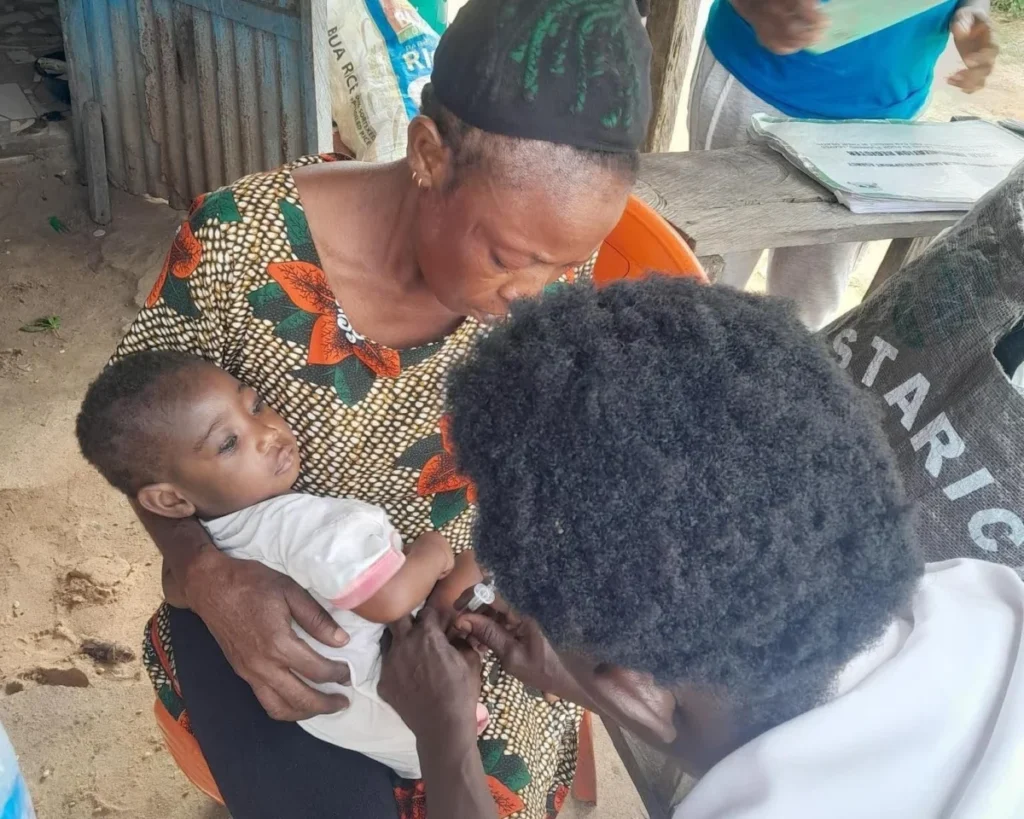
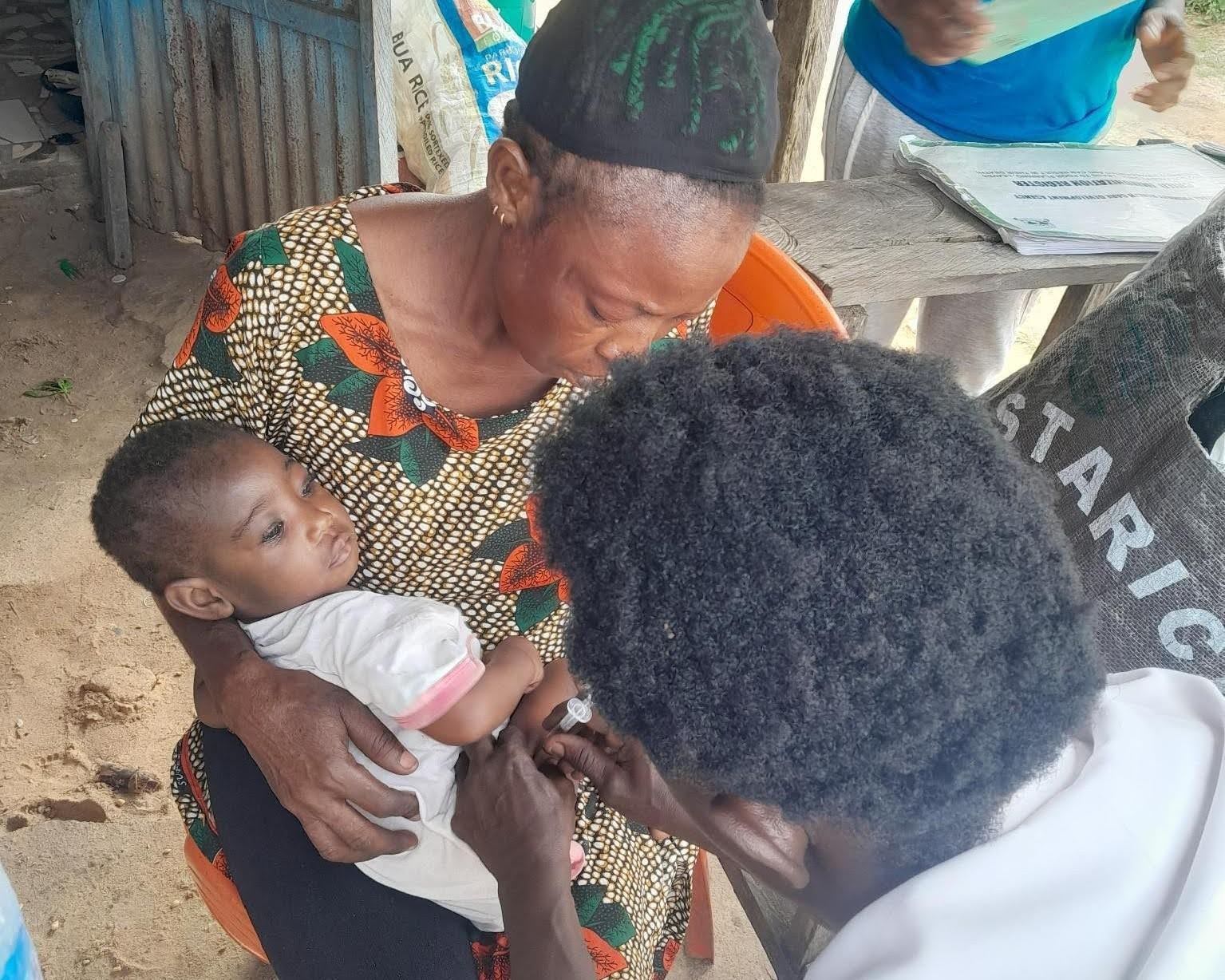
The tide began to turn on June 10, 2026, during a routine community outreach session conducted by the Yenegwe Primary Health Center, backed by technical and logistical support from JSI. During the mobilization drive, health workers identified Baby Rejoice as a zero-dose child.
Sensing an opportunity for dialogue rather than admonition, Esogenwune Nwabueze, a JSI Bayelsa State advocacy, communication, and social mobilization (ACSM) officer, stepped forward. Rather than dismissing Mrs. Favour’s long-standing stance as ignorance, Nwabueze approached her with an open posture of active listening.
"Every caregiver deserves accurate information so they can make informed decisions for their children," Nwabueze explained later. "Many vaccine refusals are rooted in fear, misinformation, or past experiences. Listening is often the first step toward building trust."
For the first time in two decades, someone sat down to listen to Mrs. Favour’s 19-year-old trauma. Nwabueze did not invalidate her past experience; instead, he carefully explained Adverse Events Following Immunization (AEFI). He educated her on the fact that mild fevers and fussiness are often normal immune system responses rather than signs of systemic harm or vaccine failure. He outlined common post-vaccination reactions, taught her how to spot genuine danger signs, and provided clear, actionable steps that caregivers should take if a child reacts poorly to an injection.
Through respectful dialogue and evidence-based counseling, the wall of resistance crumbled. Empowered by understanding rather than coercion, Mrs. Favour made an informed, voluntary decision to immunize Baby Rejoice.
Immediate Clinical Action
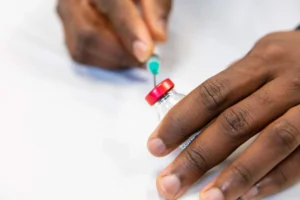
That very day, Baby Rejoice received a comprehensive package of six life-saving vaccines. These antigens were carefully selected to protect the infant against a devastating array of childhood illnesses, including:
- Tuberculosis (TB)
- Poliomyelitis (Polio)
- Hepatitis B
- Diphtheria, Pertussis (Whooping Cough), and Tetanus (Diphtheria-Tetanus-Pertussis or Pentavalent vaccine)
- Pneumococcal infections (Pneumonia)
- Rotavirus (severe infant diarrhea)
- Meningitis
To ensure that the initial breakthrough was not undermined by lingering anxieties, Nwabueze went a step further. The following day, he conducted a follow-up home visit to check on Baby Rejoice, verify that the infant was tolerating the antigens well, and reinforce Mrs. Favour’s confidence. He also integrated Baby Rejoice’s data into the local health system, sharing her details with the Yenagoa immunization officer and the local health facility team to ensure ongoing tracking and support.
The Non-Linear Road to Completion: Overcoming Defection
Public health theory often portrays vaccine uptake as a linear progression: a mother is convinced, the child receives a shot, and the schedule is completed. In practice, however, human lives are messy, unpredictable, and vulnerable to disruption.
Although Baby Rejoice was scheduled to return for her next round of vaccinations exactly one month later, the appointment date passed without a visit from Mrs. Favour. In many under-resourced regions, a missed appointment marks the permanent loss of a patient to follow-up—adding them to the grim statistics of under-immunized or default children.
However, the robust tracking mechanisms established by the JSI and local health authorities prevented this. Alerted by the missed appointment, the Yenagoa immunization office mobilized a team to visit Mrs. Favour directly at her home.
The health workers offered reassurance rather than reprimand. They reminded her that the upcoming vaccines were carefully calibrated to be age-appropriate and that completing the sequence was vital to closing Baby Rejoice’s immunity gap. Their persistence paid off. The following month, Mrs. Favour brought Baby Rejoice back to the clinic, where she successfully received her remaining missed antigens, including subsequent doses of Penta 2, Polio 2, Rotavirus, and the malaria vaccine.
Supporting Data and Systemic Context: The Zero-Dose Challenge in Nigeria
To fully appreciate the significance of individual success stories like Baby Rejoice, one must examine the broader epidemiological landscape of immunization in Nigeria.
Despite decades of national and international public health interventions, Nigeria continues to carry one of the highest burdens of zero-dose and under-immunized children globally. These children—often concentrated in rural, hard-to-reach, or economically marginalized communities—represent the frontline casualties of systemic gaps in primary healthcare delivery, supply chain fragility, and socioeconomic disparities.
Key Factors Driving Zero-Dose Status:
- Geographic Barriers: Many remote settlements in states like Bayelsa, characterized by riverine terrain and difficult topography, lack consistent physical access to fully equipped primary health centers.
- Information Deficits and Rumors: Where formal health communication is weak, misinformation fills the vacuum, allowing historical fears and anecdotal adverse events to morph into community-wide panics.
- The AEFI Fear Factor: As demonstrated in Mrs. Favour’s case, minor and expected side effects (such as low-grade fever or injection-site soreness), when left unexplained by medical professionals, act as powerful deterrents against future healthcare-seeking behaviors.
- Weak Tracking Systems: Without active community-level defaulter tracking, busy parents who miss a single milestone often drop out of the immunization grid entirely, leaving their children permanently exposed.
Interventions like those deployed by JSI and the Bayelsa State Primary Health Care Board directly target these vulnerabilities. By integrating ACSM officers into grassroots outreach, public health programs shift from top-down administrative mandates to community-centered, relational healthcare.
Official Responses and Strategic Implications
The success in Yenegwe is serving as a blueprint for institutional reform across Bayelsa State. Public health leaders emphasize that reaching the last zero-dose child requires an unwavering commitment to inter-agency collaboration, community trust-building, and accountability.
Dr. Williams Appah, Executive Secretary of the Bayelsa State Primary Health Care Board, underscored this philosophy in a recent stakeholder address:
"No child is beyond reach when communities, health workers, and partners like JSI work together. At the Bayelsa State Primary Health Care Board, we remain committed to identifying and reaching every zero-dose and under-immunized child with life-saving vaccines."
Dr. Appah’s remarks point to a broader strategic shift within Nigerian public health governance: recognizing that immunization coverage cannot be achieved through logistics alone. While cold-chain integrity, vaccine availability, and transport fleets are vital, they are ultimately useless if the human element—the caregiver—is paralyzed by fear or alienation.
Key Takeaways for Public Health Policy:
- Empathy as an Operational Asset: Traditional health worker training often focuses strictly on clinical administration. Integrating active listening, interpersonal communication, and psychological first aid into health worker curricula is essential for defusing hesitancy.
- Accountability Through Defox/Defaulter Tracking: The secondary intervention that brought Baby Rejoice back into the clinic after a missed appointment highlights the critical need for continuous tracking mechanisms. Assigning explicit accountability to local immunization officers ensures that no child slips through the cracks.
- Cross-Sectoral Partnerships: The synergy between international public health implementers (like JSI) and local state boards creates a multiplier effect, combining global technical expertise with deep grassroots legitimacy.
Conclusion: A Mother’s Reconsidered Legacy
For nineteen years, Mrs. Favour’s household stood as a monument to a single unresolved medical fear. Today, that legacy has been rewritten.
Reflecting on her journey from absolute refusal to active vaccine acceptance, Mrs. Favour shared a perspective that should resonate in boardrooms and clinics across the globe:
"After my experience with my first child, who is 19 years old, I refused vaccines for all my children because I believed immunization was dangerous. Nobody had explained to me that those reactions could happen and what to do about them. Today, they listened and answered my questions. This gave me the confidence to allow Baby Rejoice to be vaccinated."
Baby Rejoice is now well on her way to completing her full immunization schedule, shielded from the devastating impacts of tuberculosis, polio, rotavirus, and pneumonia. More importantly, her mother has become an unintended ambassador for health literacy in Yenegwe—proving that when health systems choose to listen before they lecture, even the deepest-seated fears can be transformed into lifelong trust.