By Griffin White and Sanders Wiggins Special to Educational Leadership News
Main Facts
In an era defined by post-pandemic educational recovery, declining student engagement, and a widespread sense of disconnection within classrooms and communities, young leaders are proving that the most effective solutions often come from their peers. Griffin White and Sanders Wiggins, recent graduates of Texas High School in Texarkana, Texas, and current freshmen at the University of Texas at Austin, took student advocacy into their own hands.
Frustrated by the post-pandemic lethargy affecting school participation, White (former student council vice president) and Wiggins (former student council president) spearheaded an ambitious regional initiative known as “Leadership Day.” Powered by a $1,000 Student Service Grant from the National Association of Student Councils (NASC), the event brought together 125 students spanning grades 3 through 8, alongside 40 high school student volunteers and numerous educators.
Rather than confining their efforts to their own campus, the organizers extended invitations to schools up to two hours away, drawing participants from across the region to collaborate under the unifying theme: “Get Your Head in the Game.” The resulting program featured 12 interactive workshops, community leader involvement, and actionable project-planning sessions designed to foster civic responsibility, innovation, and leadership skills in the next generation.
Chronology of an Initiative: From Concept to Execution
Phase 1: Planting the Seeds of Regional Impact
The genesis of Leadership Day can be traced back to the holiday season preceding the event. The Texas High School chapter of the National Association of Student Councils participated in a massive regional service project, partnering with chapters across the American South—stretching from Atlanta, Georgia, across Arkansas, and deep into Texas. Together, these student councils collected and donated vital food supplies to local homeless shelters.
This regional collaboration served as an awakening for White and Wiggins. They realized that when young people pool their resources and energy, their impact is not merely localized to school hallways; it resonates throughout entire communities.
Soon after, their student council adviser approached them with a compelling opportunity: apply for a competitive Student Service Grant offered through the NASC. Recognizing the potential to scale their vision, White and Wiggins accepted the challenge, successfully securing the $1,000 award.
Phase 2: Budgeting, Partnerships, and Scaling Up
While a $1,000 grant provided a sturdy financial foundation, hosting 125 elementary and middle school students, accommodating 40 high school volunteers, providing adviser hospitality, and serving meals to all attendees required a significantly larger budget.
The student leaders implemented a multi-pronged resource-mobilization strategy:
Local Business Partnerships: They solicited financial and in-kind donations from Texarkana merchants and businesses.
Community Leadership: They recruited local civic leaders to volunteer as speakers and mentors.
School Support: Texas High School provided institutional backing, facility access, and administrative encouragement.
Resourcefulness: To minimize overhead costs, the organizers recycled decorations from previous school functions, stretching every dollar to maximize the participant experience.
Phase 3: Curriculum Design and Creative Freedom
To ensure the event offered genuine value, White and Wiggins wanted to avoid abstract lectures or easily searchable internet concepts. They drew inspiration from past student council conventions and summer workshops, recognizing that true inspiration stems from passionate peers sharing authentic experiences.
The organizers established the centralized theme—“Get Your Head in the Game”—to anchor the day’s activities. They then granted creative freedom to their high school student volunteers, tasking them with designing engaging, hands-on workshops. Leveraging popular school clubs and organizations, the team coordinated the creation of 12 distinct breakout sessions. Months of rigorous, meticulous planning culminated in a cohesive, high-energy curriculum tailored specifically to younger students.
Phase 4: Execution at Texas High
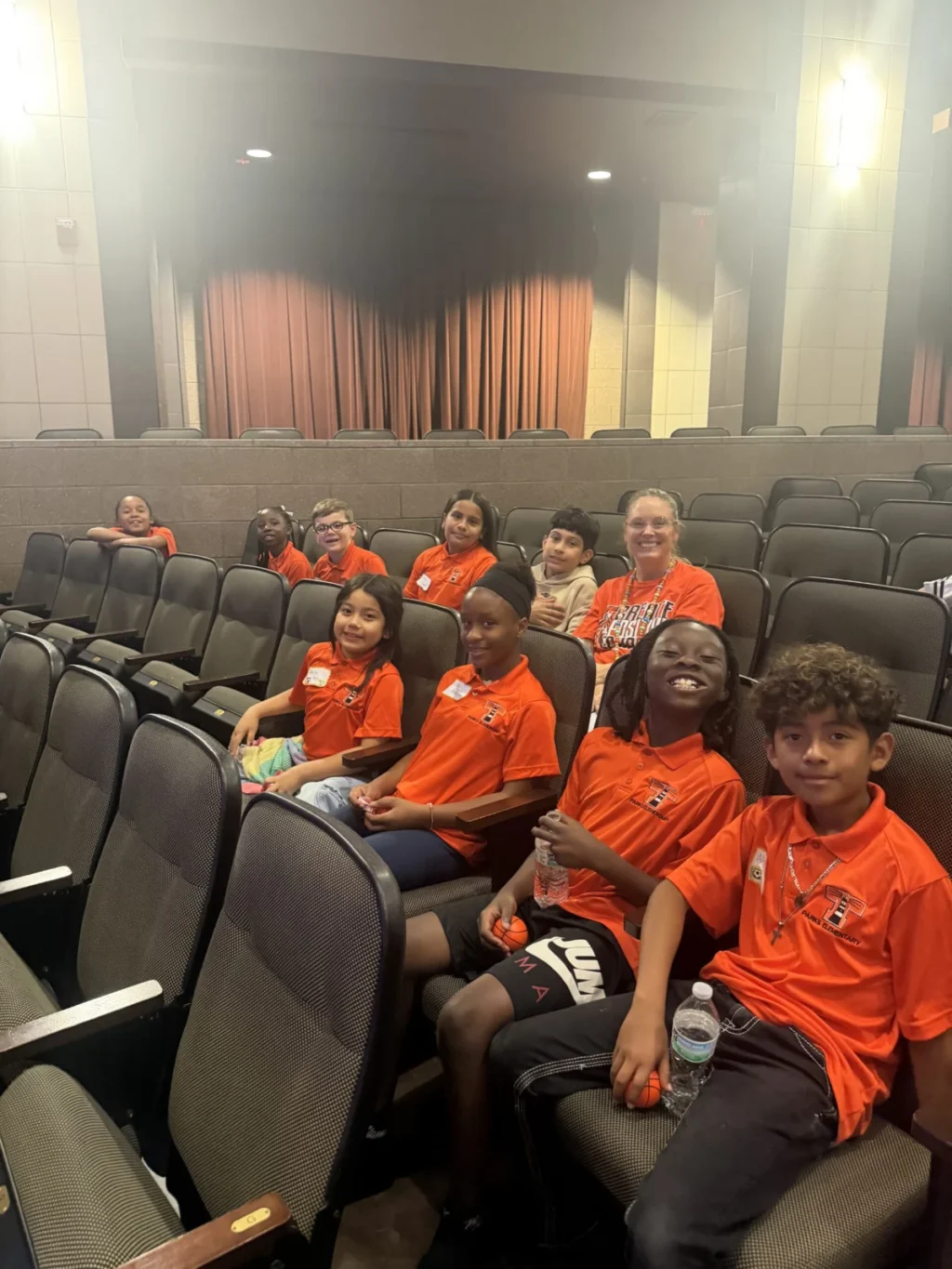
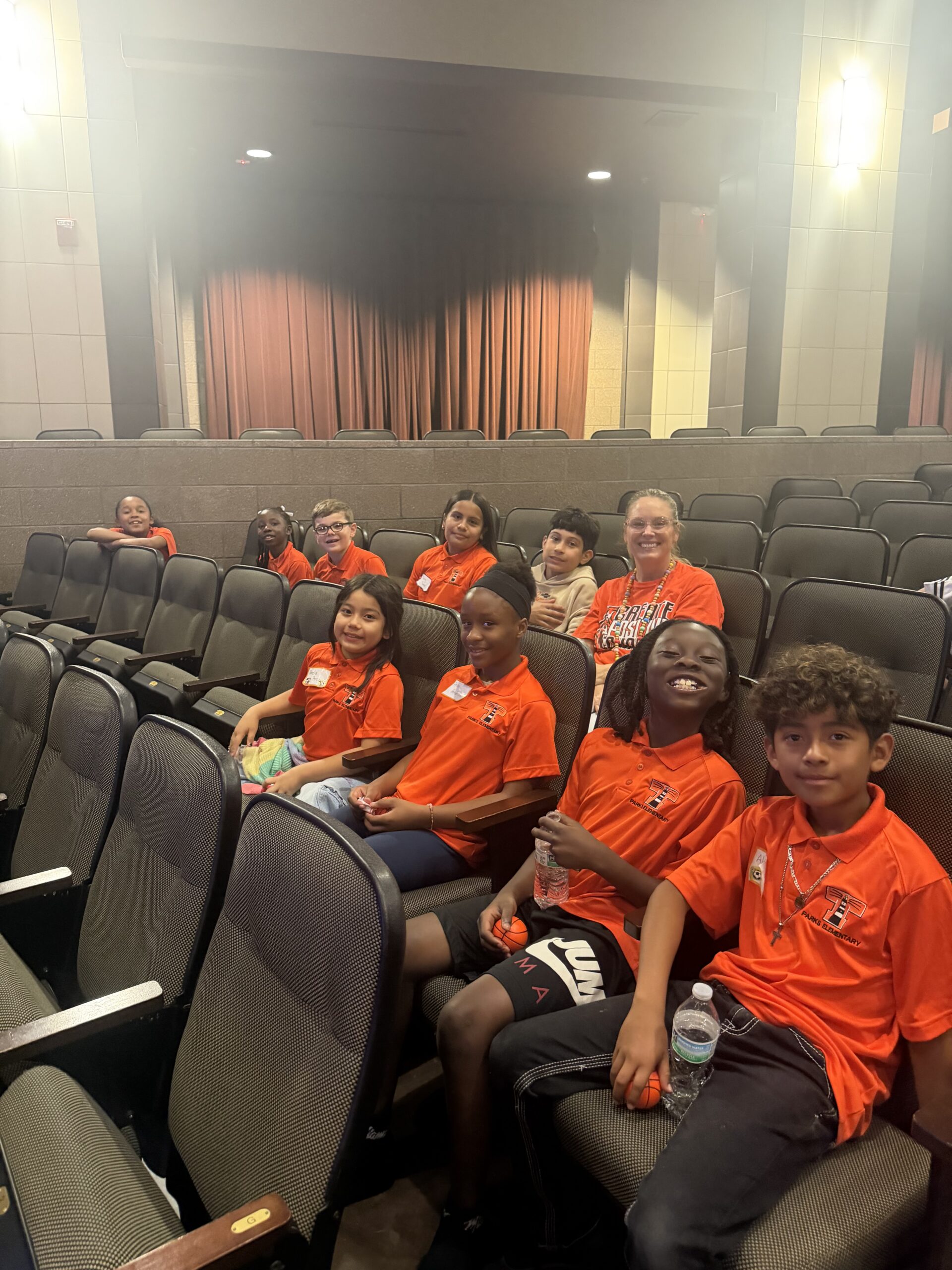
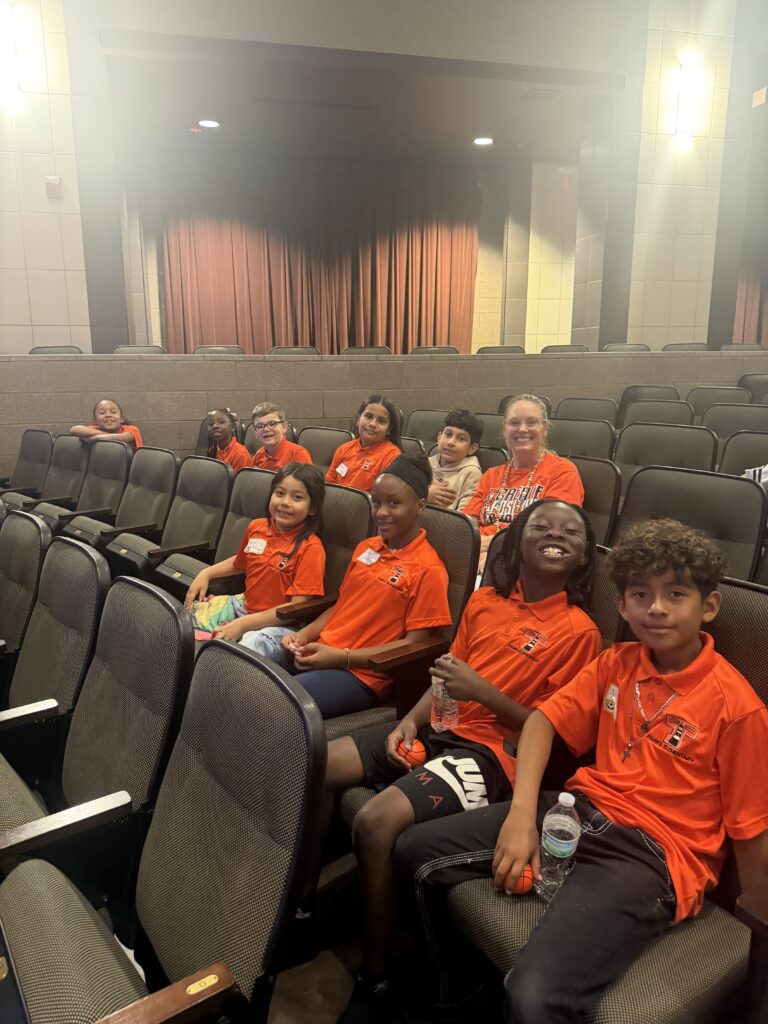
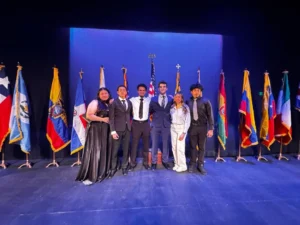
On the morning of the event, the atmosphere inside the Performing Arts Center at Texas High School was electric. Student and teacher volunteers lined the entrances to warmly welcome arriving buses and attendees. Griffin White and Sanders Wiggins served as the masterminds and emcees of the opening ceremony, officially launching the conference.
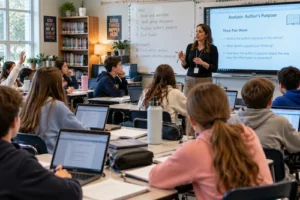
The core of the day focused on active, small-group breakout sessions. Rather than passively listening, attendees were guided through structured exercises on how to identify challenges within their respective campuses and formulate actionable solutions. High school mentors worked side-by-side with the younger students, helping them brainstorm scalable projects that could be brought back to their home schools. Before departure, the organizers distributed their contact information to all visiting advisers, establishing an ongoing support network for future project implementation.
Supporting Data and Financial Metrics
The success of Leadership Day is underscored by careful planning, precise budgeting, and measurable demographic reach:
Grant Funding: $1,000 awarded by the National Association of Student Councils (NASC).
Youth Reach: 125 students in grades 3 through 8 participating from schools up to a two-hour radius from Texarkana, TX.
Volunteer Force: 40 high school student volunteers acting as mentors, facilitators, and workshop leaders.
Geographic Span: Participants and partner schools represented a multi-state regional network connecting Texas and surrounding southern communities.
Official Responses and Perspectives
The Student Leaders’ Perspective
Reflecting on the philosophy behind opening the event to third-through-eighth graders, Griffin White emphasized the universal capacity for innovation:
"We wanted to include a wide range of ages, because no matter how old you are, we all have good ideas. And true innovation happens when you can bring all these good ideas together."
Sanders Wiggins and White noted that the pandemic severely fractured institutional participation, leaving both students and educators feeling isolated and unmotivated. By creating a direct pipeline of mentorship between high school leaders and elementary/middle school students, they aimed to rebuild that lost social fabric from the ground up.
The Faculty and Institutional Support
Advisers and school administrators played a crucial role in enabling the students’ vision. By stepping back to allow authentic student-led governance while providing logistical scaffolding, the faculty at Texas High School demonstrated the power of trusting youth leadership.
When the student council adviser initially posed the question—“Do you think you could get this Student Service Grant?”—it acted as an institutional vote of confidence. That single prompt catalyzed months of student-driven entrepreneurship, proving that when educators empower youth with trust and minimal administrative friction, extraordinary community initiatives follow.
Implications for Modern Education and Student Leadership
The success of the Texas High School Leadership Day offers several critical takeaways for schools nationwide grappling with post-pandemic engagement deficits:
1. Decentralizing Leadership Development
Traditional models of leadership education often wait until high school—or even college—to introduce formal training. By targeting students in grades 3 through 8, this initiative demonstrates that leadership traits, civic responsibility, and project management can and should be cultivated early. Early exposure builds a continuous pipeline of confident student advocates.
Children and adolescents frequently tune out lectures delivered strictly by authority figures. However, when high schoolers—who are close enough in age to be seen as relatable role models—share their passions and vulnerabilities, the psychological barrier to engagement drops. The interactive workshop model used in Texarkana proves that peer mentorship is a high-yield educational tool.
3. Sustaining Momentum Beyond the Event
The true metric of success for Leadership Day is not found in the attendance numbers or the recycling of decorations; it lies in the future trajectory of the participating schools. By providing visiting advisers and students with direct contact information for ongoing mentorship, White and Wiggins ensured that Leadership Day was not a one-off convention, but the catalyst for an enduring regional network of student-led community service projects.
As schools across the country search for effective ways to revitalize student involvement, the blueprint established in Texarkana stands as a shining example: give young people a modest financial foundation, grant them creative autonomy, and watch them build communities that inspire us all.