A New Frontier in Mental Health: JED Foundation Spearheads Historic Collaboration with U.S. Regional Education Compacts
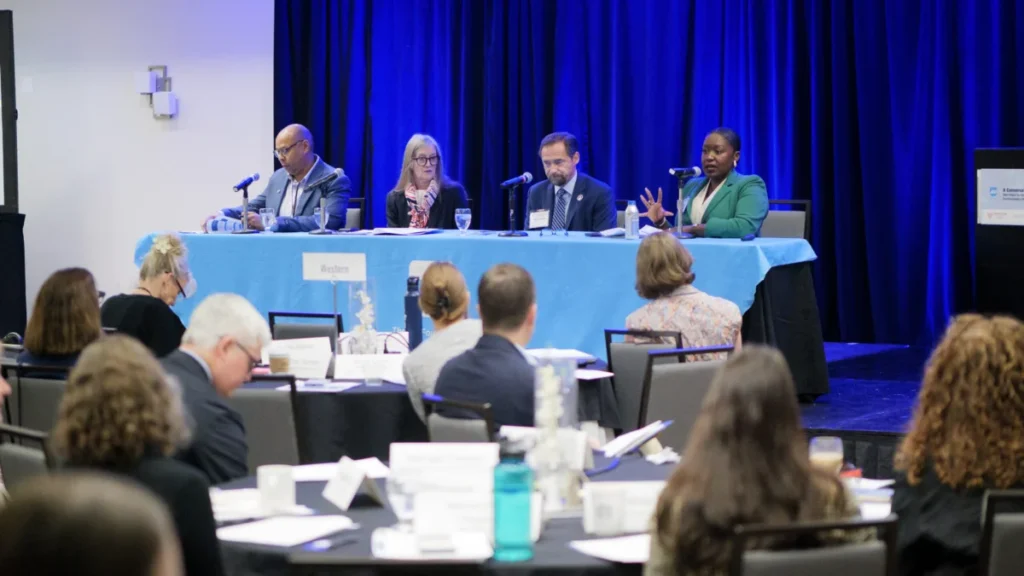
In a landmark effort to address the escalating crisis of student mental health, The Jed Foundation (JED)—the nation’s leading nonprofit dedicated to protecting emotional health and preventing suicide for teens and young adults—has officially convened a first-of-its-kind summit. This unprecedented gathering brought together the leaders of major U.S. regional education compacts to formulate a unified, scalable strategy for improving behavioral health across the American postsecondary landscape.
By aligning the efforts of these influential regional bodies, JED is charting a new course designed to transition mental health support from a patchwork of isolated campus initiatives to a comprehensive, systemic standard of care.
The State of the Crisis: Why This Collaboration Matters
The impetus for this historic summit is rooted in a sobering reality: the American higher education system is facing a "silent epidemic." According to data from the Healthy Minds Network and the American College Health Association, more than 60% of college students meet the criteria for at least one mental health problem. The stressors of academic pressure, financial instability, social isolation, and the lingering impacts of the post-pandemic landscape have pushed campus counseling centers to their breaking points.
Historically, mental health initiatives in higher education have been localized, relying on the specific resources, budget priorities, and administrative philosophies of individual colleges and universities. While well-intentioned, this fragmented approach has led to significant disparities in care. Students at well-funded private institutions often have access to robust psychiatric services, while those at community colleges or under-resourced public universities may face long wait times or a complete lack of dedicated mental health infrastructure.
JED’s new initiative seeks to dismantle these silos by leveraging regional compacts—multi-state organizations that facilitate collaboration in higher education policy and resource sharing.
Chronology: From Concept to National Consensus
The initiative did not emerge overnight; it is the culmination of years of advocacy and strategic planning.
- Phase 1: Diagnostic Assessment (2022–2023): JED conducted a series of internal evaluations to determine where institutional support structures were failing. The data consistently pointed toward a lack of regional coordination as a major bottleneck in scaling best practices.
- Phase 2: Stakeholder Engagement (2024): Throughout the previous year, JED representatives initiated private discussions with leadership from the Southern Regional Education Board (SREB), the Midwestern Higher Education Compact (MHEC), the Western Interstate Commission for Higher Education (WICHE), and the New England Board of Higher Education (NEBHE).
- Phase 3: The Summit (Mid-2026): The culmination of these efforts was the convening of the "National Postsecondary Well-Being Summit." Here, for the first time, leaders from these compacts sat at the same table to formalize a multi-state framework for mental health.
- Phase 4: Implementation (Ongoing): Following the summit, the participating compacts have begun rolling out "Regional Well-Being Action Plans," designed to integrate mental health training, suicide prevention, and crisis intervention protocols into the baseline operations of thousands of member institutions.
Supporting Data: The Argument for Systemic Reform
To understand the necessity of this collaboration, one must look at the data driving the policy changes. JED’s research indicates that the "Mental Health Gap" is widening.
- Retention and Academic Success: Students who receive consistent mental health support are 15% more likely to persist to graduation compared to those who do not. The economic implication for states is profound: by improving student well-being, states increase their graduation rates and, by extension, the economic output of their workforce.
- Resource Allocation: Current campus models often emphasize "reactive" care—waiting for a student to enter a crisis before providing intervention. The JED-led framework promotes a "Public Health Approach," which emphasizes early intervention, peer-to-peer support networks, and faculty training to identify warning signs before a crisis occurs.
- The Scale of the Network: By partnering with regional compacts, JED is gaining access to thousands of campuses simultaneously. This allows for the rapid dissemination of evidence-based practices that would otherwise take decades to filter through the higher education system organically.
Official Responses and Strategic Vision
The leaders involved in this partnership have framed the initiative as a moral and professional imperative. In a joint statement released during the summit, JED leadership emphasized that "mental health is not a campus amenity; it is a fundamental pillar of academic success."
"We are moving beyond the era of the ‘lone institution’ approach," said a JED spokesperson. "By working with regional compacts, we are ensuring that whether a student is in a rural community college in the Midwest or a major research university in the South, they have access to a baseline of care that is informed by the latest scientific research and best practices in clinical psychology."
Administrators from the regional compacts have noted that this collaboration also provides much-needed legal and policy clarity. By creating a unified standard for student care, institutions can better navigate the complex landscape of HIPAA compliance, liability, and insurance reimbursement for mental health services.
The Implications: What This Means for Students
For the average student, the impact of this collaboration will be felt through several key channels:
1. Standardized Training for Faculty and Staff
Faculty are often the first line of defense, yet they are rarely trained in mental health triage. The new framework mandates standardized "Gatekeeper Training," ensuring that professors can recognize signs of distress and effectively refer students to professional services.
2. Digital Equity in Care
Recognizing that not all campuses can host a full-time psychiatrist, the initiative promotes the adoption of "Telehealth Hubs" shared across regional lines. This allows smaller institutions to share the cost and access of mental health professionals, ensuring that professional care is never more than a click away.
3. Data-Driven Policy
Perhaps the most significant change is the commitment to shared data. By pooling information on student wellness trends, these regional compacts will be able to predict spikes in mental health needs and allocate state and institutional resources accordingly.
A Note on Immediate Support
While this systemic work is vital for long-term change, JED recognizes that many students are in need of immediate assistance. The foundation continues to advocate for the universal adoption of accessible crisis infrastructure.
If you or someone you know is struggling or in crisis, help is available:
- 988 Lifeline: Text, call, or chat 988 to connect with a trained counselor 24/7. This service is free, confidential, and available nationwide.
- Crisis Text Line: Text "HOME" to 741-741 to connect with a Crisis Counselor.
- Emergency Services: If there is an immediate risk of harm, please call 911 or visit the nearest emergency room. Be clear with first responders that the situation involves a mental health crisis to ensure the appropriate resources are dispatched.
Conclusion: Setting a New Standard
The collaboration between The Jed Foundation and the U.S. regional education compacts represents a paradigm shift. It acknowledges that student well-being is a collective responsibility that transcends institutional boundaries. By treating mental health as a regional infrastructure issue—much like energy grids or transportation networks—this initiative provides a blueprint for a more resilient, healthier generation of students.
As this partnership continues to develop, the higher education sector will be watching closely. If successful, this model could serve as the definitive standard for how the United States supports the mental, emotional, and academic development of its future workforce. The journey is long, but for the first time, there is a unified, national roadmap to guide the way.