From Grassroots Vision to National Impact: The Two-Decade Evolution of Net Literacy
In the landscape of American non-profits, few organizations embody the spirit of youthful ingenuity quite like Net Literacy. What began in 2003 as a singular, altruistic impulse from a middle school student has blossomed into a multi-million-dollar force for digital inclusion. Over the past twenty years, this all-volunteer organization has fundamentally altered the digital divide, providing hardware, education, and advocacy to hundreds of thousands of Americans. Today, as the organization marks its third decade, it is undergoing a strategic pivot—moving away from hardware refurbishment to focus on the next frontier: Artificial Intelligence (AI) literacy.
The Genesis of a Movement: A Car Fund Becomes a Catalyst
The story of Net Literacy, originally founded as "Senior Connects," is a testament to the power of individual initiative. In 2003, a middle school student made a life-altering decision: he opted to liquidate the savings he had earmarked for his first car to instead fund the formation of a nonprofit. This capital was immediately put to work, purchasing computers and essential supplies to address a burgeoning problem: the digital isolation of senior citizens.
Recognizing that technology is only as useful as the person operating it, the founder developed four standardized lesson guides. These manuals were designed to demystify computers, the Internet, email, and nascent social media platforms. By recruiting a network of peers, the organization began a "students-teaching-seniors" model that would eventually define their operational philosophy. This approach not only educated the elderly but fostered intergenerational empathy, bridging the gap between digital natives and those who had missed the initial technological revolution.
A Chronology of Growth and Innovation
The evolution of Net Literacy can be categorized into distinct eras of expansion, impact, and strategic adaptation.
2003–2004: Foundation and Expansion
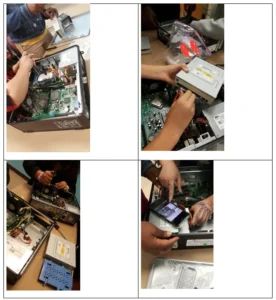
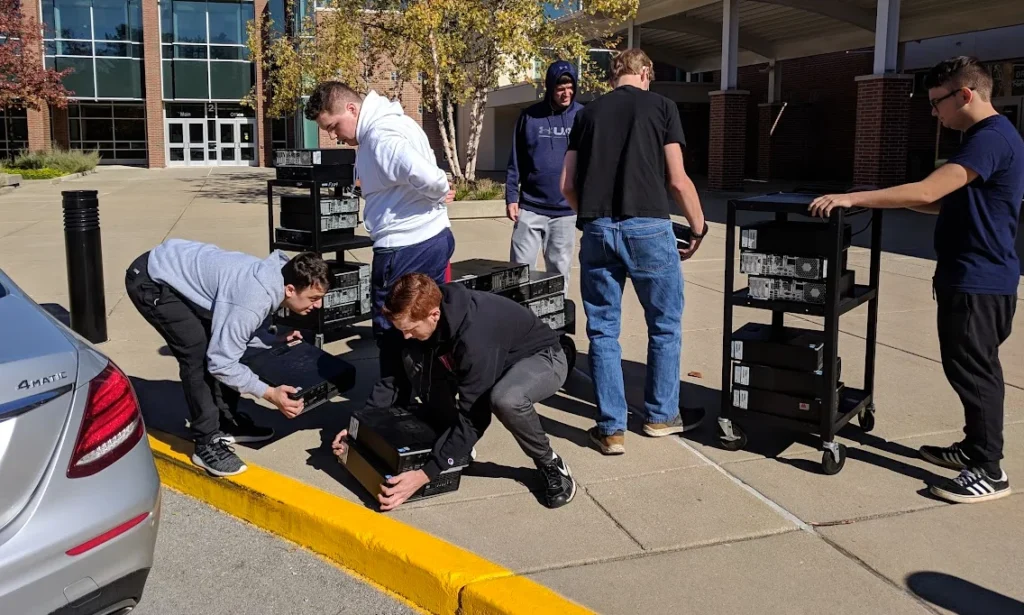
Following the initial success of the senior training programs, the organization recognized that digital literacy was a systemic issue that extended far beyond the elderly. In 2004, the organization expanded its scope to include the repurposing of hardware. By accepting donations of retired corporate and personal computers, refurbishing them, and redistributing them to low-income families and community centers, the organization began addressing the hardware barrier—the first pillar of the digital divide.
2005–2015: The Golden Age of Advocacy and Infrastructure
During this period, Net Literacy’s influence grew exponentially. By engaging nearly 5,000 student volunteers—mostly from core urban centers—the organization became a powerhouse of social service. This decade was defined by:
- The "Students Teaching Students" Model: Scaling the training program to reach millions of students with vital lessons on Internet safety.
- Broadband Advocacy: Moving beyond hardware to address access, the organization played a critical role in increasing broadband adoption among underserved demographics.
- National Recognition: The organization’s work became so profound that it caught the attention of federal regulators. The Federal Communications Commission (FCC) highlighted Net Literacy’s work in the National Broadband Plan presented to the United States Congress.
2016–2023: Consolidating Influence and Global Recognition
The organization’s reputation shifted from a local initiative to an international benchmark. Net Literacy co-hosted high-level technology summits with heavyweights like Google and Harvard University. Their innovative approach to IT distribution led to them receiving the Computerworld 21st Century Award, an international honor recognizing the most effective application of technology to serve underserved populations.
2024–Present: The AI Pivot
The current era represents a fundamental shift. As school districts have increasingly adopted 1:1 laptop programs and the cost of consumer hardware has plummeted, the need for physical computer refurbishment has waned. Recognizing this, Net Literacy has pivoted its full organizational weight toward AI Literacy. They are currently in the process of a massive website overhaul to serve as a hub for educational resources, ensuring that the next generation understands not just how to use a computer, but how to navigate the complex, rapidly evolving landscape of generative AI.
The Data of Impact: By the Numbers
The sheer scale of Net Literacy’s operations is difficult to overstate. In its twenty-year tenure, the organization has generated an economic and social impact valued at more than $16.5 million. The metrics of their success include:

- Hardware Distribution: Over 46,000 computers have been refurbished, wiped, and donated to individuals and families who otherwise would have remained disconnected.
- Internet Safety: Through a combination of in-school training programs and widely broadcast public service announcements (PSAs), the organization has reached over 1,000,000 individuals with critical cybersecurity and digital safety awareness.
- Volunteer Engagement: The organization has mobilized 4,900 student volunteers. Crucially, the organization maintained a board structure where 50% of the directors were students, ensuring that the youth perspective remained central to their governance.
- Broadband Access: Beyond individual computers, their advocacy and infrastructure projects have increased broadband connectivity for hundreds of thousands of individuals across the country.
Official Responses and Presidential Recognition
The significance of Net Literacy has transcended party lines and regional politics. The organization’s work has been formally recognized by two different American Presidents. Perhaps most notably, the founder and the organization were honored during a private ceremony at the White House—a rare accolade for a student-led nonprofit.
When asked about the secret to their longevity, leadership consistently points to the "students as leaders" philosophy. Unlike many organizations that treat youth as future assets, Net Literacy has operated on the conviction that students are current leaders. By trusting adolescents with the management of a national non-profit, the organization empowered them to tackle complex logistics, stakeholder management, and public policy advocacy.
Implications for the Future of Digital Literacy
The shift to AI Literacy is not merely a change in curriculum; it is a recognition that the digital divide has moved from "access" to "proficiency."
The Decline of the Hardware Barrier
For years, the digital divide was defined by who had a desktop computer and who did not. Today, the ubiquity of smartphones, Chromebooks, and tablets in public education has rendered the "hardware-only" model of digital inclusion largely obsolete. The challenge has shifted to a cognitive one: how to interact with artificial intelligence, how to discern misinformation, and how to use digital tools for socioeconomic advancement.
The Rise of AI as a Civic Necessity
As AI continues to be integrated into the workforce and government services, those without AI literacy face a new, more profound form of exclusion. Net Literacy’s pivot ensures that their mission remains relevant. By providing the tools for the public to understand algorithmic bias, prompt engineering, and the ethical implications of AI, they are preparing the community for the next twenty years of technological disruption.
A Blueprint for Youth-Led Non-Profits
Net Literacy stands as a definitive blueprint for how youth-led initiatives can achieve structural permanence. Their model proves that when students are given the autonomy to lead and the resources to execute, they can outperform established, professionalized organizations. By maintaining an all-volunteer model for two decades, they have kept overhead costs near zero, ensuring that every dollar of value is funneled directly into the mission.
Conclusion: Empowering Today’s Leaders
The story of Net Literacy is not just about computers or AI; it is about the transformative power of agency. By refusing to wait for traditional institutions to solve the problems of their time, a group of students created their own solution. As they turn their attention to the challenges of the AI age, their legacy remains a powerful reminder: the most effective solutions to societal problems often come from those closest to the future.
As the organization steps into its third decade, the mission remains as vital as it was in 2003. The tools have changed, the landscape has evolved, and the technology has become more complex, but the core objective remains constant: to ensure that no one is left behind in the relentless march of technological progress. For the students of Net Literacy, the future is not something that happens to them—it is something they are actively building, one lesson at a time.