Bridging the Gap: How Empathy, Dialogue, and Community Tracking Are Transforming Zero-Dose Immunization in Nigeria
Introduction: The Power of a Single Conversation
For nearly two decades, Mrs. Favour, a resident hairdresser and mother living in the Yenegwe community of Nigeria’s oil-rich Bayelsa State, harbored a quiet, deeply entrenched fear. Across a span of almost twenty years, she had systematically refused routine childhood vaccines for her five children. When her youngest child, Baby Rejoice, reached one year of age, she had never received a single immunization. To the local public health infrastructure, Rejoice was classified as a "zero-dose" child—a stark statistical reminder of the millions of children globally who fall entirely outside the safety net of routine primary healthcare.
Yet, this nearly twenty-year cycle of skepticism and avoidance did not end with a mandate, a punitive measure, or a medical lecture. It broke down during a routine outreach session on June 10, 2026, driven by something far more powerful: a single, empathetic, and respectful conversation.
Supported by John Snow, Inc. (JSI) in collaboration with local health authorities, health outreach workers are increasingly recognizing that vaccine hesitancy is rarely born out of stubbornness or malice. Instead, it is almost always rooted in real fear, past trauma, unmet information needs, and a lack of institutional trust. The story of Mrs. Favour and Baby Rejoice offers a compelling blueprint for how public health agencies can successfully navigate the non-linear road from skepticism to vaccine acceptance through active listening, evidence-based counseling, and rigorous follow-up systems.
Part I: Main Facts and Context
The Anatomy of Vaccine Hesitancy
To understand Mrs. Favour’s two-decade resistance, one must trace it back to her oldest child, who is now 19 years old. Shortly after receiving an infant vaccination decades ago, the firstborn experienced a frightening cascade of physical reactions: high fever, severe restlessness, and intestinal distress.
Although the child ultimately recovered without permanent injury, the traumatic episode left an indelible psychological scar on the young mother. In the absence of professional follow-up or adequate pre-vaccination counseling, Mrs. Favour drew a direct, causal link between the immunization and her child’s suffering. Believing that vaccines were inherently dangerous, she vowed to protect her subsequent children by keeping them entirely away from the clinic doors.
Public health experts note that Mrs. Favour’s experience is far from unique. Across Sub-Saharan Africa and globally, Adverse Events Following Immunization (AEFI)—which can range from mild fevers and localized swelling to temporary irritability—are frequently misinterpreted as vaccine toxicity or failure. When healthcare systems fail to prepare caregivers for these normal immunological responses, fear fills the vacuum. Rumors, misinformation, and historical mistrust of biomedical interventions quickly take root, transforming minor side effects into major barriers to public health.
The Zero-Dose Challenge in Nigeria
Zero-dose children represent one of the most vulnerable populations in global health. These are infants and toddlers who have not received even the first dose of the diphtheria-tetanus-pertussis (DTP) containing vaccine or other foundational antigens. Reaching these children is a primary strategic objective for international health organizations and national governments alike, as zero-dose communities frequently experience compounding vulnerabilities, including poverty, geographical isolation, and fragile health infrastructure.
In Bayelsa State, located in the Niger Delta region, reaching remote and riverine or semi-urban communities demands persistent, localized outreach. The collaboration between the Bayelsa State Primary Health Care Board and organizations like JSI focuses heavily on Advocacy, Communication, and Social Mobilization (ACSM). By deploying trained officers who understand local socio-cultural dynamics, these initiatives aim to demystify immunization, address community-level anxieties, and bridge the gap between clinics and households.
Part II: Chronology of an Intervention
June 10, 2026: The Turning Point at Yenegwe Primary Health Center
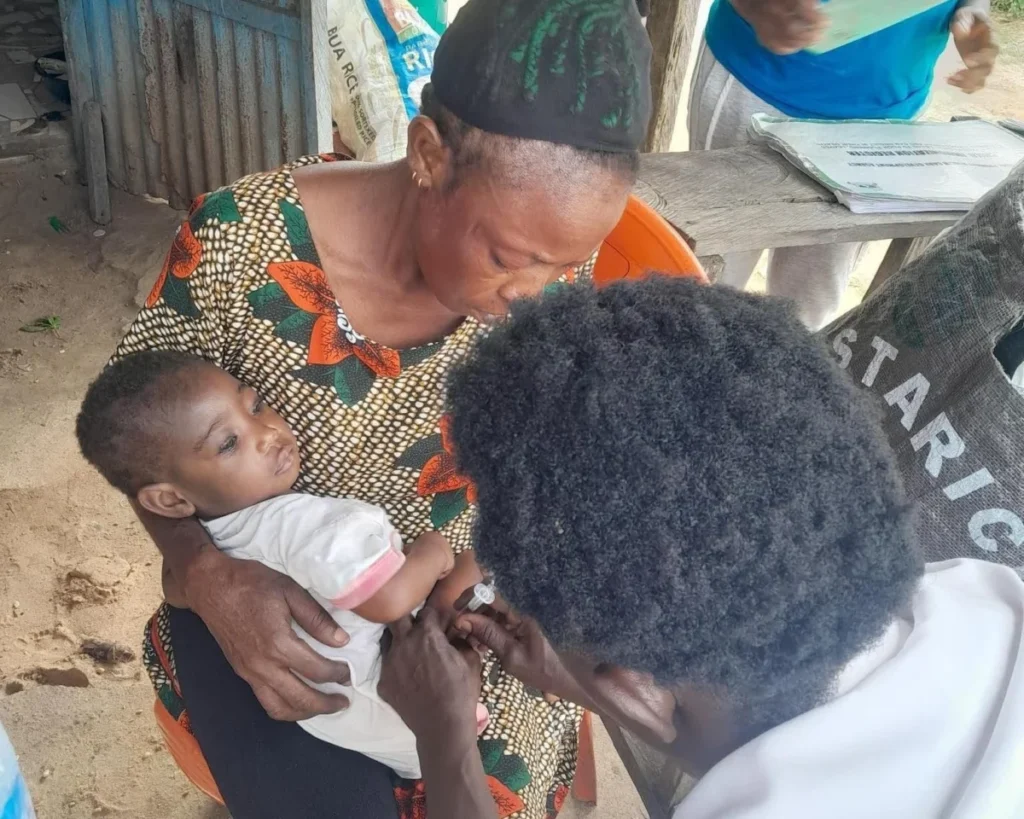
The turning point in Baby Rejoice’s life occurred during a targeted outreach session conducted at the Yenegwe Primary Health Center. Operating with logistical and technical support from JSI, healthcare workers and mobilizers screened children attending the community session. It was here that one-year-old Rejoice was formally identified as a zero-dose child.
Sensing an opportunity for engagement rather than confrontation, Esogenwune Nwabueze, the JSI Bayelsa State ACSM officer, approached Mrs. Favour. Rather than dismissing her past choices, Nwabueze initiated a dialogue grounded in active listening. He invited the mother to share her history, her worries, and the exact reasons behind her long-standing avoidance of immunization clinics.
Empathetic Counseling and Immediate Action
For the first time in 19 years, someone sat down to listen to Mrs. Favour without judgment. Nwabueze carefully validated her past emotional distress regarding her eldest child while gently introducing scientific clarity.
He explained the biological nature of Adverse Events Following Immunization (AEFI), clarifying that common reactions—such as mild fevers or fussiness—are normal signs that the infant’s immune system is actively responding to the vaccine and building protection. Crucially, he walked her through what constitutes a normal reaction versus a danger sign, providing clear, actionable steps that caregivers should take if their child experiences discomfort.
Through this respectful dialogue, evidence-based counseling, and palpable empathy, the psychological barrier crumbled. Mrs. Favour made an informed, voluntary decision to authorize the vaccination of Baby Rejoice. During that single session, the toddler received six life-saving vaccines designed to protect against a formidable suite of childhood illnesses, including tuberculosis, polio, hepatitis B, diphtheria, whooping cough (pertussis), tetanus, pneumonia, rotavirus, and meningitis.
The Non-Linear Road to Completion: Tracking and Follow-Up
Public health professionals know that administering a first dose is only the beginning of the journey. The path from initial hesitancy to full immunization compliance is rarely linear; it requires continuous reinforcement.
Following her initial enrollment, Baby Rejoice was scheduled to return to the clinic one month later for her subsequent doses. However, when the appointment day arrived, the family did not show up. In many settings, this missed appointment would have marked the beginning of a permanent default, returning the child to zero-dose or under-immunized status.
Fortunately, the robust tracking mechanism implemented by the local health authorities prevented this. Alerted by the missed appointment, the Yenagoa immunization office immediately initiated a home visit to Mrs. Favour’s residence.
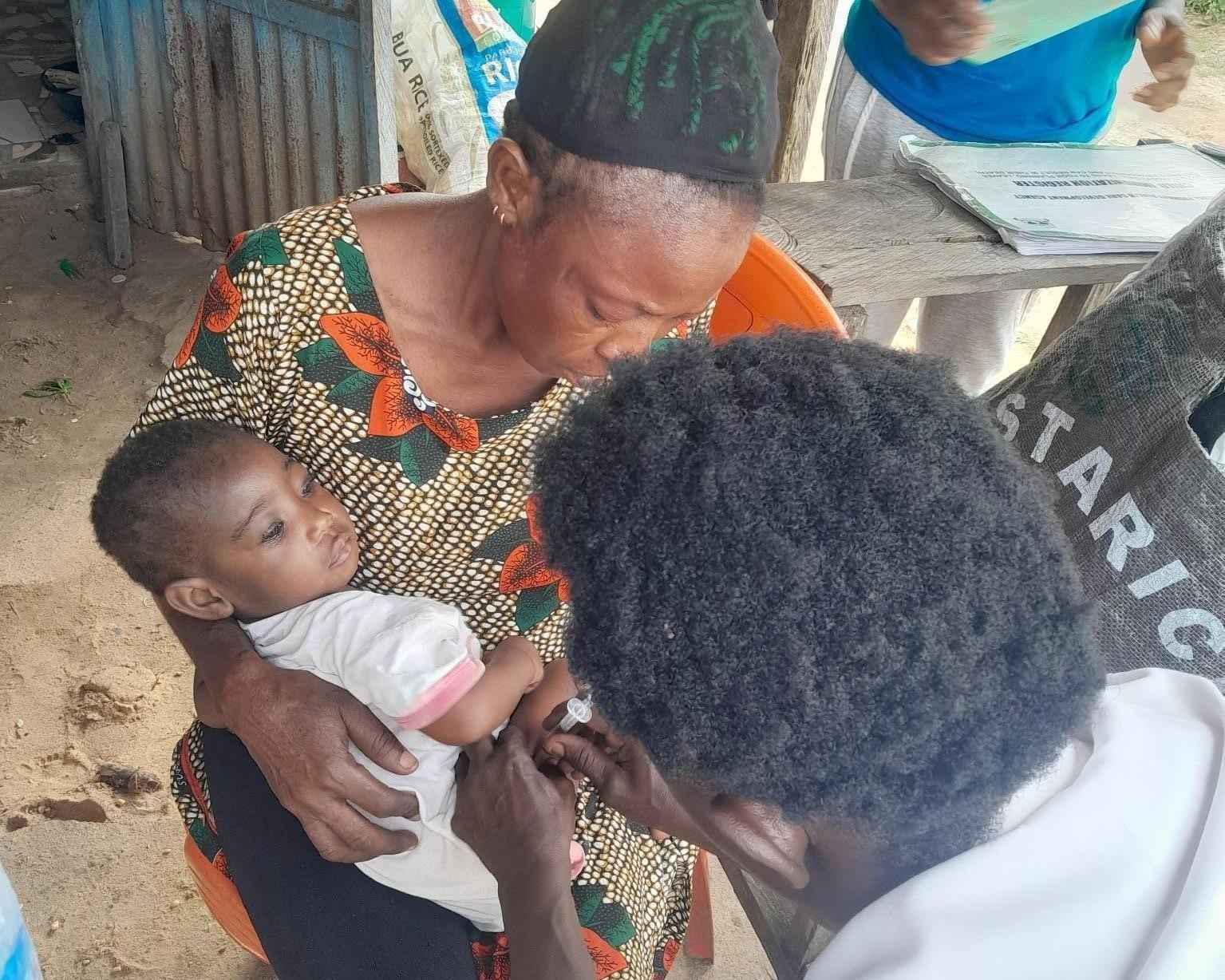
The health workers offered reassurance, reminding her that the upcoming vaccines were age-appropriate and essential for closing Rejoice’s immunity gaps. Their supportive, non-confrontational approach reinforced the trust established weeks earlier. The following month, Mrs. Favour brought Rejoice back to the facility, where the toddler successfully received her remaining missed antigens, including subsequent doses of Penta 2, Polio 2, rotavirus, and the malaria vaccine.
Part III: Supporting Data and Insights from the Field
The success of the Yenegwe outreach intervention highlights several critical operational lessons for immunization programs across Nigeria and beyond. Data from community-based public health campaigns consistently demonstrate that interpersonal communication remains the single most effective tool for overcoming vaccine hesitancy.
- Interpersonal Trust: Studies show that community mobilizers who share linguistic and cultural backgrounds with caregivers achieve significantly higher rates of conversion among hesitant populations compared to rigid, top-down administrative mandates.
- The Role of Defaulter Tracking: Integrating community-level ACSM officers with facility-level immunization officers creates a closed-loop system. When missed appointments trigger immediate, empathetic home visits rather than punitive follow-ups, default rates drop precipitously.
- Comprehensive Protection: In a single series of visits, Baby Rejoice was shielded against multiple high-mortality pathogens. Routine immunization remains one of the most cost-effective public health interventions available, drastically reducing infant and child mortality rates in developing regions.
Reflecting on the encounter, JSI Bayelsa ACSM officer Esogenwune Nwabueze emphasized the foundational philosophy driving their fieldwork:
"Every caregiver deserves accurate information so they can make informed decisions for their children. Many vaccine refusals are rooted in fear, misinformation, or past experiences. Listening is often the first step toward building trust."
Nwabueze’s perspective underscores a broader paradigm shift in global health: moving away from coercive communication models toward human-centered design, where the emotional realities of parents are treated as legitimate public health data points that require careful navigation.
Part IV: Official Responses and Institutional Commitments
The successful conversion of Mrs. Favour and the immunization of Baby Rejoice have drawn praise from regional health leadership, who view the case study as a micro-level illustration of macro-level strategic goals.
Dr. Williams Appah, Executive Secretary of the Bayelsa State Primary Health Care Board, underscored the state’s unwavering dedication to reaching every vulnerable child, regardless of geographical or psychological barriers:
"No child is beyond reach when communities, health workers, and partners like JSI work together. At the Bayelsa State Primary Health Care Board, we remain committed to identifying and reaching every zero-dose and under-immunized child with life-saving vaccines."
Public health authorities have pointed to the Bayelsa intervention as a model for inter-agency coordination. By fusing the grassroots mobilization strengths of international partners like JSI with the statutory reach of state primary health boards, Nigeria is steadily chipping away at the pockets of resistance that perpetuate vaccine-preventable diseases.
Furthermore, local community leaders in Yenegwe have reported an indirect positive ripple effect from Mrs. Favour’s public change of heart. As a recognized member of the community, her willingness to speak openly about her past fears—and her newfound confidence in immunization—has sparked constructive conversations among other hesitant mothers in the neighborhood. Word-of-mouth advocacy from a trusted peer often outweighs formal media campaigns, turning a single converted mother into a grassroots ambassador for child health.
Part V: Implications for the Future of Public Health
The journey of Mrs. Favour and Baby Rejoice holds profound implications for how health systems worldwide should approach immunization equity, crisis communication, and community engagement.
1. Institutionalizing Empathy in Training Curriculums
Medical and nursing training programs have historically emphasized the clinical and logistical aspects of vaccine administration while paying scant attention to behavioral psychology and interpersonal communication. The Bayelsa case demonstrates that communication skills—specifically active listening, empathetic validation, and non-judgmental counseling—are just as critical to achieving high coverage rates as cold-chain management and syringe supply chains. Future public health interventions must institutionalize behavioral communication training for all frontline health workers.
2. Strengthening Defaulter Tracking Systems
The temporary drop-off in Baby Rejoice’s immunization schedule highlights the fragility of compliance among previously hesitant populations. Without the proactive home visit by the Yenagoa immunization team, the intervention could easily have stalled midway. Public health policy must mandate the integration of robust defaulter-tracking mechanisms into routine health information systems, ensuring that missed appointments automatically trigger coordinated, supportive follow-up actions rather than falling through the cracks.
3. Re-framing Hesitancy as an Engagement Opportunity
Too often, vaccine hesitancy is met with frustration, stigmatization, or administrative coercion. As demonstrated in Yenegwe, treating hesitancy not as a character flaw, but as a rational response to unaddressed fear, opens the door to genuine resolution. When health systems take the time to explain Adverse Events Following Immunization (AEFI) honestly and transparently, they replace fear with knowledge.
Conclusion: A Future No Longer Out of Reach
Today, 19 years after her first traumatic experience with her eldest child, Mrs. Favour looks at Baby Rejoice with a new sense of peace and security. Her story is a powerful testament to the fact that no community, family, or child is truly beyond reach when public health is driven by human connection.
By pairing rigorous tracking systems with deep empathy, listening-first communication strategies, and unwavering institutional commitment, organizations like JSI and the Bayelsa State Primary Health Care Board are rewriting the narrative of zero-dose children in Nigeria. As health workers continue to walk the non-linear road from hesitancy to acceptance, each conversation brings the nation one step closer to a future where every child is fully protected against vaccine-preventable diseases.