Navigating the Aftermath of Loss: One Family’s Journey Through Suicide Grief and the Enduring Legacy of Craftsmanship
By Staff Reporters
Published in partnership with The Jed Foundation (JED)
Main Facts: A Life Cut Short and a Sister’s Search for Meaning
In January 2026, the life of 35-year-old Tyler Lukridge came to a tragic end by suicide. Known to his family and friends as a talented craftsman, a passionate teacher, and a fiercely loyal friend, Tyler’s sudden death left an indelible void in the lives of those who knew him best. For his younger sister, Alyssa, his passing initiated a complex, nonlinear journey through grief—one marked by painful childhood memories, complicated adult dynamics, and an enduring appreciation for the quiet kindness her brother demonstrated throughout his life.
Tyler’s story is not unique in its tragedy, but it highlights the deeply nuanced reality of suicide loss. It underscores how families navigate the intersection of mental health struggles, profound creative passion, and the heavy burden of unanswered questions. Through sharing her family’s experience as part of The Jed Foundation’s (JED) International Survivors of Suicide Loss Day campaign, Alyssa aims to humanize the statistics surrounding suicide, shedding light on the multifaceted individuals behind the headlines and offering a lifeline to others walking a similar path.
Chronology: From Mischief in New Jersey to the Quiet Poconos
Early Years: Energy, Laughter, and Sibling Bonds
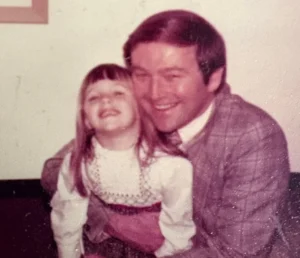
Growing up in New Jersey, Tyler was the quintessential middle child: energetic, mischievous, and perpetually in motion. Five years older than Alyssa, he was a source of constant activity, always running around, finding trouble, and bringing laughter to their household. During their early childhood years, Alyssa and Tyler shared a close sibling bond, characterized by the simple joys of growing up together.
The Turning Point: Adolescence and Mental Health Struggles
As Tyler entered high school, the dynamic within the family began to shift. Like many adolescents navigating the complexities of growing up, Tyler faced severe mental health challenges. During these formative years, he survived a suicide attempt—an early warning sign that foreshadowed decades of battling internal demons.
As the siblings grew older, the natural distance of adolescence and adulthood created physical and emotional space between them. Alyssa recalls that while she always recognized her older brother’s extraordinary intellect and creative capabilities, it became increasingly difficult to bridge the gap and understand how best to support him through his ongoing mental health battles.
Finding Solace in Craftsmanship
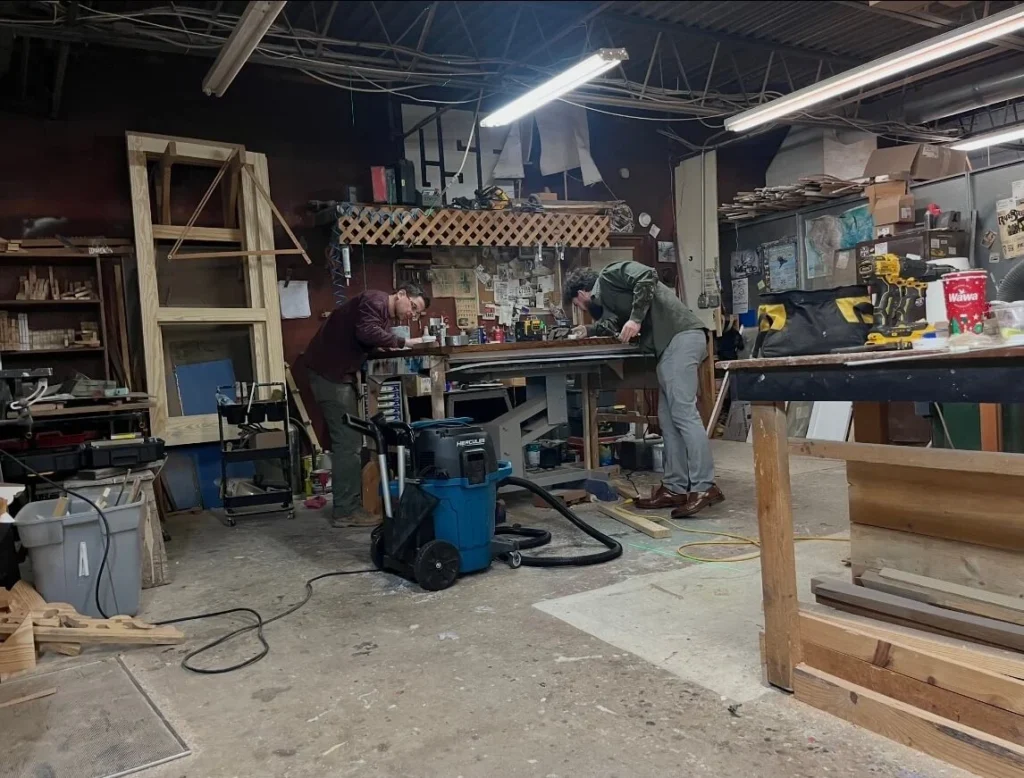
Despite his struggles, Tyler found profound peace and purpose in creation. One of his happiest sanctuaries was a house nestled in the Pocono Mountains of Pennsylvania, belonging to his best friend’s family. There, surrounded by nature, Tyler spent countless weekends pouring his energy into hands-on renovation and woodworking projects.
His passion for making things extended beyond hobbies; it was evolving into a professional chapter. Tyler had accumulated a storage unit filled with specialized machinery and equipment. He and his father had meticulously planned a business venture together, with a scheduled launch date just one week after Tyler passed away.
A Final, Cherished Memory
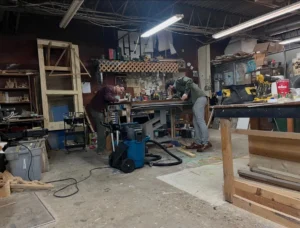
Not long before his death, Alyssa visited Tyler at his woodworking shop on a Saturday night. Tyler had built a wooden frame for a piece of stained glass and needed an extra set of hands. For Alyssa, the visit offered a rare, unobstructed view of her brother completely in his element. He showed her around the shop, proudly explaining the techniques he had been teaching his woodworking students.
"It was the first time I kind of saw him in his element," Alyssa recalls. "It’s one of the few adult memories that I have of him that were joyful. We had a good time that night."
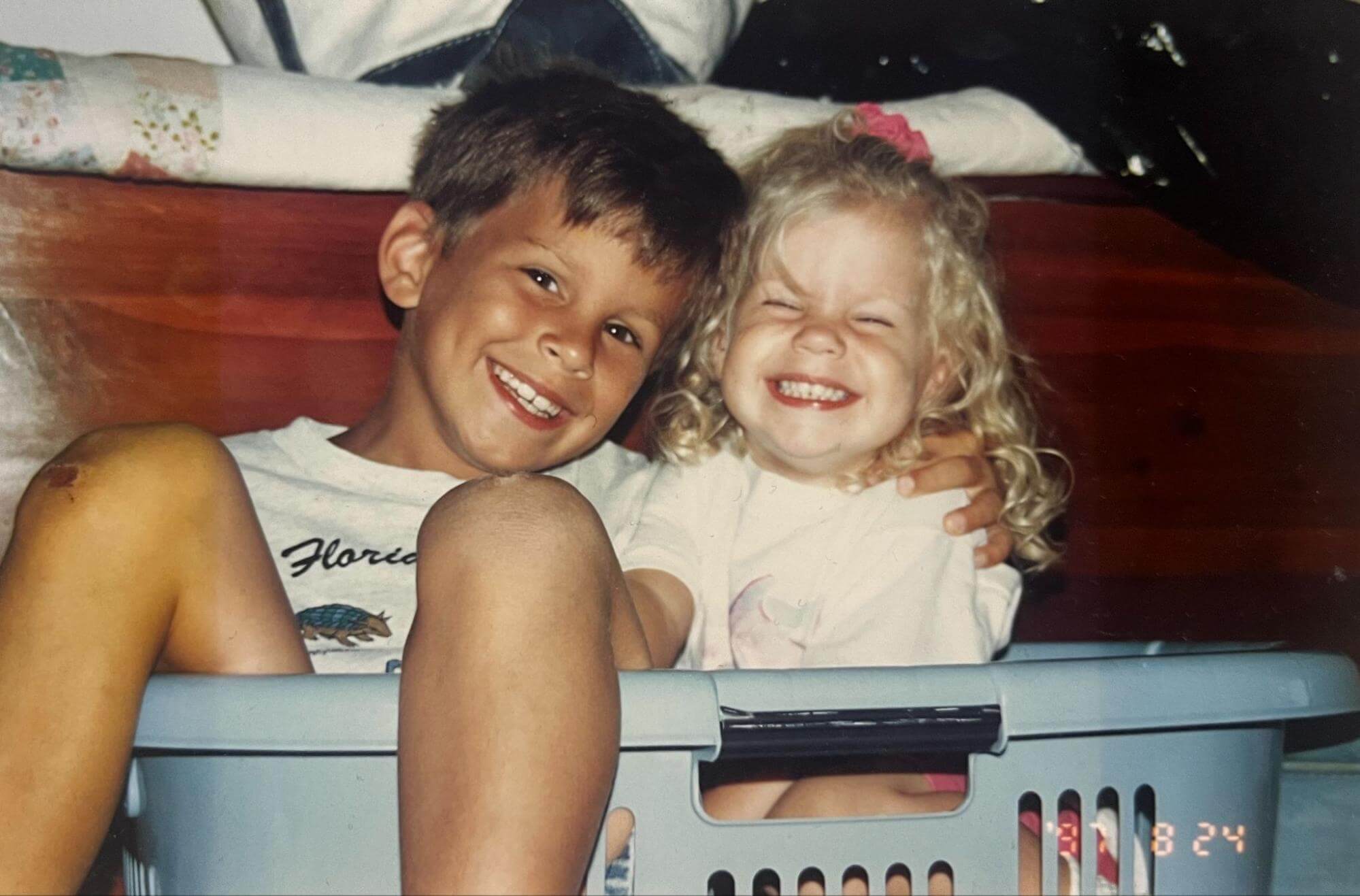
Today, that Saturday evening stands as a deeply treasured memory for Alyssa—a fleeting moment when the heavy weight of Tyler’s adult struggles lifted, revealing the joyful, passionate person beneath.
Supporting Data: The Ripple Effects of Suicide Loss
Tyler’s story reflects a broader public health crisis regarding suicide rates, mental health awareness, and the impact on surviving family members.
- The Scope of Loss: According to the Centers for Disease Control and Prevention (CDC), suicide remains a leading cause of death in the United States, claiming tens of thousands of lives annually. Each death impacts an estimated 135 people—comprising family members, friends, colleagues, and acquaintances—amounting to millions of "suicide loss survivors" every year.
- The Middle-Age Vulnerability: Statistics consistently show that adults in their mid-thirties, particularly men, face elevated risks of mental health crises compounded by economic pressures, social isolation, and reluctance to seek help.
- The Complexity of Grief: Research highlighted by organizations like The Jed Foundation indicates that grief following a suicide death is uniquely complicated. Survivors frequently grapple with feelings of shock, guilt, anger, and a persistent search for signs or preventable factors. As Alyssa aptly notes, "There’s no rule book, and there’s no crystal ball to know how you’re going to feel."
Official Responses: Advocacy, Resources, and Community Support
In the wake of such tragedies, mental health advocates and support organizations play a crucial role in providing resources for those left behind. Campaigns like International Survivors of Suicide Loss Day serve to break the stigma surrounding suicide, offering communities a dedicated space for shared mourning and healing.
The Jed Foundation has been at the forefront of providing emotional support and practical tools for individuals and families affected by mental health crises. By amplifying stories like Alyssa’s, JED emphasizes that while the journey of grief is difficult, survivors do not have to walk it alone.
Mental health professionals stress the importance of community support systems, open dialogue about suicide ideation, and accessible crisis intervention services. Experts note that validating the complex memories of a lost loved one—acknowledging both their struggles and their profound kindness—is a vital component of psychological recovery for survivors.
Implications: Honoring Legacies Through Connection and Remembrance
The implications of Tyler Lukridge’s passing extend far beyond the immediate grief of his family; they serve as a poignant reminder of the hidden battles fought by individuals who outwardly appear confident, capable, and generous.
When Alyssa speaks of her brother today, she deliberately shifts the narrative away from the tragedy of his final moments toward the warmth of his character. She remembers a man who consistently put others first, who loved to create tangible objects as expressions of care, and who left behind physical tokens of his affection—such as a custom cutting board currently packed away in a moving box, waiting to be unpacked and cherished.
Moving Forward
For families navigating similar paths, the path forward involves learning to live with complicated memories while actively preserving the positive impact of their loved ones. Campaigns that encourage storytelling help dismantle the profound isolation often experienced by suicide loss survivors.
By sharing her family’s experience, Alyssa hopes to remind others that kindness lives on long after a person is gone, and that seeking help during moments of overwhelming distress is a sign of strength, not weakness.
Immediate Support Resources
If you or someone you know is struggling or in crisis, help is available. You are not alone.
- Call, Text, or Chat 988 to reach the Suicide & Crisis Lifeline (available 24/7, free, and confidential in the United States and Canada).
- Text HOME (or HOLA) to 741-741 to connect with a trained crisis counselor at the Crisis Text Line.
- For international resources and support networks for suicide loss survivors, visit The Jed Foundation.