
Digital Empowerment: Cambodia’s Capacity Development Platform Ushers in a New Era for Educators
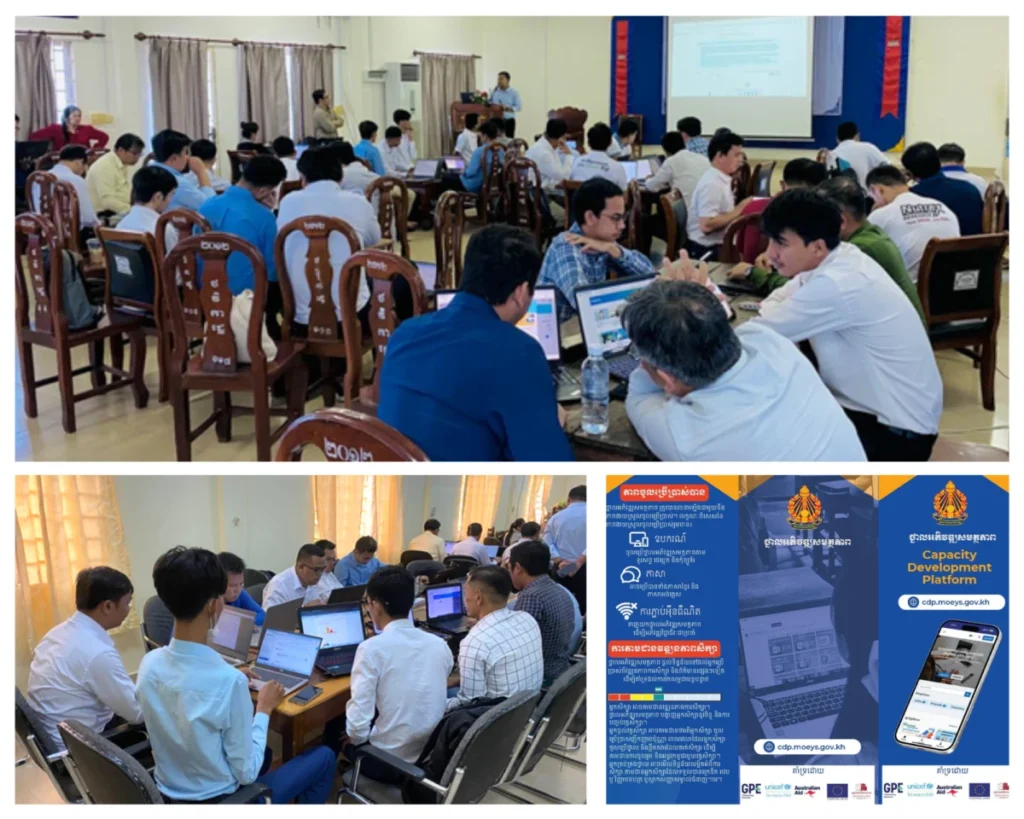
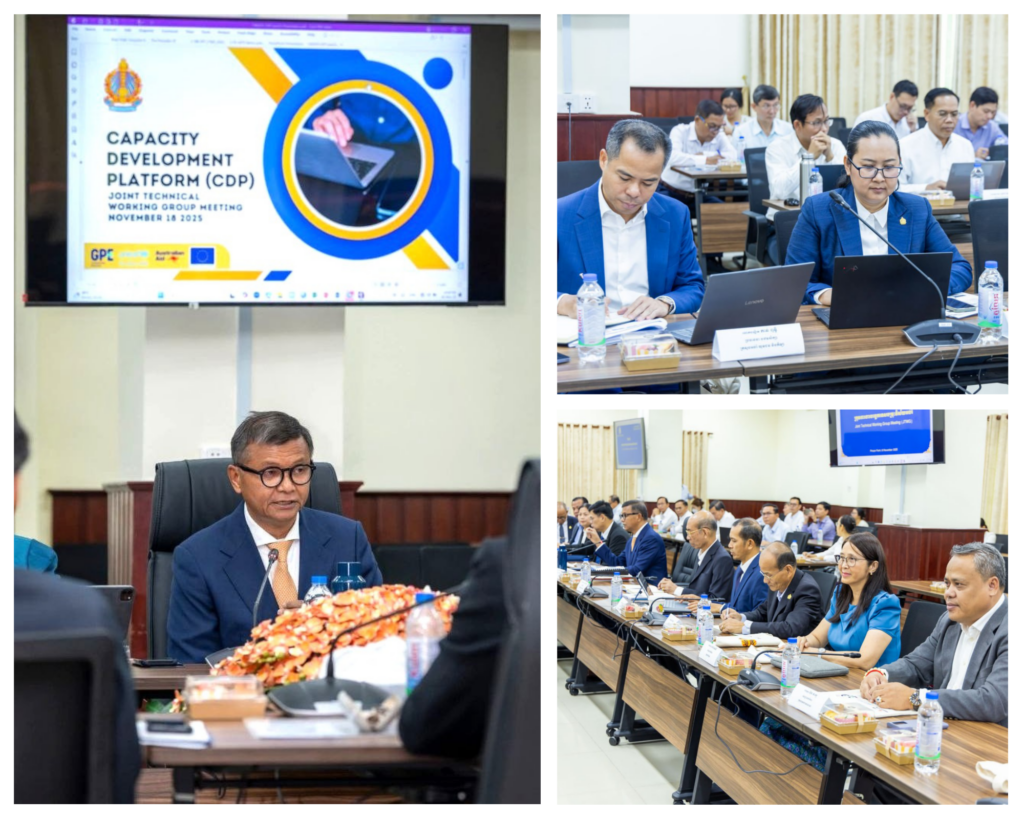
In a landmark initiative aimed at reshaping the landscape of Cambodian education, the Ministry of Education, Youth, and Sport (MoEYS), in close collaboration with UNICEF, officially launched the Capacity Development Platform (CDP) in November 2025. This sophisticated digital ecosystem, co-designed by World Education—a JSI initiative—represents a strategic pivot toward modernizing the professional development of the nation’s teaching workforce.
By leveraging cutting-edge digital infrastructure, the CDP serves as a centralized hub for pedagogical training, enabling educators—including those stationed in the most remote corners of the country—to access accredited professional development, upgrade their qualifications, and engage in blended learning environments. Supported by a robust coalition of international donors, including the Global Partnership for Education (GPE), the European Union, and the Australian Department of Foreign Affairs and Trade (DFAT), the platform is not merely a tool for convenience; it is a fundamental component of Cambodia’s national digital transformation agenda.
The Genesis of a Digital Revolution: A Chronology
The birth of the CDP was not an overnight success but the result of a deliberate, multi-year process of consultation, design, and pilot testing.
- Initial Planning and Stakeholder Engagement (2024): Recognizing the limitations of traditional, paper-based, or centralized face-to-face training, the MoEYS identified the need for a scalable, persistent, and accessible digital alternative. World Education began working with government stakeholders to map the needs of teachers across the country.
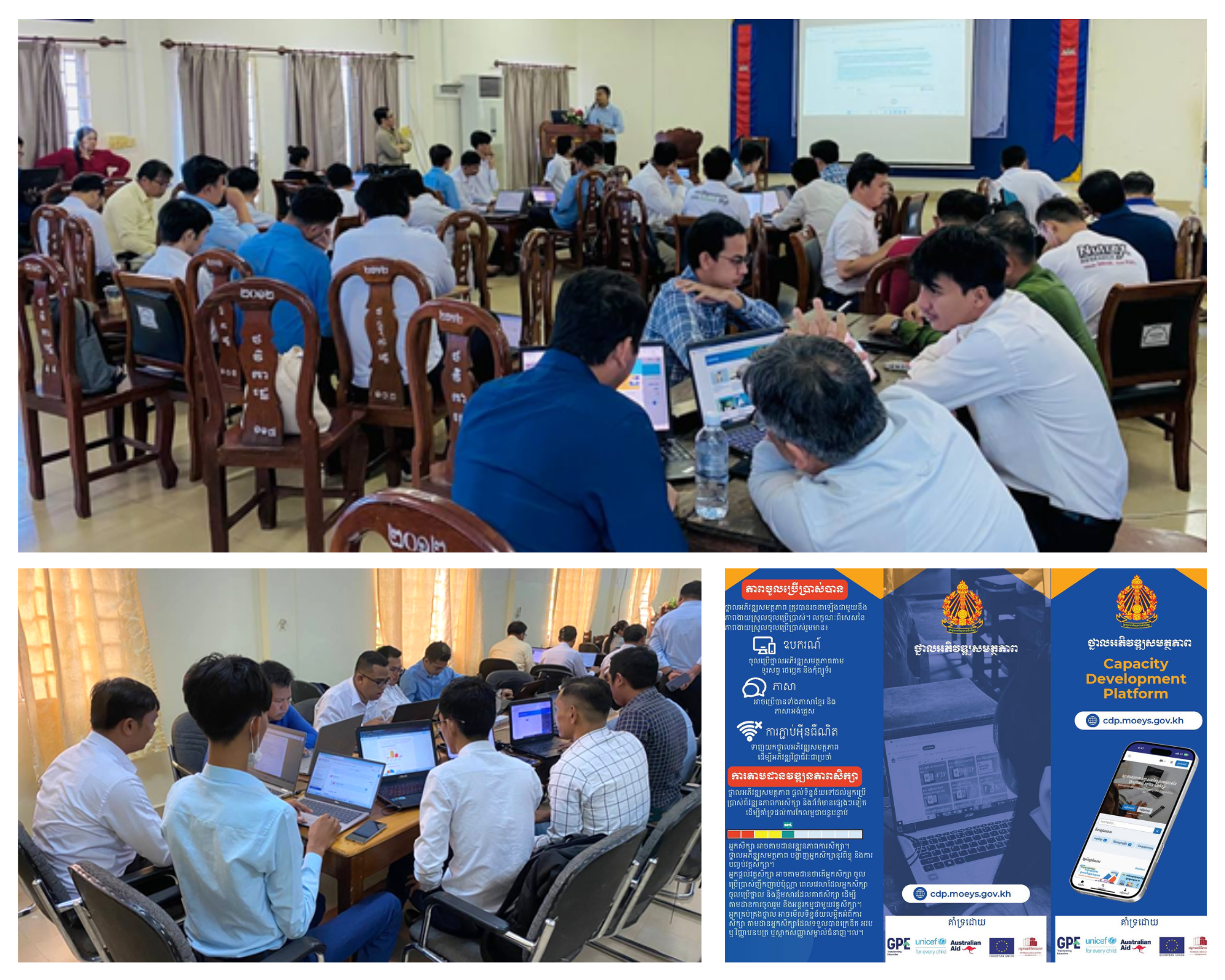
- Capacity-Building Workshops (May 2025): Throughout May 2025, intensive workshops were held to prepare MoEYS staff and key educational leaders. These sessions were pivotal in ensuring that the individuals responsible for the rollout understood the technical architecture and the pedagogical philosophy behind the platform.
- System Integration and Testing (Summer 2025): Rather than creating a standalone "siloed" system, the design team focused on interoperability. The platform was built to integrate with existing national career progression systems, ensuring that time spent learning on the platform directly correlates to tangible career advancement.
- National Launch (November 2025): The platform officially went live, marking the transition from a pilot concept to a national-scale service.
- Post-Launch Scaling (Late 2025–Present): Following the initial rollout, World Education transitioned technical management to the MoEYS’s Department of Digital Transformation, ensuring that the government maintains full sovereignty over its data and infrastructure.
Human-Centered Design: Overcoming the Digital Divide
One of the most significant challenges in digitizing education in a developing nation is the "digital divide." Recognizing this, World Education employed a human-centered design approach. They understood that in the Cambodian context, technology is only as effective as its accessibility to the end-user.
Designing for Low-Bandwidth and Mobile-First
The CDP was built with the reality of rural connectivity in mind. Many teachers operate in areas where high-speed, reliable internet is not guaranteed. To combat this, the platform features a "low-bandwidth" architecture, allowing users to access high-quality educational content even on sluggish connections. Furthermore, because smartphone ownership significantly outpaces laptop or desktop ownership among rural educators, the platform was optimized as a "smartphone-first" experience. This ensures that a primary school teacher in a remote village can participate in the same training modules as a colleague in the capital, Phnom Penh.
Institutional Ownership and Governance
The success of the CDP rests on its governance. By establishing a dedicated government governance group, the MoEYS ensured that the CDP was not a foreign-led project, but a national asset. This group oversees the quality of the content and ensures that the credits earned by teachers are recognized under the national in-service teacher qualification upgrading program. By linking the platform to the national career path, the MoEYS has created a compelling incentive for teachers to engage with digital learning.
Supporting Data: By the Numbers
The impact of the CDP has been swift and measurable, underscoring the appetite for professional growth among Cambodia’s teaching corps:
- Total Reach: Over 44,000 registered users have joined the platform in its first few months.
- Active Enrollment: More than 23,000 educators are currently enrolled in accredited courses.
- Diverse Course Catalog: The platform offers a wide range of modules, including specialized training in early grade reading and Information and Communication Technology (ICT) for teaching and learning.
- Sustainability Transition: The project achieved a successful transfer of technical and security management to the Department of Digital Transformation, reducing long-term reliance on external technical support.
Official Perspectives: A Vision for the Future
The launch of the CDP was met with high-level enthusiasm from government officials who view it as a cornerstone of Cambodia’s human capital development.
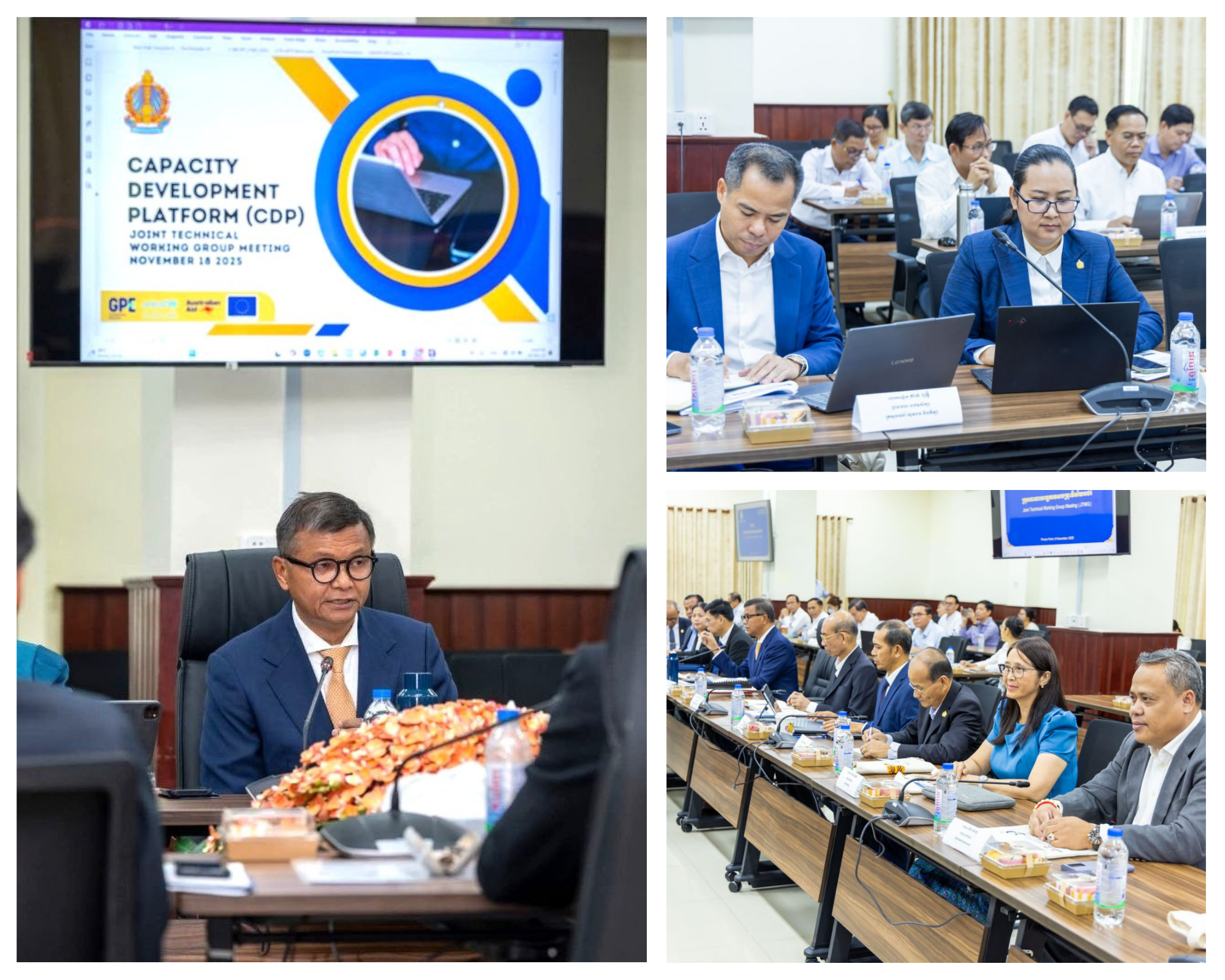
H.E. Dr. Hang Chom Naron, Deputy Prime Minister and Minister of MoEYS, highlighted the pedagogical shift the platform represents: "The CDP marks a transformative step in Cambodia’s journey toward quality teacher education. By digitizing teacher training and professional development, we are empowering our educators with the tools, knowledge, and support they need to inspire learning and improve outcomes."
The enthusiasm is mirrored on the ground. Mrs. Proeut Sanh, a primary school teacher from the Kralanh District in Siem Reap Province, recently completed an ICT course on the platform. She noted the immediate impact on her classroom dynamics: "The course strengthened my knowledge and practical skills in using digital tools and AI for lesson planning, making my students more active and participatory in the classroom." Her experience reflects the ultimate goal of the CDP: to bridge the gap between abstract policy and the tangible reality of student engagement.
The Path Forward: Implications for National Education
The introduction of the CDP has profound implications for the future of Cambodia’s education sector.
Moving Toward Blended Learning
The platform is currently evolving to support a hybrid or "blended" model. As World Education continues to develop new content, the focus is shifting toward modules that combine the efficiency of the digital platform with the necessity of in-person mentorship. This blended approach acknowledges that while technology can deliver content, the human element—mentorship, observation, and face-to-face feedback—remains the heartbeat of effective teaching.
Meeting New National Standards
A major upcoming initiative involves the development of modules specifically designed to help teachers meet new, mandatory national standards. By aligning the CDP’s content with these new requirements, the MoEYS is essentially providing a roadmap for every teacher in the country to reach professional excellence. This systemic alignment ensures that the platform is not just an optional resource, but an integral part of the career lifecycle of every educator in Cambodia.
Fostering an Ecosystem of Innovation
The collaboration between World Education and the MoEYS has created a template for international aid organizations. By focusing on systems-strengthening rather than short-term project delivery, the initiative has ensured that the CDP remains a permanent fixture in Cambodia’s educational infrastructure. As the platform grows, it is expected to serve as a laboratory for further digital innovations, such as the integration of AI-driven personalized learning paths and data analytics to identify where teachers might need additional support.
Conclusion: A Model for Digital Transformation
The Capacity Development Platform is more than a software launch; it is a statement of intent. It signals that Cambodia is prioritizing the professionalization of its teachers through the intelligent use of technology. By focusing on usability, institutional integration, and sustainable governance, the MoEYS, UNICEF, and World Education have provided a blueprint for how digital transformation can be effectively navigated in the Global South.
As the platform scales to include more subjects, more users, and more advanced features, its influence on the quality of education in Cambodia will likely grow, helping to ensure that the next generation of Cambodian students is taught by educators who are as connected and capable as the world they are preparing them for. For organizations looking to replicate this success, the lesson is clear: technology is the conduit, but it is the people—the teachers and the systems they work within—that truly drive change.