The Science of Sour and Slippery: A Comprehensive Guide to Acids and Bases for Young Scientists
Teaching chemistry to children often conjures images of complex equations and daunting periodic tables. However, the study of acids and bases—a cornerstone of fundamental chemistry—is perhaps the most accessible and tactile entry point into the world of science. Far from being confined to sterile laboratory environments, the principles of pH are woven into the fabric of our daily lives, from the breakfast juices we consume to the cleaning agents under our sinks.
By transitioning from rote memorization to hands-on exploration, educators and parents can transform abstract chemical concepts into tangible "aha!" moments. This guide explores the foundational science behind acids and bases and provides a roadmap for conducting experiments that illustrate the dynamic nature of chemical reactions.
The Fundamentals: What Are Acids and Bases?
To understand the chemical world, one must first understand the "pH" of our environment. While the terms "acid" and "base" may sound like vocabulary reserved for advanced collegiate lectures, they describe substances found in every household.
The Chemistry of Ions
At the atomic level, the distinction between an acid and a base is defined by ions—electrically charged atoms or molecules. Acids are characterized by a high concentration of hydrogen ions (H+). When these ions interact with our taste receptors, they provide that sharp, tangy sensation commonly associated with citrus fruits like lemons and oranges.
Conversely, bases are substances that contain hydroxide ions (OH-). In their concentrated or pure forms, basic solutions often exhibit a "slippery" or "soapy" texture. When ingested in diluted, safe forms, they tend to offer a bitter flavor profile. It is important to note that while many acids and bases are benign, some are highly corrosive. Battery acid, for example, can dissolve fabric, while household ammonia—a potent base—can pose significant respiratory risks.
Measuring the Invisible: The pH Scale
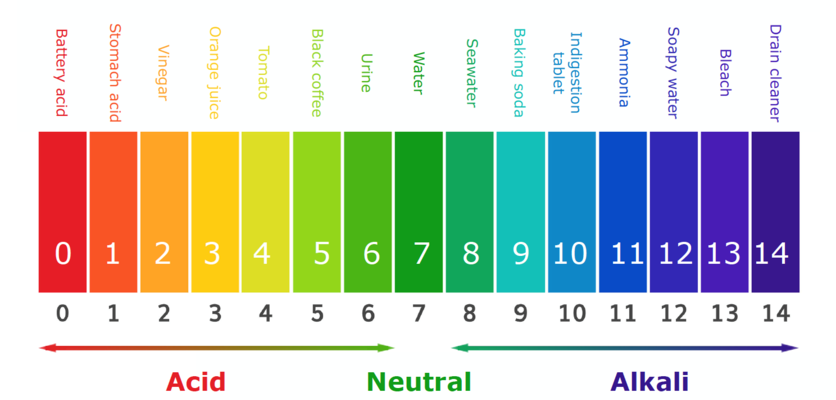
The pH scale serves as the primary diagnostic tool for chemists. Ranging from 0 to 14, the scale provides a graphical representation of a substance’s acidity or alkalinity.
- Acids (pH 0–6.9): Substances such as lemon juice, vinegar, and stomach acid fall into this category.
- Neutral (pH 7): Pure water is the gold standard for neutrality.
- Bases (pH 7.1–14): Substances like baking soda, soaps, and antacids occupy this end of the spectrum.
The Role of Indicators
Because we cannot taste every chemical we encounter, scientists rely on indicator solutions. These substances undergo a physical color change when they encounter a specific pH level. A classic example is litmus paper, derived from plant-based dyes. In the presence of an acid, the paper shifts toward the red end of the spectrum; in the presence of a base, it turns blue.
A Chronology of Discovery: From Alchemy to Modern Chemistry
The scientific understanding of acids and bases has evolved over centuries. In the 17th century, Robert Boyle was among the first to classify substances based on their characteristics: acids were sour and corrosive, while bases were slippery and could neutralize acids.
By the late 1800s, Svante Arrhenius revolutionized the field by defining acids and bases based on their behavior in water, specifically focusing on hydrogen and hydroxide ions. Later, the Brønsted-Lowry theory expanded this definition, explaining that acid-base reactions are essentially a "proton transfer." This evolution allows modern students to move beyond merely describing a substance’s appearance to understanding the actual molecular "dance" occurring during a chemical reaction.
Supporting Data: The Biological and Environmental Impact
The importance of pH extends far beyond the kitchen counter. Our own bodies are a masterclass in acid-base regulation. The human stomach maintains a highly acidic environment (pH 1.5–3.5) to facilitate the digestion of proteins and the destruction of pathogens. If our blood pH were to deviate even slightly from its narrow range (7.35–7.45), it could lead to life-threatening conditions like acidosis or alkalosis.
In the natural world, the pH of soil determines which nutrients are available to plants. Acid rain, caused by industrial emissions, can lower the pH of lakes and streams, disrupting aquatic ecosystems. Understanding these variables helps students appreciate how chemistry influences environmental health and human survival.
Practical Applications: 5 Hands-On Projects
To reinforce these concepts, students should engage in experiments that demonstrate chemical reactivity.
1. Red Cabbage: Nature’s pH Indicator
Red cabbage contains a pigment called anthocyanin, which changes color based on pH. By boiling the cabbage and straining the water, students create a homemade indicator solution. When drops of various household liquids—such as lemon juice (acid) or soapy water (base)—are added to the purple cabbage juice, the solution will shift to shades of bright pink, red, blue, or green, offering a vivid visual lesson in pH measurement.
2. The Edible Chemical Reaction (Sherbet Science)
Creating "fizzy sherbet" is an excellent way to demonstrate an acid-base reaction that is safe for consumption. By mixing citric acid (often found in sour candy powder) with baking soda, the reaction produces carbon dioxide gas. This gas creates the characteristic "fizz" on the tongue, illustrating that chemical reactions can occur in our own digestive systems.
3. Metallurgy and Corrosion: Cleaning Pennies
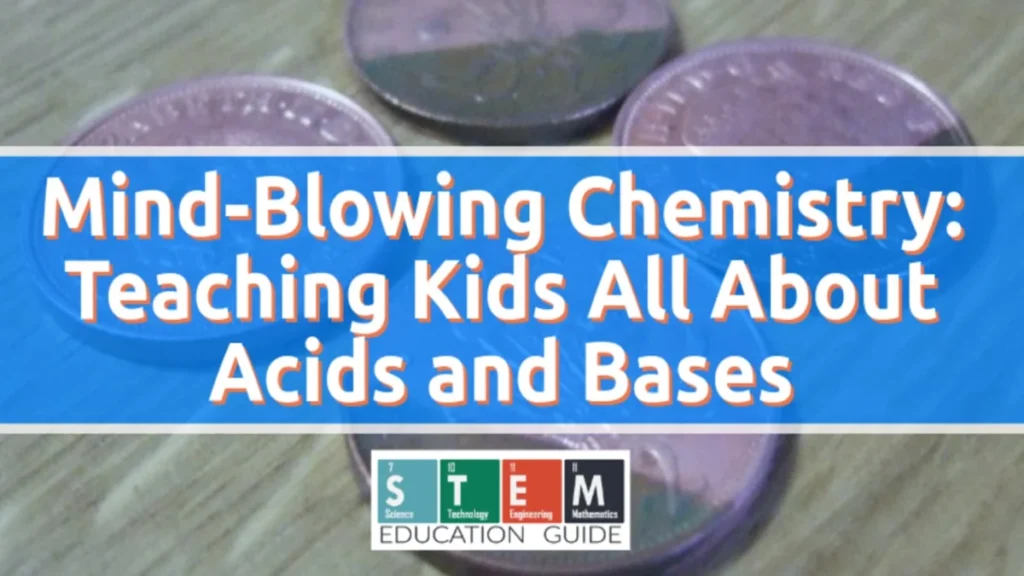
This experiment challenges students to hypothesize which substances best clean tarnished copper. By soaking dirty pennies in solutions ranging from vinegar (acid) to baking soda paste (base), students can observe how acids effectively strip away copper oxide (tarnish). This experiment highlights the reactive nature of metals when exposed to different pH levels.
4. The Rubber Egg Experiment
By submerging a raw egg in white vinegar for 24 to 48 hours, students witness a fascinating chemical transformation. The acetic acid in the vinegar reacts with the calcium carbonate in the eggshell, dissolving it entirely. What remains is a translucent, rubbery egg held together by the inner membrane—a perfect illustration of how acids can break down solid materials.
5. Neutralization: The Balancing Act
The ultimate goal of many chemical processes is neutralization. When an acid (vinegar) and a base (baking soda) are combined, they react to produce water and a salt. This experiment teaches students that these reactions aren’t just about color changes or fizzing; they are about moving toward a state of equilibrium.
Official Perspectives: The Importance of STEM Literacy
Leading educators and scientists emphasize that STEM (Science, Technology, Engineering, and Math) literacy is a critical skill for the 21st century. According to the National Science Teaching Association (NSTA), inquiry-based learning—where students pose questions and conduct experiments—is the most effective way to foster a lifelong interest in chemistry.
By engaging with these projects, students are not just "playing with food"; they are practicing the Scientific Method:
- Observation: Noting that vinegar is sour.
- Question: "What will happen if I mix this with baking soda?"
- Hypothesis: "It will create a gas."
- Experiment: Mixing the ingredients.
- Conclusion: Analyzing the reaction and documenting the result.
Implications for Future Learning
The study of acids and bases provides the conceptual scaffolding for more advanced topics in chemistry, such as thermodynamics, chemical equilibrium, and biochemistry. When a child learns that a simple change in pH can turn a clear liquid into a neon pink solution, they are learning to see the world as a place governed by discoverable laws.
As we look toward a future defined by technological advancement, fostering this curiosity is paramount. Whether it is understanding the balance of our oceans or developing new medical treatments, the principles of acids and bases remain central to human innovation.
Final Thoughts
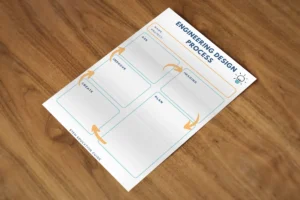
Chemistry does not have to be a source of frustration. By utilizing common household items and a bit of curiosity, parents and teachers can turn the "acid and base" chapter of a textbook into a series of memorable, high-impact experiences. We encourage you to download our free scientific method worksheet to help document your findings and turn your kitchen into a laboratory for discovery.
Have you tried these experiments at home? Share your results and your favorite acid-base observations in the comments below!