Beyond the Checklist: Redefining Hispanic Identity in Modern America
COLUMBIA, Md. — Growing up on the U.S. mainland, Gavin Falcon learned early on that heritage is rarely a monolith. For Falcon, a senior at Long Reach High School in Columbia, Maryland, and a state representative for the National Student Council, the foundational ethos of his upbringing could be summed up in four words: "Mi familia es mi vida" (My family is my life).
Whether emblazoned on treasured keepsake bracelets, echoed in transatlantic phone calls with relatives in Puerto Rico, or displayed prominently on his father’s smartphone lock screen, that phrase was a constant refrain. It became the bedrock of his identity.
Yet, like millions of second- and third-generation Hispanic and Latino Americans navigating identity in the United States, Falcon’s journey has involved confronting narrow societal expectations. It is a journey defined not by checking predetermined cultural boxes, but by expanding what it means to belong to a vast, multifaceted global diaspora.
Main Facts: The Anatomy of Modern Latino Identity
The conversation surrounding Hispanic and Latino identity in the United States is undergoing a profound generational shift. According to recent demographic data from the U.S. Census Bureau, the nation’s Hispanic population has surged to over 63 million, representing nearly 19% of the total U.S. population. This community is remarkably diverse, spanning multiple races, nationalities, and ancestral backgrounds.
Despite this expansive growth, young people frequently report feeling confined by a rigid, three-part societal checklist:
- "Do you speak Spanish fluently?"
- "You don’t really look Hispanic."
- "But can you dance?"
Sociologists and cultural analysts note that these persistent stereotypes fail to capture the complex reality of the diaspora. The Hispanic community includes individuals who speak Spanish or Portuguese fluently, those who understand the language passively, speakers of various Indigenous languages, and those who speak only English. Furthermore, Latino individuals hail from dozens of countries across Central and South America, the Caribbean, and Europe, possessing a wide spectrum of racial phenotypes that defy physical caricatures.
Falcon’s personal experience mirrors this broader cultural tension. Surrounded by a sprawling Puerto Rican family—featuring more aunts (tías), uncles (tíos), and cousins (primos) than he can readily name—and flags proudly displayed on vehicles, walls, and household items, his cultural pride was never in question. However, growing up on the mainland meant the Spanish language was absorbed differently.
"While I can get by, there have been moments where I wondered if that somehow made me less Hispanic or less connected to my culture," Falcon reflects.
As he matured, he recognized that language fluency is only one facet of heritage. Prominent cultural figures, such as pop icons Jennifer Lopez and Selena Gomez, have publicly discussed navigating public scrutiny regarding their own Spanish-language fluency. Their experiences underscore a vital truth: speaking primarily or exclusively English does not erase an individual’s lineage, historical traditions, or deep-rooted connection to their culture.
Chronology: From Ancestral Roots to Modern Representation
To understand the current dialogue surrounding Hispanic identity, it is helpful to examine the historical trajectory of the Latino presence in the United States:
- Pre-20th Century: The roots of Hispanic presence in North America predate the founding of the United States, anchored by Spanish colonization, Indigenous populations, and subsequent territorial shifts, particularly involving Mexico, Puerto Rico, and the broader Caribbean.
- Mid-20th Century: Waves of migration—significantly accelerated following the 1959 Cuban Revolution, the Puerto Rican migration waves of the 1940s and 50s, and subsequent immigration from Central and South America—established large, distinct Latino urban enclaves across the United States.
- Late 20th Century (1968–1988): Cultural recognition institutionalized federal acknowledgment with the establishment of Hispanic Heritage Week under President Lyndon B. Johnson in 1968, which was later expanded to a month-long observance by President Ronald Reagan in 1988.
- Early 21st Century: The U.S. Census records explosive demographic growth, making Latinos the nation’s largest racial or ethnic minority group. Concurrently, younger generations begin publicly challenging monolithic stereotypes, advocating for intersectionality, inclusivity, and linguistic diversity within the community.
- Present Day: Students, educators, and community leaders utilize school spirit weeks, National Student Council initiatives, and cultural assemblies to redefine Hispanic Heritage Month as a celebration of vast diversity rather than a uniform checklist.
Supporting Data: Demographics and Cultural Shift
Quantitative research underscores the evolving nature of Hispanic identity in America. Data compiled by the Pew Research Center highlights significant shifts in language use, self-identification, and cultural perception among U.S. Latinos:
- Bilingualism and English Dominance: While Spanish remains a vital pillar of the community, approximately 72% of all Latinos ages 5 and older speak English proficiently or are English-dominant. Among third-generation Latinos and beyond, English dominance is even higher, yet cultural attachment remains strong.
- Diverse Origins: The U.S. Hispanic population is no longer defined solely by its largest groups (Mexican Americans). Populations originating from nations such as Puerto Rico, Cuba, the Dominican Republic, El Salvador, Colombia, and Venezuela have experienced rapid growth, each contributing distinct traditions, music, and culinary practices.
- Self-Identity Preferences: Studies consistently show that most U.S. Hispanics prefer to identify by their specific country of origin (e.g., Mexican, Puerto Rican, Colombian) rather than blanket pan-ethnic terms, though terms like Hispanic, Latino, and the gender-neutral Latino/a/x or Latiné serve as important umbrella identifiers for civic and social solidarity.
Official Responses and Educational Perspectives
Educators and youth leaders across the United States are increasingly addressing the psychological impact of cultural gatekeeping on students. School administrators and student councils have taken active roles in reshaping how cultural heritage months are observed in educational settings.
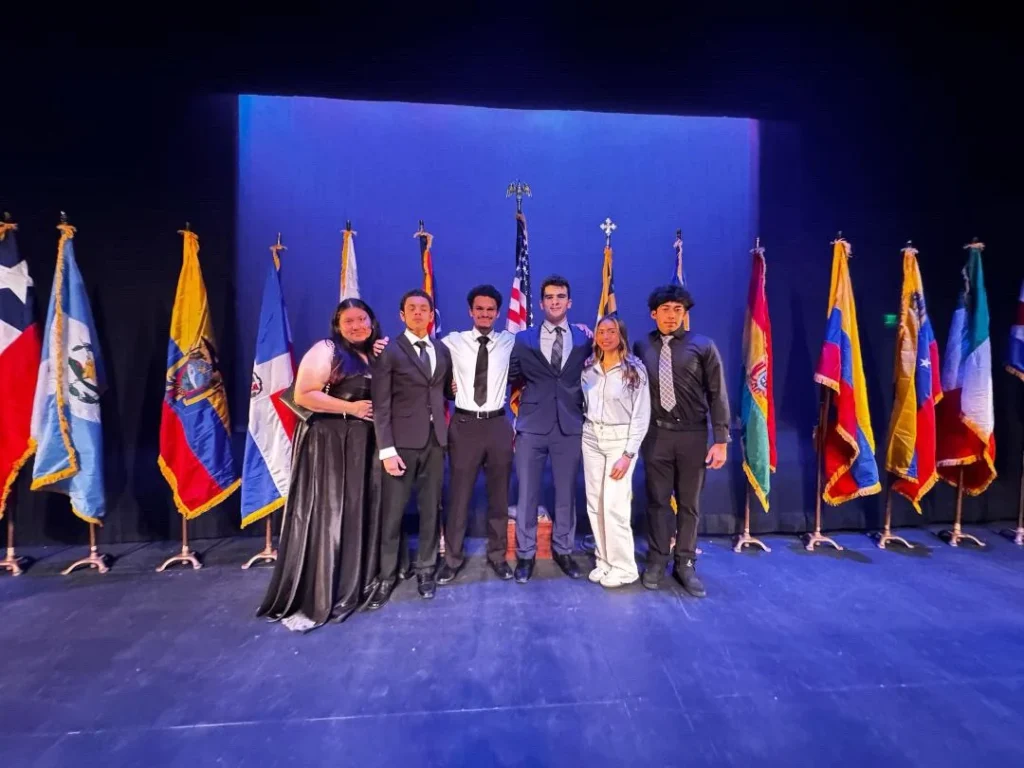
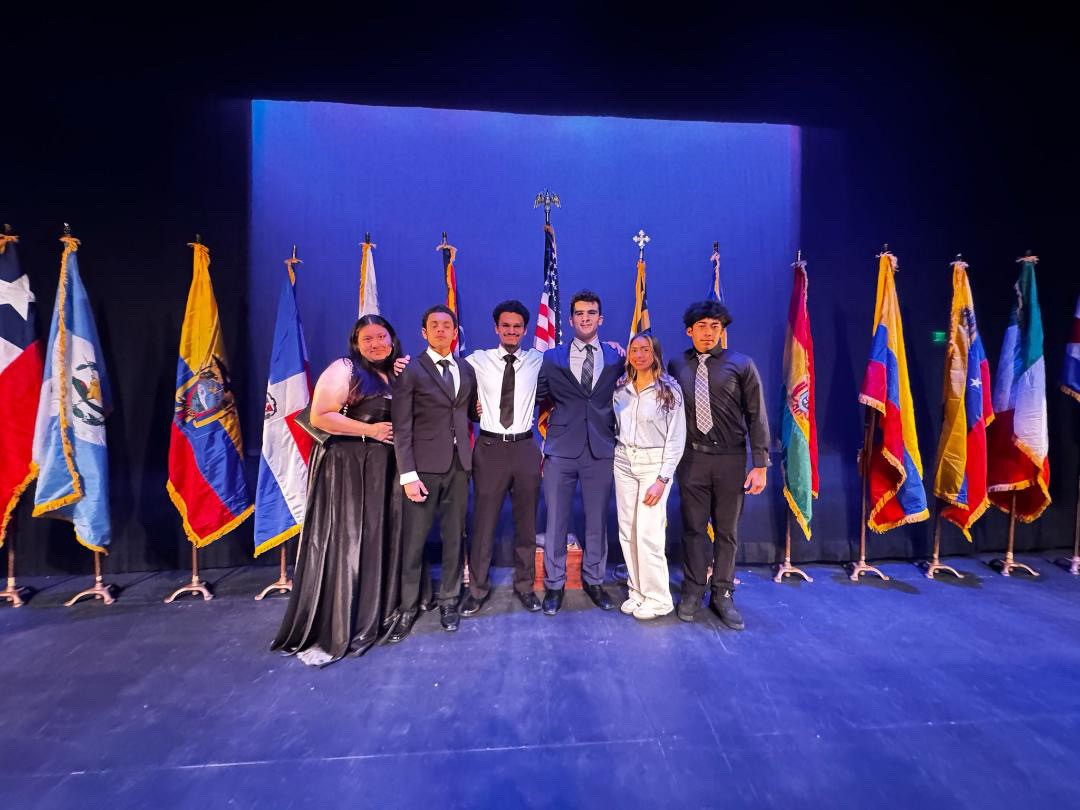
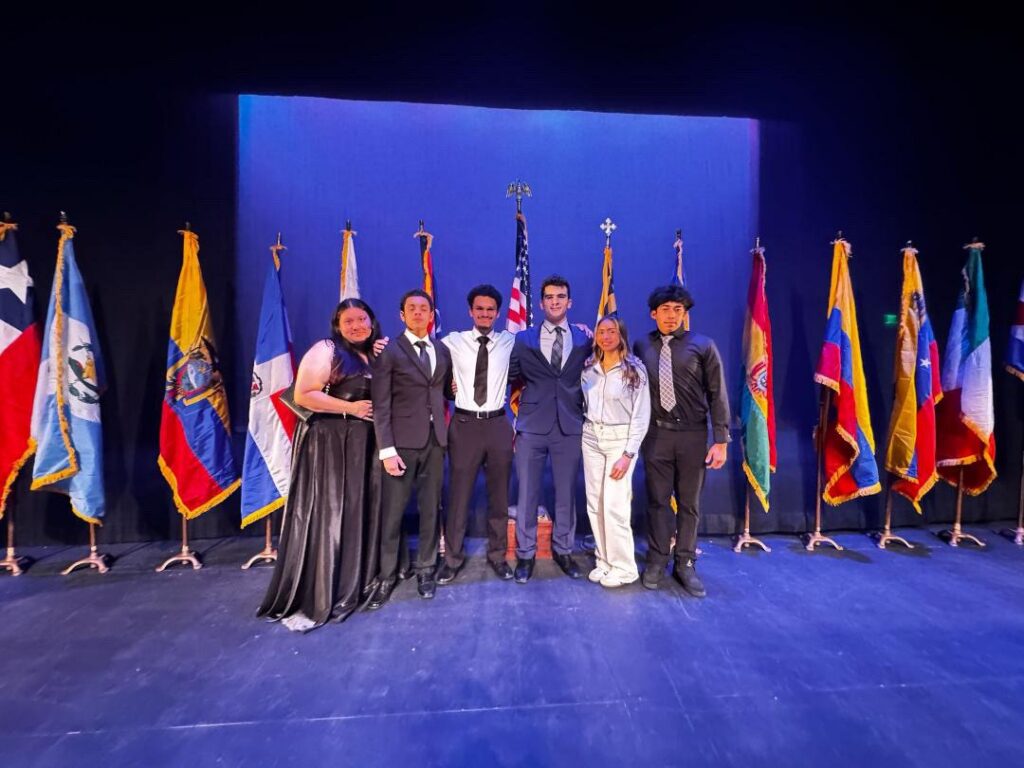
At Long Reach High School and institutions nationwide, Hispanic Heritage Month has transformed from a static history lesson into an immersive, dynamic showcase of community vibrancy. Modern school assemblies now frequently feature a mosaic of student expressions: traditional poetry, contemporary and folkloric dances, stunning quinceañera dresses, and flags representing dozens of nations.
"Such occasions are times for remembrance, family, music, parties, food, and much more," Falcon notes. "They’re times to recognize those who came before us and celebrate what our communities continue to accomplish today. But most importantly, they’re chances to share what it truly means to be Hispanic or Latino, not by checking three boxes, but by recognizing just how many different people call this community home."
Educational psychologists point out that creating inclusive spaces within schools helps mitigate feelings of imposter syndrome among minority students. When educational institutions validate multiple expressions of culture—whether a student speaks fluent Spanish, partial Spanish, or only English—they foster a healthier environment for youth development and leadership.
Implications: The True Definition of Community
The ongoing evolution of Hispanic identity carries profound implications for American society, politics, and culture. As the demographic weight of the Latino population continues to shape the future of the nation, dismantling rigid stereotypes is essential for accurate representation in media, government, education, and corporate leadership.
The core of the Hispanic and Latino experience does not reside in linguistic perfection or adherence to physical archetypes; rather, it is anchored in values of community, hospitality, and resilience. Falcon points to the universal warmth found within Latino households as the true hallmark of his culture.
"Someone can meet your family one time and suddenly become part of our world," Falcon describes. "A titi is checking in on how they are doing, an abuela is making sure they are having a good time, and someone is making sure they have eaten. Our connection to our culture may be what makes us part of the community, but our openness and diversity are what define us."
As young leaders like Gavin Falcon step forward to guide their peers through organizations like the National Student Council, they carry forward a redefined narrative. It is a narrative that honors ancestral roots while embracing the modern realities of the diaspora.
"So yes, I may not fit every box," Falcon concludes. "But also yes, I am Latino. I am Hispanic. I am Boricua. And I am proud of it."